

 Preview
 Send
Send Share
Share
 Details

 Download
 Similars
 X-Ray
X-Ray Diaporama
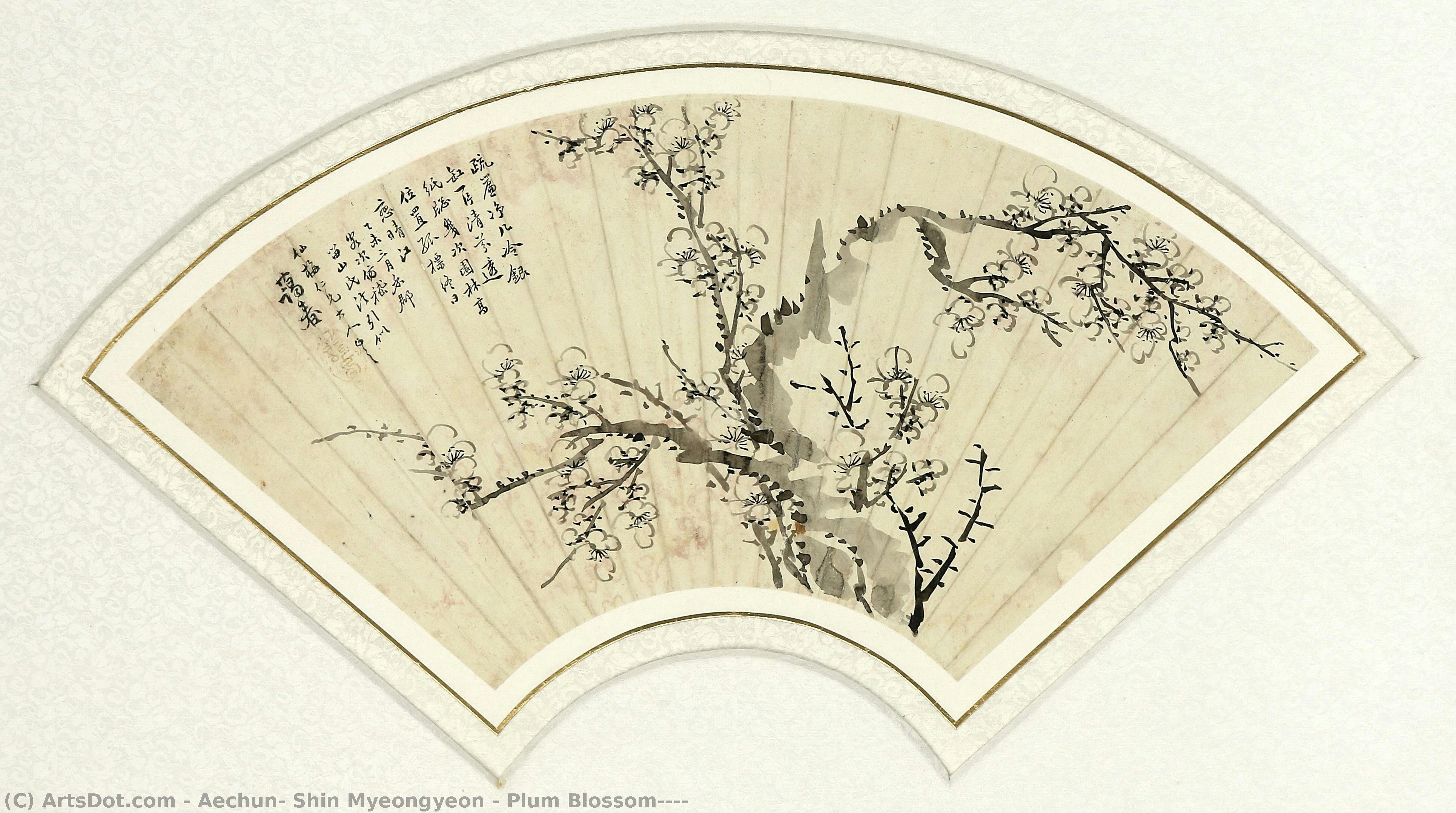
Plum Blossom(墨梅)


 Read More
Purchase a high-resolution, enhanced digital image, far superior to the online preview.
Each file is meticulously prepared by our in-house specialists using advanced tools and expert manual retouching. We ensure every image has exceptional clarity, precise color accuracy, and fine detail.
The final file is delivered via email within 72 hours, optimized for immediate use in professional, editorial, and print environments. This is the same quality trusted by top-tier design studios, publishers, and galleries.
Digital Image
Download a high-resolution file for personal display, printing, and creative projects. ( Buy Print Buy Hand Made Painting)
Included in Every Digital Image Order
Expert Digital Delivery, Guaranteed
When you choose ArtsDot.com, you're not just getting an image - you're receiving a professionally enhanced digital artwork, crafted with precision and backed by a satisfaction guarantee. Here's everything that comes with your order, automatically:

Fast Email Delivery
Your high-resolution digital image file will be emailed to you within 72 hours of ordering - ready for immediate use.

AI-Enhanced Digital File
Your artwork is professionally optimized using advanced AI tools and manual editing, ensuring maximum detail, clarity, and color accuracy.

Free Lifetime Re-Delivery
Accidentally deleted or lost your file? No worries - we'll resend it to you anytime, free of charge.

No Import Fees - Ever
Enjoy your artwork instantly with zero customs, duties, or delivery fees - digital downloads are always tax-free.

Color Accuracy Guarantee
We ensure your digital image reflects the original colors as closely as possible using professional tools and color management.

60-Day Satisfaction Guarantee
If you're not satisfied with your digital image, we'll revise it or refund 100% within 60 days - no questions asked.

100% Money-Back Guarantee
Not satisfied? Get a full refund within 60 days of receiving your digital file - no questions asked.

Bulk Order Discounts
Buy 3 images, save 10% - Buy 5, save 15% - Buy 10+, save 20%. Great for creative projects, galleries, and agencies.
Collectible Description
Related Artworks

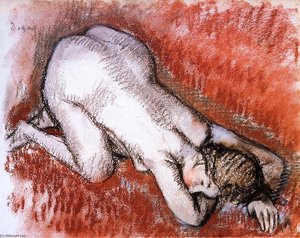
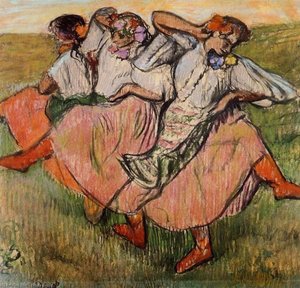
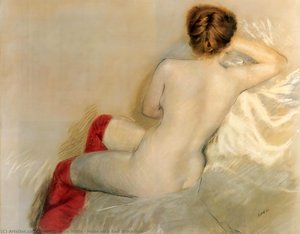
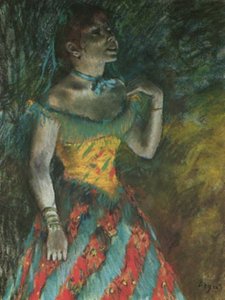
Artist Biography
Francisco Goya: A Revolutionary Voice of His Time
Francisco José de Goya y Lucientes, born in 1746 in Fuendetodos, Spain, was more than just an artist; he was a chronicler of his era, a visionary who captured the tumultuous shifts and profound anxieties of 18th and 19th-century Europe. His journey from court painter to fiercely independent voice is one of the most compelling narratives in art history – a story marked by personal tragedy, political upheaval, and an unwavering commitment to portraying the realities he witnessed, both beautiful and brutal. Goya’s legacy extends far beyond his technical brilliance; he fundamentally altered the way artists approached their subjects, paving the path for Romanticism and influencing generations of creatives who followed.Early Years and Courtly Beginnings
Goya's early artistic training began in Zaragoza under José Luzán y Martínez, a local artist influenced by Neoclassical styles prevalent at the time. He then moved to Madrid, where he apprenticed with Francisco Bayeu, a prominent court painter associated with the Spanish Baroque tradition. Goya’s talent quickly gained recognition, and he was appointed as a court painter in 1775, serving under King Charles III and his son, Charles IV. During this period, he produced a vast array of portraits – grand celebrations, intimate family scenes, and depictions of the royal court – showcasing his technical skill and ability to capture the formality and grandeur of the era. However, beneath the polished surface of these commissions lay a growing dissatisfaction with the superficiality of court life and a burgeoning desire for artistic freedom.The Darker Side: War, Plague, and Personal Tragedy
Goya’s artistic trajectory took a dramatic turn following the Napoleonic invasion of Spain in 1808. Witnessing firsthand the horrors of war and the suffering inflicted upon his countrymen, he abandoned his previous courtly style and began to explore darker themes – violence, death, madness, and despair. This period produced some of his most powerful and unsettling works, including *The Disasters of War* (1810-14), a series of etchings documenting the atrocities committed during the Peninsular War. These prints are not romanticized accounts of heroism; instead, they offer unflinching depictions of brutality, fear, and human suffering – a radical departure from traditional war paintings. Personal tragedy also profoundly impacted Goya’s work. The loss of his wife, Maria Josepha, and his son, Gaspar, in quick succession plunged him into deep mourning, contributing to the increasingly melancholic tone of his later paintings.The Revolutionary Shift: *The Third of May 1808* and Beyond
Perhaps Goya’s most iconic work, *The Third of May 1808 in Madrid*, exemplifies this shift towards social commentary and emotional intensity. Painted in 1814, it depicts the execution of Spanish rebels by French soldiers – a scene that transcends mere historical record to become a universal indictment of war and injustice. The painting’s dramatic composition, stark lighting, and emotionally charged figures—particularly the central figure with outstretched arms—have been hailed as one of the first modern paintings, breaking away from the conventions of academic art and prioritizing emotional impact over idealized representation. Following this pivotal work, Goya continued to experiment with new techniques and styles, exploring themes of mortality, madness, and the grotesque in his *Caprichos* (1799-1814) – a series of etchings that satirized Spanish society and explored anxieties about the future.Late Works and Lasting Influence
In his later years, Goya’s artistic vision became increasingly introspective and unsettling. He retreated to his estate in La Quinta del Sordo (“The Deaf Man”), where he produced a series of fourteen paintings known as *Los Desastres de la Guerra* (The Disasters of War) – a collection of prints that documented the horrors of the Peninsular War with unprecedented detail and emotional intensity. Alongside these prints, he created a group of hauntingly evocative paintings—often referred to as “Black Paintings”—that explored themes of death, decay, and human suffering. These works, painted directly onto the walls of his home, are characterized by their dark colors, distorted figures, and unsettling imagery. Despite his declining health and deafness, Goya continued to work until his death in Bordeaux in 1828, leaving behind a vast and complex body of work that continues to fascinate and challenge viewers today. His influence on subsequent generations of artists is undeniable, from the Romantic painters like Eugène Delacroix and J.M.W. Turner to the Symbolists and Surrealists, who embraced his exploration of the subconscious and his willingness to confront uncomfortable truths. Goya remains a towering figure in art history—a revolutionary artist whose work continues to resonate with audiences around the world.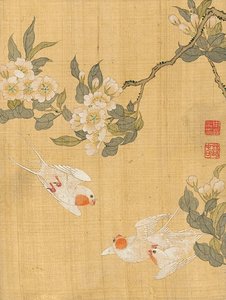
aechun, shin myeongyeon
1808 - 1886 , South Korea
Quick Facts
- Artistic Movement Or Style: Romanticism, Neoclassicism
- Artists Or Movements Influenced By This Artist:
- Picasso
- Dalí
- Expressionists
- Artists Who Influenced This Artist:
- Tiepolo
- Mengs
- Velázquez
- Date Of Birth: March 30, 1746
- Date Of Death: April 16, 1828
- Full Name: Francisco José de Goya y Lucientes
- Nationality: Spanish
- Notable Artworks:
- The Third of May
- Saturn Devouring His Son
- The Naked Maja
- Place Of Birth: Fuendetodos, Spain

