

 Preview
 Send
Send Share
Share
 Details

 Download
 Similars
 X-Ray
X-Ray Diaporama
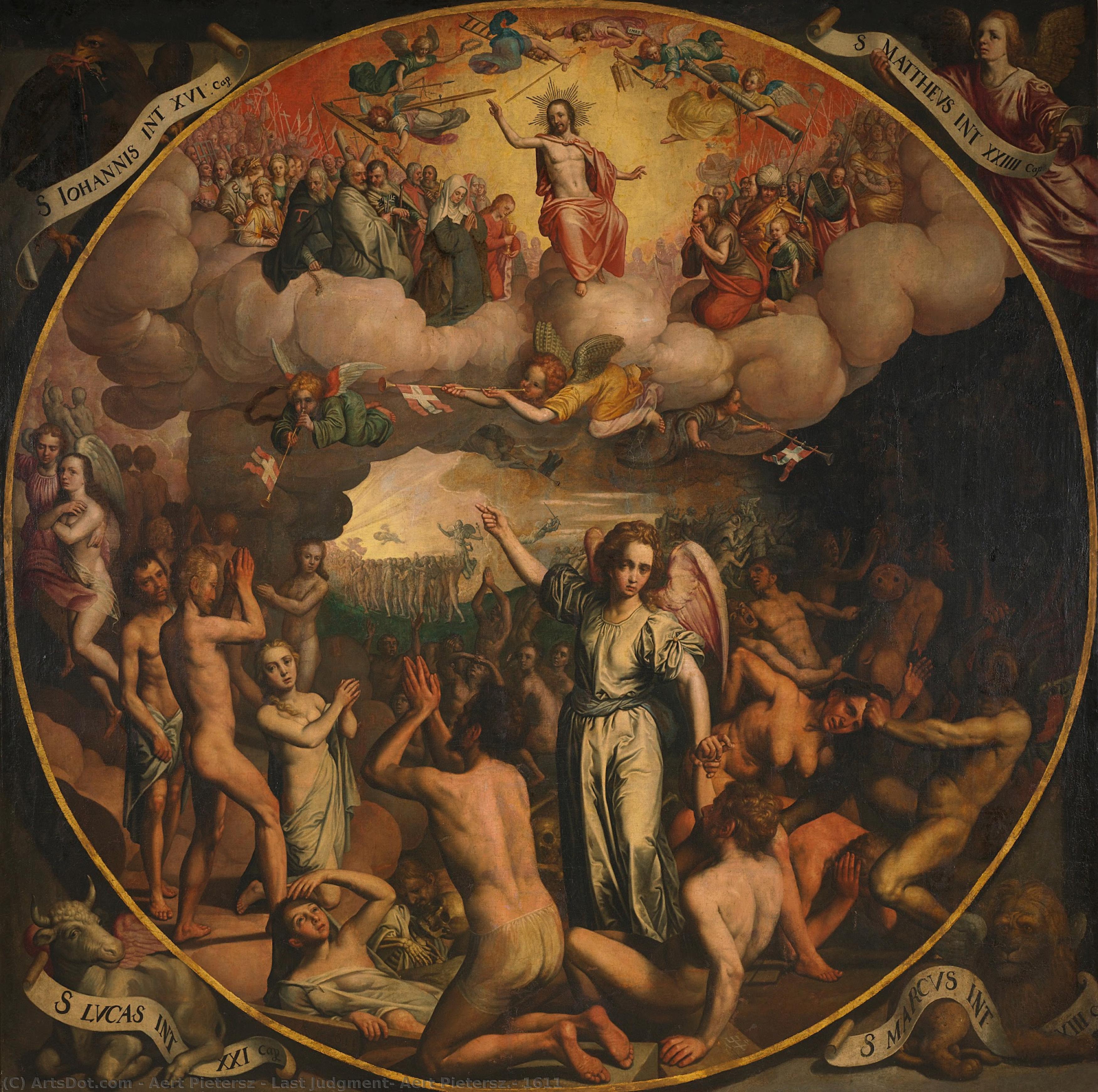
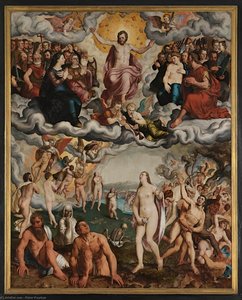
Last Judgment, Aert Pietersz., 1611
 1611
1611 200.0 x 200.0 cm
 Read More
Hand Made Oil Reproduction
Hand-painted oil on canvas in your size and frame, made to order by our artists. ( Buy Print Buy Image)




































Pick from our preset sizes that match the artwork's original proportions.

You may enter your own dimensions to fit a specific frame or space. If your selected size does not match the original image's proportions, we will either crop the artwork or extend the painting with additional hand-painted elements. A digital mockup will be sent for your approval before production begins.
Please note that the on-screen preview does not reflect the actual cropping or extension. Only the mockup will accurately show the final composition.
While custom sizes are available, we recommend selecting a dimension from the predefined list to preserve the original proportions.
After order, ArtsDot.com team will email client for instructions and provide a mockup preview
Worldwide Delivery () in 3/4 weeks instead of standard 5 weeks. (20 August). No compromise on quality.

Free Worldwide Express Shipping

High-Quality Linen Canvas

Full Shipping Insurance

Customs Tax Refund Guarantee

True Color Matching Guarantee

60-Day Return Policy (Defects Only)

100% Money-Back Guarantee

Bulk Discount Offer
 Glass option is only available in size under 110 CM

Last Judgment, Aert Pietersz., 1611
Reproduction Medium
Reproduction Size
-


Total Price
$ 263
Artwork Description
Related Artworks



Artist Biography
A Life Immersed in the Golden Age: The World of Aert Pietersz
The name Aert Pietersz resonates softly within the vibrant tapestry of the Dutch Golden Age, a period brimming with artistic innovation and societal transformation. Born in Amsterdam around 1550 and passing away in the same city in 1612, Pietersz’s life unfolded against a backdrop of burgeoning mercantile wealth, religious upheaval, and an unprecedented flourishing of painting. He wasn't merely *a* painter of this era; he was a product of it—a son of artistic lineage deeply embedded within one of the most prominent families of Dutch artists. His father, Pieter Aertsen, a pioneer in monumental genre scenes, cast a long shadow, but Aert carved his own distinct path, specializing in portraits and allegorical works that reflected the intellectual currents and evolving tastes of his time.Family Legacy and Early Influences
To understand Aert Pietersz is to first acknowledge the artistic dynasty from which he sprang. His father, Pieter Aertsen, was a revolutionary figure who blended still life with genre painting, often incorporating biblical narratives into seemingly everyday scenes—a bold move that challenged conventional hierarchies within art. Aert’s older brother, Pieter Pietersz the Elder, also achieved renown as a portraitist and market scene painter. This familial environment undoubtedly shaped Aert's early artistic development. Karel van Mander, the influential Dutch artist and biographer, noted Aert’s talent and his deliberate choice to focus on portraiture, perhaps recognizing that while large-scale commissions might be scarce, skilled portraitists were always in demand. The emphasis on realism instilled by his father—the meticulous rendering of textures, objects, and human features—became a hallmark of Aert's style. He wasn’t simply copying forms; he was inheriting a tradition of observational accuracy that would define much of Dutch painting for generations to come.A Portraitist of Amsterdam Society
While surviving works are relatively few in number, those attributed to Aert Pietersz reveal a sensitive and capable portraitist. He captured the likenesses of individuals within Amsterdam’s burgeoning merchant class—a society increasingly confident in its wealth and status. His portraits aren't flamboyant displays of opulence; rather, they possess a quiet dignity and psychological depth. He seems less interested in extravagant costumes or symbolic props than in conveying the inner character of his sitters. This focus on individual personality aligns with the broader humanist trends of the era, which emphasized human potential and worth. The RKD (Netherlands Institute for Art History) records that several portraits remain in Amsterdam collections, offering glimpses into the faces—and perhaps the souls—of those who commissioned them. His skill lay not just in technical proficiency but also in his ability to establish a connection with his subjects, resulting in images that feel remarkably intimate and lifelike.Allegories and Historical Context
Beyond portraiture, Aert Pietersz demonstrated an aptitude for historical allegories—paintings imbued with symbolic meaning intended to convey moral or philosophical messages. Van Mander specifically praised his ability in this genre, suggesting that he possessed a keen intellect and a capacity for complex visual storytelling. Unfortunately, few examples of these allegorical works have survived, leaving scholars to speculate on their precise themes and interpretations. However, it’s reasonable to assume they reflected the intellectual climate of Amsterdam—a city grappling with religious debates, economic anxieties, and evolving social norms. The early 17th century was a period of intense scrutiny and self-reflection, and artists like Pietersz often used allegory as a means of exploring these complex issues in a subtle and nuanced way. His work, therefore, wasn’t simply decorative; it was engaged with the intellectual currents shaping his world.Legacy and Historical Significance
Aert Pietersz may not be a household name like Rembrandt or Vermeer, but his contribution to the Dutch Golden Age is nonetheless significant. He represents a crucial link in a powerful artistic lineage—a son carrying forward the traditions of his father while forging his own distinct style. His portraits offer valuable insights into the lives and values of Amsterdam’s emerging merchant class, providing a glimpse into the social fabric of a rapidly changing society. His skill as an allegorical painter, though less documented, suggests a depth of intellect and artistic ambition that deserves further recognition. While more research is needed to fully understand his oeuvre, Aert Pietersz stands as a testament to the enduring power of family tradition, individual talent, and the vibrant cultural landscape of the Dutch Golden Age—a period where art wasn’t just about beauty; it was about reflecting, questioning, and ultimately defining a new era.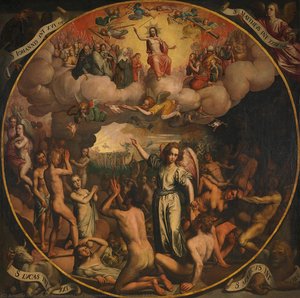
Quick Facts
- Artistic Movement Or Style: Dutch Golden Age painting
- Artists Who Influenced This Artist: ['Pieter Aertsen']
- Date Of Birth: 1550
- Date Of Death: 1612
- Full Name: Aert Pietersz
- Nationality: Dutch
- Notable Artworks: ['Anatomical lesson of Dr. Egbertsz']
- Place Of Birth: Amsterdam, Netherlands

