 Preview
 Send
Send Share
Share
 Details

 Download
 Similars
 X-Ray
X-Ray Diaporama
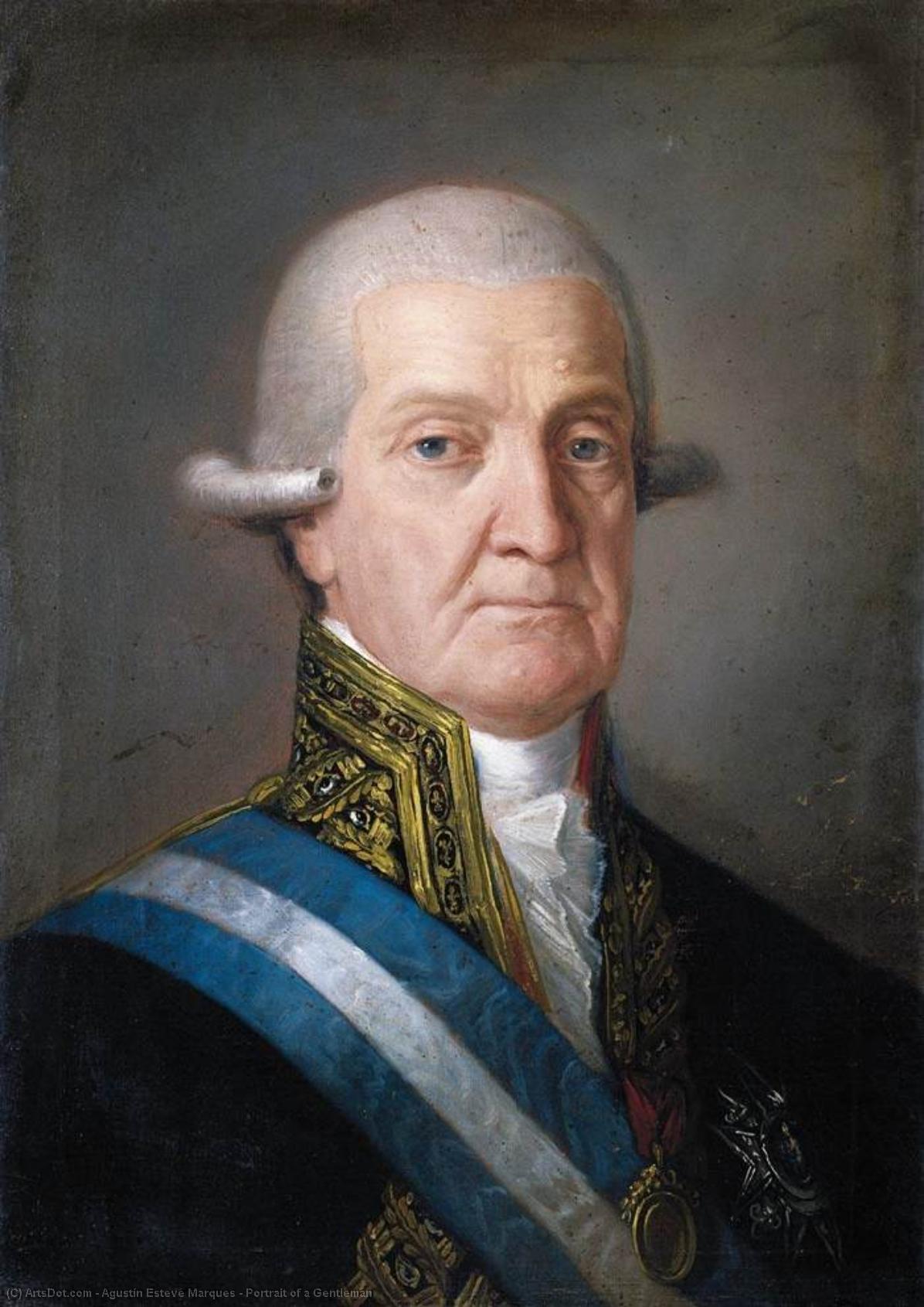
Portrait of a Gentleman
 Baroque
 57.0 x 40.0 cm
 Read More
Hand Made Oil Reproduction
Hand-painted oil on canvas in your size and frame, made to order by our artists. ( Buy Print Buy Image)




































Pick from our preset sizes that match the artwork's original proportions.

You may enter your own dimensions to fit a specific frame or space. If your selected size does not match the original image's proportions, we will either crop the artwork or extend the painting with additional hand-painted elements. A digital mockup will be sent for your approval before production begins.
Please note that the on-screen preview does not reflect the actual cropping or extension. Only the mockup will accurately show the final composition.
While custom sizes are available, we recommend selecting a dimension from the predefined list to preserve the original proportions.
After order, ArtsDot.com team will email client for instructions and provide a mockup preview
Worldwide Delivery () in 3/4 weeks instead of standard 5 weeks. (2 September). No compromise on quality.

Free Worldwide Express Shipping

High-Quality Linen Canvas

Full Shipping Insurance

Customs Tax Refund Guarantee

True Color Matching Guarantee

60-Day Return Policy (Defects Only)

100% Money-Back Guarantee

Bulk Discount Offer
 Glass option is only available in size under 110 CM

Portrait of a Gentleman
Reproduction Medium
Reproduction Size
-


Total Price
$ 263
Related Artworks


Artist Biography
The Legacy of Agustín Esteve y Marqués: A Portraitist of the Spanish Soul
In the vibrant, shifting landscape of late 18th-century Spain, few artists captured the intersection of aristocratic elegance and psychological depth as masterfully as Agustín Esteve y Marqués. Born in Valencia in 1753, Esteve emerged from a lineage of artistic talent, being the son of an altarpiece painter, which provided him with an early immersion into the sacred and the sublime. His journey through the corridors of Spanish art was not merely a personal progression but a reflection of a nation caught between the disciplined clarity of Neoclassicism and the burgeoning, emotive shadows of Romanticism. Through his brush, the rigid structures of the academy met the fluid, revolutionary spirit of a new era.
Esteve’s formative years were defined by rigorous academic discipline. His training at the Academia de Bellas Artes de San Carlos in Valencia instilled in him a profound respect for classical principles, a foundation that would later allow him to navigate complex compositions with ease. This period of study was further enriched by the influence of masters like Anton Raphael Mengs, whose devotion to Greco-Roman aesthetics emphasized balance and idealized form, and the gentle, tonal harmonies found in the works of Bartolomé Esteban Murillo. These early influences created a stylistic duality within Esteve: a capacity for meticulous, realistic detail paired with a sensitive touch for light and atmosphere.
The Goya Connection and the Evolution of Style
The most transformative chapter in Esteve’s life began with his encounter with Francisco Goya. This meeting was far more than a professional acquaintance; it was a profound artistic metamorphosis. While Esteve possessed the technical prowess of the academic tradition, Goya offered a window into a world of expressive freedom and experimental brushwork. Inspired by the great master, Esteve began to move away from the stiff, formal conventions of his youth, embracing a looser, more spontaneous technique that allowed for greater emotional resonance. He did not merely mimic Goya; rather, he synthesized Goya’s revolutionary approach with his own classical training, creating a unique visual language that could capture both the outward splendor of the Spanish court and the inward complexities of its subjects.
This evolution is perhaps most evident in his ability to render texture and light. Where his early works might have focused on the precise rendering of fabric and jewelry, his mature period shows an artist deeply concerned with the play of shadow across a face or the way light dissolves the edges of a silhouette. This mastery of chiaroscuro and psychological nuance allowed him to transcend simple likeness, turning portraits into profound character studies that whispered of the sitter's status, temperament, and very humanity.
Royal Patronage and Historical Significance
As his reputation grew, Esteve ascended to the highest echelons of Spanish society, securing his place as a preferred portraitist for the Spanish Crown. His presence in the Royal household in Madrid placed him at the epicenter of political and cultural power. Through his commissions, he documented the faces of an era, providing a visual record of the influential families and monarchs who shaped the destiny of Spain. His works, such as the celebrated portrait of the Countess of San Andrés de Parma, serve as enduring monuments to the grandeur of the Spanish court.
The historical significance of Agustín Esteve y Marqués lies in his role as a bridge between eras. He stood at the crossroads of the Enlightenment and Romanticism, acting as a conduit through which the structured beauty of the past was infused with the dramatic energy of the future. His ability to balance the meticulous realism required by his patrons with the expressive innovations learned from Goya ensures that his oeuvre remains a vital subject of study for anyone seeking to understand the complex, beautiful, and often turbulent heart of Spanish art history.
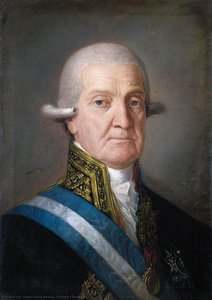
agustín esteve y marques
1753 - 1830
Quick Facts
- Artistic Movement Or Style: Neoclassicism
- Artists Or Movements Influenced By This Artist: ['Goya']
- Artists Who Influenced This Artist:
- Francisco Goya
- Anton Raphael Mengs
- Date Of Birth: May 12, 1753
- Date Of Death: 1830
- Full Name: Agustín Esteve y Marqués
- Nationality: Spanish
- Notable Artworks:
- The Hanged Monk
- Portrait of a Gentleman
- Place Of Birth: Valencia, Spain
Related Articles

Baroque Drama: Bringing Opulence & Emotion into Contemporary Interiors
Explore the opulent world of Baroque interior design! Discover key elements, modern applications & how to bring dramatic elegance into your home with 's authentic reproductions.

The Enduring Power of Painting: A Historical & Contemporary Exploration of Form and Emotion
Explore the rich history & enduring techniques of oil painting with ArtsDot. Discover masterpieces, learn about art collecting, and find authentic handmade reproductions crafted by skilled artists.

The Enduring Legacy of Oil on Canvas: Technique, History & Aesthetic Impact
Explore the rich history & techniques of oil painting – from Renaissance masters to Impressionism. Discover pigments, layering methods, and why this timeless medium endures. Expert insights for artists & art enthusiasts.

Baroque Masterpieces: 10 Paintings That Defined an Era |
Journey through the drama & grandeur of Baroque art! Explore 10 masterpieces by Caravaggio, Rembrandt, Rubens & more. Discover stunning oil paintings, rich colors & timeless stories. Find museum-quality reproductions at .

Oil on Canvas: A Historical & Technical Exploration of a Timeless Artistic Medium
Explore the rich history & enduring techniques of oil painting on canvas. Discover the science behind its longevity, conservation practices, and contemporary relevance. Expert insights for art enthusiasts.