

 Preview
 Send
Send Share
Share
 Details

 Download
 Similars
 X-Ray
X-Ray Diaporama
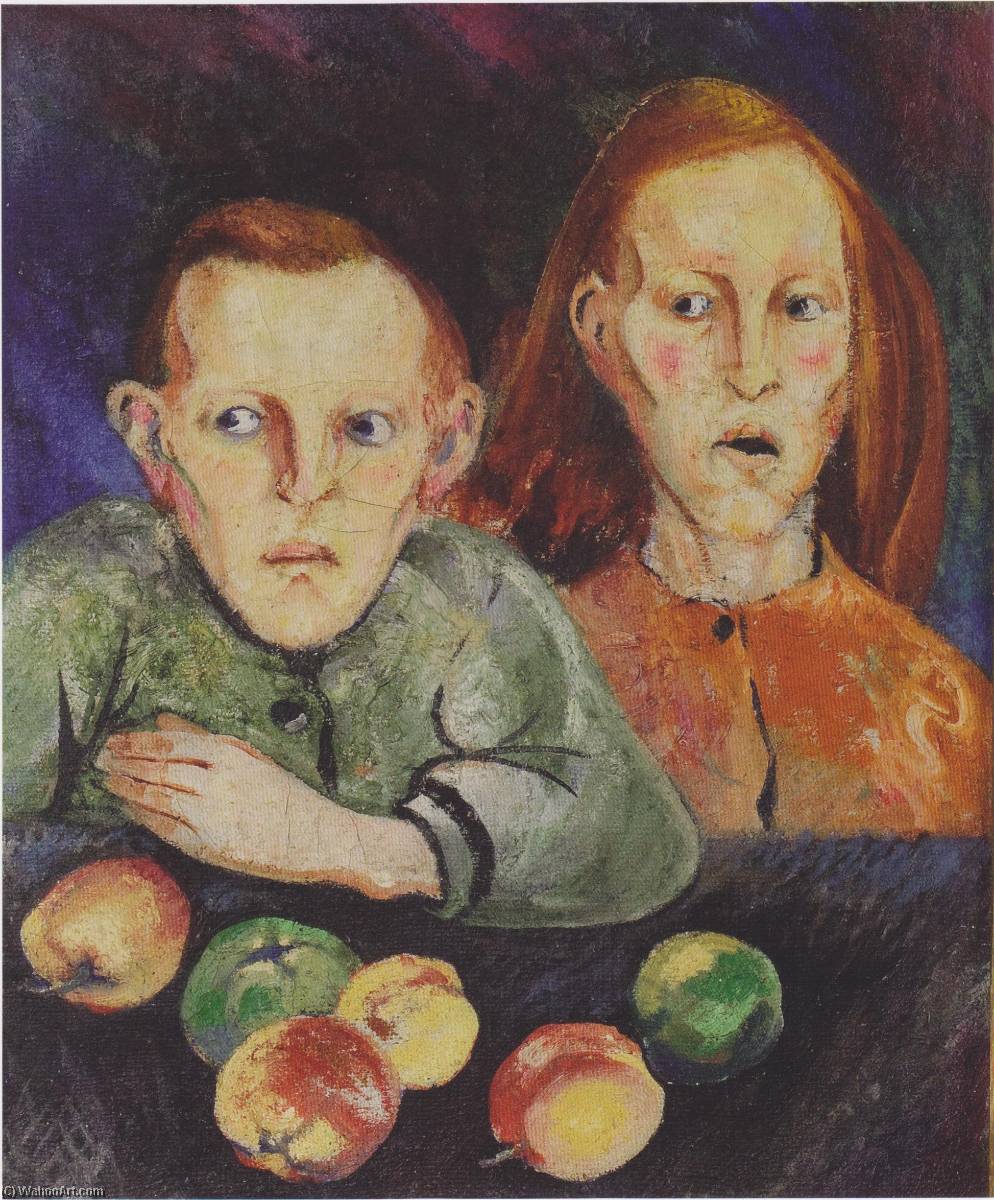
Hungry Children from Vienna
 Oil
Oil- WallArt
- Expressionism
 1919
1919- Modern
 55.0 x 45.0 cm
 Private Collection
 Read More
Purchase a high-resolution, enhanced digital image, far superior to the online preview.
Each file is meticulously prepared by our in-house specialists using advanced tools and expert manual retouching. We ensure every image has exceptional clarity, precise color accuracy, and fine detail.
The final file is delivered via email within 72 hours, optimized for immediate use in professional, editorial, and print environments. This is the same quality trusted by top-tier design studios, publishers, and galleries.
Digital Image
Download a high-resolution file for personal display, printing, and creative projects. ( Buy Print Buy Hand Made Painting)
Included in Every Digital Image Order
Expert Digital Delivery, Guaranteed
When you choose ArtsDot.com, you're not just getting an image - you're receiving a professionally enhanced digital artwork, crafted with precision and backed by a satisfaction guarantee. Here's everything that comes with your order, automatically:

Fast Email Delivery
Your high-resolution digital image file will be emailed to you within 72 hours of ordering - ready for immediate use.

AI-Enhanced Digital File
Your artwork is professionally optimized using advanced AI tools and manual editing, ensuring maximum detail, clarity, and color accuracy.

Free Lifetime Re-Delivery
Accidentally deleted or lost your file? No worries - we'll resend it to you anytime, free of charge.

No Import Fees - Ever
Enjoy your artwork instantly with zero customs, duties, or delivery fees - digital downloads are always tax-free.

Color Accuracy Guarantee
We ensure your digital image reflects the original colors as closely as possible using professional tools and color management.

60-Day Satisfaction Guarantee
If you're not satisfied with your digital image, we'll revise it or refund 100% within 60 days - no questions asked.

100% Money-Back Guarantee
Not satisfied? Get a full refund within 60 days of receiving your digital file - no questions asked.

Bulk Order Discounts
Buy 3 images, save 10% - Buy 5, save 15% - Buy 10+, save 20%. Great for creative projects, galleries, and agencies.
Collectible Description
A Poignant Encounter with Innocence
In the tender yet unsettling masterpiece Hungry Children from Vienna, painted in 1919 by the Norwegian Expressionist Aksel Waldemar Johannessen, we are invited into a moment of raw, unshielded humanity. The painting presents a striking portrait of two children, a boy and a girl, seated side by side upon a simple bench. There is an immediate, visceral connection established as they gaze directly at the viewer; their eyes, filled with a mixture of curiosity and a haunting vulnerability, demand our attention. The boy, captured in a moment of spontaneous expression, holds his mouth open—perhaps in a gesture of surprise, a silent plea, or a playful mimicry of hunger. This candidness breaks the fourth wall, transforming the observer from a mere spectator into a witness to their quiet existence.
The composition is masterfully anchored by the presence of scattered apples resting upon the table before them. These fruits are not merely still-life elements but serve as vital narrative anchors. Some apples lie close to the children’s reaching hands, while others recede into the background, a technique that creates a profound sense of depth and spatial reality within the frame. The arrangement suggests a bounty that is tantalizingly present yet perhaps out of reach, adding a layer of tension to the scene. Through this careful placement, Johannessen guides the eye through the canvas, ensuring that the viewer’s gaze lingers on both the subjects' faces and the symbolic objects that define their immediate environment.
Expressionism and the Weight of History
To understand the emotional gravity of this work, one must look toward the turbulent era in which it was conceived. Created in the wake of the First World War, the painting breathes the atmosphere of a Europe grappling with scarcity and social upheaval. Johannessen, an artist whose soul was deeply rooted in the struggles of the Norwegian working class, utilizes the language of Expressionism to convey more than just a visual likeness. His brushwork and color palette evoke a sense of realism that is heightened by emotional truth. The painting does not shy away from the concept of hunger—not just as a physical sensation, but as a social condition. The title itself, referencing Vienna, evokes a city that was navigating profound political and economic instability during this period.
For the discerning collector or interior designer, this piece offers a sophisticated blend of historical depth and aesthetic versatility. The artwork possesses a unique ability to anchor a room with its somber yet captivating narrative. Its muted tones and evocative subject matter make it an ideal centerpiece for spaces that value storytelling and emotional resonance, such as a private study, a curated gallery wall, or a refined living area. As a high-quality reproduction, this painting serves as a window into the early 20th century, bringing the rediscovered brilliance of Johannessen into the modern home, where its themes of resilience and childhood innocence can continue to inspire and provoke thought for generations to come.
Related Artworks
Artist Biography
Aksel Waldemar Johannessen: A Rediscovered Voice of the Norwegian Working Class
The art world often rewards those who are immediately recognized, lauded for their innovations and contributions. But sometimes, brilliance is obscured by circumstance, forgotten amidst the currents of time. Aksel Waldemar Johannessen (1880-1922) represents precisely such a rediscovery – a Norwegian Expressionist painter whose powerful depictions of the lives of workers and his unflinching social commentary were largely ignored during his lifetime, only to be resurrected with renewed appreciation in recent decades. His work offers a poignant glimpse into the realities of early 20th-century Norway, revealing a uniquely sensitive and critical perspective rarely seen in contemporary art.
Born in Oslo’s Hammersborg district – a neighborhood characterized by poverty and industrial labor – Johannessen's upbringing profoundly shaped his artistic vision. Growing up amidst the struggles of working-class families instilled within him a deep empathy for their plight, which he translated into his paintings with remarkable honesty. He initially studied sculpting at the state-run art school in Oslo, finding mentorship under Lars Utne, before marrying Anna Nilsen and relocating to Gjøvik around 1910. This move brought him a position as a furniture designer, providing a practical grounding while simultaneously fueling his artistic explorations. It was during this period that he began to develop his distinctive style – a potent blend of realism and emotional intensity, informed by the influence of Edvard Munch, though possessing a uniquely Nordic sensibility.
The Palette of Struggle: Style and Technique
Johannessen’s paintings are immediately recognizable for their raw emotion and unflinching portrayal of everyday life. He eschewed idealized representations in favor of depicting the harsh realities faced by laborers – miners, factory workers, and domestic servants – with a directness that was both unsettling and profoundly moving. His brushwork is often loose and expressive, conveying a sense of urgency and turmoil. He frequently employed muted earth tones—browns, grays, and ochres—to create a somber atmosphere, reflecting the bleak conditions he depicted. Light plays a crucial role in his work, often diffused and melancholic, casting long shadows that emphasize the isolation and vulnerability of his subjects.
Consider “Washing Hair,” a particularly evocative piece from 1920. The painting captures a moment of quiet intimacy within a cramped dwelling, yet it’s imbued with an underlying sense of hardship. The woman's face is etched with weariness, her movements deliberate and economical. The loose brushstrokes and subtle use of light create a palpable atmosphere of fatigue and resignation. Similarly, “Card Players,” showcases the starkness of working-class life, presenting a scene of men engaged in a simple pastime, their faces reflecting the burdens they carry.
A Forgotten Master: Influences and Context
While Johannessen’s work bears clear affinities with Edvard Munch – particularly his exploration of psychological intensity and emotional landscapes – he forged his own distinct path. The influence of Northern European realism is also evident, grounding his depictions in a tangible sense of place and time. The social context of early 20th-century Norway—a nation grappling with rapid industrialization and social inequality—provided the backdrop for his artistic concerns. He was part of a broader movement seeking to depict the lives of ordinary people, challenging prevailing notions of beauty and heroism.
Interestingly, Johannessen’s work remained largely unknown until 1990, when art collector Haakon Mehren stumbled upon a collection of his paintings. This rediscovery sparked renewed interest in his oeuvre, leading to exhibitions and critical reassessment. The play “The Forgotten Painter” by Alexander Kratzer further cemented his place in the cultural consciousness, bringing his story to a wider audience.
Legacy and Recognition
Aksel Waldemar Johannessen’s life was tragically cut short at the age of 42, succumbing to pneumonia after battling alcoholism. Despite his untimely death, his artistic legacy has experienced a remarkable resurgence. His paintings now command significant attention within the art world, recognized for their raw emotional power and social commentary. His work stands as a testament to the importance of remembering those whose voices have been historically marginalized – a poignant reminder that true artistry often lies hidden beneath the surface, waiting to be rediscovered.
Johannessen’s story serves as a powerful illustration of how art can reflect and shape our understanding of society. His paintings offer a vital window into the lives of ordinary people, prompting us to confront uncomfortable truths about social inequality and human suffering. He remains a significant figure in Norwegian Expressionism, a forgotten master whose voice is finally being heard.
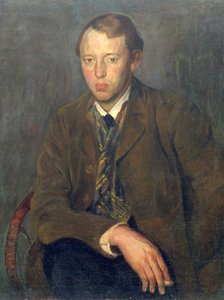
aksel waldemar johannessen
1880 - 1922
Quick Facts
- Artistic Movement Or Style: Expressionism, Realism
- Artists Who Influenced This Artist: ['Edvard Munch']
- Date Of Birth: 1880
- Date Of Death: 1922
- Full Name: Aksel Waldemar Johannessen
- Nationality: Norwegian
- Notable Artworks:
- Card Players
- Washing Hair
- Place Of Birth: Oslo, Norway

