 Preview
 Send
Send Share
Share
 Details

 Download
 Similars
 X-Ray
X-Ray Diaporama
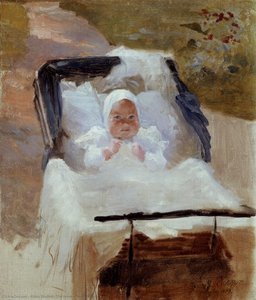
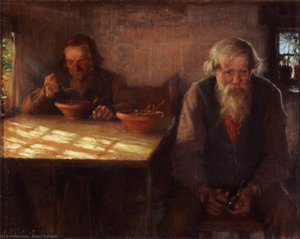
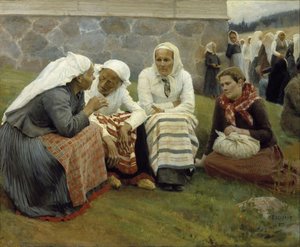
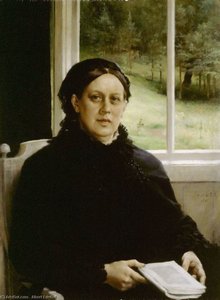
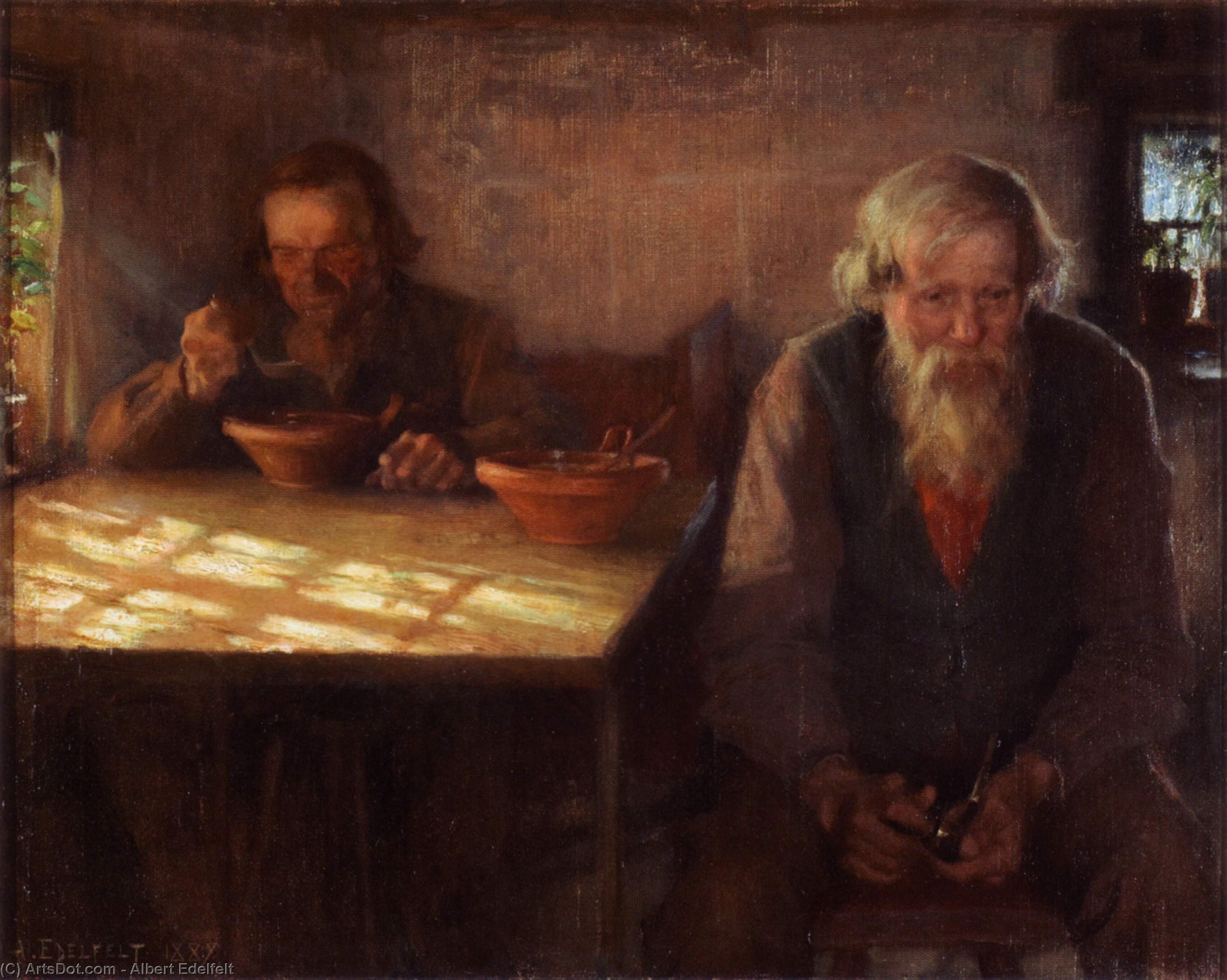
Day of Rest

 Read More
Hand Made Oil Reproduction
Hand-painted oil on canvas in your size and frame, made to order by our artists. ( Buy Print Buy Image)




P118B $10

P118H $10

P118W $10

P438Z $10

P508JH $12

P508YH $12

P805H $10

P805Z $10

P919BZ $10

P919G $10

P919XJ $10

P959ZH $10

P968JZ $12

W106C $8

W218G $10

W218JH $8

W218Y $10

W307PJ $10

W316G $10

W316PJ $8

W316Y $10

W398PJ $8

W4111J $10

W500HY $15

W500JH $15

W692G $12

W849H $8

W940BG $15

W953PJ $8




Pick from our preset sizes that match the artwork's original proportions.

You may enter your own dimensions to fit a specific frame or space. If your selected size does not match the original image's proportions, we will either crop the artwork or extend the painting with additional hand-painted elements. A digital mockup will be sent for your approval before production begins.
Please note that the on-screen preview does not reflect the actual cropping or extension. Only the mockup will accurately show the final composition.
While custom sizes are available, we recommend selecting a dimension from the predefined list to preserve the original proportions.
After order, ArtsDot.com team will email client for instructions and provide a mockup preview
Worldwide Delivery () in 3/4 weeks instead of standard 5 weeks. (16 August). No compromise on quality.

Free Worldwide Express Shipping

High-Quality Linen Canvas

Full Shipping Insurance

Customs Tax Refund Guarantee

True Color Matching Guarantee

60-Day Return Policy (Defects Only)

100% Money-Back Guarantee

Bulk Discount Offer
 Glass option is only available in size under 110 CM

Day of Rest
Reproduction Medium
Reproduction Size
-


Total Price
$ 263
Artwork Description
Albert Edelfelt: A Portrait of Finnish Identity
Albert Gustaf Aristides Edelfelt (21 July 1854 – 18 August 1905) stands as a monumental figure in Finnish art history, recognized for his unwavering commitment to Realism and his masterful depiction of the Finnish landscape and its people. Born in Porvoo, Finland, son of Swedish architect Carl Albert Edelfelt, he inherited an artistic lineage steeped in Scandinavian tradition but swiftly forged his own distinctive path—one that championed observation and honest representation above idealized notions.
Edelfelt’s formative years were spent honing his skills at the Drawing School of the Finnish Art Society, followed by a crucial period studying in Antwerp and Paris. These experiences instilled in him a profound understanding of European artistic currents while simultaneously grounding him in the burgeoning Finnish national consciousness. He embraced Impressionistic techniques—particularly visible in works like “The Eklöf Boys on the Veranda of Villa Sjökulla”—capturing fleeting moments of light and atmosphere with delicate brushstrokes and vibrant color palettes.
Style and Technique: The Essence of Realism
Edelfelt’s artistic philosophy revolved around capturing the essence of Finnish life as it unfolded. Unlike Romantic painters who sought to elevate subjects into heroic narratives, Edelfelt prioritized accuracy—a painstaking attention to detail that rendered everyday scenes with remarkable immediacy. His canvases are characterized by a meticulous layering of paint—often employing glazing techniques—to achieve luminous surfaces and subtle tonal gradations. This approach allowed him to convey not only visual fidelity but also an emotional resonance rooted in genuine observation.
- Glazing Techniques: Edelfelt skillfully applied thin layers of translucent pigment over existing paint, creating depth and luminosity.
- Color Palette: Warm hues—particularly ochres, reds, and yellows—dominated his palette, reflecting the colors of the Finnish countryside and conveying a sense of warmth and tranquility.
- Brushwork: Loose, expressive brushstrokes conveyed movement and texture, capturing the dynamism of Finnish life while maintaining compositional balance.
Historical Context: Finland’s Quest for Independence
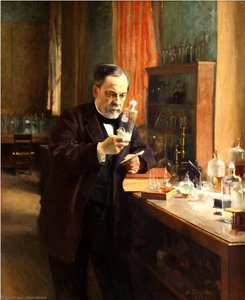
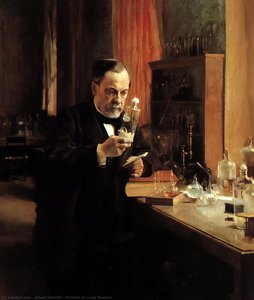
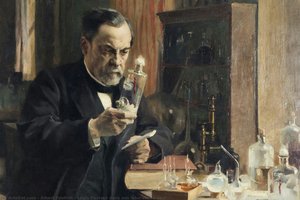
Edelfelt's artistic output coincided with Finland’s tumultuous struggle for independence from Russia—a period marked by fervent nationalist sentiment and a desire to establish a distinct cultural identity. His paintings served as powerful emblems of Finnish heritage, portraying scenes of rural life, maritime traditions, and familial bonds—values that resonated deeply with the aspirations of a nation striving to define itself on the world stage. Works like “Portrait of Louis Pasteur” exemplify Edelfelt’s ability to convey intellectual curiosity alongside artistic skill.
Symbolism and Emotional Impact: Capturing the Soul of Finland
Beyond mere visual representation, Edelfelt's canvases communicated profound emotional truths about Finnish culture and experience. The depiction of children—particularly “The Eklöf Boys”—symbolizes innocence, vitality, and the continuity of tradition—themes that underscore Edelfelt’s belief in the importance of preserving Finland’s cultural heritage. His paintings evoke a sense of nostalgia for simpler times—a yearning for connection to the land and its traditions—leaving viewers with an enduring appreciation for the beauty and resilience of Finnish spirit.
Conclusion: An Enduring Legacy
Albert Edelfelt's legacy extends far beyond his individual masterpieces. He established a standard of excellence that continues to inspire Finnish artists today, cementing his place as the nation’s foremost painter—a testament to his unwavering dedication to Realism and his profound understanding of the human condition. His work remains an invaluable resource for anyone seeking insight into Finnish identity and artistic achievement.
Related Artworks
Artist Biography
early life and education
albert gustaf aristides edelfelt, a renowned finnish painter, was born on july 21, 1854, in porvoo, finland. his parents, carl albert edelfelt and alexandra edelfelt (née brandt), were swedish-speaking finns. edelfelt's early life was marked by an innate passion for art, which led him to pursue formal studies at the drawing school of the finnish art society in 1869.artistic journey
edelfelt's artistic journey took him to various esteemed institutions, including:- antwerp academy of art (1873-74), where he honed his skills in history painting.
- école nationale des beaux-arts in paris (1874-78), under the tutelage of jean-léon gérôme, further refining his craft.
- a brief stint at saint petersburg (1881-82) exposed him to diverse artistic influences.
rise to prominence and notable works
edelfelt's breakthrough came with a gold medal at the paris universal exposition of 1889. his notable works include:- portrait of louis pasteur, which earned him the legion of honour in 1886.
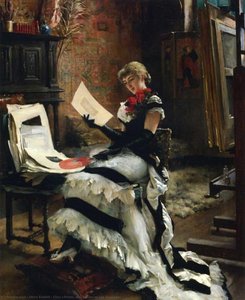
- young woman in her boudoir, showcasing his mastery of capturing the essence of femininity.
- under the birches, a poignant representation of finnish landscapes.
legacy and impact
as one of the first finnish artists to achieve international fame, edelfelt significantly contributed to the realist art movement in finland. his influence extended to younger finnish painters, such as akseli gallen-kallela and gunnar berndtson, whom he assisted in their breakthroughs in paris.museum collections and commemoration
edelfelt's works are featured in various museums, including the ateneumin taidemuseo in helsinki. his legacy was commemorated with a €100 albert edelfelt commemorative coin in 2004, celebrating his 150th birth anniversary. key artworks and museum collections: discover more: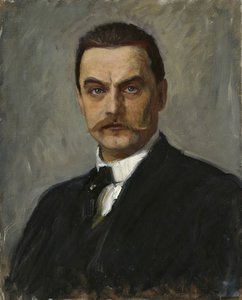
Albert Edelfelt
1854 - 1905 , Finland
Quick Facts
- Artistic Movement Or Style: Realist
- Artists Or Movements Influenced By This Artist:
- Akseli Gallen-Kallela
- Gunnar Berndtson
- Artists Who Influenced This Artist: ['Jean-Léon Gérôme']
- Date Of Birth: July 21, 1854
- Date Of Death: 1905
- Full Name: Albert Gustaf Aristides Edelfelt
- Nationality: Finnish
- Notable Artworks:
- Portrait of Louis Pasteur
- Young woman in her boudoir
- Under the birches
- Girl from Porvoo
- Place Of Birth: Porvoo, Finland
Related Articles
Albert Edelfelt: A Pioneer of Finnish Realism & International Impressionist Circles
Explore the life & work of Albert Edelfelt, a pioneering Finnish Realist painter who bridged Impressionism & national identity. Discover his masterpieces and lasting influence on art history.
Romantic Realism's Finest: 10 Masterpieces for Your Home | ArtsDot
Explore 10 defining masterpieces of Romantic Realism! Discover Courbet, Millet & Daumier's powerful paintings—capturing emotion and social realities. Find museum-quality reproductions for your home at ArtsDot.com.

Echoes of Society: Exploring Social Realism's Enduring Legacy in Art
Explore the powerful world of Social Realism art! Discover key artists, masterpieces & its profound social commentary. Expert insights into this influential movement's history and enduring legacy.

Echoes of the Azure Coast: Art Selection Strategies for Mediterranean Villa Interiors – Harmonizing Space, Light, and Legacy
Discover art selection strategies for stunning Mediterranean villa interiors. Expert guidance on harmonizing space, light & legacy. Elevate your home with timeless elegance – curated collections & bespoke solutions.
The Poetic Truth of Observation: Exploring 19th-Century Realism in Painting
Explore the captivating world of 19th-century Realism! Discover key artists like Courbet & Millet, masterpieces, and the powerful social commentary behind this influential art movement. Expert insights at ArtsDot.