 Preview
 Send
Send Share
Share
 Details

 Download
 Similars
 X-Ray
X-Ray Diaporama
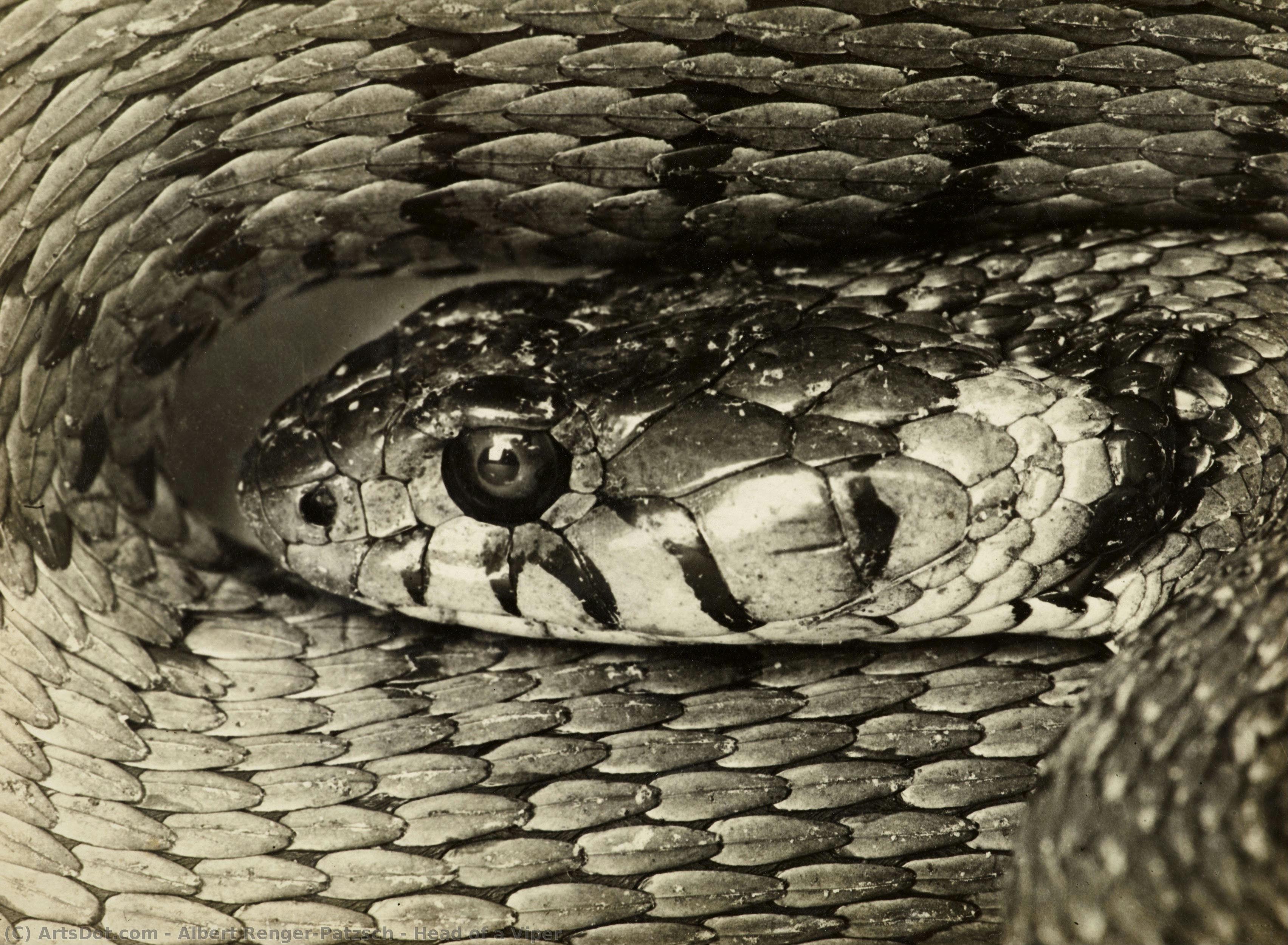
Head of a Viper


 Read More
Giclée / Art Print
Museum-quality giclée or canvas print with fast production and flexible finish options. ( Buy Hand Made Painting Buy Image)




P118B $10

P118H $10

P118W $10

P438Z $10

P508JH $12

P508YH $12

P805H $10

P805Z $10

P919BZ $10

P919G $10

P919XJ $10

P959ZH $10

P968JZ $12

W106C $8

W218G $10

W218JH $8

W218Y $10

W307PJ $10

W316G $10

W316PJ $8

W316Y $10

W398PJ $8

W4111J $10

W500HY $15

W500JH $15

W692G $12

W849H $8

W940BG $15

W953PJ $8




Pick from our preset sizes that match the artwork's original proportions.

You may enter your own dimensions to fit a specific frame or space. If your selected size does not match the original image's proportions, we will either crop the artwork or extend the image with a mirrored or solid-fill edge. A digital mockup will be sent for your approval before production begins.
Please note that the on-screen preview does not reflect the actual cropping or extension. Only the mockup will accurately show the final composition.
While custom sizes are available, we recommend selecting a dimension from the predefined list to preserve the original proportions.
Worldwide Delivery () in 2 weeks instead of standard 4/5 weeks. (22 August)

Free Worldwide Express Shipping

High-Quality Linen Canvas

Full Shipping Insurance

Customs Tax Refund Guarantee

True Color Matching Guarantee

60-Day Return Policy (Defects Only)

100% Money-Back Guarantee

Bulk Discount Offer
 Glass option is only available in size under 110 CM

Head of a Viper
Giclée / Art Print
Reproduction Size
-


Total Price
$ 63
Collectible Description
A Study in Texture and Minimalism: Examining Albert Renger-Patzsch’s “Head of a Viper”
Albert Renger-Patzsch's "Head of a Viper," created in 1927, stands as a cornerstone of German Neue Sachlichkeit—New Objectivity—a movement that profoundly reshaped the landscape of photographic art during the Weimar Republic. This deceptively simple image transcends its apparent stillness, offering a complex meditation on form, texture, and the inherent beauty found within the natural world. Captured in gelatin silver print, the photograph’s monochrome palette amplifies the starkness of its subject matter—a grass snake’s head—drawing viewers into an intimate encounter with organic detail.- Subject Matter: The artwork focuses on a single snake's head, meticulously rendered against a plain white background. This deliberate choice prioritizes the textural qualities of the reptile’s skin and scales over any narrative or contextual embellishments.
- Style & Technique: Renger-Patzsch championed a rigorously objective approach, rejecting Impressionistic tendencies toward atmospheric haze and prioritizing precise documentation. The photograph exemplifies this commitment to clarity and accuracy, achieved through careful lighting and framing—essential elements of Neue Sachlichkeit’s aesthetic philosophy.
Related Artworks





Artist Biography
John Berninger: A Pioneer of American Realism
Born in Allentown, Pennsylvania, in 1897, John Berninger’s artistic journey began remarkably early, with his first paintings emerging in his late teens. While many artists find their voice later in life, Berninger dedicated himself to the craft from a young age, establishing a foundation of meticulous observation and technical skill that would define his distinctive style. His career unfolded primarily during the interwar period and beyond, a time marked by both artistic experimentation and a deep-seated desire to capture the essence of American life with unflinching realism.
Berninger’s early influences were rooted in the burgeoning realist movement within American art. He was particularly drawn to the works of artists who sought to depict everyday subjects – rural landscapes, working-class individuals, and scenes of domesticity – with a directness and honesty rarely seen before. This commitment to portraying the tangible world around him would become a hallmark of his oeuvre. His training at the Pennsylvania Academy of the Fine Arts and the Art Institute of Chicago provided him with invaluable technical skills and exposure to diverse artistic traditions, though he ultimately forged his own unique path, prioritizing observation and detail above all else.
A key element in Berninger’s work is his painstaking attention to detail. He wasn't interested in romanticizing or idealizing; instead, he meticulously rendered the textures of clothing, the wear on furniture, and the subtle nuances of human expression. This commitment to realism extended beyond mere representation – it was a way of engaging with the subject matter on a deeply personal level. His paintings often possess a quiet dignity, reflecting a respect for his subjects and a desire to capture their stories.
The Influence of Ivan Albright and the Rise of Neue Sachlichkeit
Berninger’s artistic development coincided with the rise of several significant movements in European art, most notably *Neue Sachlichkeit* (New Objectivity) in Germany. This movement, characterized by its stark realism, unflinching portrayal of social issues, and rejection of emotionalism, exerted a considerable influence on American artists like Berninger. The emphasis on precise observation and the willingness to confront difficult realities resonated deeply with his own artistic sensibilities.
While Berninger’s work doesn't neatly align with the rigid tenets of *Neue Sachlichkeit*, there are clear parallels in his approach to depicting the human form, particularly in portraits. Like Ivan Albright, a prominent figure within this movement, Berninger possessed an extraordinary ability to render the subtle complexities of aging and decay. His paintings often feature figures that seem both familiar and unsettling, inviting viewers to contemplate the passage of time and the inevitability of mortality. The meticulous detail he applied to capturing wrinkles, sagging skin, and the weariness in a subject’s eyes speaks volumes about his artistic vision.
Furthermore, Berninger's work shares similarities with the American realist painters who preceded him, such as George Caleb Bingham and Winslow Homer. He inherited their tradition of depicting scenes from everyday life, but he infused it with a distinctly modern sensibility – a keen awareness of social change and a willingness to challenge conventional notions of beauty.
Key Works and Artistic Evolution
Throughout his career, Berninger produced a substantial body of work that reflects the evolving artistic landscape of the 20th century. His early paintings often focused on rural landscapes and portraits of farmers and their families, capturing the spirit of American agriculture with remarkable accuracy. As he matured as an artist, his subject matter broadened to include urban scenes, industrial workers, and glimpses into the lives of ordinary people.
One particularly notable example of Berninger’s artistic evolution is his series of portraits depicting elderly individuals. These paintings are not merely representations of age; they are profound meditations on memory, loss, and the enduring power of the human spirit. His meticulous rendering of wrinkles, scars, and other signs of aging transforms these subjects into compelling figures of wisdom and resilience.
Berninger’s later works often explored themes of loneliness, isolation, and the challenges of navigating a rapidly changing world. His paintings are imbued with a sense of melancholy, yet they also possess an underlying dignity and quiet strength. His ability to capture these complex emotions through his distinctive style solidified his place as one of America's most important realist painters.
Legacy and Historical Significance
John Berninger’s legacy extends beyond the individual paintings he created. He played a crucial role in shaping the course of American realism, demonstrating the power of observation and detail to convey profound truths about human experience. His commitment to portraying the lives of ordinary people with honesty and respect helped to elevate realism as a legitimate form of artistic expression.
While his work may not always be widely recognized, Berninger’s paintings continue to resonate with viewers today. His meticulous technique, evocative imagery, and profound insights into the human condition ensure that his legacy will endure for generations to come. He stands as a testament to the enduring power of realism – a genre that continues to challenge and inspire artists around the world.
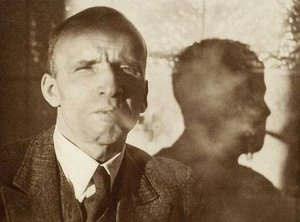
albert renger-patzsch
1897 - 1966 , Germany
Quick Facts
- Artistic Movement Or Style: Realism
- Artists Or Movements Influenced By This Artist: [None]
- Artists Who Influenced This Artist: [None]
- Date Of Birth: 1897
- Full Name: John Berninger
- Nationality: American
- Notable Artworks: [None]
- Place Of Birth: Allentown, Pennsylvania
Related Articles

Beyond the Lens: Photography's Enduring Influence on Modern & Contemporary Art
Explore photography's pivotal role in shaping modern & contemporary art. Discover key movements, influential artists like Stieglitz, and expert collecting advice from ArtsDot.
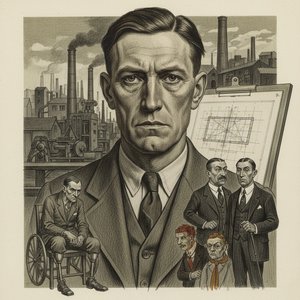
Neue Sachlichkeit: Objectivity, Realism & Social Commentary in Interwar German Art
Explore Neue Sachlichkeit – the pivotal German art movement critiquing Weimar society with unflinching realism. Discover key artists like Dix & Grosz, its historical context, and collecting insights for discerning investors.

Monochrome Visions: Exploring the Aesthetic & Historical Significance of Black & White Photography
Explore the rich history & artistic power of black and white photography. From early techniques to iconic masters like Ansel Adams, discover why monochrome continues to captivate art lovers today. Expert insights for collectors.

Pictorialism: A Search for Artistic Photography's Soul – Aesthetics, Techniques & Legacy
Explore the captivating world of Pictorialism – a pivotal movement that transformed photography into fine art. Discover key artists like Stieglitz & Käsebier, techniques, and collecting tips from experts.

Witnessing History Through Lens & Light: Documentary Photography's Enduring Legacy
Explore the powerful history of documentary photography – from its origins to contemporary masters like Gordon Parks & W. Eugene Smith. Discover how this art form shapes our understanding of society and witness pivotal moments in time.