 Preview
 Send
Send Share
Share
 Details

 Download
 Similars
 X-Ray
X-Ray Diaporama
The Raising of Lazarus
 Acrylic On Canvas
- WallArt
- Early Netherlandish Painting
 1455
1455 122.0 x 92.0 cm
 Staatliche Museen
 Read More
Hand Made Oil Reproduction
Hand-painted oil on canvas in your size and frame, made to order by our artists. ( Buy Print Buy Image)




P118B $10

P118H $10

P118W $10

P438Z $10

P508JH $12

P508YH $12

P805H $10

P805Z $10

P919BZ $10

P919G $10

P919XJ $10

P959ZH $10

P968JZ $12

W106C $8

W218G $10

W218JH $8

W218Y $10

W307PJ $10

W316G $10

W316PJ $8

W316Y $10

W398PJ $8

W4111J $10

W500HY $15

W500JH $15

W692G $12

W849H $8

W940BG $15

W953PJ $8




Pick from our preset sizes that match the artwork's original proportions.

You may enter your own dimensions to fit a specific frame or space. If your selected size does not match the original image's proportions, we will either crop the artwork or extend the painting with additional hand-painted elements. A digital mockup will be sent for your approval before production begins.
Please note that the on-screen preview does not reflect the actual cropping or extension. Only the mockup will accurately show the final composition.
While custom sizes are available, we recommend selecting a dimension from the predefined list to preserve the original proportions.
After order, ArtsDot.com team will email client for instructions and provide a mockup preview
Worldwide Delivery () in 3/4 weeks instead of standard 5 weeks. (16 August). No compromise on quality.

Free Worldwide Express Shipping

High-Quality Linen Canvas

Full Shipping Insurance

Customs Tax Refund Guarantee

True Color Matching Guarantee

60-Day Return Policy (Defects Only)

100% Money-Back Guarantee

Bulk Discount Offer
 Glass option is only available in size under 110 CM

The Raising of Lazarus
Reproduction Medium
Reproduction Size
-


Total Price
$ 263
Artwork Description
A Pioneer's Vision: Exploring Albert van Ouwater’s “The Raising of Lazarus”
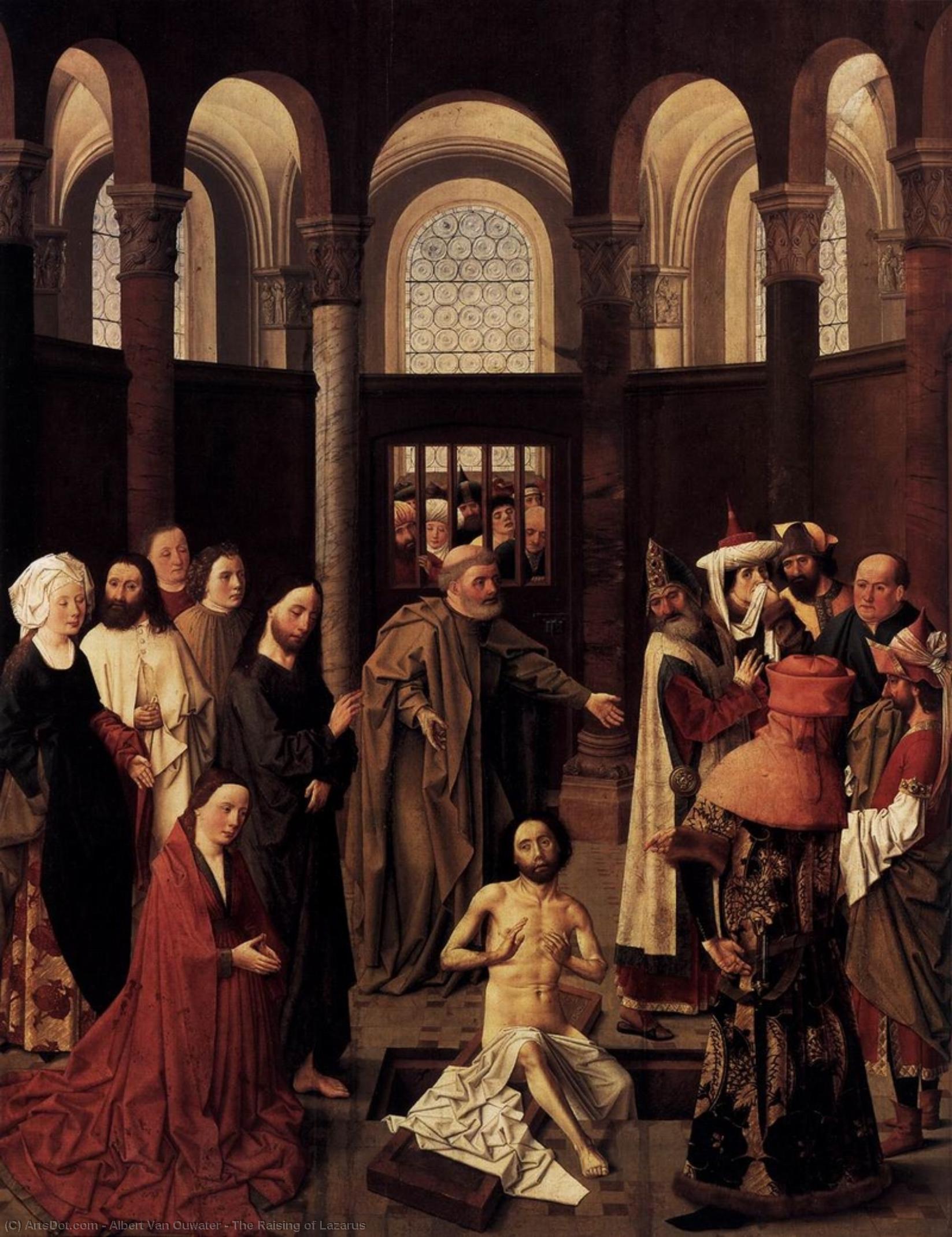
Albert van Ouwater stands as an enigmatic figure in the annals of early Netherlandish painting, a beacon of innovation amidst a landscape dominated by Flemish artistic sensibilities. Born around 1415 in Oudewater, Netherlands, his life remains largely undocumented beyond the testament of his remarkable oeuvre—a singular collection of artworks that speaks volumes about his artistic vision and contribution to the burgeoning movement reshaping Northern Europe. This essay delves into “The Raising of Lazarus,” Ouwater’s sole surviving panel painting, examining its stylistic nuances, technical prowess, historical significance, and enduring emotional resonance.Stylistic Considerations: Bridging Realism and Mysticism
Ouwater distinguishes himself from his contemporaries in Flanders by prioritizing a meticulous realism tempered with subtle hints of northern mysticism—a characteristic that would become synonymous with the “Prächtigkeit Stil,” or Splendor Style. Unlike the opulent grandeur favored by Flemish masters, Ouwater’s palette is restrained yet luminous, utilizing earthy tones punctuated by vibrant reds and blues to depict the biblical scene with palpable immediacy. The composition itself reflects this duality; it adheres to classical principles of perspective and balance—a hallmark of Renaissance influence—yet simultaneously imbues the viewer with a sense of spiritual contemplation. This careful orchestration underscores Ouwater’s ambition to capture not merely what is seen but also what is felt, aligning him squarely within the evolving artistic discourse of his time.Technical Mastery: Detail and Texture
“The Raising of Lazarus” exemplifies Ouwater's exceptional technical skill. Executed in tempera on oak panel—a technique prevalent throughout Northern Europe during this period—the painting demonstrates a remarkable level of detail and textural complexity. The artist painstakingly renders the folds of Lazarus’s robe, capturing the subtle nuances of light and shadow to convey the physicality of the resurrected man. Furthermore, Ouwater skillfully employs glazing techniques—applying thin layers of translucent pigment over underlying colors—to achieve depth and luminosity, creating an illusionistic space that transcends mere representation. This meticulous approach speaks to Ouwater's dedication to mastering his craft and elevating painting beyond a decorative surface into a vehicle for conveying profound spiritual truths.Historical Context: The Dawn of Northern Renaissance
Painted circa 1455, “The Raising of Lazarus” occupies a pivotal position in the nascent Northern Renaissance. It represents one of the earliest examples of this stylistic movement—characterized by an increasing interest in humanist ideals and a renewed engagement with classical art—to emerge outside of Flanders. The painting’s subject matter—the miraculous resurrection of Jesus—resonates deeply within Christian iconography, reflecting the prevailing religious fervor of the era. However, Ouwater's artistic choices transcend mere devotional piety; they embody a broader intellectual curiosity and an aspiration to depict human experience with unprecedented psychological depth—a hallmark of the burgeoning Renaissance spirit.Symbolism: Hope Amidst Darkness
The painting’s symbolism is equally compelling. The central figure of Jesus dominates the composition, radiating divine compassion and authority. Lazarus himself embodies resurrection—the triumph over death—representing spiritual renewal and faith's unwavering belief in redemption. The surrounding figures—including Nicodemus and Mary Magdalene—represent humility and devotion, mirroring the importance of piety within Christian theology. Moreover, the large window behind Jesus serves as a visual metaphor for divine illumination, symbolizing God’s grace penetrating into human darkness. These carefully chosen elements contribute to the painting's overarching message: that even in moments of despair, hope persists—a timeless theme explored with remarkable sensitivity by Ouwater.Emotional Impact: A Moment Frozen in Time
“The Raising of Lazarus” continues to captivate viewers centuries after its creation due to its profound emotional impact. The artist’s masterful depiction of human emotion—particularly Jesus's gaze and Lazarus’s gesture—evokes a visceral response, transporting the viewer back to the scene depicted. The painting’s luminous colors and intricate textures heighten our sensory experience, fostering a feeling of immersion within the biblical narrative. Ultimately, Ouwater succeeds in capturing not just the visual spectacle but also the spiritual essence of this transformative event—a testament to his artistic genius and enduring legacy as one of the pioneers of Northern Renaissance art.Related Artworks
Artist Biography
a pioneer of early netherlandish painting
albert van ouwater, a pivotal figure in the early stages of netherlandish painting, remains shrouded in mystery. born in oudewater, netherlands, around 1415, van ouwater's life is more inferred from his works than direct biographical accounts.early netherlandish painting and its significance
van ouwater was one of the first artists to contribute to the burgeoning early netherlandish painting movement in the northern netherlands, distinguishing himself from his contemporaries in flanders. his work is characterized by a unique blend of realism and early hints of northern mysticism.notable works and their significance
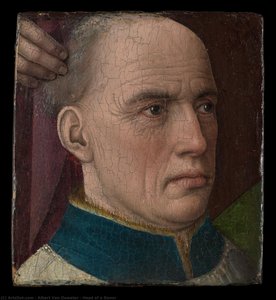
- resurrection of lazarus, now housed in the staatliche museen in berlin, showcases van ouwater's mastery of composition and his ability to evoke emotions through his art. - a small, fragmentary head of a donor in the metropolitan museum of art in new york is often attributed to van ouwater, though its attribution is not universally accepted.influence and legacy
van ouwater's influence on the haarlem school of painting is well-documented. he is believed to have been a contemporary of dirk bouts in mid-15th-century haarlem, with geertgen tot sint jans possibly being his pupil.further exploration at ArtsDot.com
- to delve deeper into van ouwater's works and the early netherlandish painting movement, visit [https://ArtsDot.com/@/albert-van-ouwater](https://ArtsDot.com/@/albert-van-ouwater). - explore other artists from this period at /en/art/list/- discover the memling museum - sint jans hospital in bruges, belgium, and its collection at [https://ArtsDot.com/@@/a@d3cg2b-the-memling-museum-sint-jans-hospital-bruges-belgium](https://ArtsDot.com/@@/a@d3cg2b-the-memling-museum-sint-jans-hospital-bruges-belgium).
- learn more about the stedelijk museum amsterdam, a haven for modern and contemporary art, at [https://ArtsDot.com/@@/a@d3bc7b-the-stedelijk-museum-amsterdam-a-haven-for-modern-and-contemporary-art](https://ArtsDot.com/@@/a@d3bc7b-the-stedelijk-museum-amsterdam-a-haven-for-modern-and-contemporary-art).
- notable works: resurrection of lazarus, head of a donor
- museums featuring his work: staatliche museen in berlin, metropolitan museum of art in new york
- art movement: early netherlandish painting
conclusion
albert van ouwater's enigmatic life is a testament to the enduring legacy of his art. through his works, we glimpse the early stages of netherlandish painting and its profound influence on subsequent artistic movements.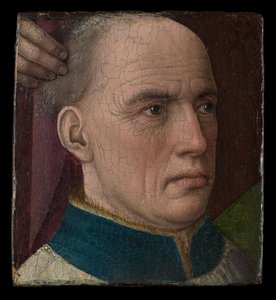
Albert van Ouwater
1415 - 1475 , Netherlands
Quick Facts
- Artistic Movement Or Style: Early Netherlandish Painting
- Artists Or Movements Influenced By This Artist: ['Haarlem School']
- Artists Who Influenced This Artist:
- Dirk Bouts
- Jan van Eyck
- Date Of Birth: c. 1415
- Date Of Death: 1475
- Full Name: Albert van Ouwater
- Nationality: Dutch
- Notable Artworks:
- Resurrection of Lazarus
- Head of a Donor
- Place Of Birth: Oude Woerden, Netherlands
Related Articles
Van Gogh's Masterpieces: Explore 25 Iconic Paintings & Art for Your Home
Journey through Vincent van Gogh's 25 most iconic paintings! Explore 'Starry Night', 'Sunflowers,' and more—discover the stories, techniques & emotions behind these Post-Impressionist masterpieces. Find museum-quality art reproductions for your home at ArtsDot.com.

Early Netherlandish Masters: 10 Paintings That Revolutionized Art & Decor
Journey into the world of Early Netherlandish painting! Explore 10 masterpieces by Jan van Eyck, Rogier van der Weyden & more. Discover stunning detail, symbolism & Renaissance art for your home decor. Find museum-quality reproductions on ArtsDot.com
Early Netherlandish Masters: 10 Paintings That Revolutionized Art & Decor
Journey into the Early Netherlandish Renaissance! Explore 10 iconic paintings by Jan van Eyck, Rogier van der Weyden & more. Discover stunning detail, symbolism, and oil painting techniques. Find museum-quality art reproductions for your home at ArtsDot.com.

Rembrandt's Masterpieces: Explore 25 Iconic Paintings & Prints | ArtsDot
Journey through Rembrandt van Rijn's 25 most iconic paintings & etchings. Explore Dutch Golden Age masterpieces, dramatic chiaroscuro, and timeless portraits. Find museum-quality art reproductions to elevate your home decor on ArtsDot.com.
Hugo van der Goes: Devotion, Innovation & the Psychological Depth of Early Netherlandish Painting
Explore the revolutionary art of Hugo van der Goes – a master of Early Netherlandish painting renowned for his dramatic realism, psychological depth & profound influence on Renaissance artists. Discover his iconic works and lasting legacy.