 Preview
 Send
Send Share
Share
 Details

 Download
 Similars
 X-Ray
X-Ray Diaporama
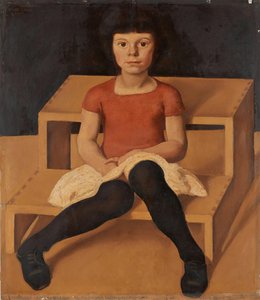
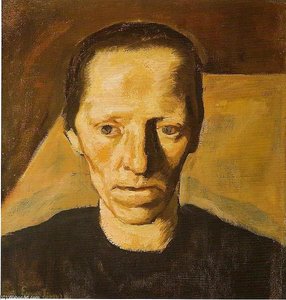
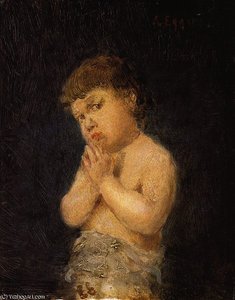
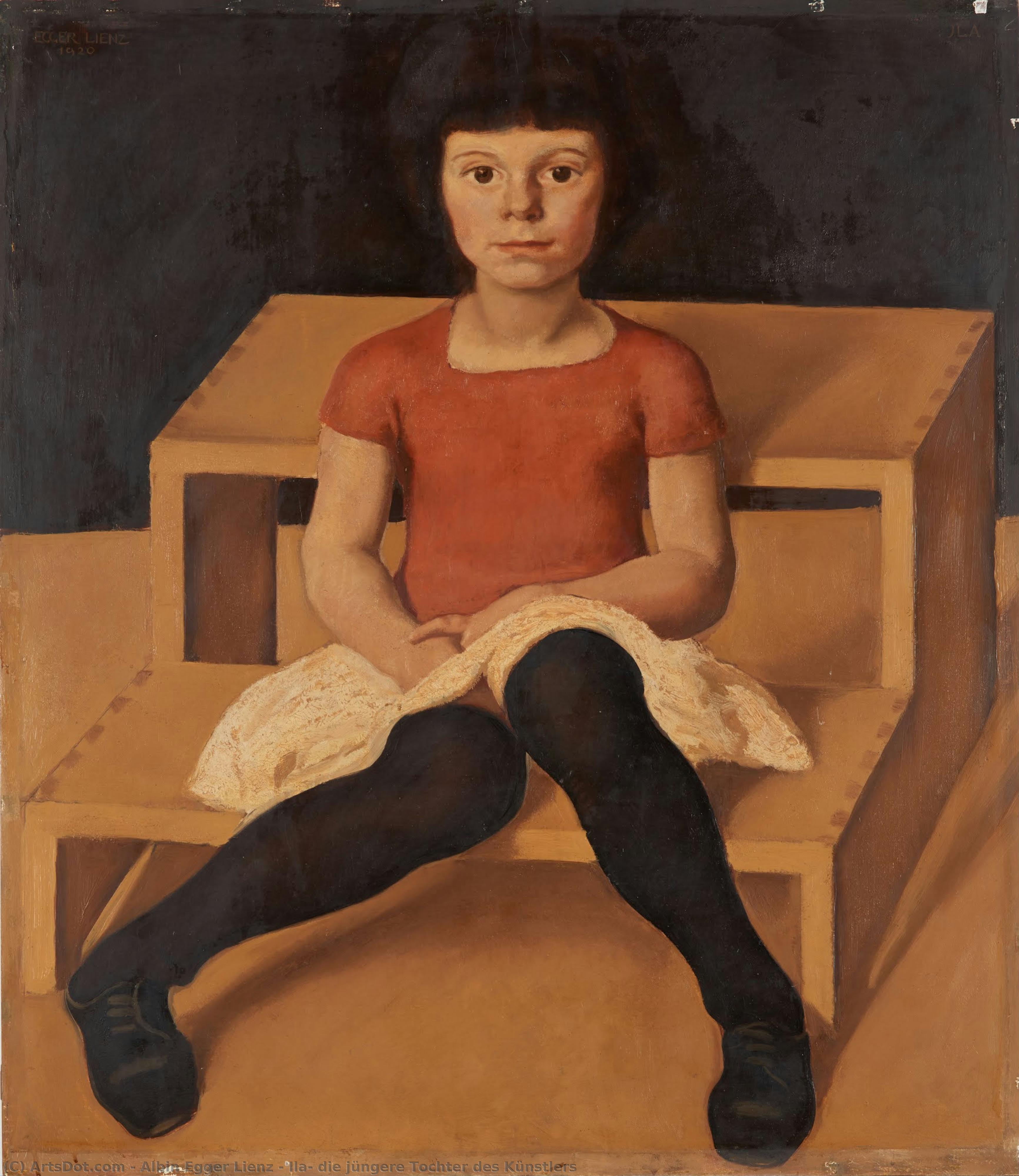
Ila, die jüngere Tochter des Künstlers
 Acrylic On Canvas
- WallArt
- Expressionist realism
 1920
1920- 19th Century
 82.0 x 72.0 cm
 Lentos Kunstmuseum Linz
 Read More
Hand Made Oil Reproduction
Hand-painted oil on canvas in your size and frame, made to order by our artists. ( Buy Print Buy Image)




P118B $10

P118H $10

P118W $10

P438Z $10

P508JH $12

P508YH $12

P805H $10

P805Z $10

P919BZ $10

P919G $10

P919XJ $10

P959ZH $10

P968JZ $12

W106C $8

W218G $10

W218JH $8

W218Y $10

W307PJ $10

W316G $10

W316PJ $8

W316Y $10

W398PJ $8

W4111J $10

W500HY $15

W500JH $15

W692G $12

W849H $8

W940BG $15

W953PJ $8




Pick from our preset sizes that match the artwork's original proportions.

You may enter your own dimensions to fit a specific frame or space. If your selected size does not match the original image's proportions, we will either crop the artwork or extend the painting with additional hand-painted elements. A digital mockup will be sent for your approval before production begins.
Please note that the on-screen preview does not reflect the actual cropping or extension. Only the mockup will accurately show the final composition.
While custom sizes are available, we recommend selecting a dimension from the predefined list to preserve the original proportions.
After order, ArtsDot.com team will email client for instructions and provide a mockup preview
Worldwide Delivery () in 3/4 weeks instead of standard 5 weeks. (17 August). No compromise on quality.

Free Worldwide Express Shipping

High-Quality Linen Canvas

Full Shipping Insurance

Customs Tax Refund Guarantee

True Color Matching Guarantee

60-Day Return Policy (Defects Only)

100% Money-Back Guarantee

Bulk Discount Offer
 Glass option is only available in size under 110 CM

Ila, die jüngere Tochter des Künstlers
Reproduction Medium
Reproduction Size
-


Total Price
$ 263
Artwork Description
Albin Egger-Lienz's *Ila, die jüngere Tochter des Künstlers* – A Portrait of Tyrolean Innocence
This arresting painting, titled *Ila, die jüngere Tochter des Künstlers* (Ila, the Younger Daughter of the Artist), offers a poignant glimpse into the life and artistic sensibilities of Albin Egger-Lienz, a pivotal figure in early 20th-century Austrian art. Executed in 1920, this intimate portrait captures a young girl – Ila – seated with an almost unsettling stillness on a simple wooden chair. The scene, rendered in muted earth tones and punctuated by the vibrant red of her shirt, immediately draws the viewer into a world both familiar and subtly unnerving.
- Subject Matter: The painting’s subject is deceptively straightforward – a young girl. However, Egger-Lienz elevates this commonplace scene through his deliberate composition and expressive handling of form.
- Style & Technique: Egger-Lienz's style evolved significantly throughout his career, influenced by movements like the Vienna Secession. In *Ila*, we see a transitional phase, retaining elements of realism while foreshadowing the monumental expressiveness championed by Ferdinand Hodler, who profoundly impacted his approach to depicting figures within dramatic, stage-like settings. The brushwork is loose and textured, contributing to a sense of immediacy and emotional depth.
The Artist's Roots: Tyrolean Identity and Early Influences
Born in 1868 in Dölsach-Stribach near Lienz, Tyrol, Albin Egger-Lienz’s artistic journey was inextricably linked to his regional identity. His father, a church painter, provided the initial training that shaped his early work, which predominantly focused on scenes of peasant life and historical events – notably, the Tyrolean Rebellion of 1809. This engagement with local history and folklore is evident in the painting’s quiet dignity and the girl's direct gaze. The influence of Franz Defregger and Jean-François Millet, masters of depicting rural life with a humanist perspective, can also be discerned in Egger-Lienz’s early oeuvre.
Symbolism and Emotional Resonance
*Ila* transcends a simple portrait; it embodies a complex interplay of symbolism. The girl's posture – seated with crossed legs – suggests both vulnerability and quiet strength. Her gaze, direct and unwavering, invites the viewer into her world, prompting questions about innocence, memory, and perhaps even a subtle sense of foreboding. The presence of the other chairs in the background creates a spatial ambiguity, adding to the painting’s unsettling atmosphere. The muted color palette reinforces this feeling, evoking a timeless quality that resonates with viewers across generations.
Historical Context & Legacy
Painted in 1920, *Ila* reflects a period of significant artistic and social change in Austria. Egger-Lienz’s membership in the Vienna Secession signaled his embrace of modernism and his willingness to challenge traditional artistic conventions. His work, often characterized by its raw emotional intensity and unflinching portrayal of human experience, cemented his place as one of the most important artists of the early 20th century. This reproduction offers a unique opportunity to own a piece of art history, capturing the essence of Egger-Lienz’s vision and the enduring power of his artistic legacy.
Related Artworks
Artist Biography
Albin Egger-Lienz: Life and Legacy
Early Life and Training
- Born: January 29, 1868, in Dölsach-Stribach near Lienz, Tyrol, Austria.
- Parentage: He was the natural son of Maria Trojer, a peasant girl, and Georg Egger, a church painter. He later adopted his father’s surname combined with his birthplace.
- His initial artistic education came from his father, laying the foundation for his future career.
- He continued his studies at the Academy in Munich, where he was profoundly influenced by artists like Franz Defregger and Jean-François Millet.
Artistic Development and Influences
- Egger-Lienz’s early works focused on scenes of peasant life and historical events, particularly the Tyrolean Rebellion of 1809.
- Key Influence: The artist Ferdinand Hodler significantly impacted Egger-Lienz's style, leading to a monumental expressiveness characterized by heroic figures in stage-like spaces.
- He joined the Vienna Secession in 1909, further solidifying his position within the Austrian art scene.
- His artistic language evolved towards strongly outlined, massive forms painted with an almost monochromatic palette of earth colors.
Major Works and Achievements
- Notable Paintings: Some of his most renowned works include “Der Totentanz von anno neun” (1906-1908), “Almlandschaft im Ötztal” (1911), and “Den Namenlosen” (1916).
- He participated in the Universal Exhibition in Paris in 1900, receiving a bronze medal for his painting "Feldsegen."
- During World War I, he served as a war painter on the southern Austrian front.
- His later works often incorporated religious themes alongside scenes of peasant life, such as “Christ’s Resurrection.”
Historical Significance and Legacy
- Unique Style: Egger-Lienz blended elements of Expressionism with traditional Austrian art, creating a distinctive style that set him apart from his contemporaries.
- His work often explored themes of heroism, sacrifice, and the connection between humanity and nature.
- He declined multiple professorships at prestigious academies, preferring to maintain artistic independence.
- Lasting Impact: His paintings continue to be celebrated for their emotional power and monumental scale, representing a significant contribution to Austrian art history.
Final Years and Death
- Egger-Lienz spent his final years painting frescoes for the Memorial Chapel of the Fallen in War in Lienz.
- Death: He passed away on November 4, 1926, in St. Justina-Rentsch, Bozen/Bolzano, South Tyrol/Alto Adige, Italy, leaving behind a rich artistic legacy.
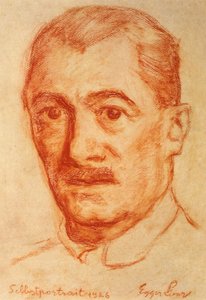
albin egger lienz
1868 - 1926 , Austria
Quick Facts
- Birth Date: January 29, 1868
- Birth Place: Dölsach, Austria
- Death Date: November 4, 1926
- Influenced By: Ferdinand Hodler, Franz Defregger, Jean-François Millet
- Movement: Expressionism
- Name: Albin Egger-Lienz
- Nationality: Austrian
- Notable Works:
- Der Totentanz von anno neun
- Almlandschaft im Ötztal
- Den Namenlosen
Related Articles

Giclée Prints: Archival Quality & Aesthetic Nuances for the Discerning Collector
Explore the world of giclée prints with ArtsDot. Learn about archival quality, aesthetic nuances & investment potential. Expert guidance for discerning art collectors seeking museum-quality reproductions and lasting value.

The Enduring Legacy of Fine Art Prints: Technique, History & Aesthetic Impact
Explore the rich history & techniques of fine art prints. Discover investment potential, assess authenticity, and learn how to preserve your collection with expert guidance. Trusted insights for discerning collectors.

Crimson Threads of Narrative: Exploring Symbolism & Representation in Artworks Featuring the Red Dress
Explore the rich symbolism of the red dress in art history! From ancient power displays to iconic portraits like Cézanne’s 'Madame Cezanne', discover the cultural and artistic significance behind this captivating color. Expert analysis & insights.

Echoes of Time: Exploring the Enduring Appeal & Historical Context of Vintage Art Prints
Explore the captivating world of vintage art prints! Discover their history, collecting tips & enduring appeal. Expert insights on chromolithography and building a legacy collection with ArtsDot.
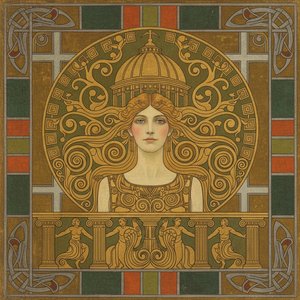
The Vienna Secession: A Rebellion of Form & Spirit in Fin-de-Siècle Art
Discover the revolutionary Vienna Secession art movement! Explore Klimt, Olbrich & more. Learn about its history, characteristics & lasting influence on modern art. High-quality reproductions available.