 Send
Send Share
Share
 Details

 Download
 Similars
 Diaporama
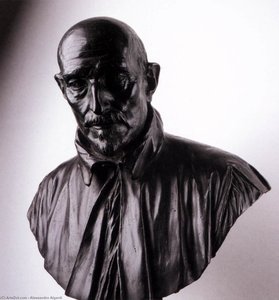
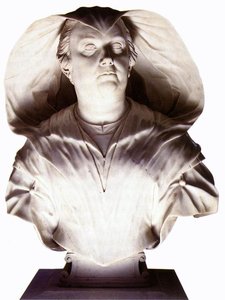
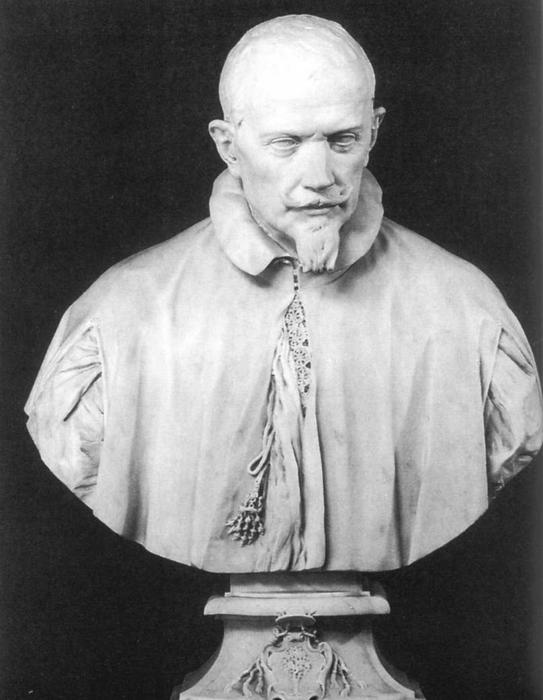
Bust of Monsignor Antonio Cerri


 Read More
Hand Made Oil Reproduction
Hand-painted oil on canvas in your size and frame, made to order by our artists. ( Buy Print Buy Image)




































Pick from our preset sizes that match the artwork's original proportions.

You may enter your own dimensions to fit a specific frame or space. If your selected size does not match the original image's proportions, we will either crop the artwork or extend the painting with additional hand-painted elements. A digital mockup will be sent for your approval before production begins.
Please note that the on-screen preview does not reflect the actual cropping or extension. Only the mockup will accurately show the final composition.
While custom sizes are available, we recommend selecting a dimension from the predefined list to preserve the original proportions.
After order, ArtsDot.com team will email client for instructions and provide a mockup preview
Worldwide Delivery () in 3/4 weeks instead of standard 5 weeks. (17 August). No compromise on quality.

Free Worldwide Express Shipping

High-Quality Linen Canvas

Full Shipping Insurance

Customs Tax Refund Guarantee

True Color Matching Guarantee

60-Day Return Policy (Defects Only)

100% Money-Back Guarantee

Bulk Discount Offer
 Glass option is only available in size under 110 CM

Bust of Monsignor Antonio Cerri
Reproduction Medium
Reproduction Size
-


Total Price
$ 263
Artwork Description
The Serene Authority of Monsignor Cerri: A Baroque Masterpiece by Alessandro Algardi
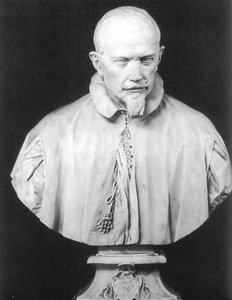
Alessandro Algardi’s “Bust of Monsignor Antonio Cerri,” crafted in exquisite marble around 1637, stands as a testament to the sculptor's mastery of capturing both dignified presence and subtle emotional depth within the confines of classical form. More than simply a portrait, this work embodies the restrained elegance that defined Algardi’s distinctive style—a deliberate counterpoint to the flamboyant theatricality often associated with his contemporary, Gian Lorenzo Bernini. The sculpture offers a profound glimpse into the sensibilities of 17th-century Rome and the evolving role of religious figures within the city's artistic landscape.
The piece immediately draws the eye with its monochromatic palette—a carefully orchestrated range of grays that emphasizes the texture and luminosity of the marble itself. Algardi’s technique is remarkably sensitive, utilizing subtle gradations of tone to sculpt the contours of Cerri’s face, beard, and meticulously draped garments. The strong lines defining these features are expertly balanced by softer curves, particularly in the neck and shoulders, creating a harmonious blend of realism and idealized beauty. Note the deliberate downward tilt of the head; this gesture subtly suggests contemplation or perhaps even a quiet authority, hinting at the Monsignor’s role as a spiritual guide.
A Study in Baroque Restraint: Technique and Composition
Algardi's approach to portraiture is markedly different from Bernini’s. Where Bernini sought dramatic movement and an almost theatrical engagement with the viewer, Algardi favored a more understated elegance—a focus on capturing presence through minute attention to physiognomy. This sculpture seems aloof, reflecting its intended function as part of a funerary monument where meditation and piety were paramount. The subtractive sculpting technique – carefully removing material from a solid block of marble – is evident in the polished surface and the intricate detailing of the folds in the clothing and beard. The pedestal, with its angular lines, provides a grounding element, contrasting with the organic curves of the bust and reinforcing the sculpture’s sense of stability and permanence.
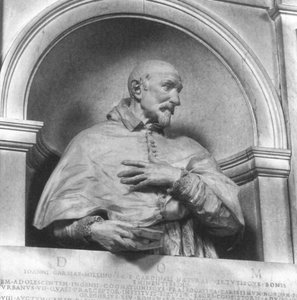
The composition itself is remarkably balanced, mirroring the classical ideals Algardi so admired. The central placement of the head draws immediate attention, while the careful arrangement of the folds in the drapery creates a dynamic yet controlled visual rhythm. Interestingly, the bust was originally conceived to be viewed from Cerri’s wall monument – a detail that speaks to the sculpture's intended context and its role within a larger narrative of remembrance and devotion.
Symbolism and Spiritual Significance
The high-collared garment worn by Monsignor Cerri immediately signifies his clerical status, reinforcing his position as a figure of piety and authority. The serene expression on his face—a subtle hint of melancholy combined with an air of dignified composure—evokes a sense of peace, contemplation, and unwavering faith. Algardi masterfully conveys not just the outward appearance of the Monsignor but also a suggestion of his inner life – a quiet strength and spiritual depth. This is further reinforced by the overall somber tone of the sculpture, reflecting the solemnity associated with funerary monuments and the remembrance of the deceased.
A Legacy of Dignified Portraiture
Algardi’s “Bust of Monsignor Antonio Cerri” exemplifies his unique contribution to Baroque sculpture. Unlike Bernini's exuberant displays, Algardi offered a more restrained yet profoundly moving portrayal of human dignity and spiritual contemplation. This work stands as a testament to the sculptor’s skill in capturing not just likeness but also character—a quiet authority that continues to resonate with viewers today. Reproductions of this remarkable piece offer an exceptional opportunity to bring this masterpiece into any setting, allowing its serene beauty and symbolic depth to enrich your space.
Related Artworks

Artist Biography
A Bolognese Sculptor in Roman Baroque
Alessandro Algardi, born in Bologna on July 31, 1598, emerged as a pivotal figure within the dynamic landscape of 17th-century Italian sculpture. While often discussed in relation to his celebrated rival, Gian Lorenzo Bernini, Algardi carved out a distinct artistic identity—one rooted in classical ideals and a restrained emotionality that offered a compelling alternative to Bernini’s theatrical exuberance. His journey began with an apprenticeship under Agostino Carracci, where he honed foundational skills, but it was the tutelage of Giulio Cesare Conventi that steered him toward sculpture. Early works, such as chalk statues of saints for the Oratory of Santa Maria della Vita in Bologna, already hinted at a burgeoning talent and secured commissions from local jewelers and Ferdinando I, Duke of Mantua. These early successes provided a springboard for his ambition, ultimately leading him to Rome in 1625, facilitated by an introduction from the Duke of Mantua.Navigating the Roman Art World
Rome at this time was a crucible of artistic innovation and fierce competition, largely dominated by Bernini’s virtuosity and the patronage of powerful families like the Borghese and Barberini. Algardi's initial years in the city were marked by diligent work on restoration projects and smaller commissions—terracotta figures, portrait busts—as he sought to establish himself amidst this formidable presence. He found support from fellow artists such as Pietro da Cortona and Domenichino, who recognized his potential and offered encouragement during a period where securing major commissions proved challenging. This early struggle shaped Algardi’s artistic trajectory, fostering a commitment to quality and a deliberate cultivation of a style that differentiated him from the prevailing Baroque aesthetic. He wasn't seeking to simply replicate Bernini; he aimed to offer a nuanced counterpoint—a classicizing sensibility infused with Baroque drama.Monumental Achievements and Artistic Style
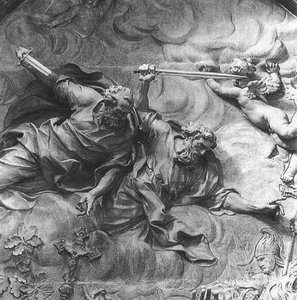
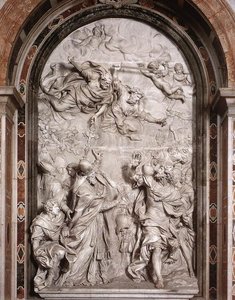
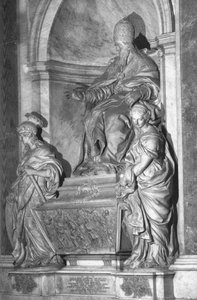
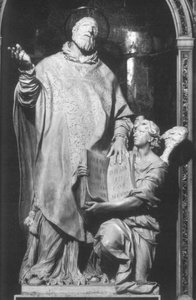
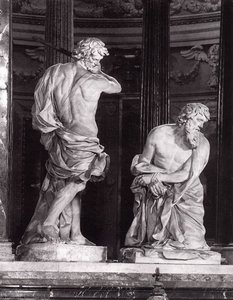
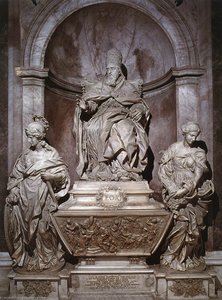
Algardi’s breakthrough arrived with the commission for the tomb of Pope Leo XI in St. Peter’s Basilica (1634-1644). This monumental work, depicting the pope seated in a gesture of blessing flanked by allegorical figures representing Magnanimity and Liberality, signaled a turning point in his career. It showcased his mastery of anatomy, composition, and narrative detail, while simultaneously demonstrating a restraint that contrasted sharply with Bernini’s more dynamic approach. The *Statue of Saint Philip Neri* (1635-1638) for Santa Maria in Vallicella further solidified his reputation, proving his ability to execute large-scale sculptures with grace and power. The dramatic sculptural group *The Beheading of Saint Paul* (c. 1640) revealed Algardi’s capacity for conveying intense emotion within a classically informed framework. His style consistently emphasized balanced compositions, dignified poses, and meticulous attention to detail—qualities that resonated with patrons seeking an alternative to Bernini's often overwhelming theatricality. The accession of Pope Innocent X brought significant patronage his way, leading to oversight of the design of the Villa Doria Pamphili, where he contributed numerous sculptures and fountains. His portrait busts, renowned for their formal severity and realistic characterizations, became particularly sought after—the bronze bust of Innocent X in the Capitoline Museums stands as a prime example.Legacy and Enduring Influence
Alessandro Algardi’s impact extended beyond his lifetime. He influenced subsequent generations of sculptors, including Ercole Ferrata and Domenico Guidi, who studied under him, absorbing his classical principles and refined techniques. His reputation also crossed borders, resulting in commissions from Spain—notably chimney pieces for the Royal Palace of Aranjuez and a tomb at the Augustinian monastery in Salamanca. Algardi’s career serves as a compelling case study within the artistic landscape of Baroque Rome, demonstrating how multiple talented sculptors could coexist and compete while simultaneously pushing the boundaries of their craft. He remains an important figure in Italian art history, not merely as a rival to Bernini, but as a sculptor who offered a unique and enduring contribution to the High Baroque style—a testament to the power of classical ideals tempered by the dynamism of the era. He died in Rome on June 10, 1654, leaving behind a legacy of dignified beauty and technical mastery that continues to inspire admiration today.
Alessandro Algardi
1598 - 1654 , Italy
Quick Facts
- Artistic Movement Or Style: High Baroque
- Artists Or Movements Influenced By This Artist:
- Ercole Ferrata
- Domenico Guidi
- Artists Who Influenced This Artist:
- Agostino Carracci
- Giulio Conventi
- Date Of Birth: July 31, 1598
- Date Of Death: June 10, 1654
- Full Name: Alessandro Algardi
- Nationality: Italian
- Notable Artworks:
- Pope Leo XI's Tomb
- St Philip Neri
- Beheading of St Paul
- Donna Olimpia bust
- Place Of Birth: Bologna, Italy
Related Articles

Bronze Sculptures That Defined Art History | ArtsDot
Journey through art history with our Top 10 bronze sculptures! Explore masterpieces by Rodin, Michelangelo & more. Discover stories behind iconic statues and find museum-quality reproductions for your home decor at ArtsDot.com.

The Enduring Form: Exploring Themes & Techniques in Sculpture Across Historical Periods
Explore the rich history of sculpture from ancient masterpieces to contemporary innovations. Discover key techniques, influential artists & investment potential for discerning art collectors.
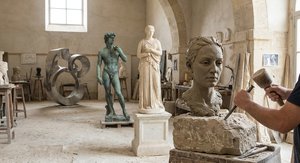
The Enduring Form: Sculpture Across History, Technique & Emotional Resonance
Explore the rich history of sculpture with ArtsDot. Discover key techniques, influential artists & investment potential for discerning collectors. Expert insights into valuing and collecting timeless masterpieces.

Theatricality & Triumph: Baroque Drama in Painting & Sculpture
Explore the dramatic world of Baroque art! Discover its history, defining characteristics, & lasting influence on painting & sculpture. Expert insights into Caravaggio, Zurbarán, and Bernini – plus high-quality reproductions at ArtsDot.

Bronze Age to Modern Masters: 10 Sculptures That Redefined Art | ArtsDot
Journey through art history with 10 legendary bronze sculptures – from Michelangelo's David to Rodin’s Thinker. Explore the stories, techniques & timeless beauty of these masterpieces. Find museum-quality reproductions & elevate your home decor on ArtsDot.com.