

 Preview
 Send
Send Share
Share
 Details

 Download
 Similars
 X-Ray
X-Ray Diaporama
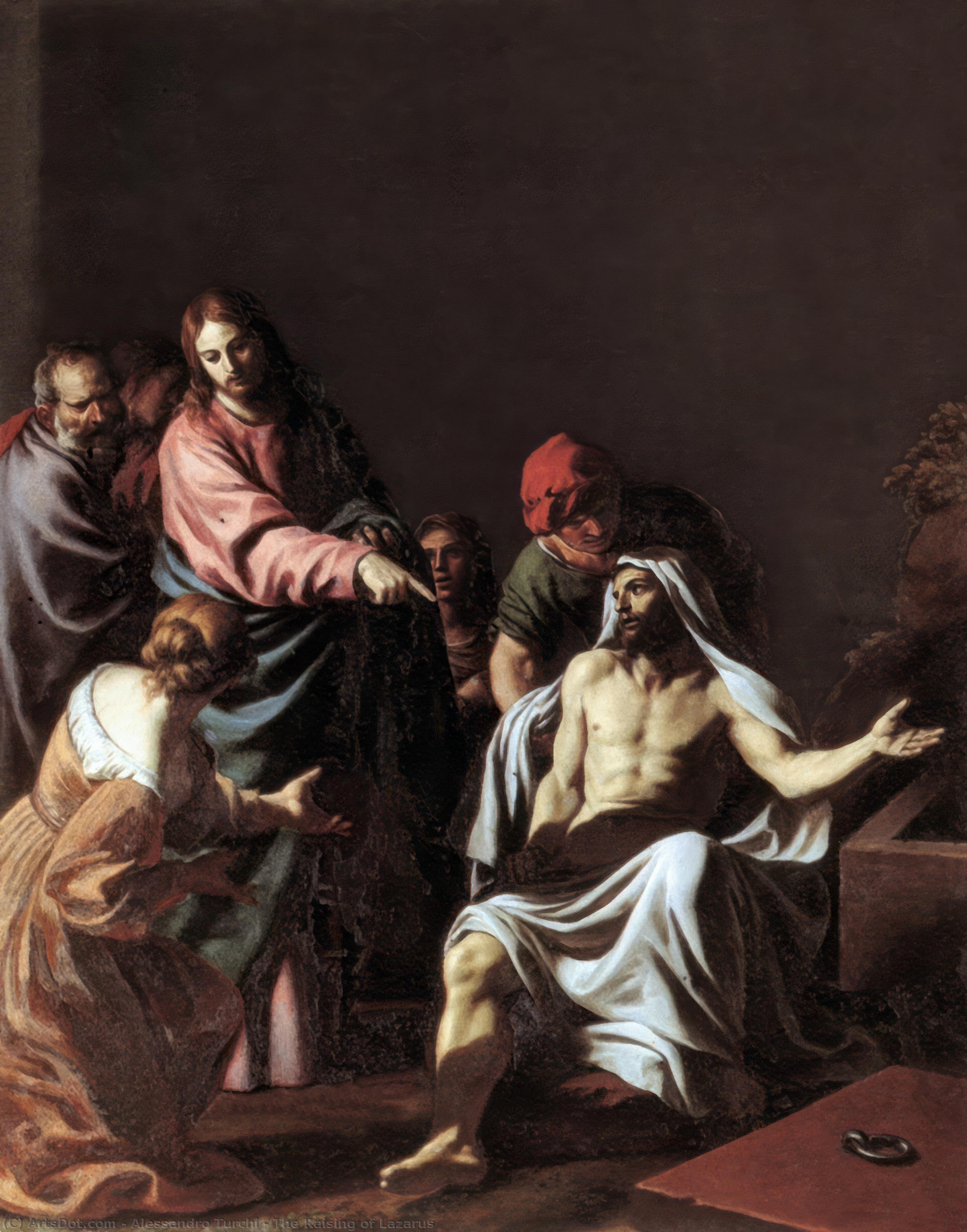
The Raising of Lazarus
 Oil On Canvas
- WallArt
- Baroque
 1617
1617 36.0 x 27.0 cm
 Galleria Borghese
 Read More
Purchase a high-resolution, enhanced digital image, far superior to the online preview.
Each file is meticulously prepared by our in-house specialists using advanced tools and expert manual retouching. We ensure every image has exceptional clarity, precise color accuracy, and fine detail.
The final file is delivered via email within 72 hours, optimized for immediate use in professional, editorial, and print environments. This is the same quality trusted by top-tier design studios, publishers, and galleries.
Digital Image
Download a high-resolution file for personal display, printing, and creative projects. ( Buy Print Buy Hand Made Painting)
Included in Every Digital Image Order
Expert Digital Delivery, Guaranteed
When you choose ArtsDot.com, you're not just getting an image - you're receiving a professionally enhanced digital artwork, crafted with precision and backed by a satisfaction guarantee. Here's everything that comes with your order, automatically:

Fast Email Delivery
Your high-resolution digital image file will be emailed to you within 72 hours of ordering - ready for immediate use.

AI-Enhanced Digital File
Your artwork is professionally optimized using advanced AI tools and manual editing, ensuring maximum detail, clarity, and color accuracy.

Free Lifetime Re-Delivery
Accidentally deleted or lost your file? No worries - we'll resend it to you anytime, free of charge.

No Import Fees - Ever
Enjoy your artwork instantly with zero customs, duties, or delivery fees - digital downloads are always tax-free.

Color Accuracy Guarantee
We ensure your digital image reflects the original colors as closely as possible using professional tools and color management.

60-Day Satisfaction Guarantee
If you're not satisfied with your digital image, we'll revise it or refund 100% within 60 days - no questions asked.

100% Money-Back Guarantee
Not satisfied? Get a full refund within 60 days of receiving your digital file - no questions asked.

Bulk Order Discounts
Buy 3 images, save 10% - Buy 5, save 15% - Buy 10+, save 20%. Great for creative projects, galleries, and agencies.
Collectible Description
The Raising of Lazarus by Alessandro Turchi
Alessandro Turchi, affectionately known as “L’Orbetto” – the little urchin – was a pivotal figure bridging the late Mannerist traditions of Verona with the burgeoning drama of the early Roman Baroque. Born in 1578 into a Verona touched by artistic fervor, Turchi's journey reflects a fascinating interplay between regional styles and the magnetic pull of Rome’s artistic innovations. His initial training under Felice Riccio (il Brusasorci), a prominent Veronese painter, laid a solid foundation in technique and composition. This apprenticeship instilled within him a meticulous approach to form and a sensitivity to color that would characterize his early works. By 1603, Turchi had established himself as an independent artist, quickly gaining recognition for his emerging talent. A significant early commission – the organ shutters for the Accademia Filarmonica of Verona (1606-1609) – demonstrated not only his technOverview: Dramatic Baroque Emotion
“The Raising of Lazarus,” painted in 1617 by Alessandro Turchi, embodies the essence of Baroque art—a fervent expression of emotion and dynamism. Executed on slate, this monumental oil painting depicts the biblical narrative of Jesus resurrecting Lazarus from death, capturing a moment of profound spiritual significance. The artwork’s impact is immediate: viewers are confronted with a scene steeped in darkness punctuated by brilliant highlights, conveying sorrow, faith, and awe. Turchi skillfully employs chiaroscuro—the masterful manipulation of light and shadow—to heighten the drama and draw attention to key figures within the composition.- Style: Baroque
- Medium: Oil on Slate
- Dimensions: 36 x 27 cm
Composition & Technique: Caravaggesque Influence
Turchi’s approach to painting owes considerable debt to the revolutionary style pioneered by Michelangelo Merisi da Caravaggio. Like Caravaggio, he prioritizes realism and dramatic lighting, eschewing idealized forms for depictions of human figures rendered with unflinching detail. The composition is tightly structured around Christ at the center, surrounded by his disciples and Mary Magdalene, creating an intimate tableau that emphasizes the emotional core of the scene. Diagonal lines dominate the canvas, guiding the eye across the artwork and reinforcing the sense of movement—particularly evident in the drapery folds which ripple with palpable energy. The artist’s meticulous brushwork contributes to a rich textural surface, capturing the nuances of skin tones and fabric textures alike.Symbolism & Narrative Depth
Beyond its aesthetic qualities, “The Raising of Lazarus” resonates with profound theological symbolism. The resurrection itself represents hope amidst despair—a triumph over death and decay—reflecting the central tenets of Christian faith. The figures depicted are rendered with palpable grief, mirroring the sorrow experienced by those witnessing Jesus’s miraculous act. Mary Magdalene's anguished expression embodies compassion and devotion, while the disciples grapple with disbelief and wonder. The painting serves as a powerful reminder of humanity’s vulnerability before divine power and underscores the transformative potential of faith.Provenance & Recognition
Originally purchased by Scipione Borghese in 1617, “The Raising of Lazarus” resides today within the Galleria Borghese in Rome—a testament to Turchi's enduring legacy as a master of Baroque art. Its inclusion in prestigious collections like the Museo Nacional del Prado and its reproductions adorning homes worldwide attest to its artistic merit and continued fascination for audiences across centuries. The artwork’s depiction of Lazarus exemplifies the Baroque preoccupation with portraying human emotion with visceral realism, cementing Turchi's place among the most influential painters of his era.Related Artworks

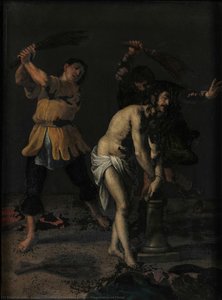
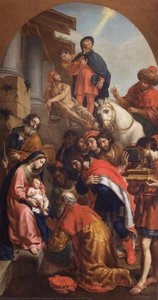
Artist Biography
A Veronese Master in the Roman Baroque: The Life and Art of Alessandro Turchi
Alessandro Turchi, affectionately known as “L’Orbetto” – the little urchin – was a pivotal figure bridging the late Mannerist traditions of Verona with the burgeoning drama of the early Roman Baroque. Born in 1578 into a Verona touched by artistic fervor, Turchi's journey reflects a fascinating interplay between regional styles and the magnetic pull of Rome’s artistic innovations. His initial training under Felice Riccio (il Brusasorci), a prominent Veronese painter, laid a solid foundation in technique and composition. This apprenticeship instilled within him a meticulous approach to form and a sensitivity to color that would characterize his early works. By 1603, Turchi had established himself as an independent artist, quickly gaining recognition for his emerging talent. A significant early commission – the organ shutters for the Accademia Filarmonica of Verona (1606-1609) – demonstrated not only his technical skill but also his versatility in handling large-scale decorative projects. This period solidified his position within the Veronese art scene, preparing him for a broader artistic horizon.From Verona to Rome: A Blossoming Career
The death of Felice Riccio in 1605 proved a turning point. Turchi, alongside Pasquale Ottino, stepped forward to complete several canvases left unfinished by their master, an act that further honed his skills and cemented his reputation within the artistic community. This collaborative effort wasn’t merely about finishing existing works; it was a crucial period of learning and refinement, allowing Turchi to absorb Riccio's stylistic nuances while simultaneously developing his own unique voice. His ambition soon led him beyond Verona. By 1616, he had ventured to Rome, the epicenter of artistic innovation, where he quickly became immersed in the vibrant atmosphere of papal patronage and artistic competition. His involvement in the fresco decoration of the Sala Reggia at the Quirinal Palace – depicting the Gathering of Manna – marked his arrival on the Roman stage. This commission brought him into contact with leading artists of the day and exposed him to the dramatic intensity that defined the emerging Baroque style. A particularly notable achievement during this period was *Christ, Magdalen, and Angels*, commissioned by Cardinal Scipione Borghese, a powerful patron known for his discerning taste and support of artistic talent.A Synthesis of Styles: Caravaggism and Grace
Turchi’s artistic style is remarkably distinctive – a compelling blend of softness and dramatic intensity. While deeply influenced by the works of Carlo Cagliari and, crucially, his early mentor Felice Riccio, he didn't simply imitate their styles. Instead, he forged a unique path that set him apart from his contemporaries. The influence of Caravaggio is undeniable; Turchi masterfully employed *chiaroscuro* – the dramatic use of light and shadow – to create a sense of theatricality and emotional depth in his paintings. However, unlike some of Caravaggio’s more starkly realistic depictions, Turchi tempered this intensity with a lyrical grace and a refined sensitivity to color. His figures possess a sculptural quality, yet they are imbued with a gentle humanity that softens the dramatic impact. This ability to balance these seemingly opposing forces – drama and delicacy – is what defines his artistic signature. He frequently employed black marble as a background in his historical scenes, creating a striking contrast that further enhanced the emotional power of his compositions.Legacy and Recognition: A Prince of the Roman Art World
Throughout his career, Alessandro Turchi wasn’t only an accomplished painter but also a dedicated mentor. He generously shared his knowledge and expertise with promising young artists, including Giovanni Ceschini and Giovanni Battista Rossi (il Gobbino), both of whom went on to establish successful careers in Verona. His professional standing continued to ascend; in 1637, he was elected “principe” – director – of the Accademia di San Luca, a testament to his leadership and artistic authority within the Roman art world. A year later, in 1638, he joined the prestigious Papal Guild of Artists, known as the Pontifical Academy of Fine Arts and Letters of the Virtuosi al Pantheon, further solidifying his position among Rome’s elite artists. Turchi's contributions to early Baroque painting are now recognized for their skillful blending of dramatic intensity with a gentle aesthetic sensibility. His compelling religious and historical works continue to captivate viewers, offering a glimpse into the artistic ferment of 17th-century Italy. He left behind a legacy not only through his paintings but also through the artists he inspired, ensuring that his unique vision would endure for generations to come. His work remains a testament to the power of artistic synthesis and the enduring appeal of beauty tempered with drama.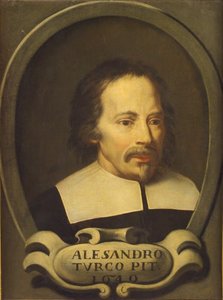
Alessandro Turchi
1578 - 1649 , Italy
Quick Facts
- Artistic Movement Or Style: Early Baroque
- Artists Or Movements Influenced By This Artist:
- Giovanni Ceschini
- Giovanni B. Rossi
- Artists Who Influenced This Artist:
- Felice Riccio
- Carlo Cagliari
- Date Of Birth: 1578
- Date Of Death: 1649
- Full Name: Alessandro Turchi
- Nationality: Italian
- Notable Artworks:
- The Assumption Altarpiece
- Christ, Magdalen & Angels
- Judgment of Paris
- Cephalus and Procris
- Place Of Birth: Verona, Italy

