 Preview
 Send
Send Share
Share
 Details

 Download
 Similars
 X-Ray
X-Ray Diaporama
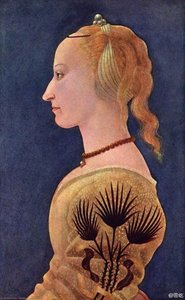
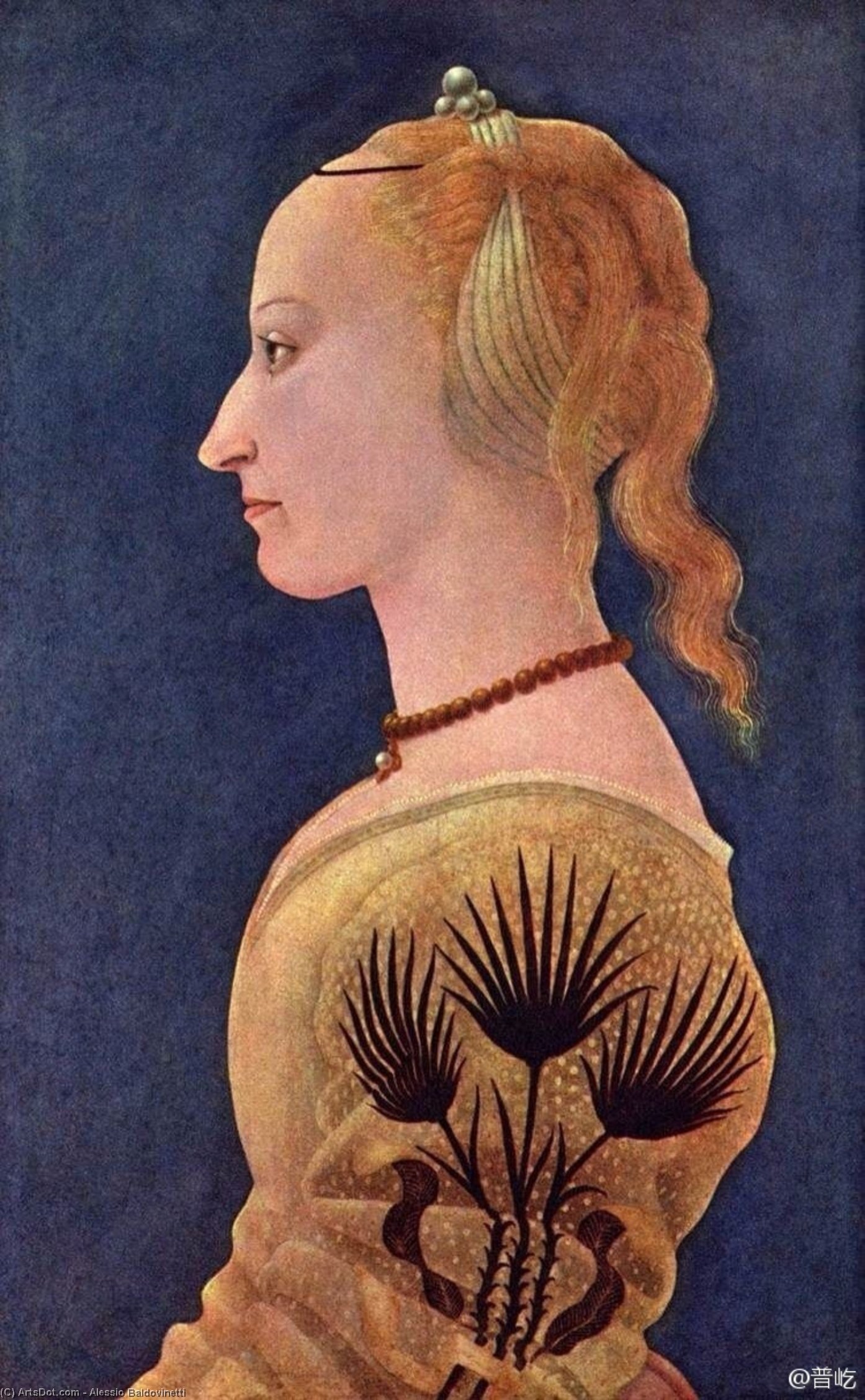
Portrait of a Lady in Yellow
 Oil On Canvas
- WallArt
- Early Renaissance
 1465
1465- Renaissance
 63.0 x 41.0 cm
 National Gallery
 Read More
Giclée / Art Print
Museum-quality giclée or canvas print with fast production and flexible finish options. ( Buy Hand Made Painting Buy Image)




P118B $10

P118H $10

P118W $10

P438Z $10

P508JH $12

P508YH $12

P805H $10

P805Z $10

P919BZ $10

P919G $10

P919XJ $10

P959ZH $10

P968JZ $12

W106C $8

W218G $10

W218JH $8

W218Y $10

W307PJ $10

W316G $10

W316PJ $8

W316Y $10

W398PJ $8

W4111J $10

W500HY $15

W500JH $15

W692G $12

W849H $8

W940BG $15

W953PJ $8




Pick from our preset sizes that match the artwork's original proportions.

You may enter your own dimensions to fit a specific frame or space. If your selected size does not match the original image's proportions, we will either crop the artwork or extend the image with a mirrored or solid-fill edge. A digital mockup will be sent for your approval before production begins.
Please note that the on-screen preview does not reflect the actual cropping or extension. Only the mockup will accurately show the final composition.
While custom sizes are available, we recommend selecting a dimension from the predefined list to preserve the original proportions.
Worldwide Delivery () in 2 weeks instead of standard 4/5 weeks. (1 September)

Free Worldwide Express Shipping

High-Quality Linen Canvas

Full Shipping Insurance

Customs Tax Refund Guarantee

True Color Matching Guarantee

60-Day Return Policy (Defects Only)

100% Money-Back Guarantee

Bulk Discount Offer
 Glass option is only available in size under 110 CM

Portrait of a Lady in Yellow
Giclée / Art Print
Reproduction Size
-


Total Price
$ 63
The Enigma of Yellow: A Portrait in Renaissance Grace
To gaze upon this portrait is to step directly into the luminous atmosphere of the Florentine Quattrocento. The subject, captured in profile, embodies an idealized vision of feminine beauty characteristic of the Early Renaissance. Her serene expression suggests a quiet contemplation, a moment suspended between thought and breath. The composition itself is a masterclass in classical balance; the vertical sweep of her figure, accentuated by the cascade of her intricately rendered hair, draws the eye upward against the profound depth of the dark blue background. This dramatic contrast—the luminous skin against the velvety void—lends an immediate sense of timeless drama to the piece.
Mastery in Pigment and Line: Technique and Detail
The technical brilliance evident here speaks volumes about the skill of its creator, Alessio Baldovinetti. The artist employed a meticulous layering process, or glazing, with oil paints on canvas. This technique allowed him to build up color and luminosity in subtle, breathtaking passages. Observe the delicate rendering of her drapery; the folds are not merely painted but seem to possess actual weight and texture, catching the soft, diffused light that bathes her upper torso. Baldovinetti’s attention to contour is palpable—every line defining the edge of her jaw, the curve of her neck, and the stylized floral pattern on her sleeve speaks to an almost scientific observation married to artistic poetry. The shallow perspective keeps the focus intensely personal, drawing the viewer into an intimate encounter with the sitter.
Symbolism Woven into Silk and Hair
Art from this era was rarely purely decorative; it was imbued with meaning. Consider the ornamental headdress she wears, which speaks eloquently of her elevated status within society. Furthermore, the subtle floral motifs adorning her attire are potent symbols, perhaps whispering tales of fertility, nobility, or the ephemeral beauty of life itself. The choice of yellow for her garment is never accidental; in Renaissance iconography, such vibrant hues often signified wealth and intellectual vitality. These elements combine to create a narrative tapestry—a portrait that celebrates not just a woman, but an ideal of human grace and cultivated virtue.
A Touch of Florentine History
Dating to 1465, this work places us at the zenith of Florence’s cultural rebirth. Baldovinetti, trained in the tradition of meticulous realism, channels the spirit of a time rediscovering classical ideals while simultaneously embracing humanist thought. The painting feels both deeply rooted in observable reality—the texture of the fabric, the softness of the flesh—and transcendentally elevated by its idealized perfection. Owning a reproduction of this piece is to bring home not just an image, but a tangible echo of Renaissance intellectual fervor and unparalleled artistic dedication.
Related Artworks



Artist Biography
Early Life and Florentine Beginnings
Alessio Baldovinetti, born in Florence around 1425, emerged during a period of extraordinary artistic ferment in the Italian Renaissance. While details surrounding his early training remain somewhat elusive, it is widely believed he initially apprenticed within the workshop of David Ghirlandaio, a prominent figure known for his meticulous realism and narrative skill. This foundational experience profoundly shaped Baldovinetti’s approach to painting, instilling in him a dedication to accurate observation and detailed representation that would become hallmarks of his style. Florence at this time was a crucible of innovation, fueled by the rediscovery of classical antiquity and a burgeoning humanist philosophy. Young Alessio absorbed these intellectual currents, which subtly informed his artistic vision, moving beyond mere imitation towards a more considered engagement with form, light, and space. His family background suggests connections to the wool trade, potentially providing access to patronage networks that would prove crucial in establishing his career.A Master of Realism and Religious Narrative
Baldovinetti’s artistic output primarily focused on religious subjects – altarpieces, depictions of the Madonna and Child, and scenes from the lives of saints. However, what distinguished his work was not simply *what* he painted but *how*. He possessed an exceptional talent for rendering textures with astonishing fidelity: the shimmering folds of drapery, the delicate sheen of skin, the intricate patterns of brocades – all were executed with painstaking precision. This commitment to realism wasn’t merely a technical exercise; it served a deeper purpose. By grounding his religious narratives in tangible, believable detail, Baldovinetti aimed to create images that resonated powerfully with contemporary viewers, fostering a sense of intimacy and emotional connection. His figures, though often possessing a certain solemnity, are imbued with a quiet dignity and humanity. A prime example is his *Madonna and Child*, where the tenderness between mother and son is heightened by the naturalistic portrayal of their features and gestures.Influences and Artistic Development
While Ghirlandaio’s influence is undeniable, Baldovinetti also drew inspiration from other leading Florentine artists of his time. The sculptural forms of Donatello and the pioneering perspective techniques of Masaccio undoubtedly impacted his work. He seems to have been particularly fascinated by the study of light and its effects on surfaces, a characteristic that aligns him with the broader Renaissance interest in scientific observation. Unlike some of his contemporaries who embraced dramatic chiaroscuro, Baldovinetti favored a softer, more diffused illumination, creating a sense of atmospheric depth and clarity. His palette, while not overly vibrant, is characterized by subtle gradations of color and a refined use of glazing techniques to achieve luminous effects. Over the course of his career, he gradually moved away from the more decorative style of his early works towards a greater emphasis on anatomical accuracy and psychological realism.Major Achievements and Patronage
Baldovinetti’s reputation grew steadily throughout the mid-15th century, attracting commissions from prominent Florentine families and religious institutions. He received significant patronage from the Vespucci family, for whom he created a series of frescoes in their villa at Poggio Caiano. These works demonstrate his ability to integrate architectural settings with figural compositions, creating harmonious and visually compelling ensembles. Another notable achievement is his altarpiece for the church of San Lorenzo, which showcases his mastery of perspective and his skill in depicting complex narrative scenes. His portraits, though less numerous than his religious paintings, are remarkable for their psychological insight and attention to detail, offering valuable glimpses into the lives and personalities of Florentine society. He was also a respected colorist, consulted by other artists on pigment preparation and techniques.Historical Significance and Legacy
Alessio Baldovinetti occupies a unique position in the history of Renaissance art. While he may not be as widely celebrated as some of his more famous contemporaries like Botticelli or Leonardo da Vinci, his contribution was nonetheless significant. He represents a crucial link between the early Renaissance style of Ghirlandaio and the High Renaissance emphasis on anatomical accuracy and psychological realism. His dedication to meticulous observation and detailed representation paved the way for later artists who sought to capture the beauty and complexity of the natural world.- His influence can be seen in the works of subsequent Florentine painters.
- He helped establish a tradition of realistic portraiture in Italy.
- Baldovinetti’s emphasis on light and color contributed to the development of Renaissance painting techniques.
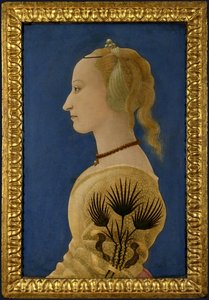
alessio baldovinetti
1425 - 1499 , Italy
Quick Facts
- Artistic Movement Or Style: Early Renaissance
- Artists Or Movements Influenced By This Artist:
- Paolo Uccello
- Leonardo da Vinci
- Artists Who Influenced This Artist:
- Domenico Veneziano
- Andrea del Castagno
- Date Of Birth: 1427-1428
- Date Of Death: 1499
- Full Name: Alesso Baldovinetti
- Nationality: Italian
- Notable Artworks:
- Annunciation
- Nativity
- Madonna & Child
- Place Of Birth: Florence, Italy
Related Articles
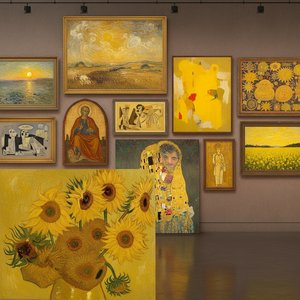
Golden Hues: 10 Masterpieces Dominated by Chrome Yellow | ArtsDot
Immerse yourself in golden light! Explore 10 famous paintings dominated by 'Chrome Yellow', from Van Gogh’s Sunflowers to Monet's Haystacks. Discover the stories behind these iconic Impressionist & Post-Impressionist masterpieces and find museum-quality art reproductions at ArtsDot.com.
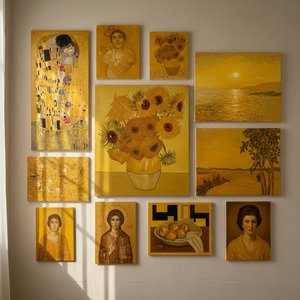
Golden Hues: Top 10 Paintings Dominated by Yellow Ochre |
Explore 10 iconic paintings bathed in golden yellow ochre! From Van Gogh's sunflowers to Monet’s haystacks, discover the stories behind these masterpieces. Find museum-quality art reproductions & elevate your home decor on .

The Golden Hue: Exploring Symbolism & Emotion in Yellow Art
Explore the rich symbolism & emotional power of yellow in art history! From Van Gogh to Kandinsky, discover how artists used this vibrant hue. Expert analysis & high-quality reproductions at ArtsDot.
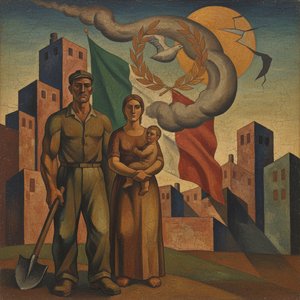
Mario Sironi: A Poetic of Modern Italian Identity Through Symbolism & Social Commentary
Explore the profound works of Mario Sironi, a key figure in Italian Modernism. Discover his evolution from Futurism to Metaphysical painting and his powerful social commentary. Learn about his legacy at ArtsDot.
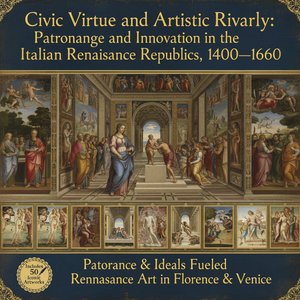
Civic Virtue and Artistic Rivalry: Patronage and Innovation in the Italian Renaissance Republics, 1400–1600
Explore the Italian Renaissance! Discover how competitive patronage & humanist ideals fueled artistic innovation in republics like Florence & Venice. Expert insights for art lovers and collectors.