 Preview
 Send
Send Share
Share
 Details

 Download
 Similars
 X-Ray
X-Ray Diaporama
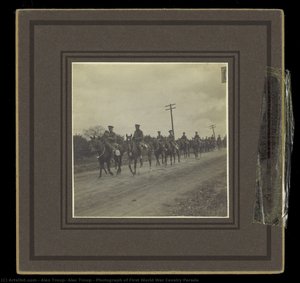
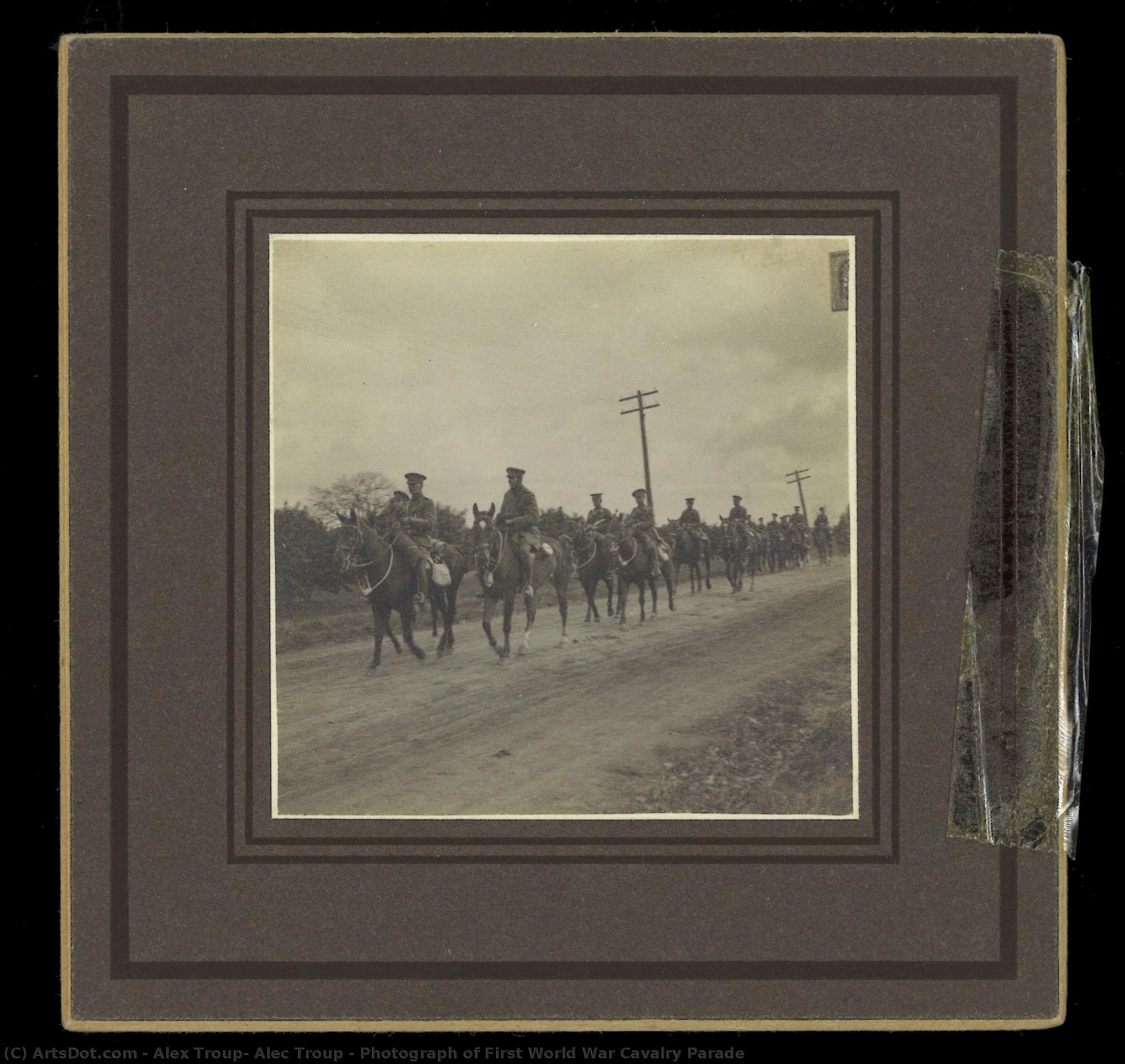
Photograph of First World War Cavalry Parade

 Read More
Giclée / Art Print
Museum-quality giclée or canvas print with fast production and flexible finish options. ( Buy Hand Made Painting Buy Image)




































Pick from our preset sizes that match the artwork's original proportions.

You may enter your own dimensions to fit a specific frame or space. If your selected size does not match the original image's proportions, we will either crop the artwork or extend the image with a mirrored or solid-fill edge. A digital mockup will be sent for your approval before production begins.
Please note that the on-screen preview does not reflect the actual cropping or extension. Only the mockup will accurately show the final composition.
While custom sizes are available, we recommend selecting a dimension from the predefined list to preserve the original proportions.
Worldwide Delivery () in 2 weeks instead of standard 4/5 weeks. (28 August)

Free Worldwide Express Shipping

High-Quality Linen Canvas

Full Shipping Insurance

Customs Tax Refund Guarantee

True Color Matching Guarantee

60-Day Return Policy (Defects Only)

100% Money-Back Guarantee

Bulk Discount Offer
 Glass option is only available in size under 110 CM

Photograph of First World War Cavalry Parade
Giclée / Art Print
Reproduction Size
-


Total Price
$ 63
Related Artworks






Artist Biography
Alexander Troup: From Football Field to Photographic Witness of War
Born in Forfar, Scotland, in 1895, Alexander “Alex” Troup’s life was a fascinating tapestry woven from the threads of professional football and a surprisingly poignant role as a war photographer. Initially recognized for his skill on the pitch – playing professionally for Dundee and Everton in England – Troup's legacy extends far beyond the confines of the football stadium. His journey, marked by both athletic prowess and an unexpected foray into documenting the realities of World War I, offers a compelling glimpse into early 20th-century Britain and the evolving role of the artist.
Troup’s football career began with his time in Scotland, quickly establishing himself as a promising winger. He joined Dundee in 1914, showcasing speed and agility that earned him recognition within the Scottish League. His move to Everton in 1918 marked a significant step up, allowing him to compete against some of the era’s finest players. Notably, he represented Scotland five times between 1920 and 1926, solidifying his place as a national sporting figure. Beyond his club commitments, Troup also played for the Scottish League XI on two occasions in 1921, demonstrating his versatility and commitment to the sport.
However, it was during the First World War that Troup’s life took an unexpected turn. While serving as a cavalryman, he began documenting the war through photography. His images offer a starkly honest portrayal of the conflict – not romanticized battle scenes, but rather intimate glimpses into the lives of soldiers, the devastation of trench warfare, and the grim realities of military camps. These photographs, remarkably preserved, provide invaluable historical insight, capturing the human cost of the war in a way that transcends traditional accounts. The precise nature of his photographic work during the conflict remains somewhat shrouded in detail, but it’s clear that Troup's experience as a soldier profoundly shaped his artistic perspective and fueled his dedication to visual storytelling.
A Dual Identity: Footballer and Photographer
Troup’s dual career – as a footballer and a photographer – reveals a complex personality driven by both competitive spirit and a desire for observation. The discipline required to excel in professional football undoubtedly instilled in him a keen eye for detail, an understanding of composition, and a commitment to capturing fleeting moments. This translates directly into his wartime photographs; he wasn’t simply recording events but actively seeking to capture the essence of the experience.
Interestingly, Troup's photographic work emerged during a period when photography was still considered a relatively new medium for serious artistic expression. While portraiture and landscape photography were established, documenting war and its impact on individuals was largely unexplored territory. Troup’s decision to document the conflict through his lens demonstrates an early adopter of this emerging practice, pushing the boundaries of photographic representation.
The Influence of Early 20th-Century Photography
Troup's work reflects the broader trends in photography during the early 20th century. The rise of photojournalism and documentary photography was gaining momentum, driven by a desire to capture social realities and expose injustices. Figures like Alfred Stieglitz and Jacob Riis were pioneering new approaches to visual storytelling, emphasizing truthfulness and emotional impact. Troup’s photographs align with this movement, prioritizing authenticity over artistic embellishment.
Furthermore, the influence of Pictorialism – a photographic style that sought to emulate painting through soft focus and manipulated tones – can be observed in some of Troup's images. This stylistic choice suggests an awareness of artistic conventions and a deliberate attempt to elevate his work beyond mere documentation. However, unlike many Pictorialist photographers, Troup’s photographs retain a raw immediacy, reflecting the harsh realities of war.
Legacy and Historical Significance
Alexander Troup's life and work represent a unique intersection of sport, military service, and artistic expression. His football career provided a foundation for his later endeavors, while his wartime photography offers a rare and poignant window into the First World War. His images are not merely historical records; they are deeply human portraits that evoke empathy and understanding.
Today, Troup’s photographs are recognized as significant contributions to war photography and visual history. They serve as a reminder of the personal sacrifices made during the conflict and the enduring power of images to shape our understanding of the past. ArtsDot.com is proud to offer reproductions of these remarkable works, ensuring that Troup's legacy – both as a footballer and a photographer – continues to be shared with audiences worldwide.
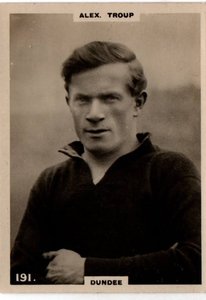
alex troup, alec troup
1895 - 1951 , United Kingdom
Quick Facts
- Artistic Movement Or Style: Football photography
- Date Of Birth: May 4, 1895
- Date Of Death: 1951
- Full Name: Alexander Troup
- Nationality: Scottish
- Notable Artworks: ['WWI Cavalry Photos']
- Place Of Birth: Forfar, UK