 Send
Send Share
Share
 Details

 Download
 Similars
 Diaporama
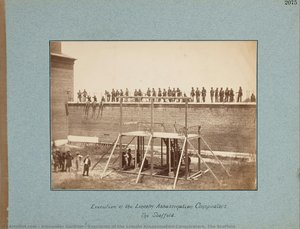
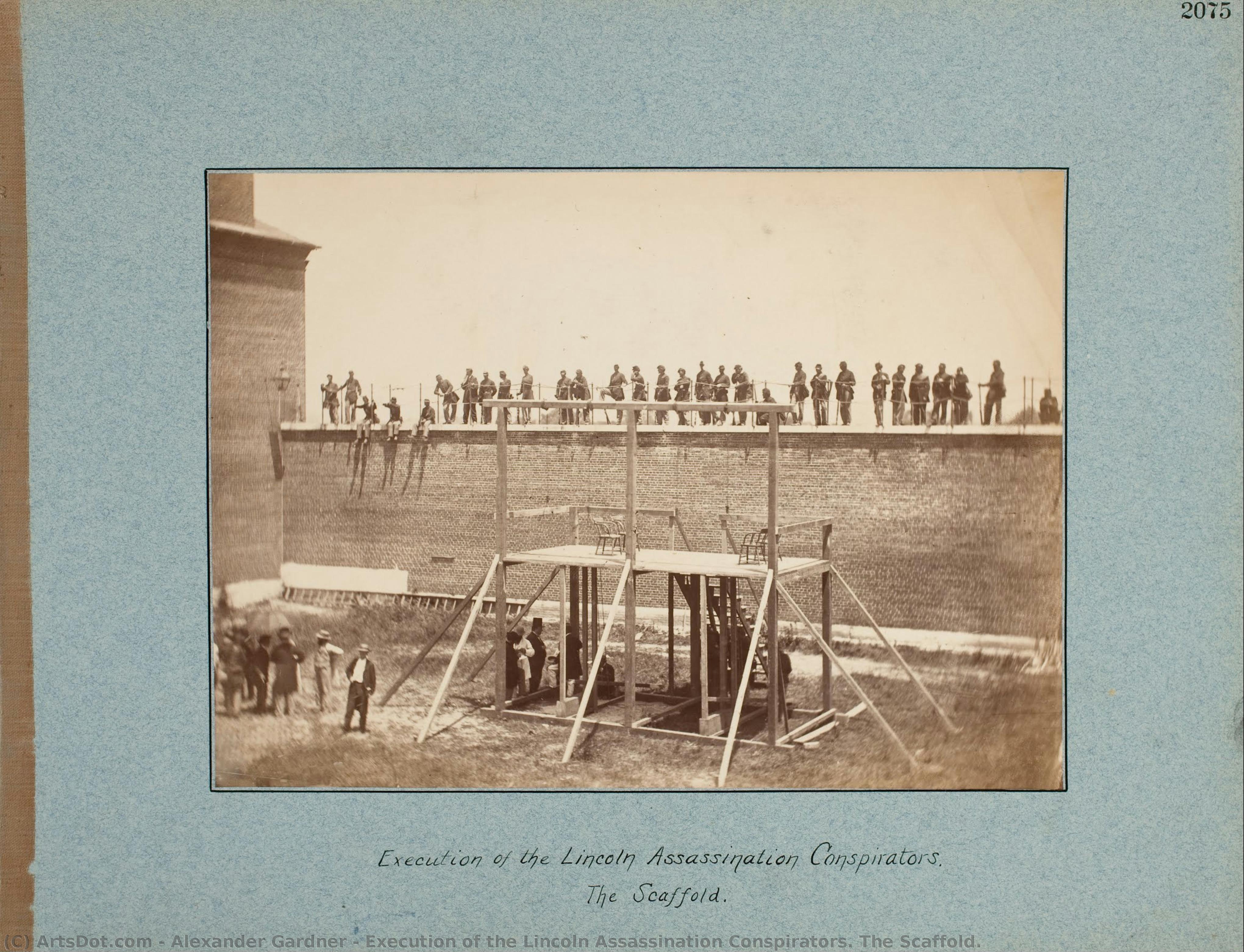
Execution of the Lincoln Assassination Conspirators. The Scaffold.
 Giclée Print
- Digital
 1865
1865- 19th Century
 23.0 x 16.0 cm
 George Eastman Museum
 Read More
Hand Made Oil Reproduction
Hand-painted oil on canvas in your size and frame, made to order by our artists. ( Buy Print Buy Image)




































Pick from our preset sizes that match the artwork's original proportions.

You may enter your own dimensions to fit a specific frame or space. If your selected size does not match the original image's proportions, we will either crop the artwork or extend the painting with additional hand-painted elements. A digital mockup will be sent for your approval before production begins.
Please note that the on-screen preview does not reflect the actual cropping or extension. Only the mockup will accurately show the final composition.
While custom sizes are available, we recommend selecting a dimension from the predefined list to preserve the original proportions.
After order, ArtsDot.com team will email client for instructions and provide a mockup preview
Worldwide Delivery () in 3/4 weeks instead of standard 5 weeks. (20 August). No compromise on quality.

Free Worldwide Express Shipping

High-Quality Linen Canvas

Full Shipping Insurance

Customs Tax Refund Guarantee

True Color Matching Guarantee

60-Day Return Policy (Defects Only)

100% Money-Back Guarantee

Bulk Discount Offer
 Glass option is only available in size under 110 CM

Execution of the Lincoln Assassination Conspirators. The Scaffold.
Reproduction Medium
Reproduction Size
-


Total Price
$ 263
Artwork Description
Related Artworks
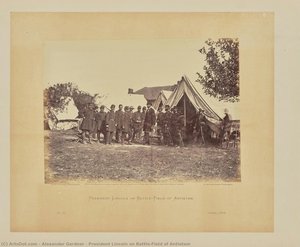
![[president Lincoln, United States Headquarters, Army Of The Potomac, Near Antietam] — Alexander Gardner, Photographic Realism](/media/artworks/images/thumbnails/92/ab/92ab3ca0f1c64ca78432d7ff8c066bad.jpg)
Artist Biography
A Pioneer of Photographic Truth: The Life and Legacy of Alexander Gardner
Born in Paisley, Scotland, in 1821, Alexander Gardner’s journey to becoming a pivotal figure in American photography was one marked by diverse pursuits and a keen eye for innovation. Initially apprenticed as a jeweler at the age of fourteen—a craft demanding precision and an appreciation for detail—Gardner's early life instilled within him qualities that would later profoundly influence his artistic approach. This foundation in craftsmanship, coupled with a burgeoning interest in social reform stemming from exposure to socialist ideals, set the stage for a life dedicated to documenting the world around him with unflinching honesty. His involvement with cooperative movements and even a stint as a newspaper editor in Glasgow demonstrated a commitment to communication and a desire to shape public perception—skills he would later wield through the powerful medium of photography. It was a visit to London’s Great Exhibition in 1851, however, that proved truly transformative. There, encountering the work of American photographer Mathew Brady ignited within Gardner a passion for this nascent art form, prompting him to experiment and ultimately redirect his life's path toward capturing reality through the lens.From Portraiture to Battlefield: Documenting a Nation Divided
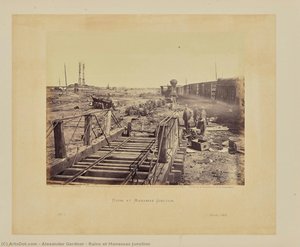
In 1856, Gardner immigrated to the United States, initially seeking to contribute to the cooperative community he had helped establish in Iowa. However, witnessing hardship and loss within that settlement led him towards a new focus—photography. He quickly found employment with Mathew Brady, mastering the complex collodion process and rapidly becoming an indispensable part of Brady’s studio. As the storm clouds of the Civil War gathered, Gardner recognized the profound opportunity to document this defining moment in American history. While Brady conceived the ambitious project of visually chronicling the conflict, it was Gardner who often took the lead in the field, venturing onto battlefields and into the heart of a nation torn apart. He wasn’t merely taking pictures; he was creating a visual record of unprecedented scale and intimacy. His photographs weren't romanticized depictions of glory but stark portrayals of devastation—the shattered landscapes of Manassas Junction, the haunting stillness of Gettysburg, the grim realities of army life. This commitment to unflinching realism distinguished his work and cemented its historical importance.Beyond the Battlefield: Lincoln, The Railroad, and a Lasting Impact
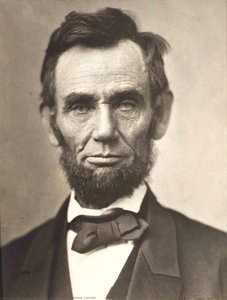
Gardner’s photographic contributions extended far beyond the battlefields of the Civil War. He captured compelling portraits, most notably several iconic images of Abraham Lincoln, including one taken just five days before his assassination. These portraits offer an intimate glimpse into the character of a leader grappling with immense responsibility during a time of national crisis. Following the war, Gardner continued to push the boundaries of photographic documentation, accepting a commission from the Union Pacific Railroad in 1867. This undertaking led him westward, where he meticulously photographed the construction of the transcontinental railroad and documented the lives and cultures of Native American tribes encountered along the way. These images provided invaluable visual records of the American frontier during a period of rapid expansion and transformation. He published his work in *Gardner’s Photographic Sketch Book of the War*, a two-volume collection that, despite initial attribution issues, ultimately established him as a significant photographic voice in his own right.Acknowledging a Legacy: Recognition and Enduring Significance
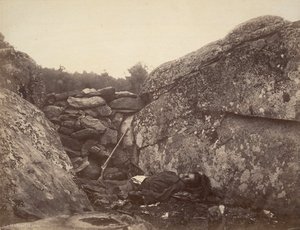
For many years, Gardner's contributions were overshadowed by Mathew Brady’s prominent name. Brady often presented the work of his staff under his own banner, leading to misattribution and a delayed recognition of Gardner’s individual artistry and skill. However, in recent decades, scholars and art historians have increasingly acknowledged Gardner as a pioneering photographer whose work stands on its own merit. His dedication to capturing truthful representations of events—whether documenting the horrors of war or the challenges of westward expansion—established him as a master of documentary photography. His images continue to resonate today, offering powerful insights into a pivotal period in American history and serving as a testament to the enduring power of visual storytelling. Home of a Rebel Sharpshooter at Gettysburg, for example, remains an iconic image, embodying both the beauty and tragedy of the Civil War landscape. Gardner’s legacy extends beyond his individual photographs; he helped shape the very language of photographic documentation, influencing generations of photographers who followed in his footsteps.A Lasting Collection
- Key Works: *Ruins at Manassas Junction*, *Abraham Lincoln* (1863), *Home of a Rebel Sharpshooter, Gettysburg*, photographs documenting the Union Pacific Railroad construction and Native American life.
- Influences: Mathew Brady, Robert Owen’s socialist ideals, early advancements in photographic technology.
- Legacy: Pioneering documentary photographer, significant contributor to Civil War visual history, influential figure in the development of American photography.
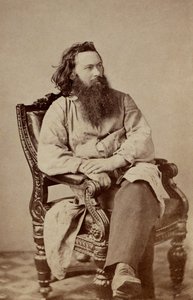
Alexander Gardner
1821 - 1882 , United Kingdom
Quick Facts
- Artistic Movement Or Style: Civil War Photography
- Artists Who Influenced This Artist: ['Mathew Brady']
- Date Of Birth: October 17, 1821
- Date Of Death: December 10, 1882
- Full Name: Alexander Gardner
- Nationality: Scottish-American
- Notable Artworks:
- Ruins at Manassas Junction
- Abraham Lincoln portrait
- Home of a Rebel Sharpshooter
- Place Of Birth: Paisley, UK
Related Articles

Beyond the Lens: Photography's Enduring Influence on Modern & Contemporary Art
Explore photography's pivotal role in shaping modern & contemporary art. Discover key movements, influential artists like Stieglitz, and expert collecting advice from ArtsDot.

Monochrome Visions: Exploring the Aesthetic & Historical Significance of Black & White Photography
Explore the rich history & artistic power of black and white photography. From early techniques to iconic masters like Ansel Adams, discover why monochrome continues to captivate art lovers today. Expert insights for collectors.
Witnessing History Through Lens & Light: Documentary Photography's Enduring Legacy
Explore the powerful history of documentary photography – from its origins to contemporary masters like Gordon Parks & W. Eugene Smith. Discover how this art form shapes our understanding of society and witness pivotal moments in time.

Pictorialism: A Search for Artistic Photography's Soul – Aesthetics, Techniques & Legacy
Explore the captivating world of Pictorialism – a pivotal movement that transformed photography into fine art. Discover key artists like Stieglitz & Käsebier, techniques, and collecting tips from experts.
Documentary Photography's Defining Moments: 10 Masterpieces for Your Home |
Explore 10 defining documentary photography masterpieces – from Dorothea Lange to Robert Capa. Discover powerful stories, iconic images & timeless art for your home. Museum-quality prints at .