 Preview
 Send
Send Share
Share
 Details

 Download
 Similars
 X-Ray
X-Ray Diaporama
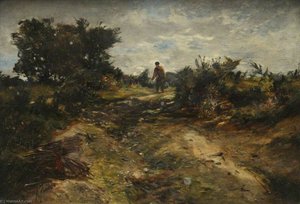
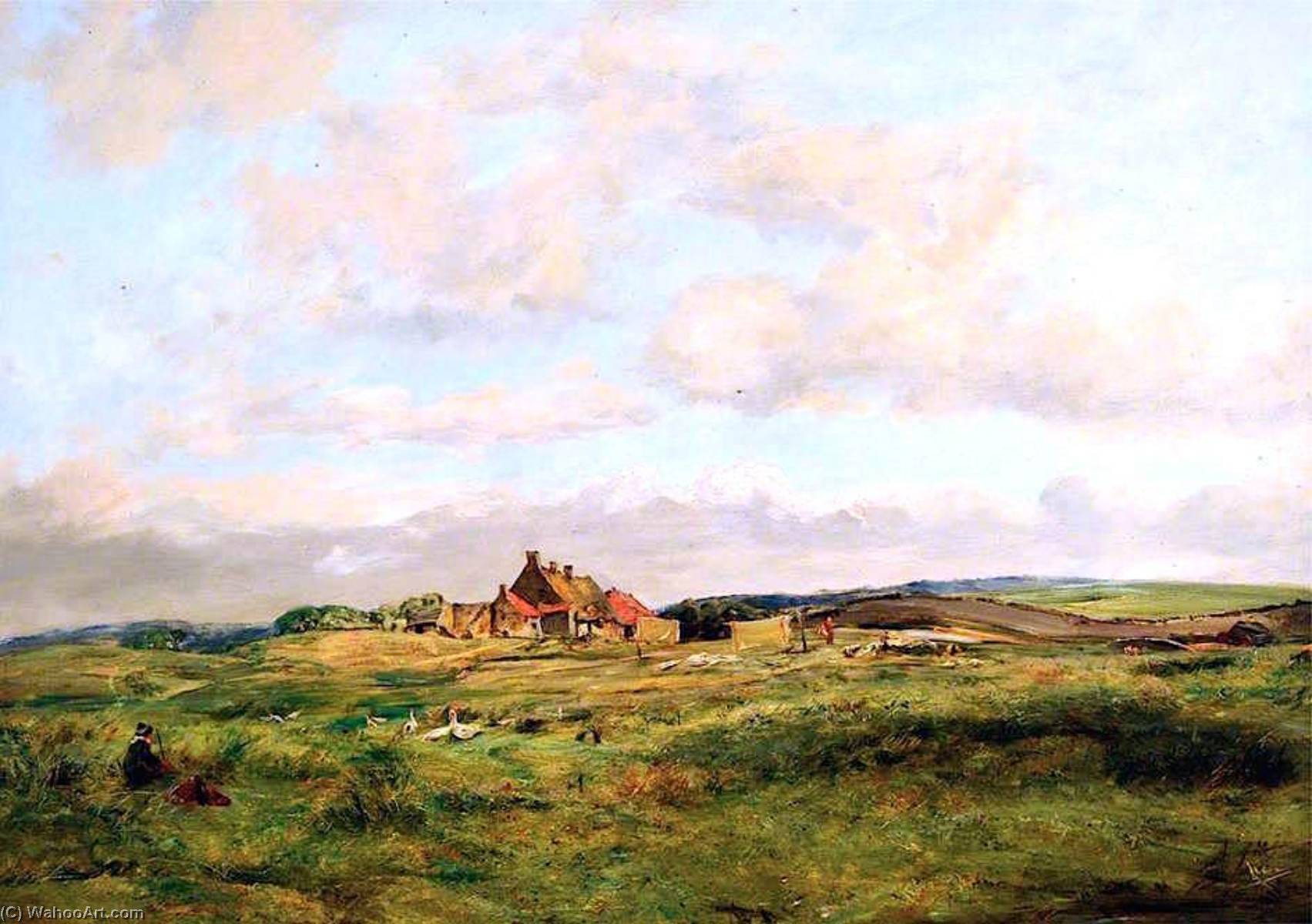
The Goose Girl


 Read More
Hand Made Oil Reproduction
Hand-painted oil on canvas in your size and frame, made to order by our artists. ( Buy Print Buy Image)




P118B $10

P118H $10

P118W $10

P438Z $10

P508JH $12

P508YH $12

P805H $10

P805Z $10

P919BZ $10

P919G $10

P919XJ $10

P959ZH $10

P968JZ $12

W106C $8

W218G $10

W218JH $8

W218Y $10

W307PJ $10

W316G $10

W316PJ $8

W316Y $10

W398PJ $8

W4111J $10

W500HY $15

W500JH $15

W692G $12

W849H $8

W940BG $15

W953PJ $8




Pick from our preset sizes that match the artwork's original proportions.

You may enter your own dimensions to fit a specific frame or space. If your selected size does not match the original image's proportions, we will either crop the artwork or extend the painting with additional hand-painted elements. A digital mockup will be sent for your approval before production begins.
Please note that the on-screen preview does not reflect the actual cropping or extension. Only the mockup will accurately show the final composition.
While custom sizes are available, we recommend selecting a dimension from the predefined list to preserve the original proportions.
After order, ArtsDot.com team will email client for instructions and provide a mockup preview
Worldwide Delivery () in 3/4 weeks instead of standard 5 weeks. (17 August). No compromise on quality.

Free Worldwide Express Shipping

High-Quality Linen Canvas

Full Shipping Insurance

Customs Tax Refund Guarantee

True Color Matching Guarantee

60-Day Return Policy (Defects Only)

100% Money-Back Guarantee

Bulk Discount Offer
 Glass option is only available in size under 110 CM

The Goose Girl
Reproduction Medium
Reproduction Size
-


Total Price
$ 263
Artwork Description
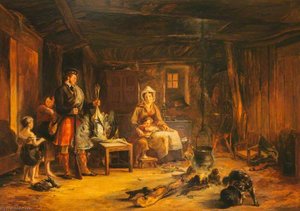
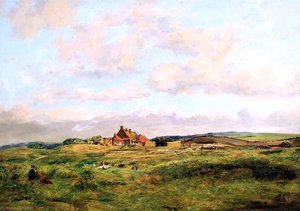
The Goose Girl – A Pastoral Vision of Victorian Scotland
Alexander George Fraser’s “The Goose Girl,” painted circa 1840, stands as a quintessential example of Romantic landscape painting and offers a poignant glimpse into the artistic sensibilities of mid-Victorian Britain. More than just a depiction of rural scenery, it embodies a broader yearning for simplicity and harmony with nature – sentiments deeply rooted in the Scottish Enlightenment and powerfully expressed through Fraser’s masterful brushwork.
- Subject Matter: The artwork portrays a tranquil farmhouse nestled amidst rolling green fields under a cloudy sky. Figures—likely depicting a family—are subtly integrated into the landscape, emphasizing the importance of domestic life within the natural world.
- Style & Influence: Fraser’s style aligns closely with Romanticism, prioritizing emotional response and idealized beauty over strict realism. He draws inspiration from artists like William Turner and George Caleb Bingham, adopting a technique characterized by atmospheric perspective and luminous color palettes—elements crucial to conveying mood and capturing the grandeur of the Scottish Highlands.
- Technique: Executed in oil paint on canvas, Fraser employs a delicate blending technique that achieves remarkable textural subtlety. Loose brushstrokes capture the undulating contours of the hillsides and the soft sheen of the farmhouse roof tiles, creating an illusion of depth and conveying the feeling of damp air—a characteristic feature of Highland weather conditions.
The painting’s color scheme is dominated by muted greens and browns, punctuated by splashes of warm red on the building's gable end. This restrained palette contributes to the overall serenity of the scene, mirroring the quiet dignity of rural existence. Fraser skillfully utilizes atmospheric perspective—reducing detail and lightening hues in distant elements—to heighten the sense of depth and distance, transporting viewers into a timeless landscape.
- Historical Context: “The Goose Girl” reflects the Victorian fascination with pastoral ideals – a reaction against the industrial revolution’s rapid urbanization. It speaks to a desire for escape from city life and reconnecting with the rhythms of rural tradition, themes prevalent in Scottish art during this period.
- Symbolism & Emotional Impact: Beyond its visual beauty, the artwork carries symbolic weight. The farmhouse represents stability and family unity, while the geese symbolize fertility and prosperity—elements central to the Scottish agricultural economy. Fraser’s aim is not merely to depict a landscape but to evoke feelings of peace, contentment, and nostalgia for a bygone era.
This reproduction captures the essence of Fraser's artistic vision, allowing collectors and interior designers alike to appreciate the enduring appeal of Romantic landscape painting—a testament to its ability to transport us back to a simpler, more harmonious time.
Related Artworks
Artist Biography
A Legacy of Scottish Scenes: The Life and Art of Alexander George Fraser
The name Alexander George Fraser echoes through the annals of 19th-century Scottish art, though often complicated by a familial connection that has led to occasional confusion. There were two artists of significant renown bearing this name – father and son – both dedicated to capturing the spirit of their homeland. This biography focuses on the elder Alexander George Fraser (1786-1865), a painter whose charming genre scenes and domestic interiors offered a window into the everyday life of Scotland during a period of rapid social change. Born in Edinburgh on April 7th, 1786, to Alexander Fraser, a grocer, and Magdalane Davie, the elder Fraser embarked on an artistic journey that would see him exhibit regularly at the Royal Academy in London for many years, establishing himself as a respected figure within the British art world. His early training took place under John Graham at the Trustees Drawing Academy of Edinburgh, alongside contemporaries like David Wilkie, William Allan and John Burnet – a formative experience that instilled in him a dedication to meticulous observation and narrative detail.From Edinburgh Roots to London Recognition
Fraser’s artistic development was significantly shaped by his association with David Wilkie, who recognized the younger artist's talent and employed him as an assistant. This collaboration proved invaluable, allowing Fraser to hone his skills in rendering intricate details and capturing the nuances of character – qualities that would become hallmarks of his own work. While working alongside Wilkie, Fraser began exhibiting independently, first at the Associated Artists in Edinburgh in 1809, then consistently at the Royal Academy from 1810 onwards. He moved to London in 1813, fully immersing himself in the vibrant artistic community and establishing a reputation for paintings that were both humorous and insightful. His subjects often revolved around scenes of domestic life, Highland sports, and rustic interiors, all rendered with a keen eye for realism and a touch of sentimental charm. These weren’t grand historical narratives or lofty portraits; instead, Fraser found beauty and meaning in the ordinary, elevating the everyday experiences of Scots to the level of artistic consideration.A Master of Genre and Domesticity
Alexander George Fraser's paintings are characterized by a remarkable attention to detail and a warm, inviting palette. He excelled at capturing the textures of fabrics, the gleam of pewter, and the rosy cheeks of his subjects, creating scenes that feel both intimate and authentic. Works like ‘A Highland Sportsman’ exemplify his ability to depict lively family moments within rustic settings, imbued with a sense of warmth and camaraderie. His compositions are carefully constructed, often employing linear perspective to draw the viewer into the scene, while his use of light and shadow adds depth and drama. While influenced by Wilkie's style, Fraser developed his own distinct voice, marked by a more relaxed and informal approach. He wasn’t interested in moralizing or making grand statements; rather, he sought to simply portray life as it was lived, with all its joys and imperfections. This commitment to realism, combined with his skillful technique, made his paintings immensely popular with collectors and critics alike.Later Life and Enduring Influence
In 1840, Fraser was elected an associate of the Royal Scottish Academy, a testament to his growing reputation and contribution to the Scottish art scene. However, ill health began to plague him in 1848, forcing him to curtail his artistic activities and cease exhibiting at the Royal Academy. He passed away on February 15th, 1865, at Wood Green, Hornsey, London, leaving behind a substantial body of work that continues to delight audiences today. While often overshadowed by his more famous contemporary, David Wilkie, and sometimes confused with his son, Alexander George Fraser (1827-1899), the elder Fraser’s contribution to Scottish art is undeniable. His paintings offer a valuable glimpse into the social and cultural life of 19th-century Scotland, capturing the spirit of a nation undergoing profound transformation. His legacy lies in his ability to find beauty in the ordinary and to portray the lives of everyday people with warmth, humor, and genuine affection. His works remain cherished examples of genre painting, reminding us of the power of art to connect us to the past and to celebrate the enduring human spirit.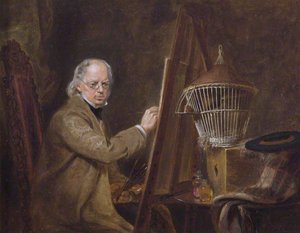
Alexander George Fraser
1786 - 1865 , United Kingdom
Quick Facts
- Artistic Movement Or Style: Landscape painting
- Artists Who Influenced This Artist: ['Horatio McCulloch']
- Date Of Birth: 1827
- Date Of Death: 1899
- Full Name: Alexander George Fraser
- Nationality: Scottish
- Place Of Birth: Linlithgow, UK
Related Articles

Georges Braque's Masterpieces: 25 Paintings That Defined Cubism & Modern Art | ArtsDot
Explore 25 iconic Georges Braque paintings that revolutionized Cubism & modern art. Discover the stories behind his masterpieces, from Fauvism to Analytical Cubism. Find museum-quality reproductions & elevate your home decor with ArtsDot.com.

Georges Seurat's Masterpieces: 25 Paintings That Defined Pointillism | ArtsDot
Explore 25 iconic Georges Seurat paintings & discover the brilliance of Pointillism. From 'La Grande Jatte' to his harbor scenes, delve into art history with ArtsDot.com. Find museum-quality reproductions for your home decor. Explore the full collection online!

Romantic Landscapes: 10 Masterpieces for Your Home | ArtsDot
Journey through 10 Romantic landscape masterpieces by Friedrich, Turner & Cole. Explore emotional art, sublime nature scenes & iconic 19th-century paintings. Find museum-quality reproductions for your home at ArtsDot.com – discover the full collection online!
Alexander Nasmyth: Picturing Scotland's Romantic Landscape – Innovation & Identity
Explore the life & art of Alexander Nasmyth, a pivotal figure in Scottish Romantic landscape painting. Discover his iconic works, including portraits of Robert Burns, and learn about his lasting influence on national identity. Fine art reproductions available.

John Constable's Masterpieces: Explore 25 Iconic Landscapes for Your Home
Journey through John Constable's 25 most celebrated landscapes. Explore Romanticism, Dedham Vale & his masterful use of light in iconic paintings like 'Hay Wain'. Find museum-quality art reproductions and elevate your home decor on ArtsDot.com.