 Preview
 Send
Send Share
Share
 Details

 Download
 Similars
 X-Ray
X-Ray Diaporama
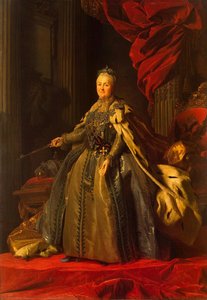
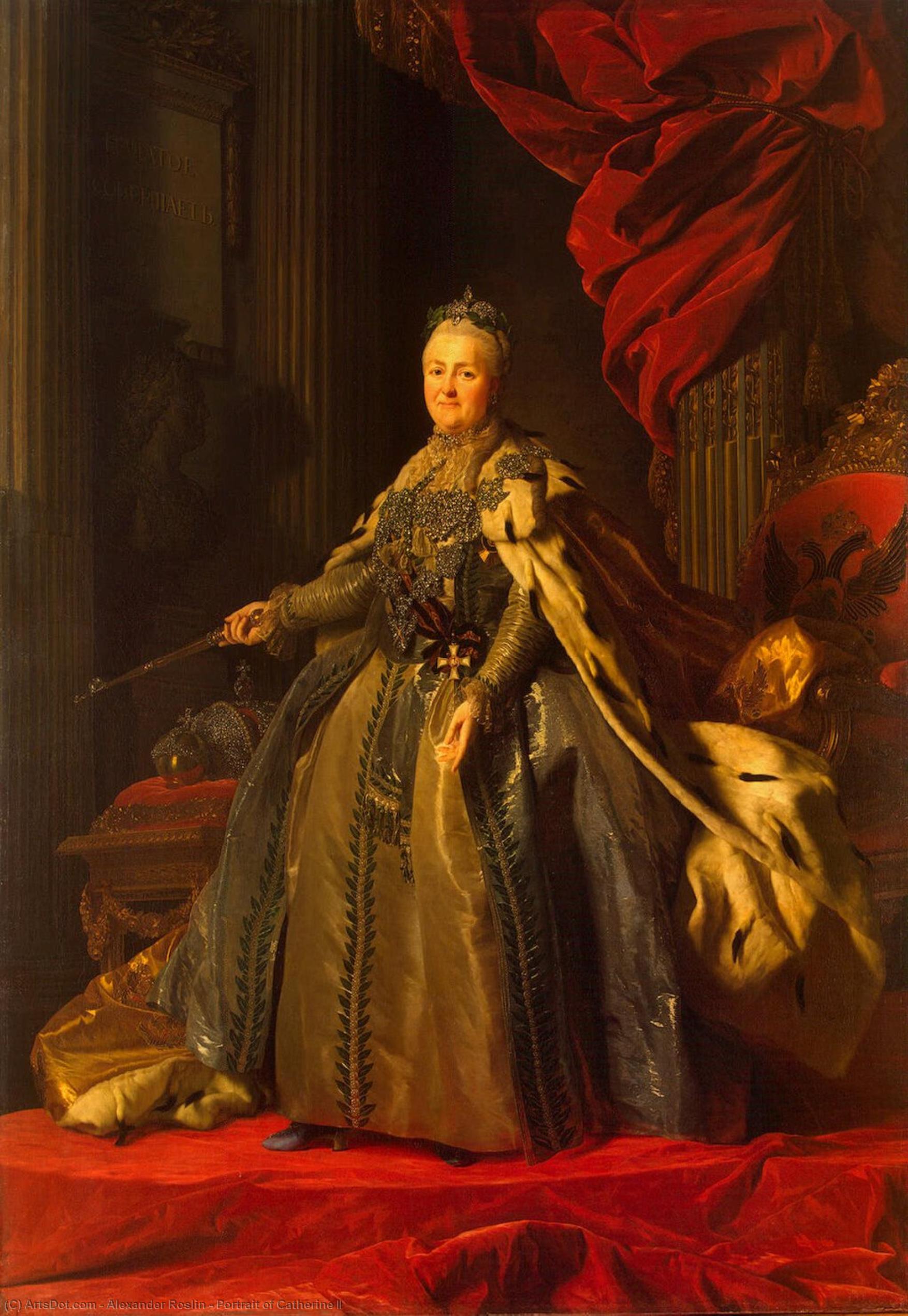
Portrait of Catherine II
 Acrylic
- WallArt
- Rococo
 1776
1776 274.0 x 190.0 cm
 Hermitage Museum
 Read More
Hand Made Oil Reproduction
Hand-painted oil on canvas in your size and frame, made to order by our artists. ( Buy Print Buy Image)




P118B $10

P118H $10

P118W $10

P438Z $10

P508JH $12

P508YH $12

P805H $10

P805Z $10

P919BZ $10

P919G $10

P919XJ $10

P959ZH $10

P968JZ $12

W106C $8

W218G $10

W218JH $8

W218Y $10

W307PJ $10

W316G $10

W316PJ $8

W316Y $10

W398PJ $8

W4111J $10

W500HY $15

W500JH $15

W692G $12

W849H $8

W940BG $15

W953PJ $8




Pick from our preset sizes that match the artwork's original proportions.

You may enter your own dimensions to fit a specific frame or space. If your selected size does not match the original image's proportions, we will either crop the artwork or extend the painting with additional hand-painted elements. A digital mockup will be sent for your approval before production begins.
Please note that the on-screen preview does not reflect the actual cropping or extension. Only the mockup will accurately show the final composition.
While custom sizes are available, we recommend selecting a dimension from the predefined list to preserve the original proportions.
After order, ArtsDot.com team will email client for instructions and provide a mockup preview
Worldwide Delivery () in 3/4 weeks instead of standard 5 weeks. (16 August). No compromise on quality.

Free Worldwide Express Shipping

High-Quality Linen Canvas

Full Shipping Insurance

Customs Tax Refund Guarantee

True Color Matching Guarantee

60-Day Return Policy (Defects Only)

100% Money-Back Guarantee

Bulk Discount Offer
 Glass option is only available in size under 110 CM

Portrait of Catherine II
Reproduction Medium
Reproduction Size
-


Total Price
$ 263
Artwork Description
Portrait of Catherine II by Alexander Roslin – A Window Into Imperial Grace
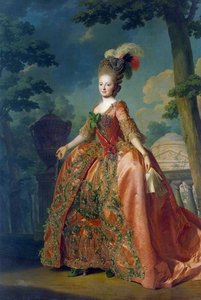
The painting “Portrait of Catherine II” by Alexander Roslin stands as an emblem of the Baroque era’s fascination with grandeur and psychological depth, capturing the essence of Empress Catherine II—the Great—who reigned over Russia from 1762 until her death in 1793. Executed in 1776-77 during Roslin's Parisian zenith, this monumental canvas transcends mere likeness; it’s a masterful distillation of aristocratic elegance and an astute exploration of Catherine’s inner life—a feat rarely achieved by portrait painters of the time.- Subject Matter & Composition: Roslin skillfully portrays Catherine II seated on a chair, crossed legs conveying both regal composure and subtle vulnerability. The inclusion of two chairs behind her adds to the sense of formality and reinforces the image of imperial authority.
- Style & Technique: Roslin’s signature style blends Classicist influences with the shimmering luminescence characteristic of Rococo. He employs meticulous brushwork—particularly in rendering fabrics like the opulent sash and Catherine's gown—demonstrating unparalleled skill in capturing textures and conveying visual richness. The use of chiaroscuro – dramatic contrasts between light and shadow – enhances the portrait’s emotional impact, highlighting Catherine’s face and drawing attention to her gaze.
- Historical Context: Catherine II ascended to the throne following a tumultuous coup against Peter III, marking a pivotal moment in Russian history. Roslin's depiction reflects the prevailing artistic sensibilities of the period—a celebration of royal power and an aspiration for refined taste—amidst a broader cultural landscape shaped by Enlightenment ideals.
- Symbolism: The crown adorning Catherine’s head symbolizes her sovereignty and divine right to rule. Furthermore, the posture of her seated figure embodies dignity and self-assurance, projecting an image of strength and intelligence.
The Hermitage's Masterpiece – A Legacy of Artistic Brilliance
Displayed prominently at The Hermitage Museum in St. Petersburg, “Portrait of Catherine II” remains one of Roslin’s most celebrated works—a testament to his artistic genius and a cornerstone of Russian art history. Its enduring appeal stems not only from its technical virtuosity but also from its profound psychological insight—Roslin successfully conveyed Catherine's character and inner thoughts through subtle facial expressions and gestures, capturing the complexities of human emotion within the confines of aristocratic portraiture.- Dimensions & Materials: Measuring 271 cm x 189.5 cm (approximately 106.7 x 74.8 inches), the painting is executed on canvas using oil paints—a technique favored by Roslin for its ability to achieve luminous colors and realistic textures.
- Provenance: The portrait’s history traces back to Catherine II herself, who commissioned it shortly after securing her throne. Its subsequent acquisition by the Hermitage solidified its place as a national treasure—a symbol of Russia's artistic heritage and imperial grandeur.
Beyond Representation – Roslin’s Artistic Vision
Alexander Roslin wasn’t merely replicating Catherine II’s appearance; he was striving to capture her essence—her intellect, her ambition, and her inner convictions. This ambitious undertaking exemplifies Roslin's commitment to psychological realism—a departure from earlier portrait conventions that prioritized idealized beauty over nuanced character portrayal. His meticulous attention to detail—particularly in rendering fabrics and jewelry—underscores his mastery of technique and elevates “Portrait of Catherine II” beyond a mere visual record into an evocative exploration of human psychology.- Critical Reception: Contemporary critics lauded Roslin’s portrait for its masterful execution and psychological depth, recognizing it as one of the finest examples of Rococo portraiture—a genre characterized by elegance, ornamentation, and a preoccupation with capturing inner emotions.
A Timeless Icon – Inspiration for Artists and Collectors
“Portrait of Catherine II” continues to inspire artists and collectors alike—serving as a benchmark against which subsequent portraits are judged. Its luminous colors, dramatic chiaroscuro, and psychologically astute portrayal exemplify the apex of Baroque artistic achievement—a legacy that transcends time and resonates with audiences today. It stands as an enduring reminder of Roslin’s unparalleled skill and his profound understanding of human nature.Related Artworks
Artist Biography
A Life Dedicated to Portraiture: The World of Alexander Roslin
Born in Malmö, Sweden, in 1718, Alexander Roslin emerged as one of the most celebrated Rococo portraitists of his era. Initially destined for a practical life as a naval draughtsman – his father was a naval physician – young Alexander’s innate artistic talent quickly steered him toward a different path. His early training under Admiralty Captain Lars Ehrenbill provided foundational skills, but it was his subsequent apprenticeship with Georg Engelhard Schröder in Stockholm that truly ignited his passion and shaped his aesthetic sensibilities. Schröder exposed Roslin to the grand masters of portraiture, notably Hyacinthe Rigaud and Nicolas de Largillière, whose influence would become subtly woven into the fabric of his own distinctive style. These formative years instilled not only technical proficiency but also a deep appreciation for capturing character and social standing within the conventions of aristocratic representation.From Swedish Beginnings to Parisian Triumph
Roslin’s artistic journey wasn't confined by national borders. After establishing himself in Scania with portraits of local nobility – works that, while skillful, initially reflected a certain conventional stiffness inherited from Schröder – he embarked on a period of travel and exploration. An invitation to work for Frederick, Margrave of Brandenburg-Kulmbach in Bayreuth led him to Italy, where he immersed himself in the study of Renaissance and Baroque masters. This Italian sojourn broadened his artistic horizons and honed his ability to portray prominent families, including those connected to the Duke of Parma. However, it was Paris that ultimately became Roslin’s adopted home and the epicenter of his success. Settling there in 1752, he rapidly ascended within the Parisian art world, gaining recognition for a style that masterfully blended Classicist refinement with the vibrant colors and playful elegance characteristic of the Rococo period. His election to the French Art Academy solidified his position as a leading portraitist, sought after by the aristocracy and elite circles of society. A European Grand Tour followed between 1774-1778, taking him back to Stockholm, Vienna, and St. Petersburg, extending his patronage network across the continent. Even as he returned to Paris in 1778, a sense of decline began to creep into his health, coinciding with the shifting political landscape that would soon diminish the demand for lavish aristocratic portraiture during the French Revolution.A Master of Texture and Psychological Insight
Roslin’s artistic prowess lay not only in his ability to faithfully reproduce likenesses but also in his exceptional skill at rendering textures and materials with breathtaking realism. He was renowned for his depictions of sumptuous fabrics – silks, velvets, satins – shimmering jewels, and delicate lace, each detail meticulously rendered to convey a sense of luxury and refinement. However, beyond mere technical virtuosity, Roslin possessed a remarkable gift for capturing the inner character of his sitters. His portraits weren’t simply representations of outward appearance; they were attempts to reveal personality, social standing, and even fleeting emotions. This psychological depth, combined with his masterful technique, set him apart from many of his contemporaries. He wasn't merely painting clothes and faces; he was crafting narratives about the individuals who inhabited them. His style is often described as a delicate balance between the formality of Classicism and the lightheartedness of Rococo, creating portraits that are both dignified and engaging. The influence of Rigaud and Largillière is visible in his compositions and poses, but Roslin infused these traditions with his own unique sensibility, developing a distinctive approach to color and brushwork. Later works show a shift towards Dutch color treatment, demonstrating an evolving artistic vision even as his health declined.Legacy and Enduring Appeal
Alexander Roslin’s legacy extends far beyond the confines of 18th-century aristocratic portraiture. His works are now held in major museums worldwide, including the Louvre and the National Gallery, testament to their enduring artistic merit and historical significance. The sale of his *Portrait of Jeanne Sophie de Vignerot du Plessis, Countess of Egmont Pignatelli* for US$3 million in 2006 underscores the continued demand for his paintings among collectors and art enthusiasts. His *Portrait of Louis, Duke of La Rochefoucauld*, which won a prize over Jean-Baptiste Greuze, further cemented his prominence within the Parisian art scene. Perhaps one of his most poignant works is the *Double Portrait of Alexander Roslin and Marie-Suzanne Roslin* (1767), a tender depiction of the artist with his wife, Marie-Suzanne Giroust – herself a talented pastellist. This painting not only showcases their artistic collaboration but also offers a glimpse into their personal connection. Considered one of Sweden’s most celebrated artists in Europe during the 18th century, Roslin successfully bridged stylistic divides and achieved international recognition. His meticulous attention to detail, his ability to capture personality, and his masterful technique continue to inspire admiration and influence portrait painters today. He remains a pivotal figure in the history of art, embodying the elegance, refinement, and intellectual curiosity of the Rococo era. His work serves as a window into a bygone world, offering us a glimpse into the lives and sensibilities of those who shaped 18th-century Europe.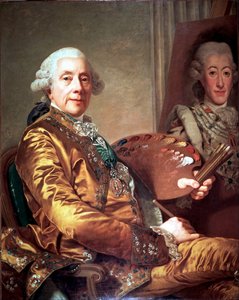
Alexander Roslin
1718 - 1793 , Sweden
Quick Facts
- Artistic Movement Or Style: Rococo
- Artists Or Movements Influenced By This Artist: ['Subsequent portrait painters']
- Artists Who Influenced This Artist:
- Hyacinthe Rigaud
- Nicolas de Largillière
- Date Of Birth: July 15, 1718
- Date Of Death: 1793
- Full Name: Alexander Roslin
- Nationality: Swedish
- Notable Artworks:
- Portrait of Jeanne Sophie de Vignerot du Plessis
- Portrait of Louis, Duke of La Rochefoucauld
- Double Portrait of Roslin & Marie-Suzanne
- Place Of Birth: Malmö, Sweden
Related Articles
From Grandeur to Grace: Exploring the Evolution of Baroque & Rococo Art
Explore the captivating evolution from Baroque's drama to Rococo's grace! Discover key artists, characteristics & lasting influence of these art movements with expert insights at ArtsDot.

Rococo's Radiant Legacy: 10 Masterpieces for Your Home |
Indulge in the elegance of Rococo! Explore 10 masterpieces by Fragonard, Boucher & Watteau. Discover the stories behind these iconic paintings and bring timeless art to your home with museum-quality reproductions from .

The Rococo Aesthetic: Opulence, Rebellion & the Pursuit of Pleasure in 18th-Century Art
Explore the opulent world of Rococo art! Discover its origins, key artists like Watteau & Boucher, and lasting influence on design. Expert insights for collectors & enthusiasts.
Decoding Baroque Grandeur: A Guide to the Drama and Emotion of 17th-Century Art
Explore the breathtaking drama of 17th-century Baroque art. Our expert guide decodes the use of chiaroscuro, emotional intensity, and historical grandeur to help you appreciate and curate timeless masterpieces for your collection.

Baroque Drama: Bringing Opulence & Emotion into Contemporary Interiors
Explore the opulent world of Baroque interior design! Discover key elements, modern applications & how to bring dramatic elegance into your home with 's authentic reproductions.