 Preview
 Send
Send Share
Share
 Details

 Download
 Similars
 X-Ray
X-Ray Diaporama
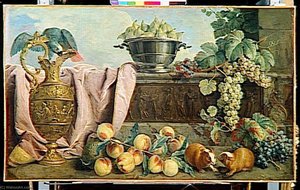
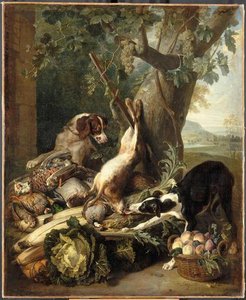
NATURE MORTE A L'AIGUIERE


 Read More
Hand Made Oil Reproduction
Hand-painted oil on canvas in your size and frame, made to order by our artists. ( Buy Print Buy Image)




P118B $10

P118H $10

P118W $10

P438Z $10

P508JH $12

P508YH $12

P805H $10

P805Z $10

P919BZ $10

P919G $10

P919XJ $10

P959ZH $10

P968JZ $12

W106C $8

W218G $10

W218JH $8

W218Y $10

W307PJ $10

W316G $10

W316PJ $8

W316Y $10

W398PJ $8

W4111J $10

W500HY $15

W500JH $15

W692G $12

W849H $8

W940BG $15

W953PJ $8




Pick from our preset sizes that match the artwork's original proportions.

You may enter your own dimensions to fit a specific frame or space. If your selected size does not match the original image's proportions, we will either crop the artwork or extend the painting with additional hand-painted elements. A digital mockup will be sent for your approval before production begins.
Please note that the on-screen preview does not reflect the actual cropping or extension. Only the mockup will accurately show the final composition.
While custom sizes are available, we recommend selecting a dimension from the predefined list to preserve the original proportions.
After order, ArtsDot.com team will email client for instructions and provide a mockup preview
Worldwide Delivery () in 3/4 weeks instead of standard 5 weeks. (30 August). No compromise on quality.

Free Worldwide Express Shipping

High-Quality Linen Canvas

Full Shipping Insurance

Customs Tax Refund Guarantee

True Color Matching Guarantee

60-Day Return Policy (Defects Only)

100% Money-Back Guarantee

Bulk Discount Offer
 Glass option is only available in size under 110 CM

NATURE MORTE A L'AIGUIERE
Reproduction Medium
Reproduction Size
-


Total Price
$ 263
Alexandre-François Desportes: The Painter of Royal Hunts
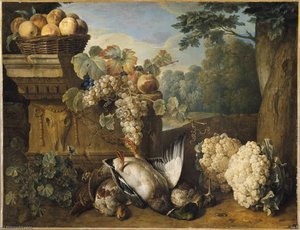
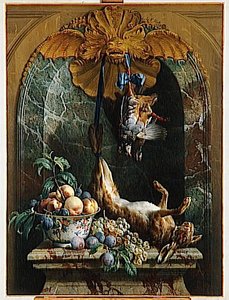
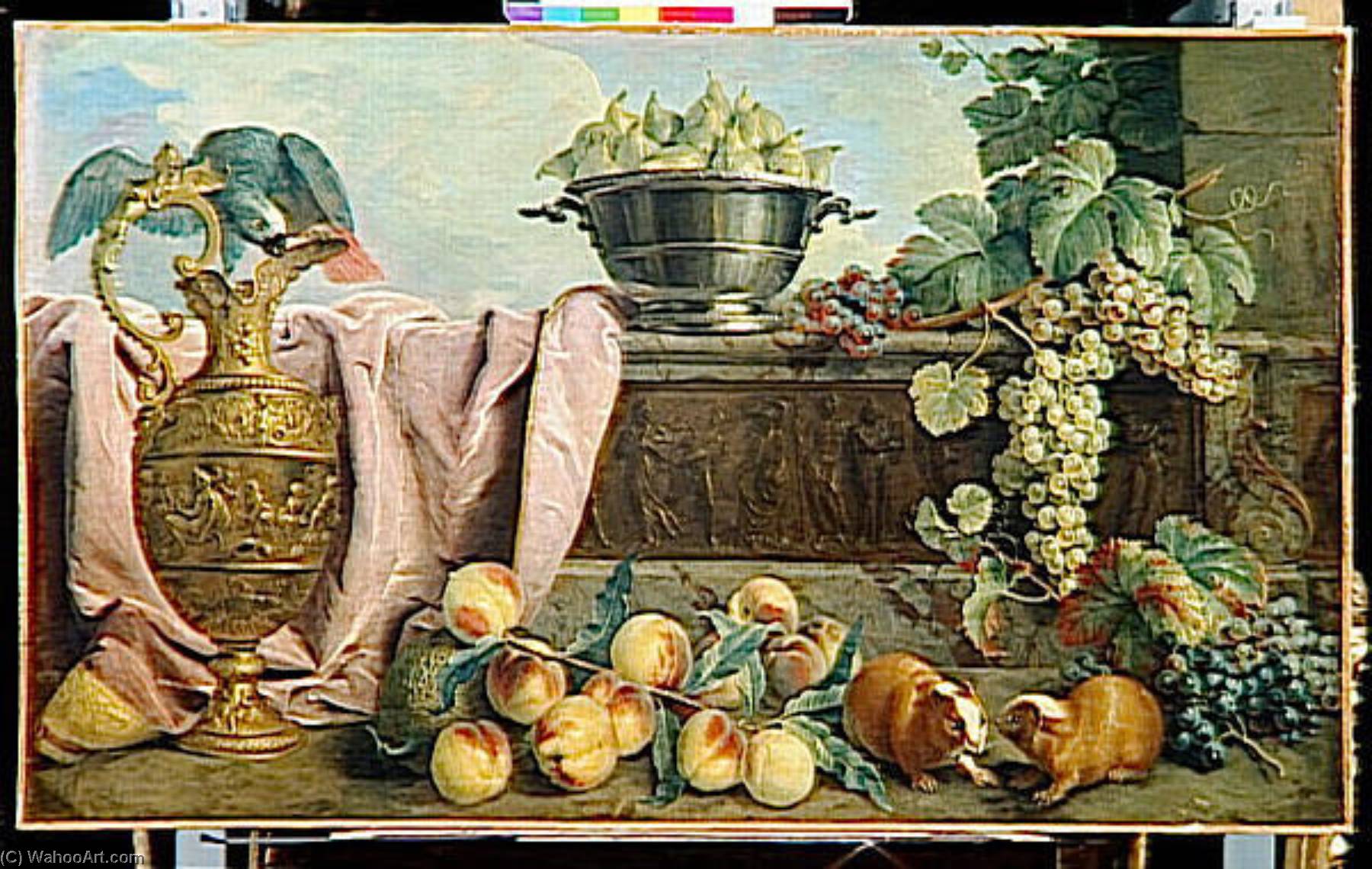
Alexandre-François Desportes (1661–1743) stands as an enigmatic figure in 18th-century art – a master of animal painting and decorative design whose work offered a rare glimpse into the opulent world of French royalty. His life’s trajectory was shaped by a confluence of factors: a privileged upbringing, early training under a Flemish painter steeped in the traditions of Antwerp, and a profound fascination with the natural world, particularly the rituals and aesthetics of the royal hunt. This singular passion would define his artistic output and solidify his reputation as one of the era's most celebrated artists. Desportes’ artistic journey began modestly. Sent to Paris at the age of twelve to study under Nicasius Bernaerts, a pupil of Frans Snyders, he initially honed his skills in portraiture. However, a pivotal experience during a brief sojourn in Poland between 1695 and 1696 – painting portraits for King John III Sobieski – ignited a lifelong passion for depicting animals, specifically those involved in the hunt. This encounter profoundly shifted his artistic focus, leading him back to France with a newfound determination to specialize in this captivating subject matter. He was formally admitted to the Académie de peinture et de sculpture in 1699, an achievement that solidified his position within the artistic establishment. Crucially, he secured commissions from both Louis XIV and Louis XV, becoming intimately involved in documenting their favorite hunting dogs – a privilege afforded to few artists of the era. These portraits weren’t merely representations; they were carefully constructed narratives reflecting the king's status, his connection to nature, and the grandeur of the royal hunt. During these commissions, Desportes distinguished himself through an innovative approach to composition. Unlike many artists who relied solely on memory or idealized depictions, he meticulously studied the natural world *in situ*, carrying a small notebook with him during royal hunts. He sketched directly from observation, capturing the movement of animals, the play of light and shadow—details that imbued his paintings with remarkable realism. His meticulous attention to detail extended beyond mere representation; it was an attempt to convey not just what he saw but also how he felt about it. This approach is particularly evident in “NATURE MORTE A L'AIGUIERE,” a masterpiece that exemplifies Desportes’ artistic vision and technical prowess.- Subject Matter: The artwork presents a classic still life—an arrangement of inanimate objects intended to be aesthetically pleasing and often symbolic. The presence of fruit can represent abundance or fleeting beauty, mirroring the ephemeral nature of royal hunts and reflecting Desportes’ fascination with capturing moments of natural splendor.
- Style & Technique: “NATURE MORTE A L'AIGUIERE” adheres to the conventions of 18th-century French still life painting, emphasizing realism, elegance, and refined composition. The artist employs oil paints on canvas, layering pigment to achieve textures that mimic the surfaces of stone, drapery, and metal—a testament to Desportes’ mastery of technique.
- Composition: Balanced and symmetrical, the scene centers around a large ornate golden ewer draped in pink fabric. A silver pot filled with greenery sits behind it, slightly off-center. Fruit (peaches, grapes) are arranged on the ledge below, cascading towards the viewer. Foliage, including grape leaves and vines, drapes across the top of the composition, adding visual interest and a sense of abundance.
- Color Palette: The color palette is dominated by warm tones – golds, peaches, browns, and pinks – contrasted with cooler greens and silvers. This muted quality contributes to the painting’s aged appearance and evokes a feeling of tranquility.
Related Artworks
Artist Biography
Alexandre-François Desportes: The Painter of Royal Hunts
Born in the Ardennes region of France in 1661, Alexandre-François Desportes emerged as a singular figure in 18th-century art – a master of animal painting and decorative design whose work offered a rare glimpse into the opulent world of French royalty. His life’s trajectory was shaped by a confluence of factors: a privileged upbringing, early training under a Flemish painter steeped in the traditions of Antwerp, and a profound fascination with the natural world, particularly the rituals and aesthetics of the royal hunt.
Desportes' artistic journey began modestly. Sent to Paris at the age of twelve to study under Nicasius Bernaerts, a pupil of the renowned Frans Snyders, he initially honed his skills in portraiture. However, a pivotal experience during a brief sojourn in Poland between 1695 and 1696 – painting portraits for King John III Sobieski – ignited a lifelong passion for depicting animals, specifically those involved in the hunt. This encounter profoundly shifted his artistic focus, leading him back to France with a newfound determination to specialize in this captivating subject matter.
The Royal Patronage and a New Artistic Direction
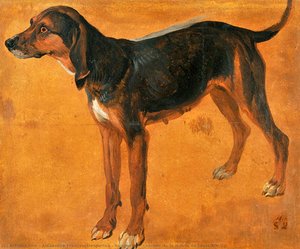
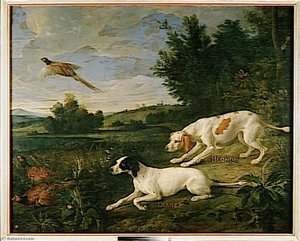
Upon his return to Paris, Desportes swiftly established himself as a sought-after artist for the French court. He was formally admitted to the Académie de peinture et de sculpture in 1699, an achievement that solidified his position within the artistic establishment. Crucially, he secured commissions from both Louis XIV and Louis XV, becoming intimately involved in documenting their favorite hunting dogs – a privilege afforded to few artists of the era. These portraits weren’t merely representations; they were carefully constructed narratives reflecting the king's status, his connection to nature, and the grandeur of the royal hunt.
Desportes’ role extended beyond simple portraiture. He was tasked with creating elaborate decorative panels for several of France’s most magnificent châteaux – Versailles, Marly, Meudon, Compiègne, and Choisy – each reflecting a distinct architectural style and showcasing the artist's versatility. His work at Choisy, commissioned in 1742 for Louis XV, stands as a particularly significant example, offering a rare insight into the lavish interiors of the royal court. He also undertook decorative paintings for the Duc de Bourbon at Chantilly, further demonstrating his ability to adapt his style to diverse patrons and settings.
A Unique Approach: Landscape Studies and Still Life
What truly distinguished Desportes from his contemporaries was his innovative approach to composition. Unlike many artists who relied solely on memory or idealized representations, Desportes meticulously studied the natural world *in situ*, carrying a small notebook with him during royal hunts. He sketched directly from observation, capturing the movement of animals, the play of light and shadow, and the surrounding landscape – elements that would later inform his finished paintings. This commitment to direct observation was revolutionary for its time.
His paintings frequently combined these dynamic hunting scenes with meticulously rendered still lifes featuring displays of silver tableware—a practice reflecting the opulent dining customs of the French court. These arrangements weren’t merely decorative; they served as visual documents, offering a glimpse into the lost wealth and extravagance of Louis XIV's reign. The inclusion of these elaborate silver settings has proven invaluable to historians seeking to reconstruct the material culture of the period.
Tapestry Cartoons and Lasting Legacy
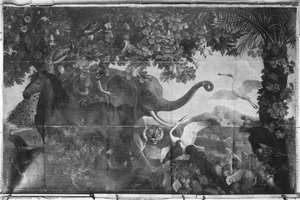
Desportes’ influence extended beyond painting, as he was also commissioned to create cartoons for tapestries produced by the Savonnerie and Gobelins workshops. His designs for “Les Nouvelles Indes,” a series of eight magnificent tapestries woven at the Gobelins, are among his most celebrated achievements. These works demonstrate his mastery of composition, color, and detail – skills that he skillfully translated into the intricate patterns of tapestry weaving.
Desportes left behind a substantial body of work in his studio upon his death in 1743, including numerous studies of animals and plants alongside fox-hunting sketches by Jan Fyt. His nephew, Nicolas Desportes, continued to develop the artistic traditions he had established, ensuring that his legacy would endure. The comte d'Angiviller’s acquisition of these resources for painter’s models at the Sèvres porcelain manufactory further cemented Desportes’ influence throughout the century, demonstrating a remarkable ability to adapt and inspire generations of artists.
Key Characteristics & Influence
Desportes’ art is characterized by its meticulous detail, dramatic lighting, and a profound understanding of animal behavior. His compositions are often dynamic and engaging, capturing the energy and excitement of the hunt. He skillfully blended Flemish artistic traditions with his own innovative approach to landscape studies, creating works that are both visually stunning and historically significant. His work continues to be studied by art historians and collectors today, offering a valuable window into the world of 18th-century French royalty and the artistry of Alexandre-François Desportes.
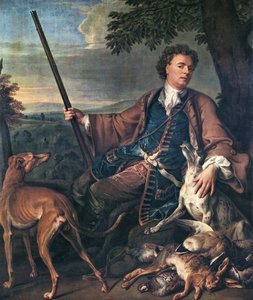
alexandre françois desportes
1661 - 1743 , France
Quick Facts
- Artistic Movement Or Style: Animalier, Baroque
- Artists Or Movements Influenced By This Artist:
- Oudry
- Baroque painting
- Artists Who Influenced This Artist:
- Nicasius Bernaerts
- Frans Snyders
- Date Of Birth: Feb 24, 1661
- Date Of Death: Apr 20, 1743
- Full Name: Alexandre-François Desportes
- Nationality: French
- Notable Artworks:
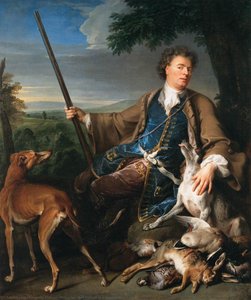
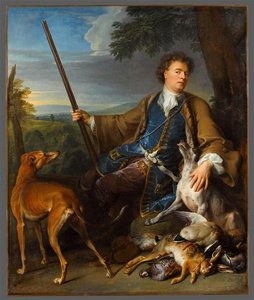
- Self-Portrait in Hunting Dress
- Tapestry cartoons (Gobelins)
- Les Nouvelles Indes tapestries
- Place Of Birth: Champigneulle, France
Related Articles
Animalia: Exploring the Enduring Presence of Animals in Art & Interior Design
Explore the rich history of animal symbolism in art, from ancient mythology to modern masterpieces. Discover how animals have inspired artists for centuries and learn how to incorporate these powerful motifs into your home décor.
Simon Vouet: A Baroque Master's Journey from Italian Influence to French Classicism
Explore the life & art of Simon Vouet, a pivotal French Baroque painter who introduced Italian styles to France. Discover his masterpieces and lasting influence on 17th-century art.
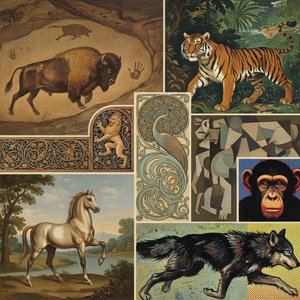
Beastly Brushstrokes: A Historical Journey Through Animal Painting & Aesthetic Movements
Explore the rich history of animal painting across cultures & movements. Discover iconic artists, symbolism, collecting trends & expert art consultation at ArtsDot.com.

Baroque Drama: Bringing Opulence & Emotion into Contemporary Interiors
Explore the opulent world of Baroque interior design! Discover key elements, modern applications & how to bring dramatic elegance into your home with 's authentic reproductions.

Baroque Masterpieces: 10 Paintings That Defined an Era |
Journey through the drama & grandeur of Baroque art! Explore 10 masterpieces by Caravaggio, Rembrandt, Rubens & more. Discover stunning oil paintings, rich colors & timeless stories. Find museum-quality reproductions at .