

 Preview
 Send
Send Share
Share
 Details

 Download
 Similars
 X-Ray
X-Ray Diaporama
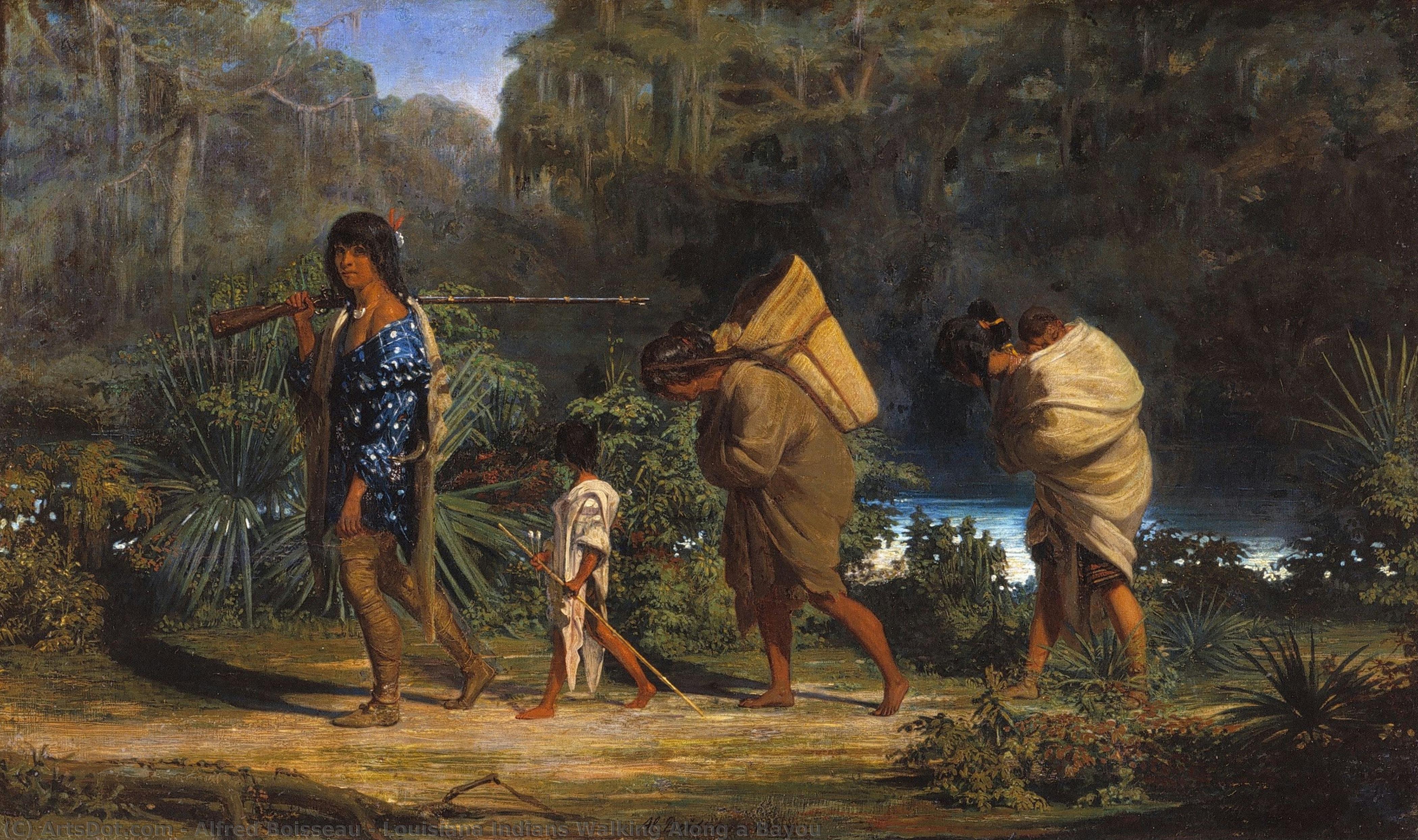
Louisiana Indians Walking Along a Bayou


 Read More
Purchase a high-resolution, enhanced digital image, far superior to the online preview.
Each file is meticulously prepared by our in-house specialists using advanced tools and expert manual retouching. We ensure every image has exceptional clarity, precise color accuracy, and fine detail.
The final file is delivered via email within 72 hours, optimized for immediate use in professional, editorial, and print environments. This is the same quality trusted by top-tier design studios, publishers, and galleries.
Digital Image
Download a high-resolution file for personal display, printing, and creative projects. ( Buy Print Buy Hand Made Painting)
Included in Every Digital Image Order
Expert Digital Delivery, Guaranteed
When you choose ArtsDot.com, you're not just getting an image - you're receiving a professionally enhanced digital artwork, crafted with precision and backed by a satisfaction guarantee. Here's everything that comes with your order, automatically:

Fast Email Delivery
Your high-resolution digital image file will be emailed to you within 72 hours of ordering - ready for immediate use.

AI-Enhanced Digital File
Your artwork is professionally optimized using advanced AI tools and manual editing, ensuring maximum detail, clarity, and color accuracy.

Free Lifetime Re-Delivery
Accidentally deleted or lost your file? No worries - we'll resend it to you anytime, free of charge.

No Import Fees - Ever
Enjoy your artwork instantly with zero customs, duties, or delivery fees - digital downloads are always tax-free.

Color Accuracy Guarantee
We ensure your digital image reflects the original colors as closely as possible using professional tools and color management.

60-Day Satisfaction Guarantee
If you're not satisfied with your digital image, we'll revise it or refund 100% within 60 days - no questions asked.

100% Money-Back Guarantee
Not satisfied? Get a full refund within 60 days of receiving your digital file - no questions asked.

Bulk Order Discounts
Buy 3 images, save 10% - Buy 5, save 15% - Buy 10+, save 20%. Great for creative projects, galleries, and agencies.
Related Artworks







Artist Biography
The Dual Legacy of Alfred Boisseau
Alfred Boisseau (1823–1901) stands as a fascinating figure in 19th-century art history—a painter who carved out a distinctive path by blending European academic tradition with the vibrant, untamed spirit of North American landscapes and indigenous cultures. Born in Paris, France, his formative years instilled him with a grounding in Neo-Classical aesthetics championed by the renowned Paul Delaroche. This rigorous training provided him with a meticulous approach to technique, characterized by careful observation and precise rendering. Yet, Boisseau possessed an adventurous spirit that refused to be confined by the gilded halls of Parisian academies. Driven by a restless curiosity and familial ties, he emigrated to the United States in 1845, settling initially in New Orleans. This migration marked the beginning of a profound artistic evolution, as his vision expanded to encompass the grandeur and intimacy of two distinct worlds.
In the burgeoning Creole society of New Orleans, Boisseau found an environment ripe for experimentation. His brother’s position at the French Consulate offered invaluable connections, allowing him to navigate the social and cultural complexities of the American South. It was here that his fascination with the indigenous peoples of the region began to flourish. Unlike many of his contemporaries who viewed the frontier through a lens of mere exoticism, Boisseau approached his subjects with a profound respect and a rare sensitivity. His depictions of the Choctaw Indians inhabiting Louisiana and Mississippi were imbued with a dignity that transcended simple portraiture. Through his brush, the landscapes of the bayous and the faces of their inhabitants became part of a larger, more complex narrative of human connection to the land.
A Synthesis of Style and Subject
The brilliance of Boisseau’s oeuvre lies in his ability to synthesize the structured elegance of Neo-Classicism with the emotive power of Romanticism. While his technical foundation remained rooted in the precise, academic methods learned under Delaroche, his subject matter pushed him toward a more atmospheric and spontaneous style. This duality is perhaps most evident in his landscape works, where the careful rendering of light and shadow meets the wild, unpredictable nature of the American wilderness. He captured not just the physical reality of the North American frontier, but its emotional resonance—the sense of vastness, mystery, and the encroaching change brought by westward expansion.
His artistic development can be viewed through several key pillars:
- Academic Foundation: The disciplined training in Paris that provided him with the technical mastery required to render complex textures and human anatomy.
- Cultural Documentation: His role as a visual chronicler of the Choctaw and other indigenous groups, capturing a way of life during a period of immense historical transition.
- Geographic Expansion: The movement from the structured urbanity of France to the lush, humid landscapes of Louisiana and eventually into the broader North American context.
- Technological Intersection: His unique position as both a painter and a photographer, which allowed him to approach his subjects with a dual perspective of artistic interpretation and documentary precision.
Historical Significance and Artistic Impact
The historical significance of Alfred Boisseau extends beyond the aesthetic value of his canvases. He remains a vital link between the established art traditions of Europe and the emerging identity of North American art in the 19th century. By documenting the lives of Native Americans with such nuanced empathy, he contributed to a much-needed shift in the artistic perception of indigenous cultures. His work serves as a poignant record of a disappearing era, preserving the dignity of the Choctaw people within the framework of fine art.
Today, Boisseau’s legacy is celebrated for its ability to bridge worlds. Whether through his sweeping landscapes or his intimate portraits, he invites the viewer to experience the intersection of tradition and exploration. His paintings remain a testament to an artist who was never content with the familiar, choosing instead to seek out the edges of the known world to find beauty in the unexpected. Through his eyes, we see a 19th-century landscape that is both a meticulously crafted academic study and a deeply felt romantic tribute to the spirit of the Americas.
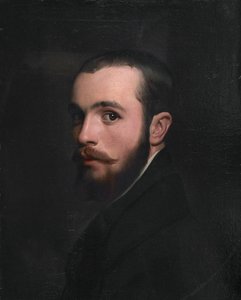
Alfred Boisseau
1823 - 1901 , France
Quick Facts
- Artistic Movement Or Style: Neo-Classicism & Romanticism
- Artists Who Influenced This Artist: ['Paul Delaroche']
- Date Of Birth: Feb 1823
- Date Of Death: 1901
- Full Name: Alfred Boisseau
- Nationality: French/American/Canadian
- Notable Artworks:
- Louisiana Indians Walking Along a Bayou
- Portrait of Young Woman 1849
- UNTITLED (WINTER SCENE)
- Place Of Birth: Paris, France

