 Preview
 Send
Send Share
Share
 Details

 Download
 Similars
 X-Ray
X-Ray Diaporama
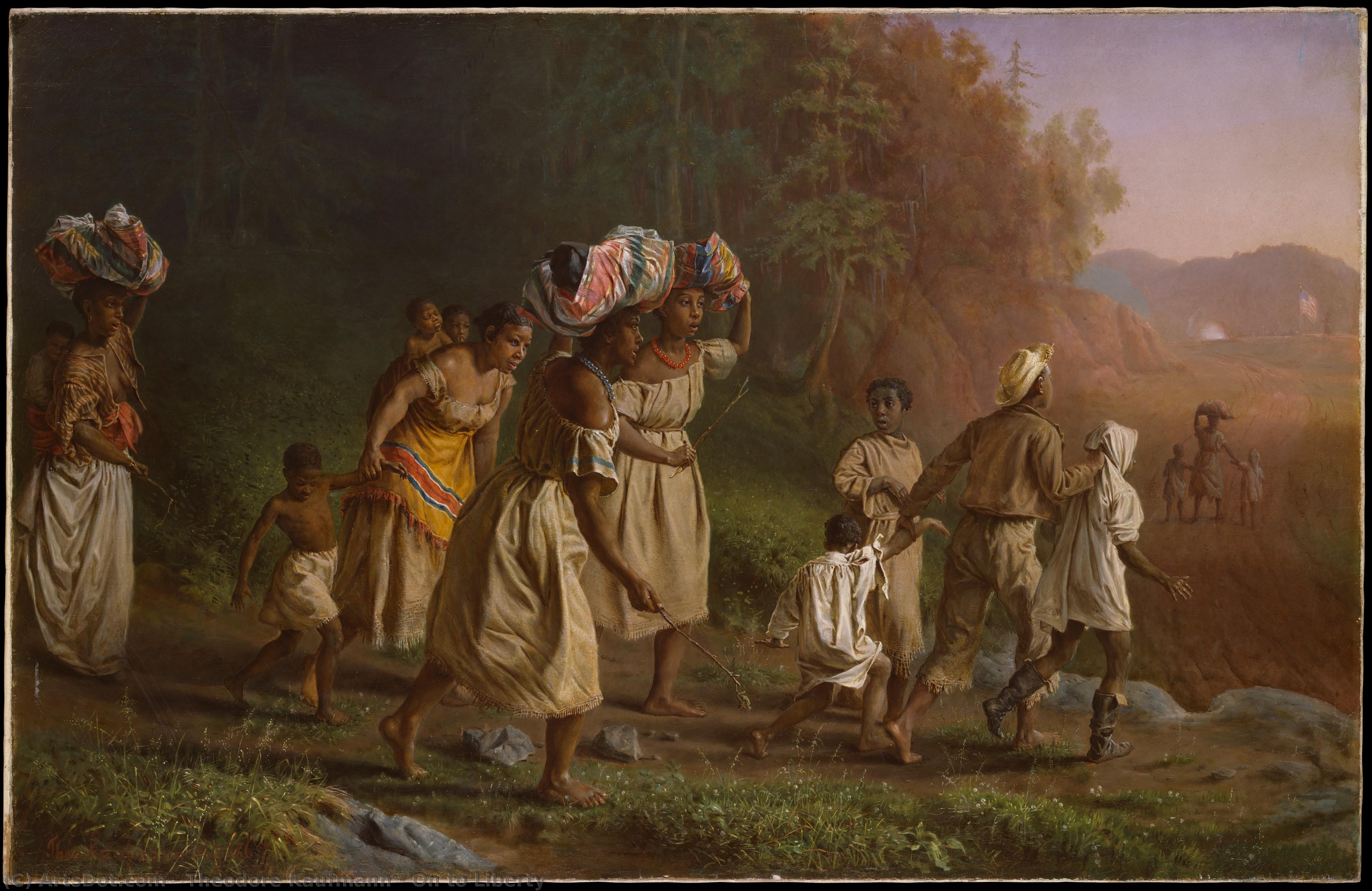
On to Liberty
 Oil On Canvas
- WallArt
- Impressionistic Realism
 1867
1867 91.0 x 142.0 cm
 Metropolitan Museum of Art
 Read More
Hand Made Oil Reproduction
Hand-painted oil on canvas in your size and frame, made to order by our artists. ( Buy Print Buy Image)




P118B $10

P118H $10

P118W $10

P438Z $10

P508JH $12

P508YH $12

P805H $10

P805Z $10

P919BZ $10

P919G $10

P919XJ $10

P959ZH $10

P968JZ $12

W106C $8

W218G $10

W218JH $8

W218Y $10

W307PJ $10

W316G $10

W316PJ $8

W316Y $10

W398PJ $8

W4111J $10

W500HY $15

W500JH $15

W692G $12

W849H $8

W940BG $15

W953PJ $8




Pick from our preset sizes that match the artwork's original proportions.

You may enter your own dimensions to fit a specific frame or space. If your selected size does not match the original image's proportions, we will either crop the artwork or extend the painting with additional hand-painted elements. A digital mockup will be sent for your approval before production begins.
Please note that the on-screen preview does not reflect the actual cropping or extension. Only the mockup will accurately show the final composition.
While custom sizes are available, we recommend selecting a dimension from the predefined list to preserve the original proportions.
After order, ArtsDot.com team will email client for instructions and provide a mockup preview
Worldwide Delivery () in 3/4 weeks instead of standard 5 weeks. (17 August). No compromise on quality.

Free Worldwide Express Shipping

High-Quality Linen Canvas

Full Shipping Insurance

Customs Tax Refund Guarantee

True Color Matching Guarantee

60-Day Return Policy (Defects Only)

100% Money-Back Guarantee

Bulk Discount Offer
 Glass option is only available in size under 110 CM

On to Liberty
Reproduction Medium
Reproduction Size
-


Total Price
$ 263
Artwork Description
On To Liberty: A Journey Through Darkness Towards Hope
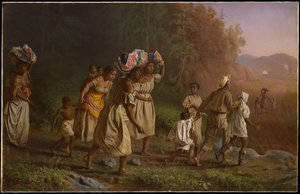
Theodore Kaufmann’s “On To Liberty,” completed in 1867, is more than just a depiction of a group of individuals traversing a shadowy African woodland; it's a poignant meditation on the elusive promise of freedom and resilience amidst adversity. Painted during the turbulent years following the American Civil War, this monumental oil on canvas transcends mere topographical representation to embody a complex narrative rooted in both personal experience and broader cultural influences. Kaufmann’s artistic vision—informed by his formative years studying classical masters in Düsseldorf and Munich—reveals a masterful blend of Romantic idealism and Impressionistic observation.A Scene Steeped in Historical Context
Born in Uelzen, Germany, Kaufmann's involvement in the Dresden Revolution of 1848 solidified his commitment to liberal ideals and fueled his desire for intellectual exploration beyond the confines of his homeland. His subsequent emigration to New York City marked a significant shift, presenting him with challenges as he established himself as an educator and artist—a testament to the difficulties faced by ambitious creatives adapting to unfamiliar environments. However, it was Kaufmann’s service as a Union soldier during the Civil War that profoundly shaped his artistic sensibilities. Accounts suggest he witnessed Confederate troops retreating amidst scenes of enslaved men fleeing their masters, leaving behind vulnerable women and children – an image undoubtedly imprinted upon his psyche and subsequently translated into visual form.Inspired by Biard's Brazilian Narrative
Recent scholarship illuminates a fascinating connection between Kaufmann’s artwork and the oeuvre of François-Auguste Biard, a French painter who produced a similarly evocative scene in Brazil during 1859. This parallel narrative underscores the pervasive influence of cultural storytelling on artistic creation. Biard’s depiction captures a similar dynamic – individuals striving to escape oppression, mirroring Kaufmann's own preoccupation with themes of liberation and vulnerability. The stylistic similarities between Kaufmann’s painting and Biard’s work suggest that Kaufmann drew inspiration from this broader cultural conversation about overcoming hardship.Technique and Composition: Capturing Movement and Emotion
Kaufmann skillfully employs a technique characteristic of Impressionism, prioritizing luminous color palettes and loose brushstrokes to convey the atmosphere of movement and determination within the woodland setting. The artist’s meticulous attention to detail—evident in the expressive faces and postures of each figure—further enhances the emotional impact of the piece. Kaufmann's masterful use of chiaroscuro – contrasting light and shadow – emphasizes the drama of the scene, guiding the viewer’s gaze across the canvas and amplifying the sense of urgency conveyed by the fleeing group. The expansive scale of “On To Liberty” contributes to its grandeur, immersing the spectator in a visual experience that resonates with both intellectual curiosity and visceral feeling.Symbolism: Absence of Certainty
The painting's central motif—the journey through the forest—serves as a powerful symbol for the arduous path toward freedom. The obscured route represents the difficulties encountered in achieving liberation, mirroring the anxieties prevalent during Kaufmann’s time – anxieties about social justice and political reform. Despite the palpable sense of hope radiating from the figures’ faces, Kaufmann subtly conveys an underlying apprehension regarding the outcome of their quest. This nuanced portrayal elevates “On To Liberty” beyond a simple depiction of circumstance; it becomes a profound reflection on human aspiration and the enduring struggle for autonomy.Related Artworks
Artist Biography
Theodore Kaufmann: A Pioneer of Dramatic Military Art
Theodore Kaufmann (1814-1896) stands as a singular figure in American art history—a German immigrant who forged an indelible mark on the landscape of late 19th-century painting, particularly renowned for his powerfully emotive depictions of military campaigns and historical narratives. Born in Uelzen, Germany, Kaufmann’s artistic journey began with apprenticeships in commerce and formal training under prominent Düsseldorf and Munich masters like Peter von Cornelius and Wilhelm von Kaulbach, grounding him in classical traditions before he embraced the burgeoning Impressionist movement. His involvement in the Dresden Revolution of 1848 solidified his commitment to liberal ideals and ultimately propelled him toward emigration to the United States in 1850. Settling in New York City, Kaufmann initially struggled as a school director and painter—a testament to the challenges faced by ambitious artists navigating unfamiliar cultural landscapes. However, he persevered, transforming into an itinerant photographer and portrait artist, capturing the spirit of his era with meticulous detail. Notably, he mentored Thomas Nast, a celebrated editorial illustrator whose satirical cartoons shaped public opinion during Reconstruction. Kaufmann’s artistic output wasn't solely focused on individual portraits; he passionately pursued historical subjects, notably documenting the American Civil War—a period that profoundly impacted his worldview and fueled his artistic endeavors. He served as a correspondent-artist for St. Louis City Directories in 1864 and 1865, bringing visual documentation to the forefront of journalistic reporting.- Key Artistic Style: Kaufmann’s distinctive style blended Romanticism with Impressionistic techniques, prioritizing dramatic lighting and expressive brushwork to convey emotion and psychological depth.
- Notable Works: Among his most celebrated paintings are “On to Liberty,” a monumental canvas capturing the fervor of the 1848 uprising, and numerous military portraits depicting officers and soldiers—works that exemplify his unwavering dedication to portraying heroism and resilience.
- Influence & Legacy: Kaufmann’s influence extended beyond his immediate students; he championed Louis Prang's lithograph reproductions of his paintings, ensuring their widespread dissemination and cementing his place as a pivotal figure in the popularization of Impressionist art.
Exploring Kaufmann’s Artistic Development & Influences
Kaufmann’s artistic education instilled in him a deep appreciation for classical aesthetics—particularly Cornelius and Kaulbach's emphasis on anatomical accuracy and compositional balance. Yet, he swiftly embraced the Impressionist movement, recognizing its ability to capture fleeting moments of light and color with unprecedented vibrancy. This stylistic fusion is evident throughout his oeuvre, demonstrating Kaufmann’s intellectual curiosity and willingness to experiment with innovative artistic approaches. His exposure to German Romanticism undoubtedly shaped his sensibility—a fascination for grandeur, emotion, and the sublime that permeated his canvases.The Civil War Canvas: Kaufmann's Contribution to Pictorial History
Kaufmann’s involvement in the American Civil War served as a catalyst for artistic innovation. Driven by a desire to document the conflict’s impact on individuals and communities, he undertook extensive sketching expeditions—capturing scenes of battlefields and portraits of soldiers with remarkable sensitivity. These paintings aren't merely representations of historical events; they are imbued with psychological insight—reflecting the anxieties, hopes, and sacrifices inherent in wartime experience. Kaufmann’s artistic vision aligns seamlessly with the broader humanist impulse of the era, prioritizing human emotion and narrative over mere visual spectacle.Beyond Painting: Photography & Artistic Patronage
While Kaufmann achieved considerable renown as a painter, he also cultivated an interest in photography—a medium that offered new possibilities for capturing reality with unprecedented precision. He established a studio in New York City and produced numerous portraits documenting the lives of prominent figures—further demonstrating his versatility as an artist and his commitment to preserving visual records of his time. Kaufmann’s patronage extended beyond artistic endeavors; he actively supported fellow artists, fostering a vibrant creative environment within the burgeoning American art scene.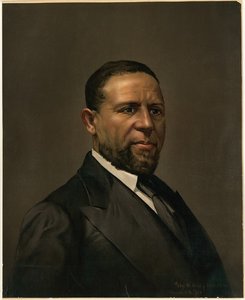
Theodore Kaufmann
1814 - 1896 , Germany
Quick Facts
- Artistic Movement Or Style: Romanticism
- Artists Or Movements Influenced By This Artist: ['Louis Prang']
- Artists Who Influenced This Artist:
- Peter von Cornelius
- Wilhelm von Kaulbach
- Date Of Birth: 1814
- Date Of Death: 1896
- Full Name: Theodore Kaufmann
- Nationality: German-American
- Notable Artworks: ['On to Liberty']
- Place Of Birth: Uelzen, Germany
Related Articles

Beyond the Horizon: 10 Landscape Masterpieces for Your Home Decor
Journey through 10 breathtaking landscape paintings by Monet, Van Gogh & more! Explore iconic artworks, artistic techniques & find inspiration for your home decor. Museum-quality reproductions at ArtsDot.com. Discover all masterpieces on ArtsDot.com

Romantic Landscapes: 10 Masterpieces for Your Home | ArtsDot
Journey through 10 Romantic landscape masterpieces by Friedrich, Turner & Cole. Explore emotional art, sublime nature scenes & iconic 19th-century paintings. Find museum-quality reproductions for your home at ArtsDot.com – discover the full collection online!

Evocations of Place: A Historical Journey Through Landscape Art
Explore the rich history of landscape art with ArtsDot. Discover renowned artists, movements like Impressionism & Romanticism, and expert guidance for collecting timeless pieces. Find your perfect serene escape today!

John Constable's Masterpieces: Explore 25 Iconic Landscapes for Your Home
Journey through John Constable's 25 most celebrated landscapes. Explore Romanticism, Dedham Vale & his masterful use of light in iconic paintings like 'Hay Wain'. Find museum-quality art reproductions and elevate your home decor on ArtsDot.com.
Evocations of Place: A Historical Journey Through Landscape Art
Explore the rich history of landscape art with ArtsDot. Discover renowned artists, movements like Impressionism & tonalism, and expert guidance for collecting timeless pieces. Find your perfect serene escape today!