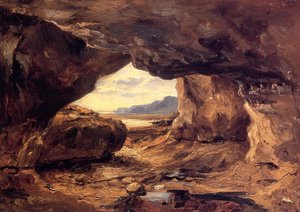
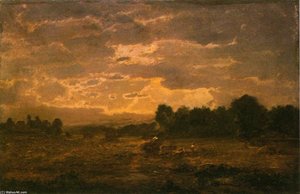
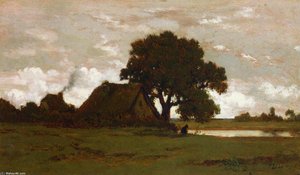
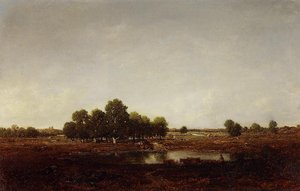
Théodore Rousseau: The Soul of the Forest
Étienne Pierre Théodore Rousseau (1812-1867) stands as a cornerstone of French Barbizon School painting, an artistic movement that championed realism and celebrated the grandeur of rural landscapes. Born in Paris to a bourgeois family, Rousseau’s early life was marked by a father who initially resisted his son's passion for art – a sentiment that ultimately softened as he witnessed Rousseau’s unwavering dedication to his craft. This familial support proved crucial as Rousseau navigated the turbulent waters of Parisian artistic circles and faced repeated rebuffs from the Salon authorities, institutions notoriously resistant to avant-garde ideas.
- Early Training & Influences: Rousseau's initial artistic education was modest, yet he quickly demonstrated exceptional talent. Recognizing his aptitude, his father encouraged him to pursue painting seriously, prioritizing it over business ventures. He absorbed influences from artists like Jean-François Millet and Eugène Delacroix, whose depictions of peasant life and dramatic landscapes respectively instilled in him a profound appreciation for capturing the essence of nature.
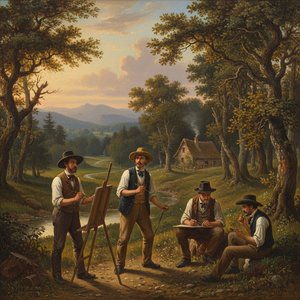
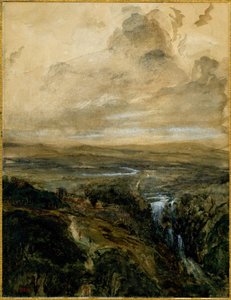
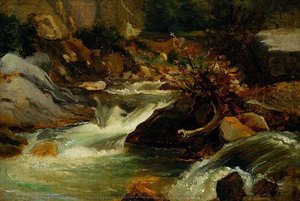
- The Barbizon School & Artistic Philosophy: Rousseau’s artistic vision centered on portraying the natural world with uncompromising accuracy. Rejecting idealized representations favored by Romanticism, he embraced the Barbizon aesthetic – characterized by muted colors, sketchy brushwork, and a focus on atmospheric perspective—to convey the emotional impact of landscapes. He believed that art should serve as a conduit for observing and understanding nature, mirroring its sublime beauty.
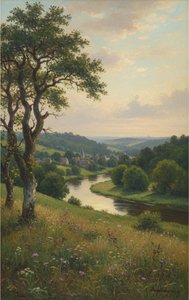
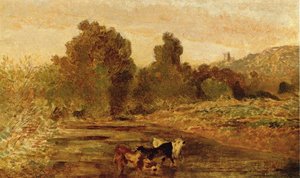
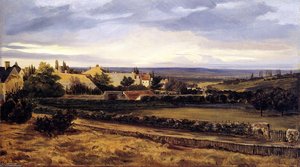
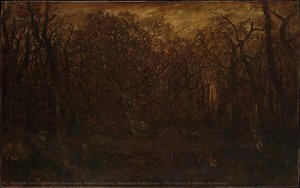
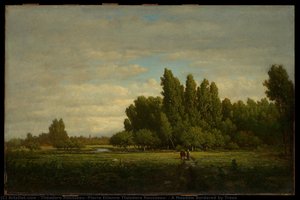
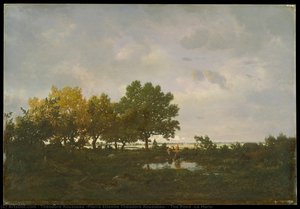
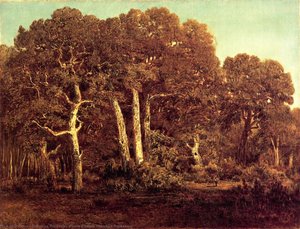
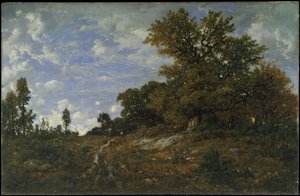
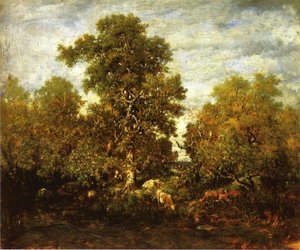
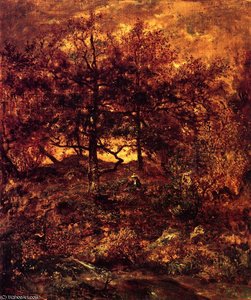
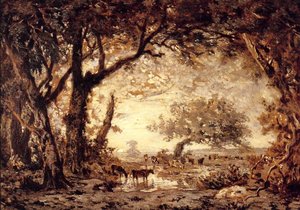
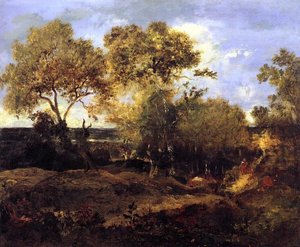
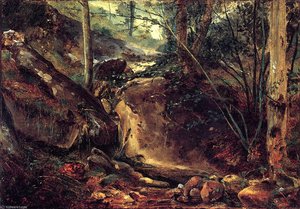
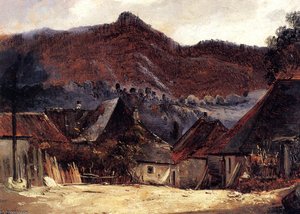
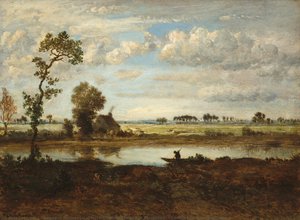
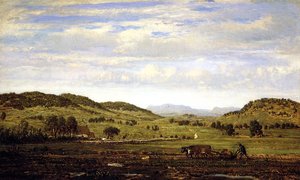
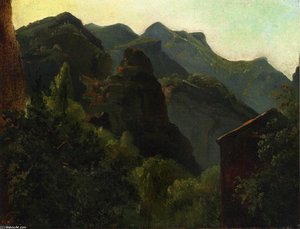
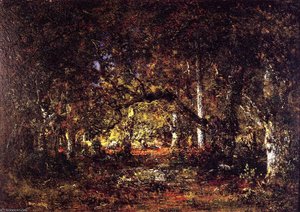
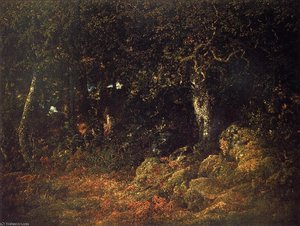
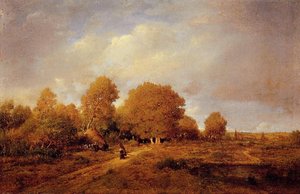
Rousseau’s artistic output is distinguished by an extraordinary range of subjects, predominantly focused on forests and rural scenes. However, he wasn't merely documenting the visual appearance of these environments; he sought to convey their spiritual significance—the feeling of awe and reverence inspired by encountering untamed wilderness. Works like “Les Chênes d’Apremont” exemplify his masterful technique, demonstrating a remarkable ability to render textures and tonal variations with astonishing subtlety. The painting captures the dappled sunlight filtering through dense foliage, creating an immersive experience for the viewer.
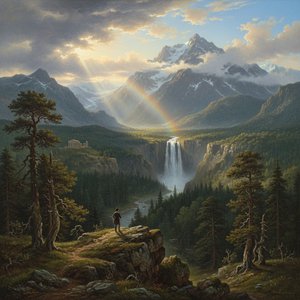
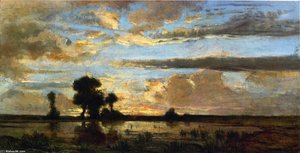
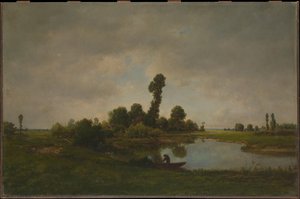
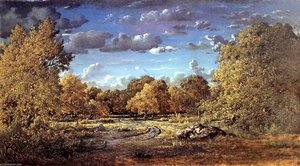
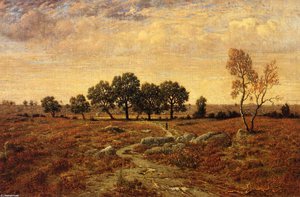
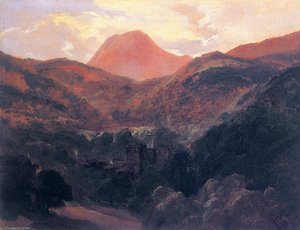
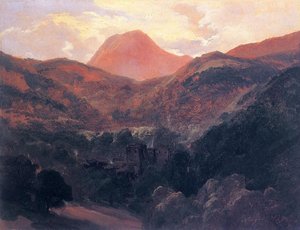
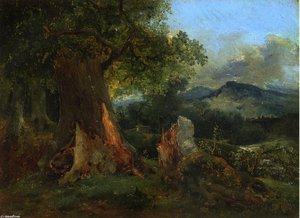
- Notable Paintings: Rousseau achieved considerable fame during his lifetime, securing commissions from prominent patrons and exhibiting regularly at the Salon. Among his most celebrated paintings are “The Great Oaks of the Vieux Bas-Breau,” a monumental depiction of ancient trees bathed in golden light; "View of the Puy de Dome and Royat," showcasing a breathtaking sunset over the volcanic peaks of France; and “La Grenouillère” – a poignant portrayal of a picnic scene on the Loire River, imbued with melancholic beauty.
- Influence on Impressionism: Rousseau’s unwavering commitment to realism profoundly impacted subsequent artistic movements. Although he predated Impressionism, his pioneering approach to landscape painting paved the way for artists like Claude Monet and Pierre-Auguste Renoir who sought to capture fleeting moments of light and color—a departure from Rousseau's meticulous observation of natural phenomena.
Despite facing considerable hardship and criticism throughout his career, Rousseau persevered in his artistic pursuits until his untimely death in 1867. His legacy extends far beyond the canvases he created; he established a tradition of landscape painting that continues to inspire artists today. Théodore Rousseau remains revered as one of France’s greatest painters—a champion of natural beauty and an enduring symbol of Romantic idealism transformed into unwavering artistic conviction.