 Preview
 Send
Send Share
Share
 Details

 Download
 Similars
 X-Ray
X-Ray Diaporama
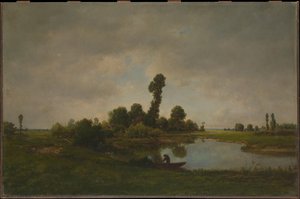
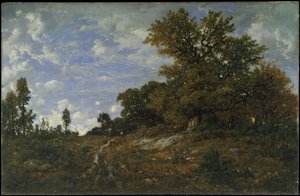
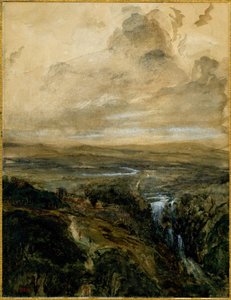
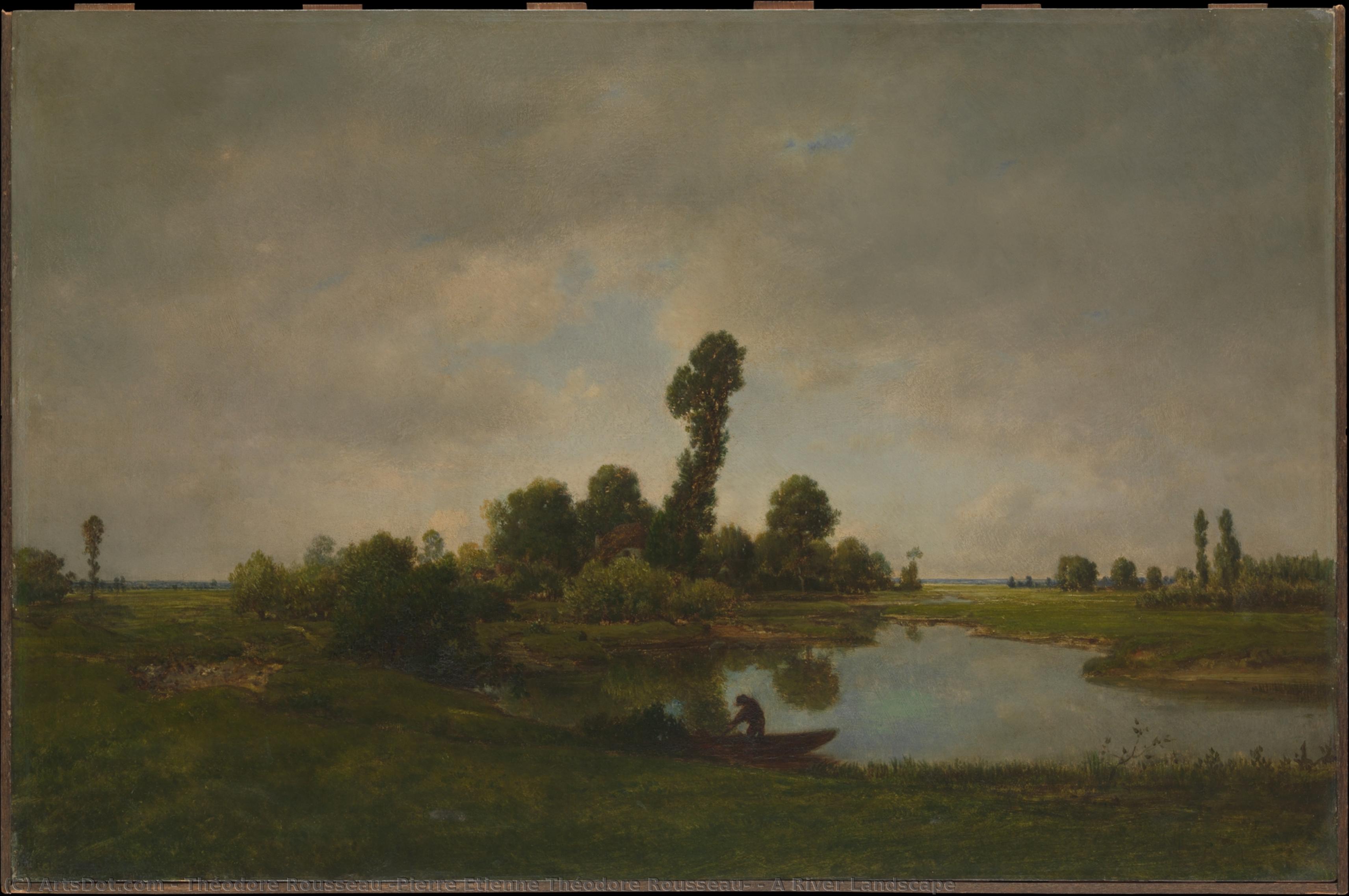
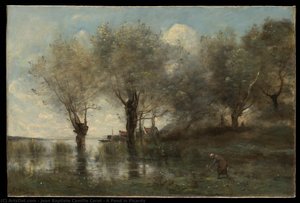
A River Landscape
 Acrylic On Canvas
- WallArt
- Barbizon School
 1845
1845 42.0 x 63.0 cm
 Metropolitan Museum of Art
 Read More
Hand Made Oil Reproduction
Hand-painted oil on canvas in your size and frame, made to order by our artists. ( Buy Print Buy Image)




P118B $10

P118H $10

P118W $10

P438Z $10

P508JH $12

P508YH $12

P805H $10

P805Z $10

P919BZ $10

P919G $10

P919XJ $10

P959ZH $10

P968JZ $12

W106C $8

W218G $10

W218JH $8

W218Y $10

W307PJ $10

W316G $10

W316PJ $8

W316Y $10

W398PJ $8

W4111J $10

W500HY $15

W500JH $15

W692G $12

W849H $8

W940BG $15

W953PJ $8




Pick from our preset sizes that match the artwork's original proportions.

You may enter your own dimensions to fit a specific frame or space. If your selected size does not match the original image's proportions, we will either crop the artwork or extend the painting with additional hand-painted elements. A digital mockup will be sent for your approval before production begins.
Please note that the on-screen preview does not reflect the actual cropping or extension. Only the mockup will accurately show the final composition.
While custom sizes are available, we recommend selecting a dimension from the predefined list to preserve the original proportions.
After order, ArtsDot.com team will email client for instructions and provide a mockup preview
Worldwide Delivery () in 3/4 weeks instead of standard 5 weeks. (16 August). No compromise on quality.

Free Worldwide Express Shipping

High-Quality Linen Canvas

Full Shipping Insurance

Customs Tax Refund Guarantee

True Color Matching Guarantee

60-Day Return Policy (Defects Only)

100% Money-Back Guarantee

Bulk Discount Offer
 Glass option is only available in size under 110 CM

A River Landscape
Reproduction Medium
Reproduction Size
-


Total Price
$ 263
Artwork Description
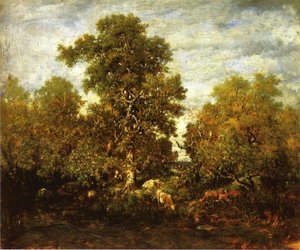
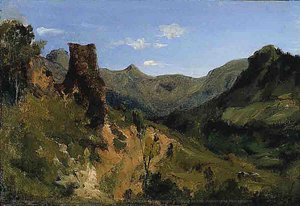
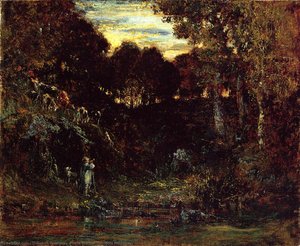
A Celebration of Rural Tranquility: Exploring Théodore Rousseau’s “A River Landscape”
Théodore Rousseau stands as an emblem of the Barbizon School, a movement that irrevocably altered the course of French landscape painting and championed an uncompromising devotion to realism. Born in Paris in 1812, Rousseau's artistic journey was fraught with challenges – initial resistance from his father regarding his ambition to pursue art, repeated dismissals by the Salon authorities – yet fueled by unwavering determination and nurtured by familial support, he ascended to become one of the era’s most influential figures. This dedication would ultimately shape his distinctive style and solidify his legacy as a champion of untamed beauty.The Inspiration Behind Serenity: Rousseau's Dutch Roots
Rousseau’s artistic sensibilities were profoundly influenced by the prevailing aesthetic currents of his time, particularly the Dutch landscape painters who had captivated audiences with their masterful depictions of serene pastoral scenes. Artists like Jacob Maris and Anton Mauve meticulously rendered the subtle nuances of light and atmosphere, prioritizing observation over idealized representation—a principle Rousseau wholeheartedly embraced. “A River Landscape,” therefore, echoes this tradition, drawing upon the expansive skies and tranquil waters favored by Dutch masters to convey a palpable sense of peace and contemplation.Painting with Soul: Rousseau’s Technique – Texture as Expression
Rousseau's artistic technique was characterized by an extraordinary commitment to capturing the essence of nature through texture. Rejecting the smooth, polished surfaces championed by Impressionists, he employed thick impasto—applying paint in bold, textured strokes—to imbue his canvases with palpable physicality. This method allowed him to convey not merely what he saw but also how he felt—the ruggedness of the terrain, the warmth of the sun, and the stillness of the riverbank. The visible brushstrokes serve as a testament to Rousseau’s belief that painting should be an act of visceral engagement, mirroring the very fabric of the natural world.A Rustic Vision: Symbolism Within the Landscape
Beyond mere visual representation, “A River Landscape” is laden with symbolic significance. The depiction of a solitary boatman traversing the river symbolizes human resilience and adaptability—a quiet defiance against the pressures of urban life. The trees lining the riverbank represent strength and permanence, anchoring the scene in timelessness. Furthermore, the farmhouse nestled amongst the foliage embodies rural simplicity and harmony—a deliberate contrast to the complexities of modern society. Rousseau’s careful composition invites viewers to contemplate these themes, fostering a deeper appreciation for the profound beauty inherent in the natural world.A Legacy Enduring: Rousseau's Influence on Impressionism
Despite facing considerable opposition from Salon critics during his lifetime, Théodore Rousseau exerted an undeniable influence on subsequent generations of artists, notably Impressionists like Claude Monet and Pierre-Auguste Renoir. His insistence on capturing fleeting moments of light and atmosphere paved the way for Impressionist experimentation—a radical departure from academic conventions—while simultaneously reaffirming the importance of direct observation as a cornerstone of artistic practice. Rousseau’s unwavering devotion to realism served as an anchor amidst the shifting tides of artistic innovation, securing his place as one of France's most revered landscape painters and ensuring that “A River Landscape” continues to inspire awe and contemplation for centuries to come.Related Artworks
Artist Biography
Théodore Rousseau: The Soul of the Forest
Étienne Pierre Théodore Rousseau (1812-1867) stands as a cornerstone of French Barbizon School painting, an artistic movement that championed realism and celebrated the grandeur of rural landscapes. Born in Paris to a bourgeois family, Rousseau’s early life was marked by a father who initially resisted his son's passion for art – a sentiment that ultimately softened as he witnessed Rousseau’s unwavering dedication to his craft. This familial support proved crucial as Rousseau navigated the turbulent waters of Parisian artistic circles and faced repeated rebuffs from the Salon authorities, institutions notoriously resistant to avant-garde ideas.- Early Training & Influences: Rousseau's initial artistic education was modest, yet he quickly demonstrated exceptional talent. Recognizing his aptitude, his father encouraged him to pursue painting seriously, prioritizing it over business ventures. He absorbed influences from artists like Jean-François Millet and Eugène Delacroix, whose depictions of peasant life and dramatic landscapes respectively instilled in him a profound appreciation for capturing the essence of nature.
- The Barbizon School & Artistic Philosophy: Rousseau’s artistic vision centered on portraying the natural world with uncompromising accuracy. Rejecting idealized representations favored by Romanticism, he embraced the Barbizon aesthetic – characterized by muted colors, sketchy brushwork, and a focus on atmospheric perspective—to convey the emotional impact of landscapes. He believed that art should serve as a conduit for observing and understanding nature, mirroring its sublime beauty.
- Notable Paintings: Rousseau achieved considerable fame during his lifetime, securing commissions from prominent patrons and exhibiting regularly at the Salon. Among his most celebrated paintings are “The Great Oaks of the Vieux Bas-Breau,” a monumental depiction of ancient trees bathed in golden light; "View of the Puy de Dome and Royat," showcasing a breathtaking sunset over the volcanic peaks of France; and “La Grenouillère” – a poignant portrayal of a picnic scene on the Loire River, imbued with melancholic beauty.
- Influence on Impressionism: Rousseau’s unwavering commitment to realism profoundly impacted subsequent artistic movements. Although he predated Impressionism, his pioneering approach to landscape painting paved the way for artists like Claude Monet and Pierre-Auguste Renoir who sought to capture fleeting moments of light and color—a departure from Rousseau's meticulous observation of natural phenomena.
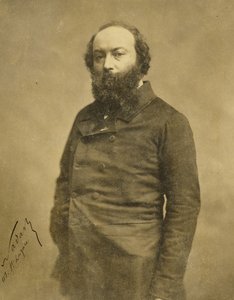
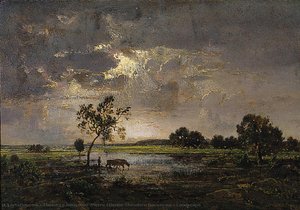
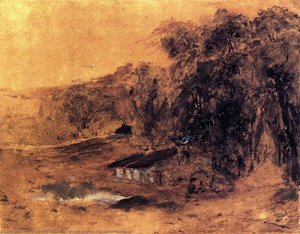
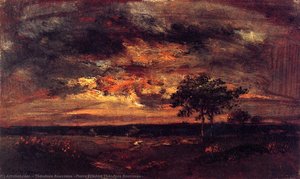
théodore rousseau (pierre etienne théodore rousseau)
1812 - 1867 , France
Quick Facts
- Artistic Movement Or Style: Barbizon School
- Artists Or Movements Influenced By This Artist: ['Impressionism']
- Artists Who Influenced This Artist: ['Jean-François Millet']
- Date Of Birth: April 15, 1812
- Date Of Death: December 22, 1867
- Full Name: Étienne Pierre Théodore Rousseau
- Nationality: French
- Notable Artworks:
- Les Chênes d'Apremont
- The Great Oaks of the Vieux Bas-Breau
- Place Of Birth: Paris, France
Related Articles
The Hague School: Realism, Atmosphere & the Dawn of Dutch Impressionism
Explore the Hague School's pivotal role in Dutch art history. Discover realism, atmospheric landscapes & its influence on Impressionism. Learn about key artists like Mauve & Maris with ArtsDot.

Beyond the Horizon: 10 Landscape Masterpieces for Your Home Decor
Journey through 10 breathtaking landscape paintings by Monet, Van Gogh & more! Explore iconic artworks, artistic techniques & find inspiration for your home decor. Museum-quality reproductions at ArtsDot.com. Discover all masterpieces on ArtsDot.com
The Barbizon School: Pioneering Realism & the Pastoral Vision in 19th-Century French Painting
Explore the Barbizon School's pivotal role in 19th-century French painting. Discover how these artists revolutionized landscape art with their commitment to Realism and a profound connection to nature. Learn about key figures like Rousseau, Millet & Corot.
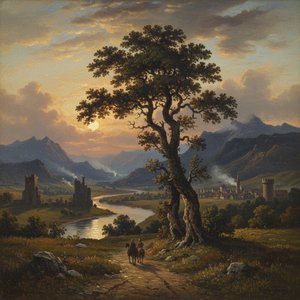
Paul Huet: Capturing the Essence of French Romanticism Through Light and Landscape
Explore the captivating world of Paul Huet (1803-1869), a master of French Romantic landscape painting. Discover his influence on Barbizon & Impressionism, and browse high-quality reproductions at ArtsDot.
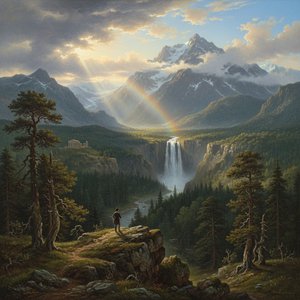
Evoking Nature's Sublime: A Comprehensive Exploration of 19th-Century Landscape Painting
Explore the captivating world of 19th-century landscape painting! Discover renowned artists like Friedrich & Monet, key movements, and find the perfect artwork to bring nature's serenity into your home. Expert insights at ArtsDot.