 Preview
 Send
Send Share
Share
 Details

 Download
 Similars
 X-Ray
X-Ray Diaporama
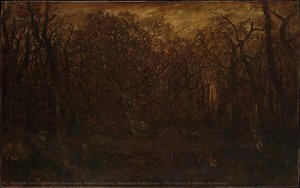
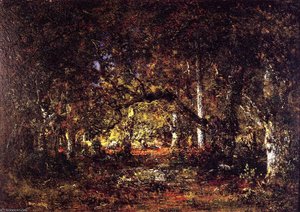
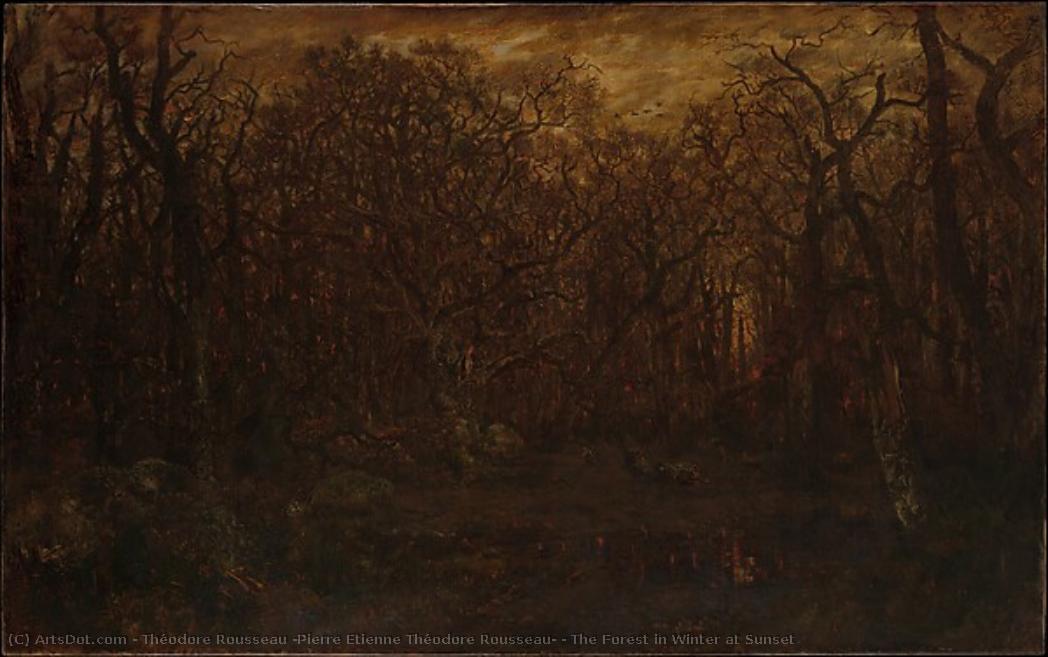
The Forest in Winter at Sunset
 Oil On Canvas
- WallArt
- Barbizon School
 1846
1846- 19th Century
 163.0 x 260.0 cm
 Metropolitan Museum of Art
 Read More
Hand Made Oil Reproduction
Hand-painted oil on canvas in your size and frame, made to order by our artists. ( Buy Print Buy Image)




P118B $10

P118H $10

P118W $10

P438Z $10

P508JH $12

P508YH $12

P805H $10

P805Z $10

P919BZ $10

P919G $10

P919XJ $10

P959ZH $10

P968JZ $12

W106C $8

W218G $10

W218JH $8

W218Y $10

W307PJ $10

W316G $10

W316PJ $8

W316Y $10

W398PJ $8

W4111J $10

W500HY $15

W500JH $15

W692G $12

W849H $8

W940BG $15

W953PJ $8




Pick from our preset sizes that match the artwork's original proportions.

You may enter your own dimensions to fit a specific frame or space. If your selected size does not match the original image's proportions, we will either crop the artwork or extend the painting with additional hand-painted elements. A digital mockup will be sent for your approval before production begins.
Please note that the on-screen preview does not reflect the actual cropping or extension. Only the mockup will accurately show the final composition.
While custom sizes are available, we recommend selecting a dimension from the predefined list to preserve the original proportions.
After order, ArtsDot.com team will email client for instructions and provide a mockup preview
Worldwide Delivery () in 3/4 weeks instead of standard 5 weeks. (16 August). No compromise on quality.

Free Worldwide Express Shipping

High-Quality Linen Canvas

Full Shipping Insurance

Customs Tax Refund Guarantee

True Color Matching Guarantee

60-Day Return Policy (Defects Only)

100% Money-Back Guarantee

Bulk Discount Offer
 Glass option is only available in size under 110 CM

The Forest in Winter at Sunset
Reproduction Medium
Reproduction Size
-


Total Price
$ 263
Artwork Description
A Monumental Encounter with Nature's Majesty
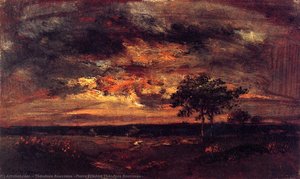
To stand before this depiction of The Forest in Winter at Sunset is to be enveloped by an atmosphere so profound, it feels less like viewing paint on canvas and more like stepping into a hushed moment suspended outside of time. This monumental forest scene captures the raw, untamed grandeur of nature during its most contemplative season. It speaks of deep woods, where the skeletal architecture of winter trees frames a sky ablaze with the dying light of day. The sheer scale of the work suggests an ambition that bordered on the epic, inviting the viewer to lose themselves within its tangled depths.
The Barbizon Spirit: Context and Craftsmanship
This piece is deeply rooted in the tradition of the French Barbizon School, a movement that championed the sublime beauty found in rural life and landscape over the polished artifice of academic studios. Théodore Rousseau, the master behind this vision, was dedicated to capturing nature with an almost spiritual reverence. The technique employed here—an oil on canvas—allows for a richness of texture that is palpable even through reproduction. Observe how the artist has managed the interplay between the dark, brooding tones of the winter canopy and the warm, ethereal glow emanating from the setting sun. Rousseau’s brushwork is masterful; it suggests movement within the stillness, giving the air itself a visible quality.
Symbolism of Light and Solitude
The symbolism woven into this canvas is rich with quiet contemplation. The winter forest itself often symbolizes dormancy, endurance, and the cyclical nature of life—a necessary pause before renewal. This sense of awe before nature is amplified by the dramatic sunset; the clash between the deep indigo of the approaching night and the last vestiges of golden light creates a powerful emotional tension. At the heart of this vast wilderness stand two stooped peasants, figures that ground the monumental scene in human experience. They are not merely placed within the landscape; they seem absorbed by it, embodying a quiet communion with the immensity surrounding them.
Bringing the Serenity Home
For those who seek to infuse their living space or study with an aura of profound peace and artistic depth, this reproduction offers an unparalleled opportunity. The contrast between the dark, dramatic sky and the warm, inviting glow makes it a breathtaking focal point for any grand hall or library. It is more than just decoration; it is a narrative piece—a window into Rousseau’s enduring fascination with the soul of the forest. Owning this work allows one to curate not just an object, but a feeling: that sublime moment when the world quiets down at dusk, leaving only the beauty of enduring nature.
Related Artworks
Artist Biography
Théodore Rousseau: The Soul of the Forest
Étienne Pierre Théodore Rousseau (1812-1867) stands as a cornerstone of French Barbizon School painting, an artistic movement that championed realism and celebrated the grandeur of rural landscapes. Born in Paris to a bourgeois family, Rousseau’s early life was marked by a father who initially resisted his son's passion for art – a sentiment that ultimately softened as he witnessed Rousseau’s unwavering dedication to his craft. This familial support proved crucial as Rousseau navigated the turbulent waters of Parisian artistic circles and faced repeated rebuffs from the Salon authorities, institutions notoriously resistant to avant-garde ideas.- Early Training & Influences: Rousseau's initial artistic education was modest, yet he quickly demonstrated exceptional talent. Recognizing his aptitude, his father encouraged him to pursue painting seriously, prioritizing it over business ventures. He absorbed influences from artists like Jean-François Millet and Eugène Delacroix, whose depictions of peasant life and dramatic landscapes respectively instilled in him a profound appreciation for capturing the essence of nature.
- The Barbizon School & Artistic Philosophy: Rousseau’s artistic vision centered on portraying the natural world with uncompromising accuracy. Rejecting idealized representations favored by Romanticism, he embraced the Barbizon aesthetic – characterized by muted colors, sketchy brushwork, and a focus on atmospheric perspective—to convey the emotional impact of landscapes. He believed that art should serve as a conduit for observing and understanding nature, mirroring its sublime beauty.
- Notable Paintings: Rousseau achieved considerable fame during his lifetime, securing commissions from prominent patrons and exhibiting regularly at the Salon. Among his most celebrated paintings are “The Great Oaks of the Vieux Bas-Breau,” a monumental depiction of ancient trees bathed in golden light; "View of the Puy de Dome and Royat," showcasing a breathtaking sunset over the volcanic peaks of France; and “La Grenouillère” – a poignant portrayal of a picnic scene on the Loire River, imbued with melancholic beauty.
- Influence on Impressionism: Rousseau’s unwavering commitment to realism profoundly impacted subsequent artistic movements. Although he predated Impressionism, his pioneering approach to landscape painting paved the way for artists like Claude Monet and Pierre-Auguste Renoir who sought to capture fleeting moments of light and color—a departure from Rousseau's meticulous observation of natural phenomena.
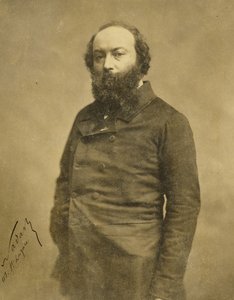
théodore rousseau (pierre etienne théodore rousseau)
1812 - 1867 , France
Quick Facts
- Artistic Movement Or Style: Barbizon School
- Artists Or Movements Influenced By This Artist: ['Impressionism']
- Artists Who Influenced This Artist: ['Jean-François Millet']
- Date Of Birth: April 15, 1812
- Date Of Death: December 22, 1867
- Full Name: Étienne Pierre Théodore Rousseau
- Nationality: French
- Notable Artworks:
- Les Chênes d'Apremont
- The Great Oaks of the Vieux Bas-Breau
- Place Of Birth: Paris, France
Related Articles

Beyond the Horizon: 10 Landscape Masterpieces for Your Home Decor
Journey through 10 breathtaking landscape paintings by Monet, Van Gogh & more! Explore iconic artworks, artistic techniques & find inspiration for your home decor. Museum-quality reproductions at ArtsDot.com. Discover all masterpieces on ArtsDot.com

Romantic Landscapes: 10 Masterpieces for Your Home | ArtsDot
Journey through 10 Romantic landscape masterpieces by Friedrich, Turner & Cole. Explore emotional art, sublime nature scenes & iconic 19th-century paintings. Find museum-quality reproductions for your home at ArtsDot.com – discover the full collection online!
Evoking Nature's Sublime: A Comprehensive Exploration of 19th-Century Landscape Painting
Explore the captivating world of 19th-century landscape painting! Discover renowned artists like Friedrich & Monet, key movements, and find the perfect artwork to bring nature's serenity into your home. Expert insights at ArtsDot.
The Barbizon School: Pioneering Realism & the Pastoral Vision in 19th-Century French Painting
Explore the Barbizon School's pivotal role in 19th-century French painting. Discover how these artists revolutionized landscape art with their commitment to Realism and a profound connection to nature. Learn about key figures like Rousseau, Millet & Corot.

John Constable's Masterpieces: Explore 25 Iconic Landscapes for Your Home
Journey through John Constable's 25 most celebrated landscapes. Explore Romanticism, Dedham Vale & his masterful use of light in iconic paintings like 'Hay Wain'. Find museum-quality art reproductions and elevate your home decor on ArtsDot.com.