 Preview
 Send
Send Share
Share
 Details

 Download
 Similars
 X-Ray
X-Ray Diaporama
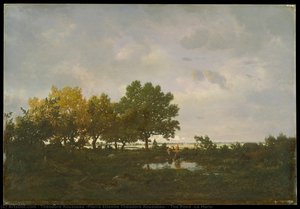
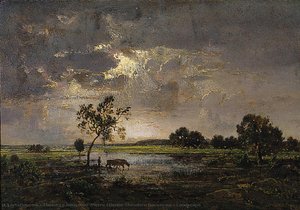
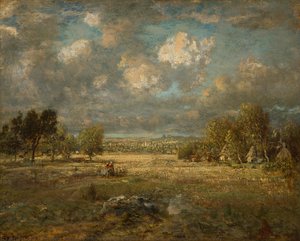
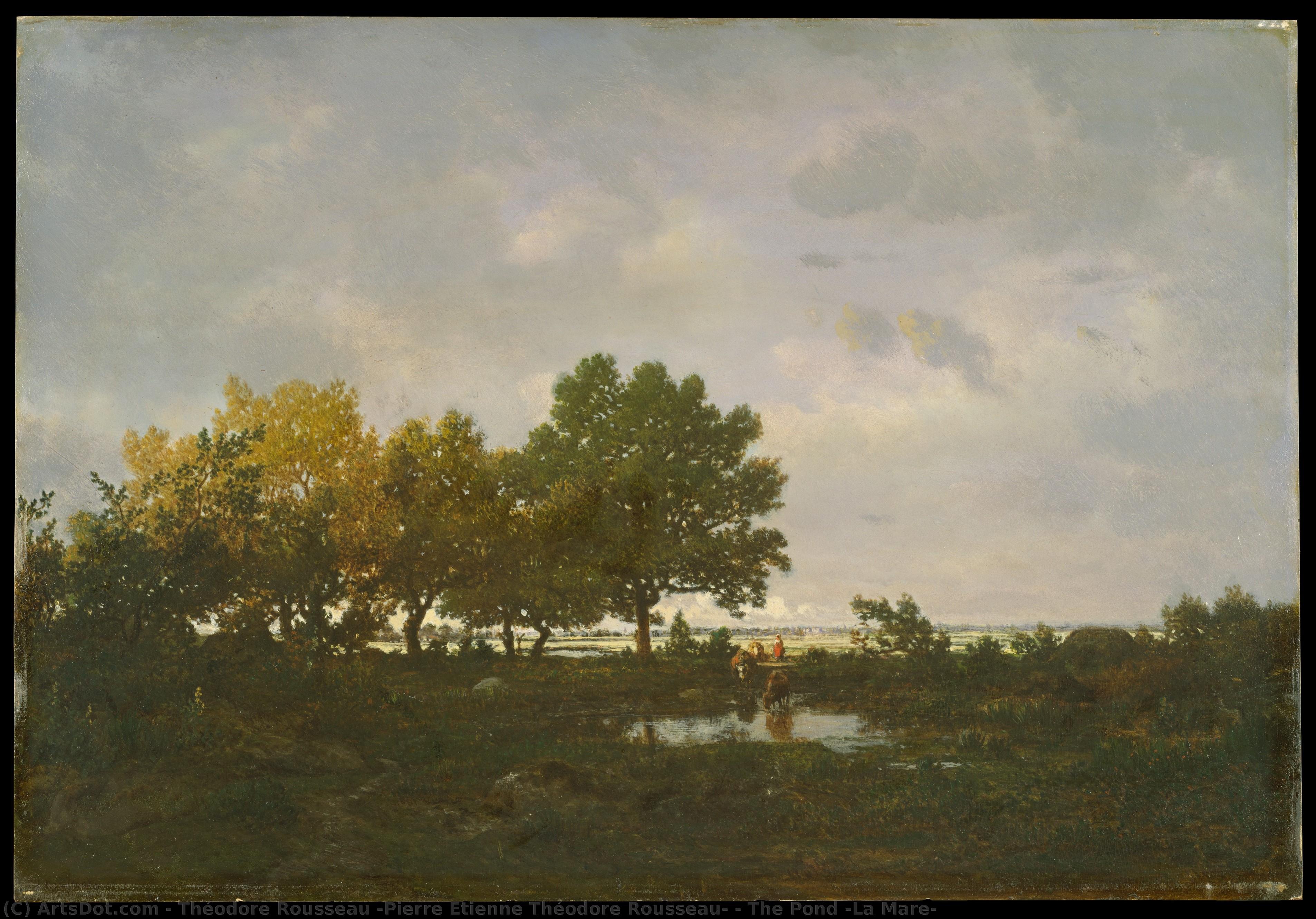
The Pond (La Mare)
 Oil On Canvas
- WallArt
- Barbizon School
 1855
1855- 19th Century
 34.0 x 52.0 cm
 Metropolitan Museum of Art
 Read More
Hand Made Oil Reproduction
Hand-painted oil on canvas in your size and frame, made to order by our artists. ( Buy Print Buy Image)




P118B $10

P118H $10

P118W $10

P438Z $10

P508JH $12

P508YH $12

P805H $10

P805Z $10

P919BZ $10

P919G $10

P919XJ $10

P959ZH $10

P968JZ $12

W106C $8

W218G $10

W218JH $8

W218Y $10

W307PJ $10

W316G $10

W316PJ $8

W316Y $10

W398PJ $8

W4111J $10

W500HY $15

W500JH $15

W692G $12

W849H $8

W940BG $15

W953PJ $8




Pick from our preset sizes that match the artwork's original proportions.

You may enter your own dimensions to fit a specific frame or space. If your selected size does not match the original image's proportions, we will either crop the artwork or extend the painting with additional hand-painted elements. A digital mockup will be sent for your approval before production begins.
Please note that the on-screen preview does not reflect the actual cropping or extension. Only the mockup will accurately show the final composition.
While custom sizes are available, we recommend selecting a dimension from the predefined list to preserve the original proportions.
After order, ArtsDot.com team will email client for instructions and provide a mockup preview
Worldwide Delivery () in 3/4 weeks instead of standard 5 weeks. (16 August). No compromise on quality.

Free Worldwide Express Shipping

High-Quality Linen Canvas

Full Shipping Insurance

Customs Tax Refund Guarantee

True Color Matching Guarantee

60-Day Return Policy (Defects Only)

100% Money-Back Guarantee

Bulk Discount Offer
 Glass option is only available in size under 110 CM

The Pond (La Mare)
Reproduction Medium
Reproduction Size
-


Total Price
$ 263
Artwork Description
The Pond (La Mare) – A Symphony of Light and Reflection by Théodore Rousseau
Théodore Rousseau’s “The Pond,” painted in 1855, isn't merely a landscape; it’s an immersion into the heart of Romanticism. This evocative work, now housed within the Metropolitan Museum of Art, captures a fleeting moment of serene beauty nestled within the Forest of Fontainebleau – a region that held profound significance for Rousseau and his Barbizon School contemporaries. The scene unfolds with remarkable detail: a small pond reflecting the dense, verdant trees lining its banks, punctuated by the subtle presence of cattle grazing peacefully nearby and a solitary figure observing the tranquil waters. It’s a tableau designed to evoke not just visual pleasure but also a deep sense of connection with nature's rhythms.
Rousseau’s artistic approach distinguishes “The Pond” as a pivotal work within his oeuvre. Departing from the idealized landscapes favored by earlier generations, he embraced a realism rooted in direct observation and an acute sensitivity to light and atmosphere. He meticulously rendered the textures of the grass, the shimmering surface of the water, and the dappled sunlight filtering through the trees – all achieved with a masterful command of oil paint. The brushstrokes are visible yet controlled, creating a sense of movement and depth that draws the viewer into the scene. Notably, Rousseau’s technique echoes the Dutch Masters, particularly their ability to capture atmospheric perspective and the subtle nuances of light on water—a deliberate homage to artists he deeply admired.
A Barbizon Masterpiece – Context and Influences
To understand “The Pond,” one must appreciate the context of the Barbizon School. Emerging in the mid-19th century, this movement represented a reaction against the rigid academic traditions of the French Salon. Artists like Rousseau sought to paint *en plein air* (outdoors), directly from nature, and to depict rural life with honesty and immediacy. The Forest of Fontainebleau, with its ancient trees and varied landscapes, became their primary studio – a place where they could escape the constraints of Parisian society and forge a new artistic identity. Rousseau’s early training under his cousin, Alexandre Pau de Saint-Martin, and later with Joseph Rémond, provided him with a solid foundation in traditional techniques, but it was his independent spirit and dedication to capturing the essence of nature that truly defined his style.
The influence of Dutch landscape painting is undeniable. Rousseau’s meticulous attention to detail, his use of atmospheric perspective, and his focus on capturing the effects of light are all hallmarks of the Dutch masters—artists like Jacob van Ruisdael and Jan van Goyen. He even owned a collection of their prints, studying their techniques with great care. This deliberate engagement with the past demonstrates Rousseau’s commitment to elevating landscape painting to a higher level of artistic expression.
Symbolism and Emotional Resonance
Beyond its technical brilliance, “The Pond” is rich in symbolic meaning. The tranquil scene evokes a sense of peace and solitude—a retreat from the pressures of urban life. The solitary figure observing the pond suggests contemplation and an appreciation for the beauty of the natural world. The presence of cattle symbolizes abundance and the cyclical rhythms of rural existence. The light itself, shimmering on the water’s surface, represents hope and renewal. Rousseau wasn't simply painting a landscape; he was conveying a profound emotional experience—a feeling of connection to something larger than oneself.
Furthermore, the composition subtly references classical ideals of harmony and balance. The arrangement of elements within the frame creates a sense of visual equilibrium, inviting the viewer to linger and lose themselves in the scene’s serene beauty. The painting's overall effect is one of quiet contemplation—a reminder of the restorative power of nature and the enduring appeal of Romanticism.
A Timeless Legacy – Reproduction and Display
“The Pond” continues to captivate audiences today, not only for its artistic merit but also for its ability to transport us to a simpler time. High-quality reproductions offer a remarkable opportunity to experience Rousseau’s vision firsthand, bringing the tranquility of the Forest of Fontainebleau into our homes and offices. When selecting a reproduction, consider framing options that complement the painting's delicate palette and atmospheric depth—a sawtooth hanger or a heavy-duty angle are excellent choices. Whether displayed in a gallery, a study, or a living room, “The Pond” remains a testament to Rousseau’s genius and a timeless celebration of nature’s beauty.
Related Artworks
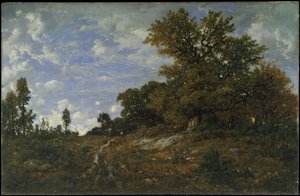
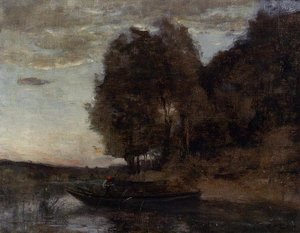
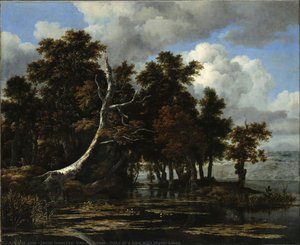
Artist Biography
Théodore Rousseau: The Soul of the Forest
Étienne Pierre Théodore Rousseau (1812-1867) stands as a cornerstone of French Barbizon School painting, an artistic movement that championed realism and celebrated the grandeur of rural landscapes. Born in Paris to a bourgeois family, Rousseau’s early life was marked by a father who initially resisted his son's passion for art – a sentiment that ultimately softened as he witnessed Rousseau’s unwavering dedication to his craft. This familial support proved crucial as Rousseau navigated the turbulent waters of Parisian artistic circles and faced repeated rebuffs from the Salon authorities, institutions notoriously resistant to avant-garde ideas.- Early Training & Influences: Rousseau's initial artistic education was modest, yet he quickly demonstrated exceptional talent. Recognizing his aptitude, his father encouraged him to pursue painting seriously, prioritizing it over business ventures. He absorbed influences from artists like Jean-François Millet and Eugène Delacroix, whose depictions of peasant life and dramatic landscapes respectively instilled in him a profound appreciation for capturing the essence of nature.
- The Barbizon School & Artistic Philosophy: Rousseau’s artistic vision centered on portraying the natural world with uncompromising accuracy. Rejecting idealized representations favored by Romanticism, he embraced the Barbizon aesthetic – characterized by muted colors, sketchy brushwork, and a focus on atmospheric perspective—to convey the emotional impact of landscapes. He believed that art should serve as a conduit for observing and understanding nature, mirroring its sublime beauty.
- Notable Paintings: Rousseau achieved considerable fame during his lifetime, securing commissions from prominent patrons and exhibiting regularly at the Salon. Among his most celebrated paintings are “The Great Oaks of the Vieux Bas-Breau,” a monumental depiction of ancient trees bathed in golden light; "View of the Puy de Dome and Royat," showcasing a breathtaking sunset over the volcanic peaks of France; and “La Grenouillère” – a poignant portrayal of a picnic scene on the Loire River, imbued with melancholic beauty.
- Influence on Impressionism: Rousseau’s unwavering commitment to realism profoundly impacted subsequent artistic movements. Although he predated Impressionism, his pioneering approach to landscape painting paved the way for artists like Claude Monet and Pierre-Auguste Renoir who sought to capture fleeting moments of light and color—a departure from Rousseau's meticulous observation of natural phenomena.
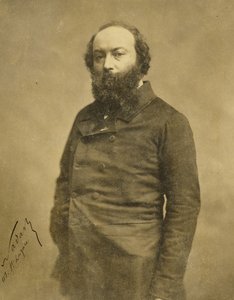
théodore rousseau (pierre etienne théodore rousseau)
1812 - 1867 , France
Quick Facts
- Artistic Movement Or Style: Barbizon School
- Artists Or Movements Influenced By This Artist: ['Impressionism']
- Artists Who Influenced This Artist: ['Jean-François Millet']
- Date Of Birth: April 15, 1812
- Date Of Death: December 22, 1867
- Full Name: Étienne Pierre Théodore Rousseau
- Nationality: French
- Notable Artworks:
- Les Chênes d'Apremont
- The Great Oaks of the Vieux Bas-Breau
- Place Of Birth: Paris, France
Related Articles

Beyond the Horizon: 10 Landscape Masterpieces for Your Home Decor
Journey through 10 breathtaking landscape paintings by Monet, Van Gogh & more! Explore iconic artworks, artistic techniques & find inspiration for your home decor. Museum-quality reproductions at ArtsDot.com. Discover all masterpieces on ArtsDot.com
Evoking Nature's Sublime: A Comprehensive Exploration of 19th-Century Landscape Painting
Explore the captivating world of 19th-century landscape painting! Discover renowned artists like Friedrich & Monet, key movements, and find the perfect artwork to bring nature's serenity into your home. Expert insights at ArtsDot.

John Constable's Masterpieces: Explore 25 Iconic Landscapes for Your Home
Journey through John Constable's 25 most celebrated landscapes. Explore Romanticism, Dedham Vale & his masterful use of light in iconic paintings like 'Hay Wain'. Find museum-quality art reproductions and elevate your home decor on ArtsDot.com.
Serene Visions: Exploring Themes of Tranquility in Art History & Contemporary Practice
Explore the history of serene landscape art & discover artists who evoke tranquility. Find the perfect calming artwork for your home with expert guidance from ArtsDot.

Evocations of Place: A Historical Journey Through Landscape Art
Explore the rich history of landscape art with ArtsDot. Discover renowned artists, movements like Impressionism & Romanticism, and expert guidance for collecting timeless pieces. Find your perfect serene escape today!