 Preview
 Send
Send Share
Share
 Details

 Download
 Similars
 X-Ray
X-Ray Diaporama
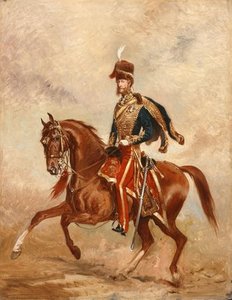
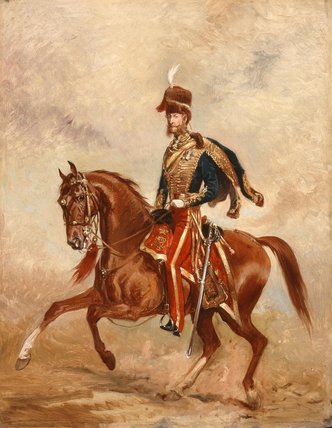
Lieutenant Colonel James Thomas Brudenell
 Read More
Hand Made Oil Reproduction
Hand-painted oil on canvas in your size and frame, made to order by our artists. ( Buy Print Buy Image)




































Pick from our preset sizes that match the artwork's original proportions.

You may enter your own dimensions to fit a specific frame or space. If your selected size does not match the original image's proportions, we will either crop the artwork or extend the painting with additional hand-painted elements. A digital mockup will be sent for your approval before production begins.
Please note that the on-screen preview does not reflect the actual cropping or extension. Only the mockup will accurately show the final composition.
While custom sizes are available, we recommend selecting a dimension from the predefined list to preserve the original proportions.
After order, ArtsDot.com team will email client for instructions and provide a mockup preview
Worldwide Delivery () in 3/4 weeks instead of standard 5 weeks. (23 August). No compromise on quality.

Free Worldwide Express Shipping

High-Quality Linen Canvas

Full Shipping Insurance

Customs Tax Refund Guarantee

True Color Matching Guarantee

60-Day Return Policy (Defects Only)

100% Money-Back Guarantee

Bulk Discount Offer
 Glass option is only available in size under 110 CM

Lieutenant Colonel James Thomas Brudenell
Reproduction Medium
Reproduction Size
-


Total Price
$ 263
Related Artworks

Artist Biography
Alfred Frank de Prades: Victorian Equestrian Visionary
Alfred Frank de Prades (1825-1885) stands as a prominent figure in Victorian British art, particularly celebrated for his masterful depictions of horses and military subjects. Born in Paris in 1825, he honed his artistic skills under the tutelage of George Stubbs, whose anatomical precision profoundly impacted Prades’ approach to portraying animals with unparalleled realism—a hallmark that distinguishes his oeuvre. While biographical details remain somewhat sparse, his dedication to capturing movement and emotion within equine portraits cemented his reputation as an innovator of animalier painting.- Early Life & Training: Little is known about Prades' formative years beyond confirmation of his Parisian birth. However, his artistic inclination was nurtured by a familial connection to the Beaux-Arts tradition, ensuring exposure to influential artistic mentors and fostering a foundational understanding of classical principles.
- Style & Technique: Prades’ distinctive style revolved around meticulous observation and anatomical accuracy—traits inherited directly from Stubbs' groundbreaking studies of horses. He employed oil paints with remarkable subtlety, layering colors to achieve luminous effects that conveyed both texture and dynamism. His canvases pulsated with life, capturing not merely the physical form but also the spirit of movement inherent in equestrian pursuits.
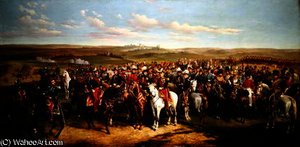
- Notable Works: Prades’ artistic legacy rests upon a collection of celebrated paintings, including “Horses Going to a Fair, Lincoln” (1861), a breathtaking panorama showcasing rural British nobility amidst a lively equine gathering—a testament to his ability to synthesize grandeur and naturalism. Equally impressive is his portrait of Lieutenant Colonel James Thomas Brudenell (later Lieutenant General) Cardigan, 7th Earl, executed in 1854; this piece exemplifies Prades’ mastery of capturing military posture and conveying psychological depth through nuanced facial expressions.
Influences & Artistic Legacy
Stubbs' anatomical studies served as a cornerstone for Prades’ artistic vision, shaping his unwavering commitment to scientific rigor alongside expressive artistry. Beyond Stubbs, Prades absorbed inspiration from Romantic painters like Eugène Delacroix and Alexandre Cabanel, incorporating elements of dramatic lighting and emotive color palettes into his compositions. His work resonated with the Victorian fascination for both animal studies and military heroism—themes that reflected broader societal values during the era.- George Stubbs: Stubbs’ anatomical precision profoundly influenced Prades' technique, emphasizing detailed observation and accurate representation of musculature and skeletal structure.
- Romanticism: Artists like Delacroix and Cabanel instilled a sense of dramatic lighting and emotive color palettes into Prades’ artistic style.
Museum Exhibitions & Recognition
Alfred de Prades' paintings gained considerable acclaim during his lifetime, securing prominent positions in prestigious Parisian museums such as Hôtel de la Préfecture de L'oise and Bibliothèque de l'Institut de France. These institutions showcased his talent alongside luminaries of the Victorian artistic landscape—Corot, Sisley, Delaherche—underscoring Prades’ contribution to the broader cultural dialogue of the period. His enduring reputation testifies to the lasting impact of his artistic endeavors on subsequent generations of painters and art historians.Concluding Thoughts
Alfred Frank de Prades remains an artist whose work embodies the spirit of Victorian animalier painting—a genre characterized by meticulous anatomical accuracy combined with expressive dynamism. His unwavering dedication to capturing equine portraits, coupled with his embrace of Romantic influences, solidified his place as a visionary interpreter of British nobility and military prowess. Today, his paintings continue to captivate audiences worldwide, serving as enduring reminders of Prades’ artistic genius and the profound legacy he bequeathed to art history.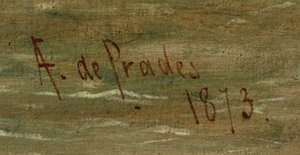
alfred f. de prades
1820 - 1890
Quick Facts
- Artistic Movement Or Style: Victorian animalier
- Artists Who Influenced This Artist: ['George Stubbs']
- Date Of Birth: March 24, 1825
- Date Of Death: July 7, 1885
- Full Name: Alfred Frank de Prades
- Nationality: French
- Notable Artworks:
- Horses Going to a Fair, Lincoln
- Lieutenant Colonel (later Lieutenant General) James Thomas Brudenell (1797–1868), 7th Earl of Cardigan, 11th (Prince Albert’s Own) Hussars
- Place Of Birth: Paris, France