

 Preview
 Send
Send Share
Share
 Details

 Download
 Similars
 X-Ray
X-Ray Diaporama
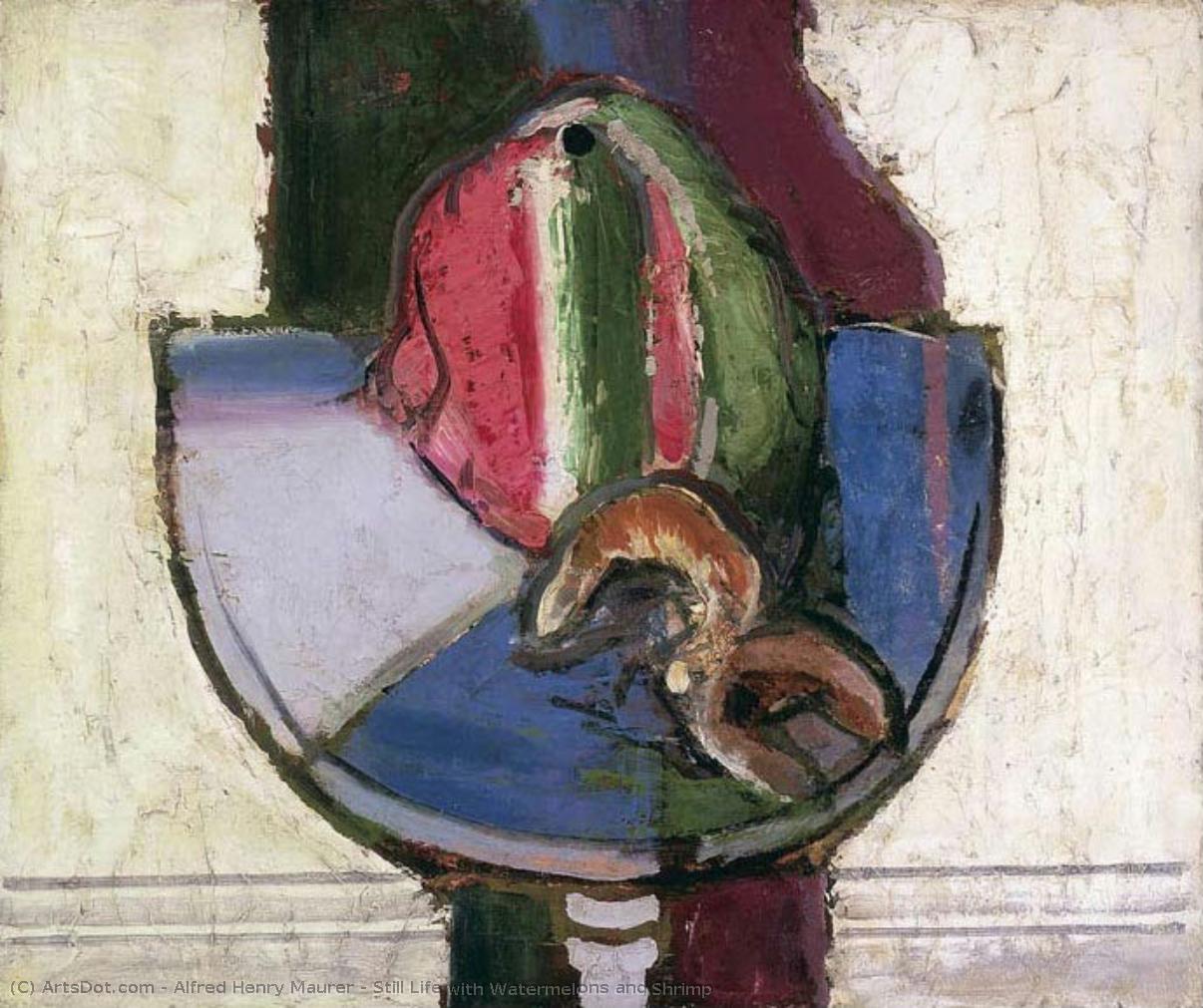
Still Life with Watermelons and Shrimp
 Oil On Canvas
- WallArt
- American Modernist
 1930
1930 45.0 x 54.0 cm
 McNay Art Museum
 Read More
Purchase a high-resolution, enhanced digital image, far superior to the online preview.
Each file is meticulously prepared by our in-house specialists using advanced tools and expert manual retouching. We ensure every image has exceptional clarity, precise color accuracy, and fine detail.
The final file is delivered via email within 72 hours, optimized for immediate use in professional, editorial, and print environments. This is the same quality trusted by top-tier design studios, publishers, and galleries.
Digital Image
Download a high-resolution file for personal display, printing, and creative projects. ( Buy Print Buy Hand Made Painting)
Included in Every Digital Image Order
Expert Digital Delivery, Guaranteed
When you choose ArtsDot.com, you're not just getting an image - you're receiving a professionally enhanced digital artwork, crafted with precision and backed by a satisfaction guarantee. Here's everything that comes with your order, automatically:

Fast Email Delivery
Your high-resolution digital image file will be emailed to you within 72 hours of ordering - ready for immediate use.

AI-Enhanced Digital File
Your artwork is professionally optimized using advanced AI tools and manual editing, ensuring maximum detail, clarity, and color accuracy.

Free Lifetime Re-Delivery
Accidentally deleted or lost your file? No worries - we'll resend it to you anytime, free of charge.

No Import Fees - Ever
Enjoy your artwork instantly with zero customs, duties, or delivery fees - digital downloads are always tax-free.

Color Accuracy Guarantee
We ensure your digital image reflects the original colors as closely as possible using professional tools and color management.

60-Day Satisfaction Guarantee
If you're not satisfied with your digital image, we'll revise it or refund 100% within 60 days - no questions asked.

100% Money-Back Guarantee
Not satisfied? Get a full refund within 60 days of receiving your digital file - no questions asked.

Bulk Order Discounts
Buy 3 images, save 10% - Buy 5, save 15% - Buy 10+, save 20%. Great for creative projects, galleries, and agencies.
Alfred Henry Maurer: Bridging European Avant-Garde & US Art
Alfred Henry Maurer (1868–1932) stands as an enigmatic figure in American Modernist painting, a pioneer whose groundbreaking explorations of color and form challenged conventional artistic norms while simultaneously reflecting the burgeoning spirit of innovation within the United States. Despite facing considerable critical indifference during his lifetime—a stark contrast to the acclaim he garnered from influential figures like Gertrude Stein and Leo Stein—Maurer’s legacy persists as an exemplar of courageous artistic experimentation and a pivotal link between European avant-garde movements and the evolving aesthetic landscape of America.Early Life & Artistic Influences
Born in New York City, Maurer's formative years were shaped by a familial discord regarding art. His father vehemently opposed modern artistic expression, ironically fueling Alfred’s unwavering passion for visual creativity. Recognizing the limitations of academic instruction, he pursued independent study with sculptors like John Quincy Adams Ward and painters such as William Merritt Chase, absorbing new ideas from European masters—particularly Impressionists and Post-Impressionists—who were reshaping artistic sensibilities across the Atlantic. This exposure profoundly impacted Maurer’s stylistic trajectory, fostering a fascination with vibrant hues and fluid brushwork that would characterize his distinctive oeuvre.Parisian Breakthrough & Fauvist Experimentation
Maurer's journey to Paris in 1897 proved transformative, immersing him in the epicenter of European artistic fervor. He joined a cohort of American artists alongside their French counterparts, absorbing revolutionary concepts and boldly experimenting with diverse styles. Notably, he embraced Fauvism—a movement spearheaded by Henri Matisse—characterized by unrestrained color palettes and expressive brushstrokes that prioritized emotional impact over representational accuracy. This stylistic decision was considered controversial at the time, yet it cemented Maurer’s reputation within avant-garde circles and signaled a decisive departure from traditional artistic conventions. His seminal painting “An Arrangement,” exhibited at the Carnegie International Exhibition in 1901, garnered first prize—a validation that fueled his ambition to secure paternal approval and propel him toward a brighter future.Cubist Explorations & Artistic Legacy
Following the initial success of "An Arrangement," Maurer embarked on an ambitious artistic quest, delving into Cubism alongside fellow innovators like Picasso and Braque. Influenced by Georges Seurat’s Pointillisme—a technique emphasizing discrete dots of color—Maurer meticulously constructed his compositions using geometric forms and fragmented perspectives, mirroring the revolutionary aesthetic principles championed by European avant-garde artists. This stylistic shift underscored Maurer's commitment to pushing artistic boundaries and engaging in a dialogue with the most influential movements shaping the visual arts of the era. His unwavering dedication to experimentation ensured that he would be remembered as one of America’s foremost Modernist painters, whose work continues to inspire admiration for its boldness and intellectual rigor.Notable Works & McNay Art Museum Collection
Alfred Henry Maurer's artistic output includes “Woman in a Garden,” “Rockaway Beach,” and “Still Life with Watermelons and Shrimp”—each piece embodying the artist’s distinctive stylistic vision. These artworks are housed within the McNay Art Museum’s collection, offering visitors an opportunity to contemplate Maurer’s contribution to American Modernist art history. The museum's curators have championed his work as a testament to artistic courage and innovation—a legacy that resonates powerfully with contemporary audiences seeking inspiration from groundbreaking artistic endeavors.Related Artworks
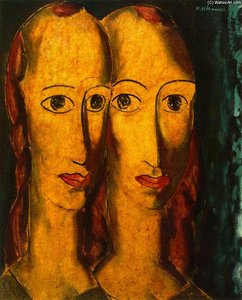
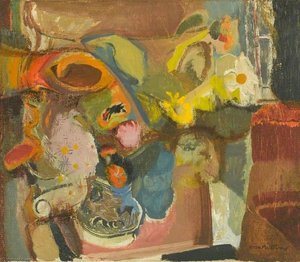
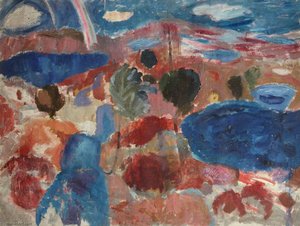
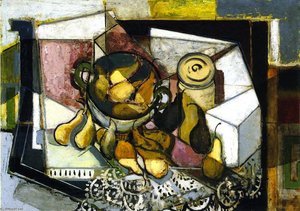
Artist Biography
Alfred Henry Maurer: A Life in Modern Art
Early Life and Training
- Born: April 21, 1868, New York City, United States of America.
- Maurer’s early life was marked by a familial tension regarding art. His father disapproved of modern artistic expression, ironically fueling Alfred's passion.
- At the age of sixteen, he left school to work in his father’s lithographic firm, gaining practical experience but yearning for more creative pursuits.
- Self-Portrait from his early Parisian period reflects a youthful optimism and burgeoning artistic confidence.
Parisian Influences and Artistic Breakthrough
- In 1897, Maurer embarked on a pivotal journey to Paris, where he spent four years immersed in the vibrant art scene.
- He joined a community of American and French artists, absorbing new ideas and experimenting with different styles.
- An Arrangement, completed around 1901, proved to be a turning point. It garnered first prize at the prestigious Carnegie International Exhibition, establishing Maurer as a rising talent.
Shifting Styles and Challenges
- Following his initial success, Maurer’s artistic direction evolved significantly. Influenced by figures like Gertrude and Leo Stein, he began to explore Cubist and Fauvist aesthetics.
- This stylistic shift proved controversial. While embracing the avant-garde, Maurer faced a decline in international recognition and commercial viability.
- He struggled with paternal disapproval throughout his life, adding to the pressures of navigating a changing art world.
Key Achievements and Recognition
- Maurer participated in landmark exhibitions that defined the American Modernist movement:
- 1913 Armory Show: A pivotal moment showcasing radical new art to an American audience.
- “The Forum Exhibition of Modern American Painters” (1916): Further solidifying his place within the modernist landscape.
- 1919: Elected Director of the Society of Independent Artists, demonstrating his commitment to artistic freedom and innovation.
Later Life and Legacy
- Despite his contributions, Maurer faced continued financial hardship and critical challenges.
- Sadly, he died by suicide on August 4, 1932, at the age of 64 – a tragic end to a turbulent life.
- However, Maurer’s legacy has endured. His work is now featured in numerous exhibitions and collections, including those at the Museum of Art New Orleans.
- His paintings serve as important examples of early American Modernism, bridging European avant-garde movements with a uniquely American sensibility.
Historical Significance
- Alfred Henry Maurer represents the struggles and triumphs of artists who dared to challenge convention.
- His willingness to experiment with new styles, despite facing criticism and financial difficulties, paved the way for future generations of American Modernists.
- Maurer’s work continues to inspire, reminding us of the importance of artistic freedom and the enduring power of innovation.
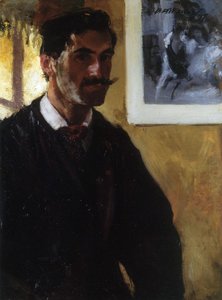
alfred henry maurer
1868 - 1932 , United States of America
Quick Facts
- Birth Date: April 21, 1868
- Birth Place: New York City, United States of America
- Death Date: August 4, 1932
- Influenced By:
- Gertrude Stein
- Leo Stein
- Movement:
- Modernism
- Fauvism
- Cubism
- Name: Alfred Henry Maurer
- Nationality: American
- Notable Works:
- An Arrangement
- Woman in a Garden
- Rockaway Beach

