

 Preview
 Send
Send Share
Share
 Details

 Download
 Similars
 X-Ray
X-Ray Diaporama
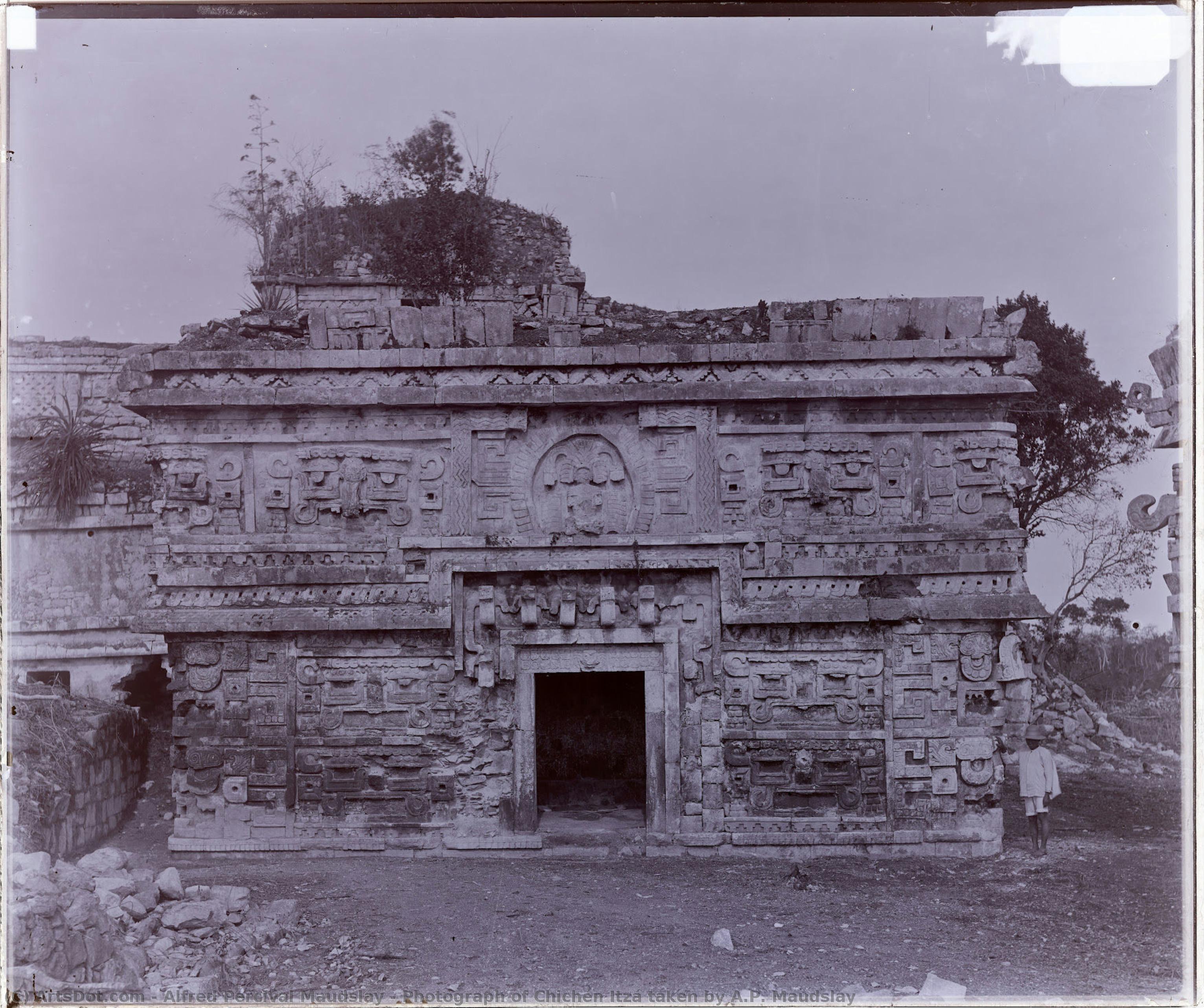
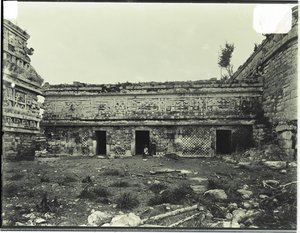
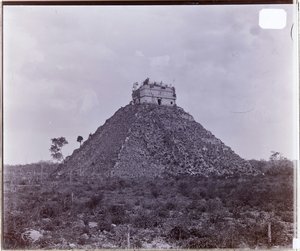
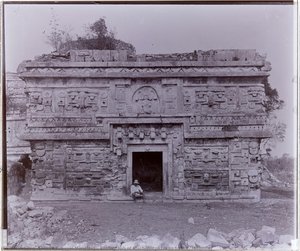
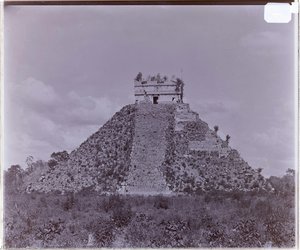
Photograph of Chichén Itzá taken by A.P. Maudslay
 Acrylic On Canvas
- WallArt
- Impressionistic Photography
 1894
1894 25.0 x 30.0 cm
 British Museum
 Read More
Purchase a high-resolution, enhanced digital image, far superior to the online preview.
Each file is meticulously prepared by our in-house specialists using advanced tools and expert manual retouching. We ensure every image has exceptional clarity, precise color accuracy, and fine detail.
The final file is delivered via email within 72 hours, optimized for immediate use in professional, editorial, and print environments. This is the same quality trusted by top-tier design studios, publishers, and galleries.
Digital Image
Download a high-resolution file for personal display, printing, and creative projects. ( Buy Print Buy Hand Made Painting)
Included in Every Digital Image Order
Expert Digital Delivery, Guaranteed
When you choose ArtsDot.com, you're not just getting an image - you're receiving a professionally enhanced digital artwork, crafted with precision and backed by a satisfaction guarantee. Here's everything that comes with your order, automatically:

Fast Email Delivery
Your high-resolution digital image file will be emailed to you within 72 hours of ordering - ready for immediate use.

AI-Enhanced Digital File
Your artwork is professionally optimized using advanced AI tools and manual editing, ensuring maximum detail, clarity, and color accuracy.

Free Lifetime Re-Delivery
Accidentally deleted or lost your file? No worries - we'll resend it to you anytime, free of charge.

No Import Fees - Ever
Enjoy your artwork instantly with zero customs, duties, or delivery fees - digital downloads are always tax-free.

Color Accuracy Guarantee
We ensure your digital image reflects the original colors as closely as possible using professional tools and color management.

60-Day Satisfaction Guarantee
If you're not satisfied with your digital image, we'll revise it or refund 100% within 60 days - no questions asked.

100% Money-Back Guarantee
Not satisfied? Get a full refund within 60 days of receiving your digital file - no questions asked.

Bulk Order Discounts
Buy 3 images, save 10% - Buy 5, save 15% - Buy 10+, save 20%. Great for creative projects, galleries, and agencies.
Alfred Maudslay: Pioneer of Maya Archaeology and Photographic Documentation
Alfred Percival Maudslay (18 March 1850 – 22 January 1931) stands as an extraordinary figure in the annals of archaeological exploration and photographic artistry. Born into a wealthy British family, his early life was marked by academic pursuits at Trinity Hall, Cambridge, culminating in a Bachelor’s degree in Natural Sciences—a foundation upon which he embarked on a remarkable journey that would reshape our understanding of Mesoamerican civilization. More than simply an administrator or diplomat, Maudslay possessed an unwavering passion for unraveling the mysteries of the Maya people and their magnificent ruins, leaving behind a legacy enshrined in meticulous observation and groundbreaking visual records.- Early Life & Education: Maudslay’s formative years instilled within him a profound appreciation for scientific inquiry. His studies at Cambridge alongside John Willis Clark fostered a collaborative spirit that would prove invaluable throughout his career—particularly in the burgeoning field of archaeology.
- Travels and Exploration: Maudslay's adventurous spirit propelled him across continents, beginning with expeditions to Central America and Mexico during his formative years. These voyages ignited an enduring fascination for ancient cultures and fueled his determination to document their grandeur through photography.
- The Biologia Centrali-Americana Project: Maudslay’s magnum opus—the monumental five-volume Biologia Centrali-Americana—represents a triumph of scholarly ambition and artistic vision. Published between 1889 and 1902, this ambitious undertaking meticulously charted the archaeological landscape of Mesoamerica, establishing Maudslay as a pioneer in systematic excavation and detailed observation.
- Chichén Itzá: A Photographic Revelation Maudslay’s meticulous documentation of Chichén Itzá—the sprawling Mayan city nestled within the Yucatán Peninsula—is arguably his most enduring contribution to art history. Captured in 1894 using wet collodion photography, a technique that demanded precision and patience, Maudslay's photograph transcends mere representation; it embodies the spirit of discovery and conveys the awe-inspiring scale of the ruins.
- Legacy: Maudslay’s influence extends far beyond his immediate accomplishments. He championed innovative archaeological methods—employing plaster casts to preserve intricate carvings and meticulously recording inscriptions—techniques that continue to inform modern research today. His unwavering dedication to preserving Maya heritage cemented his place as a visionary scholar and an artistic innovator whose work continues to inspire awe and wonder.
Technical Considerations: Wet Collodion Photography
Wet collodion photography, employed by Maudslay during his expeditions, was a revolutionary technique at the time. It demanded immediate processing—mixing chemicals, coating glass plates with emulsion, and exposing them within minutes—a process that necessitated careful planning and unwavering attention to detail. The resulting images possessed exceptional sharpness and tonal range, capturing subtle nuances of texture and color that would have been unattainable with earlier photographic methods. Maudslay’s mastery of this craft ensured that Chichén Itzá was immortalized in a visual record that remains remarkably vivid and evocative today.Further Exploration
To delve deeper into Alfred Maudslay's remarkable life and work, consider visiting the British Museum’s online collection where you can examine reproductions of his photographs and explore related archival materials. Additionally, biographical accounts detailing his expeditions to Guatemala and Mexico offer invaluable insights into the context surrounding his groundbreaking archaeological discoveries.Related Artworks
Artist Biography
**early life and education**
alfred percival maudslay, a british colonial administrator and archaeologist, was born on 18 march 1850 in london into a wealthy family. he studied natural sciences at trinity hall, cambridge, obtaining a ba in 1872.**career and travels**
maudslay's early plans for a medical career were deferred as he travelled with his brother, touring central america, mexico, and parts of the united states. this journey sparked an interest in archaeology, which would later define his legacy. after returning home, maudslay again postponed medical school to travel to iceland in 1873. his chronic bronchitis led him to seek a warmer climate, leading to a series of positions in jamaica, trinidad, and eventually, the south pacific.**archaeological contributions**
maudslay's time in the british pacific colonies laid the groundwork for his future archaeological pursuits. he became interested in collecting ethnographic materials, which would eventually contribute to the formation of the university museum of archaeology and ethnology at cambridge. his friend, ornithologist osbert salvin, encouraged maudslay to explore the maya ruins of quiriguá and copán.**notable achievements**
* maudslay was the first to describe the site of yaxchilán. * he explored chichén in the 1880s, taking extensive photographs. * published the first long-form description of chichen itza in his book, biologia centrali-americana. * made a complete translation with annotations of bernal díaz del castillo's historia, which remains the standard english edition.**artistic legacy**
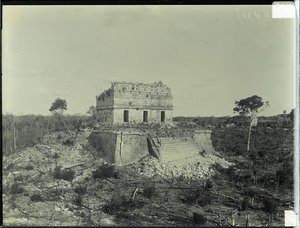
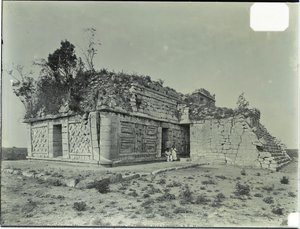
maudslay's photographs and writings have been preserved, offering a unique glimpse into the world of 19th-century archaeology. his work can be found in various museums, including the british museum (london, united kingdom), which houses several of his photographs.- photograph of chichén itzá taken by a.p. maudslay (16 x 21 cm, british museum, photograph)
- photograph of chichén itzá taken by a.p. maudsly (25 x 30 cm, british museum, photograph)
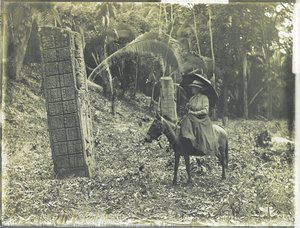
- photograph of copán taken by a.p. maudslay (31 x 25 cm, british museum, photograph)
**conclusion**
alfred percival maudslay's legacy is a testament to the power of curiosity and exploration. from his early days as a colonial administrator to his later years as an archaeologist, maudslay's work continues to inspire and educate.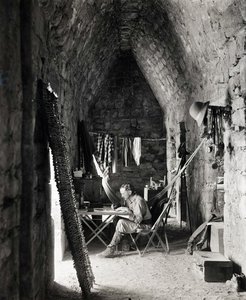
alfred percival maudslay
1850 - 1931 , United Kingdom
Quick Facts
- Artistic Movement Or Style: Archaeology/Photography
- Date Of Birth: 1850
- Date Of Death: 1931
- Full Name: Alfred Percival Maudslay
- Nationality: British
- Notable Artworks: ['Photograph of Chichén Itzá']
- Place Of Birth: London, United Kingdom

