 Preview
 Send
Send Share
Share
 Details

 Download
 Similars
 X-Ray
X-Ray Diaporama
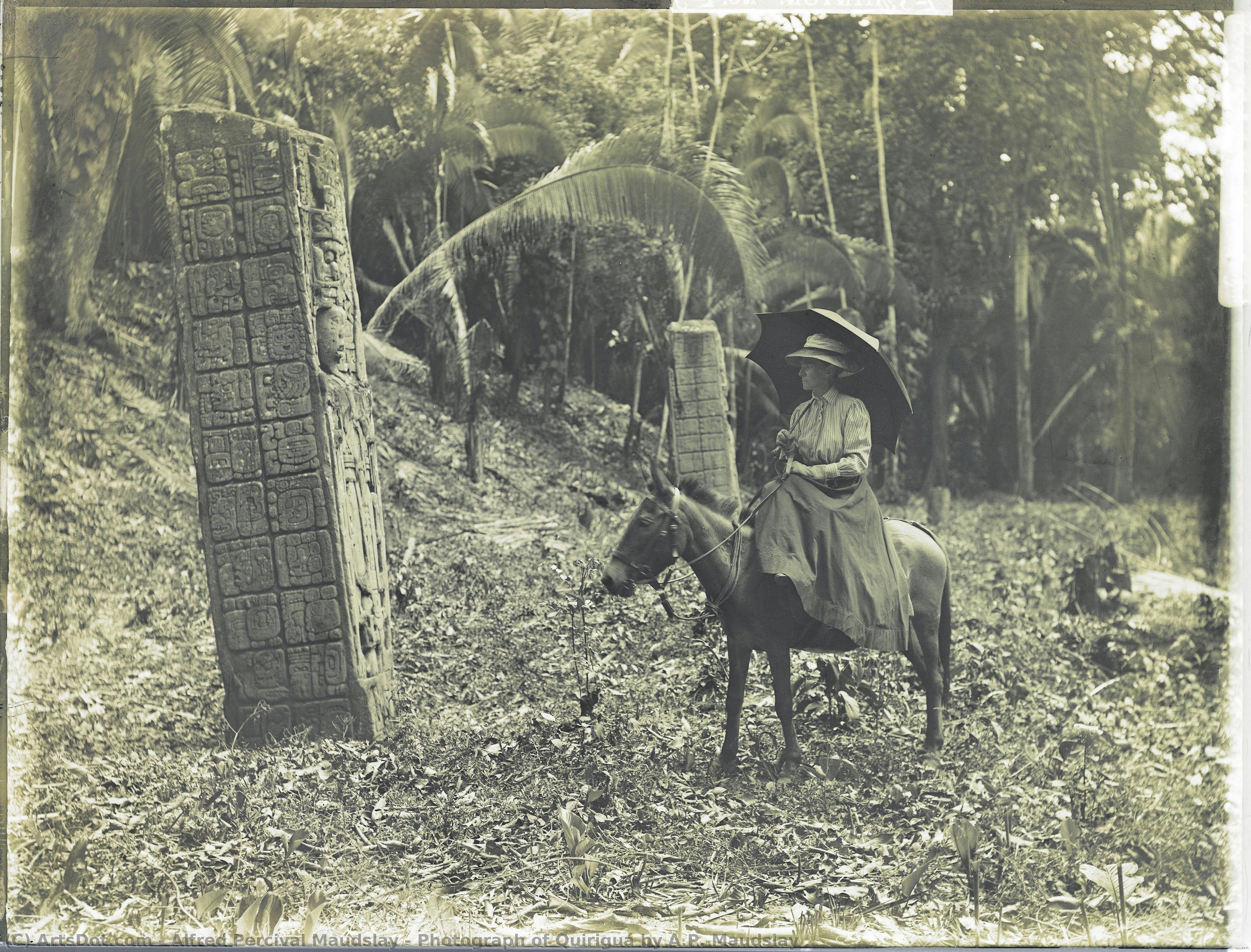
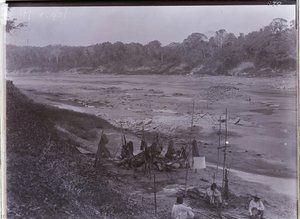
Photograph of Quiriguá by A.P. Maudslay
 Acrylic On Canvas
- WallArt
 16.0 x 21.0 cm
 British Museum
 Read More
Hand Made Oil Reproduction
Hand-painted oil on canvas in your size and frame, made to order by our artists. ( Buy Print Buy Image)




P118B $10

P118H $10

P118W $10

P438Z $10

P508JH $12

P508YH $12

P805H $10

P805Z $10

P919BZ $10

P919G $10

P919XJ $10

P959ZH $10

P968JZ $12

W106C $8

W218G $10

W218JH $8

W218Y $10

W307PJ $10

W316G $10

W316PJ $8

W316Y $10

W398PJ $8

W4111J $10

W500HY $15

W500JH $15

W692G $12

W849H $8

W940BG $15

W953PJ $8




Pick from our preset sizes that match the artwork's original proportions.

You may enter your own dimensions to fit a specific frame or space. If your selected size does not match the original image's proportions, we will either crop the artwork or extend the painting with additional hand-painted elements. A digital mockup will be sent for your approval before production begins.
Please note that the on-screen preview does not reflect the actual cropping or extension. Only the mockup will accurately show the final composition.
While custom sizes are available, we recommend selecting a dimension from the predefined list to preserve the original proportions.
After order, ArtsDot.com team will email client for instructions and provide a mockup preview
Worldwide Delivery () in 3/4 weeks instead of standard 5 weeks. (2 September). No compromise on quality.

Free Worldwide Express Shipping

High-Quality Linen Canvas

Full Shipping Insurance

Customs Tax Refund Guarantee

True Color Matching Guarantee

60-Day Return Policy (Defects Only)

100% Money-Back Guarantee

Bulk Discount Offer
 Glass option is only available in size under 110 CM

Photograph of Quiriguá by A.P. Maudslay
Reproduction Medium
Reproduction Size
-


Total Price
$ 263
A Window Into Ancient Majesty: Photograph of Quiriguá by A.P. Maudslay
The image before you is more than just a photograph; it’s a portal – a carefully constructed window into the heart of ancient Maya civilization, specifically the monumental city of Quiriguá in southeastern Guatemala. Captured by the pioneering archaeologist and photographer Alfred Percival Maudslay during his expeditions in the late 19th century, this black-and-white image offers an intimate glimpse of a world both profoundly mysterious and undeniably majestic. It’s a testament to Maudslay's meticulous approach to documenting a culture on the brink of disappearing, preserving its grandeur for posterity.
Maudslay wasn’t merely recording ruins; he was actively engaged in understanding them. His work at Quiriguá, and across other Maya sites like Tikal and Copán, went far beyond simple surveying. He recognized the importance of capturing not just the visible structures but also the intricate glyphs carved into their surfaces – a crucial element for deciphering the history and beliefs of this sophisticated society. The photograph itself is a product of his innovative use of dry plate photography, a relatively new technology at the time, demanding careful technique and patience to achieve the clarity and detail evident in the final image.
The Setting: A City Carved from Stone
The scene depicted isn’t one of isolated ruins; it's a vibrant tableau of human activity set against the backdrop of colossal stone monuments. The photograph captures a moment during what appears to be a procession or ceremonial gathering, likely involving local inhabitants interacting with the impressive structures. A horse and rider dominate the foreground, suggesting the presence of authority and perhaps even a connection between the ruling elite and the people. The figures in the background, dressed in long robes, add to the sense of ritual and community. Notably, a bird is perched atop one of the ancient stelae – a subtle detail that hints at the Maya’s deep reverence for nature and its integration into their cosmology.
Quiriguá itself is remarkable for its sheer scale and artistic complexity. The city is famed for its massive stelae, towering sculptures carved from red sandstone, each adorned with elaborate glyphic inscriptions detailing the lineage of rulers and recounting significant historical events. These monumental works were not simply decorative; they served as powerful symbols of authority, legitimizing the power of the Maya elite and reinforcing their connection to the divine.
Technique and Artistic Vision
Maudslay’s photographic approach was remarkably advanced for his time. He didn't just snap a quick picture; he meticulously planned each shot, considering lighting, composition, and perspective. His use of a tripod ensured sharp focus, while his careful attention to detail is evident in the clarity of the stone carvings and the expressions on the faces of the people depicted. The monochrome palette enhances the dramatic effect, emphasizing the textures of the stone and creating a timeless quality.
Furthermore, Maudslay’s work extended beyond photography. He pioneered the technique of making plaster casts of the stelae's glyphs, allowing for their precise replication and study – a method that remains invaluable to scholars today. These casts, alongside his photographs, formed the basis of his monumental *Archaeology* series, a comprehensive record of Maya civilization.
A Legacy of Discovery
Alfred Percival Maudslay’s photograph of Quiriguá is more than just a historical document; it's a window into a lost world. It speaks to the enduring power of human creativity and the importance of preserving cultural heritage. Reproductions of this image, like those offered by ArtsDot.com, allow us to connect with the past in a tangible way, fostering an appreciation for the ingenuity and artistry of the Maya civilization. The photograph’s evocative quality invites contemplation on themes of power, ritual, and the relationship between humanity and its environment – making it a compelling addition to any collection or interior space.
Related Artworks
Artist Biography
**early life and education**
alfred percival maudslay, a british colonial administrator and archaeologist, was born on 18 march 1850 in london into a wealthy family. he studied natural sciences at trinity hall, cambridge, obtaining a ba in 1872.**career and travels**
maudslay's early plans for a medical career were deferred as he travelled with his brother, touring central america, mexico, and parts of the united states. this journey sparked an interest in archaeology, which would later define his legacy. after returning home, maudslay again postponed medical school to travel to iceland in 1873. his chronic bronchitis led him to seek a warmer climate, leading to a series of positions in jamaica, trinidad, and eventually, the south pacific.**archaeological contributions**
maudslay's time in the british pacific colonies laid the groundwork for his future archaeological pursuits. he became interested in collecting ethnographic materials, which would eventually contribute to the formation of the university museum of archaeology and ethnology at cambridge. his friend, ornithologist osbert salvin, encouraged maudslay to explore the maya ruins of quiriguá and copán.**notable achievements**
* maudslay was the first to describe the site of yaxchilán. * he explored chichén in the 1880s, taking extensive photographs. * published the first long-form description of chichen itza in his book, biologia centrali-americana. * made a complete translation with annotations of bernal díaz del castillo's historia, which remains the standard english edition.**artistic legacy**
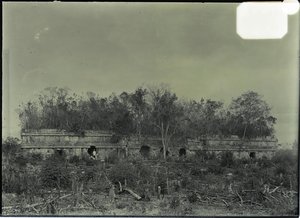
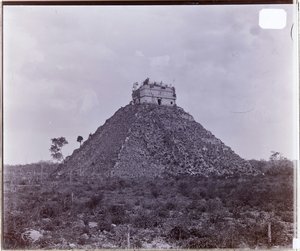
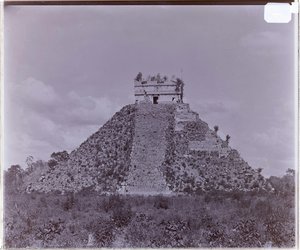
maudslay's photographs and writings have been preserved, offering a unique glimpse into the world of 19th-century archaeology. his work can be found in various museums, including the british museum (london, united kingdom), which houses several of his photographs.- photograph of chichén itzá taken by a.p. maudslay (16 x 21 cm, british museum, photograph)
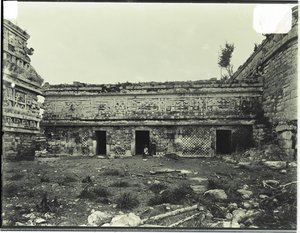
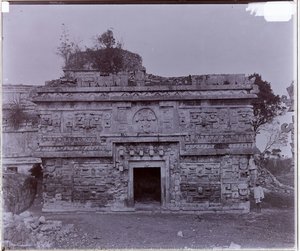
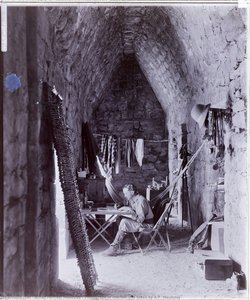
- photograph of chichén itzá taken by a.p. maudsly (25 x 30 cm, british museum, photograph)
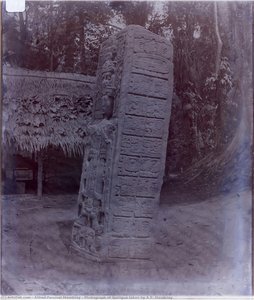
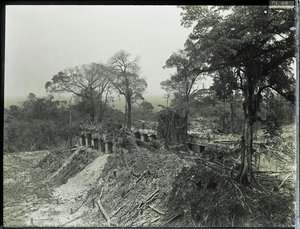
- photograph of copán taken by a.p. maudslay (31 x 25 cm, british museum, photograph)
**conclusion**
alfred percival maudslay's legacy is a testament to the power of curiosity and exploration. from his early days as a colonial administrator to his later years as an archaeologist, maudslay's work continues to inspire and educate.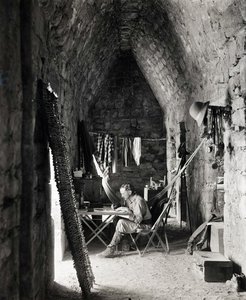
alfred percival maudslay
1850 - 1931 , United Kingdom
Quick Facts
- Artistic Movement Or Style: Archaeology/Photography
- Date Of Birth: 1850
- Date Of Death: 1931
- Full Name: Alfred Percival Maudslay
- Nationality: British
- Notable Artworks: ['Photograph of Chichén Itzá']
- Place Of Birth: London, United Kingdom
Related Articles

Dark Masterpieces: 10 Iconic Paintings Dominated by Black Tones |
Explore 10 iconic paintings dominated by black tones, from Rembrandt’s chiaroscuro to Goya's dark expressions. Discover the stories behind these masterpieces & find museum-quality art reproductions for your home at .
Mars Black Masterpieces: 10 Iconic Paintings & Timeless Art Decor Ideas
Delve into the power of 'Mars Black' with 10 iconic paintings by masters like Rembrandt & Caravaggio. Explore dramatic chiaroscuro, gothic art, and timeless beauty. Find museum-quality reproductions & elevate your home decor on .
Lamp Black & Masterpieces: 10 Paintings That Define Shadow & Light |
Delve into the captivating world of 'Lamp Black' tones with 10 iconic paintings by masters like Rembrandt & Caravaggio. Explore Baroque chiaroscuro, dramatic lighting & shadow in art history. Find museum-quality reproductions at
Ivory Black Masters: 10 Paintings That Define Dramatic Art |
Delve into the power of 'Ivory Black' with 10 iconic paintings by masters like Rembrandt & Caravaggio. Explore dramatic chiaroscuro, gothic moods & timeless art history. Find museum-quality reproductions and elevate your home decor at
Hubert Robert: Picturing Ruins, Preserving Memory – A Study of Romantic Antiquarianism & Artistic Innovation
Explore the captivating world of Hubert Robert, master of Romantic landscape painting & 'capriccio' ruins. Discover his historical context, artistic innovations, and collecting insights with ArtsDot.