 Preview
 Send
Send Share
Share
 Details

 Download
 Similars
 X-Ray
X-Ray Diaporama
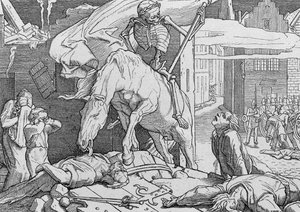
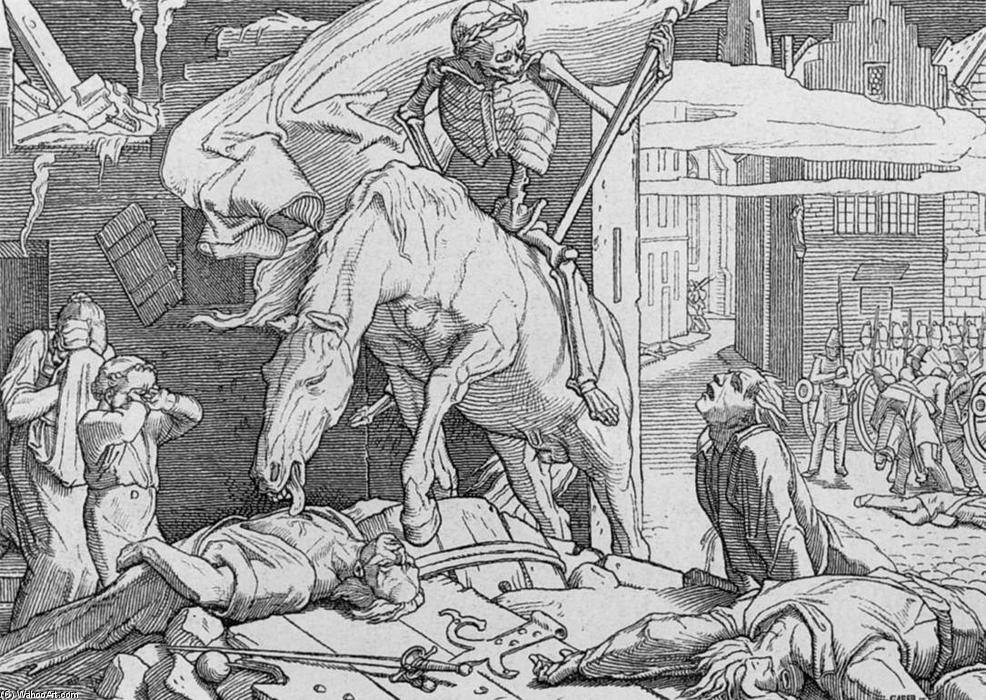
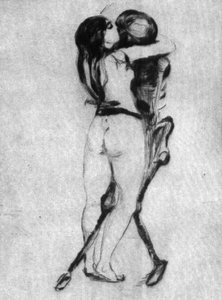
Death on the Barricades

 Read More
Giclée / Art Print
Museum-quality giclée or canvas print with fast production and flexible finish options. ( Buy Hand Made Painting Buy Image)




































Pick from our preset sizes that match the artwork's original proportions.

You may enter your own dimensions to fit a specific frame or space. If your selected size does not match the original image's proportions, we will either crop the artwork or extend the image with a mirrored or solid-fill edge. A digital mockup will be sent for your approval before production begins.
Please note that the on-screen preview does not reflect the actual cropping or extension. Only the mockup will accurately show the final composition.
While custom sizes are available, we recommend selecting a dimension from the predefined list to preserve the original proportions.
Worldwide Delivery () in 2 weeks instead of standard 4/5 weeks. (27 August)

Free Worldwide Express Shipping

High-Quality Linen Canvas

Full Shipping Insurance

Customs Tax Refund Guarantee

True Color Matching Guarantee

60-Day Return Policy (Defects Only)

100% Money-Back Guarantee

Bulk Discount Offer
 Glass option is only available in size under 110 CM

Death on the Barricades
Giclée / Art Print
Reproduction Size
-


Total Price
$ 63
Related Artworks
Artist Biography
John Frederick Kensett: The Luminist Visionary
John Frederick Kensett, born in Cheshire, Connecticut, in 1816 and tragically passing away in 1859, stands as a pivotal figure in the development of American landscape painting. Initially apprenticed to an engraver – a path dictated by his father’s profession – Kensett ultimately rejected the constraints of printmaking, driven by a profound desire to capture the ephemeral beauty of nature. His journey, marked by sojourns in England and France, culminating in a deep immersion within the Italian countryside, shaped him into the master of “luminism,” a style characterized by its delicate brushwork, atmospheric effects, and evocative portrayal of light. Kensett’s work wasn't merely about depicting scenes; it was an attempt to translate the feeling of being *within* a landscape – a quiet contemplation of nature’s serenity. He sought to emulate the subtle shifts in color and light that define the American Northeast, particularly during the golden hours of dawn and dusk. His early influences included the Hudson River School artists like Asher B. Durand and Thomas Cole, but Kensett developed a unique voice, prioritizing atmospheric perspective and a luminous quality that distinguished his work from its contemporaries.Early Years and Artistic Training
Kensett’s formative years were spent in New Haven, Connecticut, where he honed his skills under his father's engraving firm. This initial training instilled a meticulous attention to detail – a trait that would later inform his precise brushwork. However, the limitations of engraving quickly became apparent, fueling his ambition to pursue landscape painting. A pivotal moment occurred when he met John W. Casilear and Asher B. Durand in New York City, both influential figures within the burgeoning American art scene. These encounters sparked a shared interest in capturing the essence of nature, leading Kensett to eventually join them on an expedition to England in 1840. This trip proved transformative; he immersed himself in the collections of the National Gallery and Dulwich College, studying the works of masters like J.M.W. Turner and Constable – artists who had pioneered techniques for rendering atmospheric effects. The experience solidified his commitment to luminism and provided him with invaluable artistic insights.The Parisian Years: Experimentation and Influence
Following his return from England, Kensett spent over two years in Paris, a period of intense experimentation and artistic growth. He enrolled at the École Préparation des Beaux-Arts, studying under various instructors and absorbing the techniques of the Old Masters. Crucially, he connected with a vibrant community of American expatriates – including Thomas Cole, Benjamin Champney, John Vanderlyn, and Francis W. Edmonds – creating a supportive network that fostered intellectual exchange and artistic inspiration. This Parisian sojourn allowed Kensett to refine his technique, particularly in rendering light and shadow, and to develop a more nuanced understanding of composition. He also began experimenting with different subjects, moving beyond purely topographical depictions to explore the emotional resonance of landscapes. The influence of French landscape painting is evident in Kensett’s later works, particularly his use of color and atmospheric perspective.Italian Sojourn: Mastering Light and Color
Kensett's most significant artistic development occurred during his extended sojourn in Italy (1843-1847). He traveled extensively throughout the region, sketching and painting in Rome, Florence, Venice, Naples, and southern Italy. This period marked a profound shift in his style, as he embraced the warm light and vibrant colors of the Italian landscape. He studied the works of Titian and Michelangelo, absorbing their mastery of color and form. Kensett’s paintings from this time are characterized by an extraordinary sensitivity to light – capturing its subtle nuances and transforming ordinary scenes into moments of breathtaking beauty. His palette became richer and more expressive, reflecting his deep appreciation for the Italian countryside. He also cultivated relationships with American writers and intellectuals, such as George W. Curtis, who provided him with valuable social connections and helped to promote his work in New York City.Legacy and Significance
John Frederick Kensett’s contribution to American landscape painting is undeniable. As the acknowledged master of luminism, he elevated the genre to new heights of artistic sophistication. His paintings are celebrated for their delicate brushwork, atmospheric effects, and evocative portrayal of light – qualities that continue to resonate with viewers today. While his work was initially met with mixed reviews, Kensett’s influence grew steadily over time, inspiring generations of American artists. He remains a key figure in the Hudson River School and a vital link between its early idealism and the subsequent development of American landscape painting. His legacy is not simply one of technical skill but also of artistic vision – a profound appreciation for the beauty and serenity of the natural world. His paintings are held in prestigious collections, including the Metropolitan Museum of Art and the Smithsonian American Art Museum, ensuring that his luminous vision continues to inspire and captivate audiences worldwide.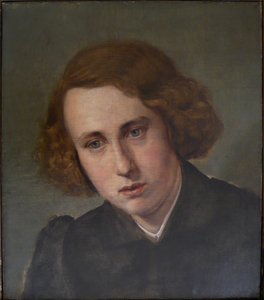
alfred rethel
1816 - 1859 , Germany
Quick Facts
- Artistic Movement Or Style: Luminism
- Artists Or Movements Influenced By This Artist: ['Hudson River School']
- Artists Who Influenced This Artist:
- Asher B. Durand
- Thomas Cole
- Benjamin Champney
- Date Of Birth: 1816
- Date Of Death: 1872
- Full Name: John Frederick Kensett
- Nationality: American
- Notable Artworks:
- The Old River Road
- Twilight in the Adirondacks
- Maine Hills
- Place Of Birth: Cheshire, Connecticut