 Preview
 Send
Send Share
Share
 Details

 Download
 Similars
 X-Ray
X-Ray Diaporama
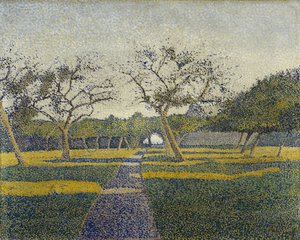
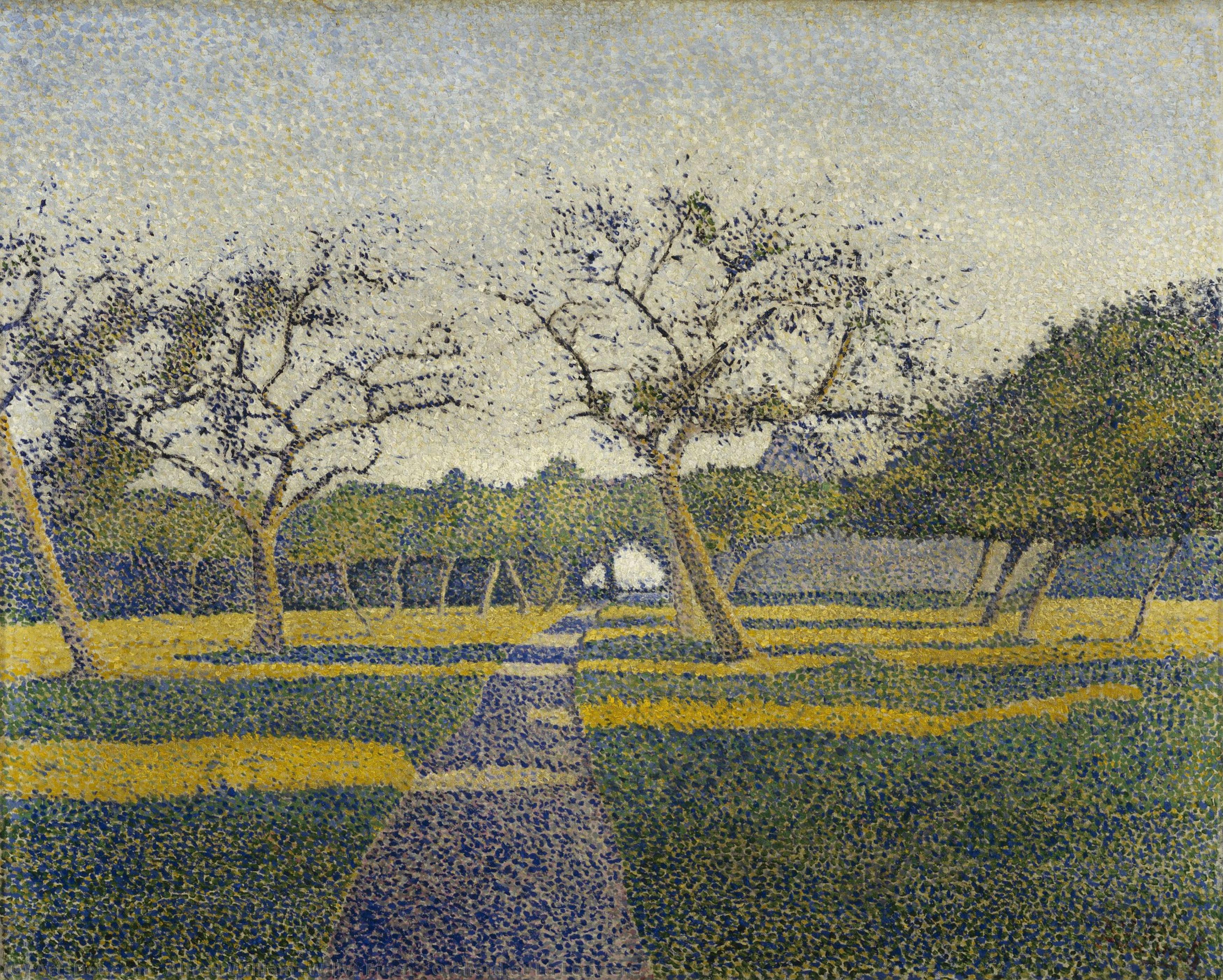
Orchard at La Louvière
 Neo-Impressionism
 1890
1890 67.0 x 54.0 cm
 Ateneum Art Museum
 Read More
Giclée / Art Print
Museum-quality giclée or canvas print with fast production and flexible finish options. ( Buy Hand Made Painting Buy Image)




P118B $10

P118H $10

P118W $10

P438Z $10

P508JH $12

P508YH $12

P805H $10

P805Z $10

P919BZ $10

P919G $10

P919XJ $10

P959ZH $10

P968JZ $12

W106C $8

W218G $10

W218JH $8

W218Y $10

W307PJ $10

W316G $10

W316PJ $8

W316Y $10

W398PJ $8

W4111J $10

W500HY $15

W500JH $15

W692G $12

W849H $8

W940BG $15

W953PJ $8




Pick from our preset sizes that match the artwork's original proportions.

You may enter your own dimensions to fit a specific frame or space. If your selected size does not match the original image's proportions, we will either crop the artwork or extend the image with a mirrored or solid-fill edge. A digital mockup will be sent for your approval before production begins.
Please note that the on-screen preview does not reflect the actual cropping or extension. Only the mockup will accurately show the final composition.
While custom sizes are available, we recommend selecting a dimension from the predefined list to preserve the original proportions.
Worldwide Delivery () in 2 weeks instead of standard 4/5 weeks. (29 August)

Free Worldwide Express Shipping

High-Quality Linen Canvas

Full Shipping Insurance

Customs Tax Refund Guarantee

True Color Matching Guarantee

60-Day Return Policy (Defects Only)

100% Money-Back Guarantee

Bulk Discount Offer
 Glass option is only available in size under 110 CM

Orchard at La Louvière
Giclée / Art Print
Reproduction Size
-


Total Price
$ 63
A Symphony of Dots: The Luminous World of Finch
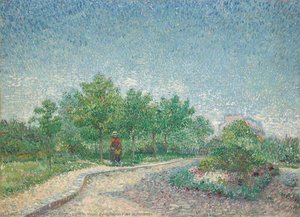
In the delicate dance of light and shadow captured within Orchard at La Louvière, we encounter a moment frozen in time, rendered through the meticulous and hypnotic technique of Pointillism. Created in 1890 by the Belgian-born artist Alfred William (Willy) Finch, this masterpiece serves as a breathtaking window into a serene, pastoral landscape. The scene unfolds as a quiet parkland, where a winding pathway invites the viewer to wander through a rhythmic arrangement of trees and verdant foliage. Rather than using traditional, sweeping brushstrokes, Finch employs thousands of tiny, precise dots of color—a method deeply influenced by the Neo-Impressionist pioneers like Georges Seurat. This technique does not merely depict a scene; it vibrates with an optical energy, as if the very air of the orchard is shimmering under a soft, diffused light.
The emotional resonance of the piece lies in its profound sense of tranquility and a subtle, underlying melancholy. The color palette is masterfully curated, leaning heavily into cool tones of deep blues, lush greens, and gentle yellows. These hues work in harmony to evoke the atmosphere of an overcast afternoon, where the sun is present but veiled, casting no harsh shadows and instead bathing the landscape in a dreamlike, ethereal glow. For the collector or interior designer, this painting offers a sophisticated emotional anchor; it possesses the rare ability to instill a sense of calm and contemplative solitude within a room, making it an ideal centerpiece for spaces dedicated to reflection and peace.
Technique and Artistic Legacy
To gaze upon Orchard at La Louvière is to witness the intersection of scientific precision and poetic expression. Finch’s mastery of the Pointillist method requires immense patience, as each dot must be placed with intention to allow the viewer's eye to blend the colors optically from a distance. This creates a texture that feels organic and alive, simulating the rustle of leaves and the soft touch of grass without ever relying on hard, explicit lines. The composition is expertly balanced, utilizing a flattened perspective typical of the Impressionist era to emphasize the decorative and rhythmic qualities of the landscape. The way the pathway recedes into the distance provides just enough depth to draw the soul into the painting, creating an immersive experience that feels both intimate and expansive.
As an artist who bridged the gap between British rigidity and European expressiveness, Finch’s work represents a pivotal moment in late 19th-century art. This particular work stands as a testament to his ability to innovate within the Neo-Impressionist movement, transforming a simple orchard into a complex tapestry of light and emotion. For those seeking a high-quality reproduction, this piece offers more than just visual beauty; it provides a connection to a historical era of profound artistic discovery. It is an exquisite choice for any curated collection, bringing with it the timeless elegance of a bygone era and the enduring magic of a landscape captured through the lens of pure, stippled light.
Related Artworks

Artist Biography
early life and artistic beginnings
alfred william (willy) finch, a belgian ceramist and painter, was born in 1854 to british parents in brussels. this foundational element of his life would later influence his artistic style, which blended the rigidity of british art with the expressiveness of continental europe.the pointillist movement and neo-impressionism
finch's artistic career is marked by his significant contribution to the pointillist movement, a subset of neo-impressionism. this style, characterized by the use of small dots of color, was pioneered by georges seurat, an artist finch deeply admired. finch's adoption of pointillism not only reflected his artistic versatility but also underscored his desire to innovate and challenge prevailing artistic norms.notable works and collaborations
- **the lovers**: though not exclusively known for this piece, finch's rendition of the lovers, inspired by the works of rené magritte, showcases his ability to capture enigmatic, thought-provoking scenes. - **les xx**: as a founding member of this group of belgian painters, designers, and sculptors, finch played a pivotal role in the rebellion against traditional artistic standards.museum collections and online platforms
- **musées royaux des beaux-arts** (brussels, belgium): though not exclusively featuring finch's work, this institution is a must-visit for any art enthusiast, offering a broad spectrum of artistic masterpieces. - **ArtsDot.com**: this online platform provides an extensive collection of artworks, including those by alfred william (willy) finch, allowing for a deeper exploration into his pointillist and neo-impressionist works. [visit ArtsDot's collection](https://ArtsDot.com/@/alfred%20william%20(willy)%20finch)- explore willy finch's artistic evolution through his pointillist masterpieces at [ArtsDot's virtual /en/art/show/art-d3cf2d-en/
- discover the neo-impressionist movement and its influence on finch's work with [ArtsDot's art movement insights](https://ArtsDot.com/@@/a@d3crf5-neo-impressionism-art-movement).
legacy and later life
finch's transition from painting to pottery in the early 1890s, followed by his move to finland in 1897, marks a significant shift in his career. his influence on local jugendstil and his eventual return to painting underscore his artistic resilience. finch passed away in helsinki in 1930, leaving behind a legacy of pointillist and neo-impressionist art that continues to inspire.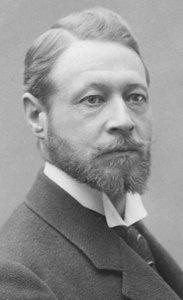
alfred william (willy) finch
1854 - 1930 , Belgium
Quick Facts
- Artistic Movement Or Style: Pointillism & Neo-Impressionism
- Artists Or Movements Influenced By This Artist: ['Neo-Impressionism']
- Artists Who Influenced This Artist: ['Georges Seurat']
- Date Of Birth: Brussels, Belgium (1854)
- Date Of Death: Helsinki , Finland (1930)
- Full Name: Alfred William Finch
- Nationality: British
- Notable Artworks:
- The Lovers
- Les XX
- Place Of Birth: Brussels
Related Articles

Sir Alfred Munnings' Masterpieces: 25 Paintings That Define Equine Art | ArtsDot
Explore 25 iconic Sir Alfred Munnings paintings! Discover the beauty of British Impressionism, equine art & rural England. Find museum-quality reproductions and elevate your home decor with ArtsDot. Explore the full collection online.

Romantic Landscapes: 10 Masterpieces for Your Home | ArtsDot
Journey through 10 Romantic landscape masterpieces by Friedrich, Turner & Cole. Explore emotional art, sublime nature scenes & iconic 19th-century paintings. Find museum-quality reproductions for your home at ArtsDot.com – discover the full collection online!

Evocations of Place: A Historical Journey Through Landscape Art
Explore the rich history of landscape art with ArtsDot. Discover renowned artists, movements like Impressionism & Romanticism, and expert guidance for collecting timeless pieces. Find your perfect serene escape today!
Alfred East: Pioneering Plein Air & Evoking Atmospheric Landscapes
Explore the life & work of Alfred East, a pioneer of British plein air painting. Discover his techniques for capturing atmospheric landscapes, Barbizon influences, and lasting legacy. Learn more at ArtsDot.

John Constable's Masterpieces: Explore 25 Iconic Landscapes for Your Home
Journey through John Constable's 25 most celebrated landscapes. Explore Romanticism, Dedham Vale & his masterful use of light in iconic paintings like 'Hay Wain'. Find museum-quality art reproductions and elevate your home decor on ArtsDot.com.