 Preview
 Send
Send Share
Share
 Details

 Download
 Similars
 X-Ray
X-Ray Diaporama
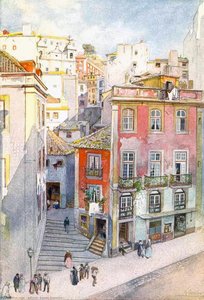
Untitled (AQQC52)


 Read More
Hand Made Oil Reproduction
Hand-painted oil on canvas in your size and frame, made to order by our artists. ( Buy Print Buy Image)




P118B $10

P118H $10

P118W $10

P438Z $10

P508JH $12

P508YH $12

P805H $10

P805Z $10

P919BZ $10

P919G $10

P919XJ $10

P959ZH $10

P968JZ $12

W106C $8

W218G $10

W218JH $8

W218Y $10

W307PJ $10

W316G $10

W316PJ $8

W316Y $10

W398PJ $8

W4111J $10

W500HY $15

W500JH $15

W692G $12

W849H $8

W940BG $15

W953PJ $8




Pick from our preset sizes that match the artwork's original proportions.

You may enter your own dimensions to fit a specific frame or space. If your selected size does not match the original image's proportions, we will either crop the artwork or extend the painting with additional hand-painted elements. A digital mockup will be sent for your approval before production begins.
Please note that the on-screen preview does not reflect the actual cropping or extension. Only the mockup will accurately show the final composition.
While custom sizes are available, we recommend selecting a dimension from the predefined list to preserve the original proportions.
After order, ArtsDot.com team will email client for instructions and provide a mockup preview
Worldwide Delivery () in 3/4 weeks instead of standard 5 weeks. (17 August). No compromise on quality.

Free Worldwide Express Shipping

High-Quality Linen Canvas

Full Shipping Insurance

Customs Tax Refund Guarantee

True Color Matching Guarantee

60-Day Return Policy (Defects Only)

100% Money-Back Guarantee

Bulk Discount Offer
 Glass option is only available in size under 110 CM

Untitled (AQQC52)
Reproduction Medium
Reproduction Size
-


Total Price
$ 263
Artwork Description
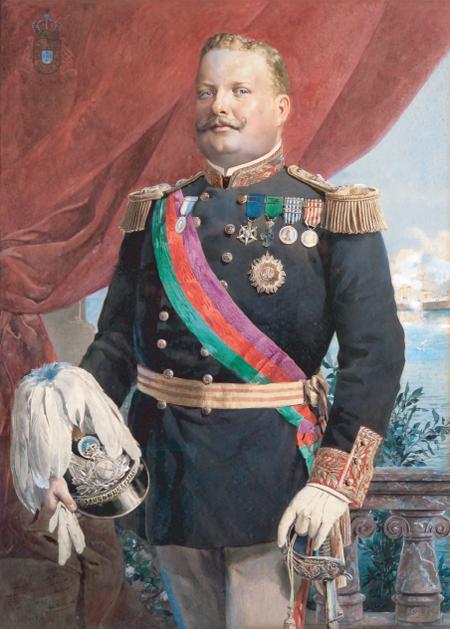
A Portrait of Power: Unveiling Alfredo Roque Gameiro’s 1902 Masterpiece
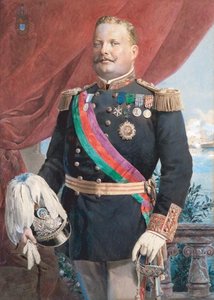
This striking oil painting by Alfredo Roque Gameiro, created in 1902, presents a compelling portrait of a distinguished gentleman – likely a figure of significant royal or governmental authority. The artwork immediately commands attention through its formal composition and the subject's dignified bearing. Gameiro masterfully employs classical portraiture techniques, reminiscent of earlier masters, to convey a sense of importance and gravitas. The meticulous detail in the rendering of his elaborate military attire, adorned with medals and ribbons, speaks volumes about his status and service. The soft, diffused lighting gently highlights facial features and uniform details, creating a subtle yet powerful effect.Technique & Style: A Blend of Realism and Idealization
Gameiro’s technical skill is readily apparent in the painting's execution. He utilizes precise lines to define forms – from the crisp folds of the uniform to the contours of the face – and builds up layers of oil paint to achieve rich textures and a convincing sense of depth. While rooted in realism, there’s also an element of idealization present, common in historical portraiture. This isn't merely a photographic likeness; it’s a carefully constructed representation designed to project power, intelligence, and nobility. The shallow perspective focuses the viewer’s attention squarely on the subject, while atmospheric perspective subtly suggests a grander setting beyond – a cityscape glimpsed through draped curtains, hinting at the scope of his influence.Historical Context & Symbolism
Alfredo Roque Gameiro (1864-1935) was a pivotal figure in Portuguese art, renowned for his watercolors and graphic artistry. However, this oil painting demonstrates his versatility and mastery across different mediums. His training at the Faculty of Fine Arts in Lisbon and later in Leipzig exposed him to diverse artistic traditions, which he skillfully synthesized into his own unique style. The symbolism within the portrait is clear: the regalia signifies authority, the military attire denotes service and leadership, and the overall composition reinforces a sense of established power.Emotional Impact & Interior Design Considerations
This artwork evokes a feeling of respect and admiration. The subject’s gaze – though not directly at the viewer – feels engaging and authoritative. The dark, rich color palette, punctuated by accents of gold and red, lends an air of sophistication and timelessness. From an interior design perspective, this portrait would serve as a stunning focal point in a study, library, or formal living room. Its classical style complements traditional décor while also adding depth and character to more contemporary spaces. A high-quality reproduction would bring a touch of historical elegance and intellectual weight to any environment.Related Artworks
Artist Biography
Alfredo Roque Gameiro: A Watercolorist of Lisbon’s Soul
Alfredo Roque Gameiro (1864-1935) stands as a pivotal figure in the development of Portuguese watercolor art, a master who captured the essence of his homeland with a delicate yet vibrant touch. Born in Minde and nurtured by a family steeped in artistic tradition – including his father, Manuel de Macedo, and sisters Raquel and Helena – Gameiro’s journey was one of dedicated study, experimentation, and ultimately, the creation of a uniquely Portuguese visual language. His legacy endures not only through his stunning artwork but also through the institutions bearing his name, solidifying his place as a foundational artist for generations to come.Early Life and Artistic Training
Gameiro’s early years were marked by a formative immersion in artistic practices. At just ten years old, he entered the bustling lithography studio of his older brother, Justin, gaining invaluable hands-on experience with printmaking techniques. This practical foundation was complemented by formal studies at the “Faculty of Fine Arts” of the University of Lisbon, where he benefited from the guidance of José Simões de Almeida, a respected figure in Portuguese art education. A pivotal moment arrived when he received a scholarship that enabled him to travel to Leipzig, Germany, and study lithography under Ludwig Nieper, a renowned master of the craft. This international exposure broadened his technical skills and introduced him to new approaches to image-making, which he would later integrate into his distinctive style. Returning to Portugal in 1886, he quickly ascended to positions of influence, first as director of the “Companhia Nacional Editora” and subsequently as a professor at the “Escola Industrial do Príncipe Real,” shaping the artistic landscape of Lisbon during this period.Lisboa Velha: A Masterpiece and Defining Work
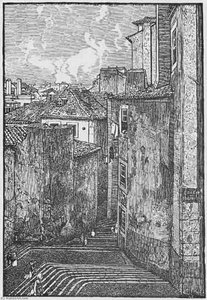
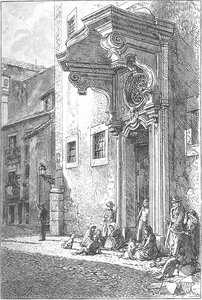
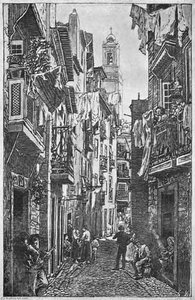
Perhaps Gameiro’s most celebrated achievement is *Lisboa Velha* (Old Lisbon), a monumental project undertaken between 1910 and 1920. This collection of 10 watercolors and 90 lithographs, introduced by the poet Afonso Lopes Vieira, represents the culmination of his artistic vision and cemented his reputation as a leading watercolorist. *Lisboa Velha* isn’t merely a depiction of Lisbon's historic district; it’s an evocative portrayal of its soul—its atmosphere, its people, and its enduring spirit. The watercolors are characterized by their luminous colors, organic lines, and meticulous attention to detail, capturing the light and shadow that define the city’s unique character. The lithographs, executed with remarkable precision, further amplify this sense of place, offering a broader perspective on Lisbon's urban fabric. This work demonstrated his ability to blend historical documentation with artistic expression, creating an enduring image of a bygone era.Beyond Lisboa Velha: Illustrations and Institutional Contributions
While *Lisboa Velha* remains his most recognized achievement, Gameiro’s artistic output extended far beyond this single project. He was a prolific illustrator for numerous novels by Júlio Dinis, bringing these literary works to life with his distinctive watercolor style. He also contributed illustrations to periodicals and magazines, showcasing his versatility as an artist. In 1919, he took on the challenging role of founding the “Escola de Arte Aplicada de Lisboa,” a pioneering institution dedicated to applied arts education—a testament to his commitment to nurturing future generations of artists. The following year, he collaborated with his daughter, Helena Gameiro, in a successful exhibition in Brazil, further expanding his international recognition. His contributions were formally acknowledged in 1923 when he was elected a member of the “Real Academia de Bellas Artes de San Fernando,” solidifying his place among Portugal’s most esteemed artists. Three institutions now bear his name: the “Escola Roque Gameiro” in Amadora, the “Casa Roque Gameiro” (his former home), and the “Centro de Artes e Ofícios Roque Gameiro” in his hometown, each serving as a tribute to his enduring legacy.Legacy and Artistic Influence
Alfredo Roque Gameiro’s impact on Portuguese art is profound and multifaceted. He elevated watercolor painting to new heights of artistic expression, establishing a distinctively Portuguese style characterized by its luminous colors, atmospheric perspective, and meticulous attention to detail. His work served as an inspiration for subsequent generations of artists, shaping the course of Portuguese watercolor art. His dedication to both painting and illustration demonstrated his versatility and commitment to various forms of visual communication. The numerous works on loan from the Gulbenkian Foundation and displayed in the Municipal Museum in his hometown underscore the continued appreciation of his artistic achievements. Furthermore, his designs have graced Portuguese postage stamps, a tangible recognition of his national significance. The family’s artistic lineage—with his daughters Raquel and Helena also pursuing careers as artists—ensures that Gameiro's influence continues to resonate within the Portuguese art world today.
Alfredo Roque Gameiro
1864 - 1935
Quick Facts
- Artistic Movement Or Style: Watercolorist
- Artists Or Movements Influenced By This Artist: ['Portuguese watercolor art']
- Artists Who Influenced This Artist: ['José Simões de Almeida']
- Date Of Birth: 1864
- Date Of Death: 1935
- Full Name: Alfredo Roque Gameiro
- Nationality: Portuguese
- Notable Artworks:
- Lisboa Velha
- Various watercolors
- Lithographs
- Place Of Birth: Minde, Portugal
Related Articles
Alfredo Roque Gameiro: A Portuguese Master of Historical Painting & Artistic Eclecticism
Discover Alfredo Roque Gameiro (1864-1935), a renowned Portuguese painter celebrated for his vibrant watercolors and historical illustrations. Explore his legacy & artworks at ArtsDot.
Neo-Classicism's Greatest Hits: 10 Masterpieces for Your Home |
Journey through Neo-Classicism's finest! Explore 10 iconic masterpieces by David, Ingres & Canova. Discover art history, techniques & timeless beauty – perfect for inspiring your home decor. Find museum-quality reproductions at
The Enduring Legacy of Classicism: Principles, Evolution & Influence in Western Art
Explore the enduring legacy of Classicism in Western art! Discover its historical context, key principles, iconic masterpieces & lasting influence. Learn about Renaissance and Neoclassical movements with ArtsDot.
Timeless Resonance: Exploring Classic Vibe in Art – A Historical & Aesthetic Analysis
Explore the rich history & enduring aesthetic of Classicism art! Discover key movements, iconic artists like Raphael & David, and its lasting influence on Western art. Deepen your appreciation today.
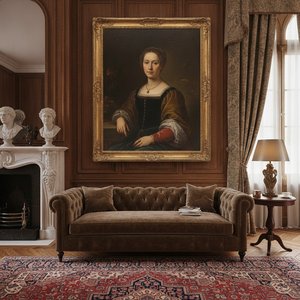
Timeless Elegance: The Ultimate Buyer's Guide to Choosing Classical Portraits for Sophisticated Interiors
Discover how to select the perfect classical portrait for your home. Our expert guide explores matching art styles to interiors, choosing between hand-painted oils and Giclée prints, and transforming personal photos into timeless masterpieces with professional artistry.