The Allure of Antiquity: Why Classical Portraits Never Go Out of Style
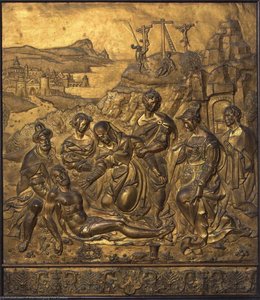 peter wolfgang van ceulen
Peter Wolfgang van Ceulen: A Master of Classical Portraiture Peter Wolfgang van Ceulen (born 1867, Germany) stands as a testament to the enduring beauty and precision of classical portraiture in the late nineteenth century. Though overshadowed by his...
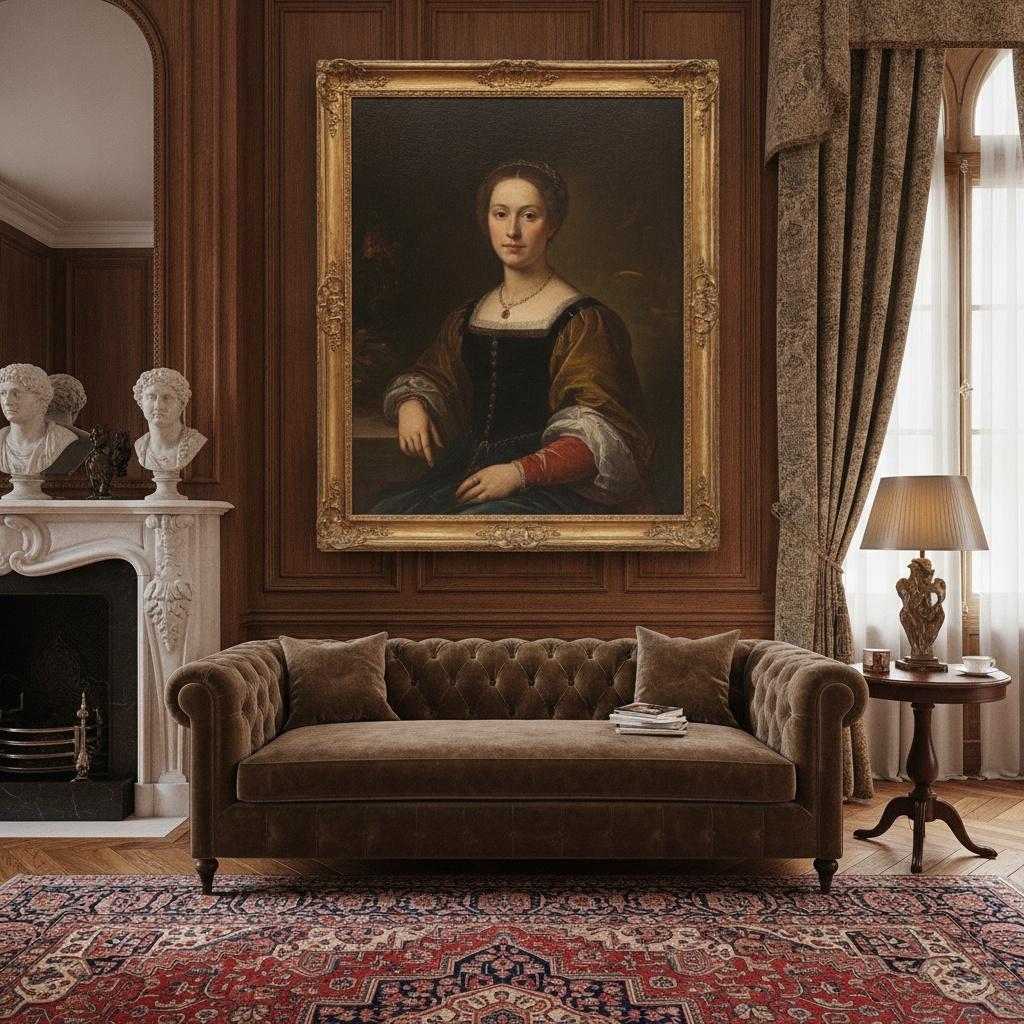
There is a profound, quiet magic that occurs when one steps into a room anchored by a classical portrait. Unlike the fleeting trends of modern decor, these works carry the weight of centuries, offering a sense of historical continuity that grounds even the most contemporary of homes. To gaze upon a masterwork is to engage in a silent dialogue with the past, where every brushstroke serves as a bridge between eras. The enduring appeal of classical portraiture lies in its pursuit of universal truths—the exploration of human dignity, the subtle nuances of emotion, and the celebration of idealized beauty. Whether it is the soft, introspective gaze found in the Neo-Classical realism of John William Godward or the meticulous anatomical precision of Peter Wolfgang van Ceulen, these portraits do more than decorate a wall; they curate an atmosphere of permanence and grace.
In an age characterized by rapid change and digital ephemeralness, our homes have become sanctuaries for things that last. Classical art provides this much-needed stability. The mastery of light and shadow, often achieved through the timeless technique of oil on canvas, creates a luminous depth that invites the viewer to linger. This depth is not merely visual but emotional, as these works tap into archetypal themes of love, duty, and serenity. By introducing such pieces into our living spaces, we invite the grandeur of the Renaissance and the order of the Enlightenment into our daily lives, transforming a simple house into a curated gallery of human achievement.
Finding Your Aesthetic: Matching Portrait Styles to Your Interior Design
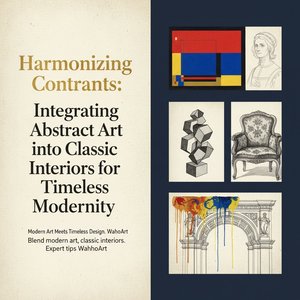 Harmonizing Contrasts: Integrating Abstract Art into Classic Interiors for Timeless Modernity
The Enduring Appeal of Classic Interiors: Why Abstract Art Complements Timeless Design Harmonizing Eras: Classical & Modern Art for Timeless Interiors Explore the art of blending classical & modern aesthetics for timeless interiors. Discover key arti...
Selecting a portrait requires an intuitive understanding of how different artistic movements interact with your existing surroundings. For those who embrace the hallmarks of classic interior design—symmetry, refined materials, and a sense of structured elegance—Neo-Classical works are a natural companion. These pieces, born from a fascination with the archaeological discoveries at Pompeii and Herculaneum, emphasize clarity, proportion, and a certain stoic dignity. They pair exquisitely with formal dining rooms or studies characterized by architectural moldings and rich, dark woods.
However, the beauty of art lies in its ability to harmonize unexpected contrasts. If your home leans toward a more modern or eclectic aesthetic, you might find that a classical portrait acts as a sophisticated anchor. Much like the way abstract art can inject energy into a traditional space, a classical piece can provide a soulful counterpoint to minimalist furniture. Consider the intimacy of a Dutch interior scene, such as those by Sir Lawrence Alma-Tadema, which brings a sense of warmth and domesticity to a room through its soft light and detailed textures. The key is to look for a shared language between the art and your decor—perhaps a recurring color palette or a similar sense of rhythm—to ensure the portrait feels like an integrated part of the room's story rather than an afterthought.
Beyond the Frame: Selecting the Right Medium, from Giclée Prints to Hand-Painted Oils
 The Enduring Legacy of Oil on Canvas: Technique, History & Aesthetic Impact
The Genesis of Oil Painting: From Ancient Origins to Renaissance Mastery Wikipedia: Oil painting Oil painting is a painting method involving the procedure of painting with pigments combined with a drying oil as the binder. It has been the most common...
As you embark on this journey of collection, one of the most important decisions involves the physical nature of the artwork itself. The choice between a Giclée print and a handmade oil reproduction is essentially a choice between convenience and soul. A Giclée print is a high-quality, digitally rendered masterpiece using archival 12-color inks. It offers incredible accuracy and durability, making it an excellent choice for those looking to introduce classic motifs with ease. These prints are wonderful for larger-scale decor where the visual impact of the image is the primary goal.
For the true enthusiast, however, nothing compares to the tactile presence of a handmade oil reproduction. These are not mere copies; they are bespoke creations, painted by hand on 100% cotton canvas by artists trained in the rigorous traditions of fine arts academies. When you choose an oil painting, you are choosing to see the physical evidence of the artist's hand—the subtle impasto, the visible brushstrokes, and the rich, multi-layered depth that only pigment suspended in oil can achieve. These works possess a three-dimensional quality, where light dances across the texture of the paint, creating a living presence in the room. While they require more patience during the production process, the result is a unique treasure that carries a much deeper tonal range and a sense of prestige that a flat print simply cannot replicate.
Curating with Confidence: Tips for Scale, Lighting, and Color Harmony
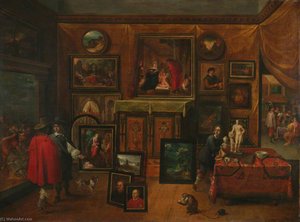 The Interior of a Picture Gallery
A Window into Wealth and Taste: Frans Francken III’s ‘Interior of a Picture Gallery’ Frans Francken III's “Interior of a Picture Gallery” (circa 1640) isn’t merely a painting; it’s a meticulously crafted tableau vivant, a frozen moment within the opu...
The successful integration of a portrait into your home depends heavily on the technical elements of presentation. Scale is perhaps the most critical factor; a small, intimate portrait can easily be lost on a vast, empty wall, while an oversized work may overwhelm a delicate space. For wide expansies like staircases or large living room walls, consider the modern trend of multi-panel layouts. Splitting a single classical scene across three, four, or even five panels creates a dramatic, architectural effect that guides the eye through the room and adds a contemporary edge to historical imagery.
Lighting is the final brushstroke in your curation process. Classical paintings, particularly those utilizing chiaroscuro, rely on the interplay of light and shadow to create drama. To honor this, ensure your artwork is positioned to receive soft, indirect light. Avoid placing precious canvases in direct sunlight, which can cause pigments to fade over time; instead, use accent lighting to highlight the texture of the brushwork. Furthermore, use color as your guiding thread. You might browse by color palette to find a piece that echoes the blues of your upholstery or the golds of your drapery. By treating your art selection as an extension of your color theory, you create a cohesive environment where every element feels intentionally placed and harmoniously balanced.
Personalizing History: Transforming Modern Memories into Classical Masterpieces
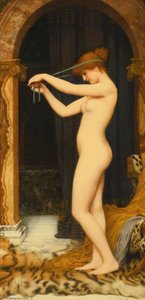 venus binding her hair
Subject and Composition This exquisite artwork captures an intimate moment of a young woman in a refined interior setting, embodying both classical beauty and subtle vulnerability. The subject, a slender, nude woman with a graceful posture, is depict...
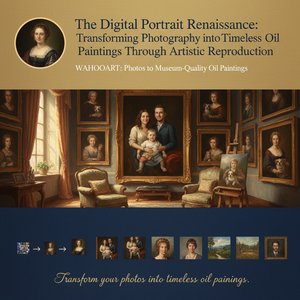
Perhaps the most enchanting aspect of modern art curation is the ability to "remix" history to reflect your own life. We believe that fine art should be an expression of individual personality, not just a tribute to the past. This has led to the wonderful possibility of transforming personal milestones into works of classical grandeur. Through advanced customization, you can take a contemporary photograph—perhaps a wedding portrait or a cherished family moment—and commission it to be reimagined in the style of a historical master.
Imagine your own portrait rendered with the luminous, sun-drenched light of an Impressionist, or a family group painted with the dignified, structured elegance of a 17th-century Dutch master. We even offer "Period Shifts," where a modern image can be reimagined as a Renaissance-style masterpiece. This service allows you to bridge the gap between your personal narrative and the timelessness of art history. Whether it is through our AI-assisted design tools that allow you to preview styles, or our professional digital mockup service that ensures every detail is perfect before the first drop of paint touches the canvas, the goal is to empower you to create a legacy. At
ArtsDot.com, we invite you to explore this intersection of memory and mastery, making the world's greatest artistic traditions a personal part of your home's enduring story.