 Preview
 Send
Send Share
Share
 Details

 Download
 Similars
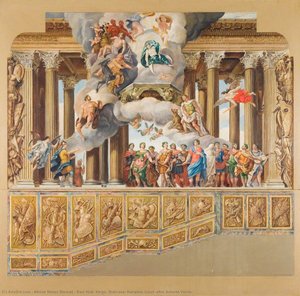
 X-Ray
X-Ray Diaporama
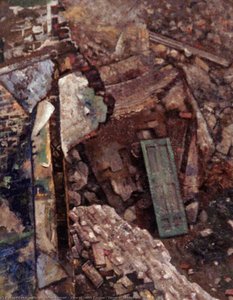
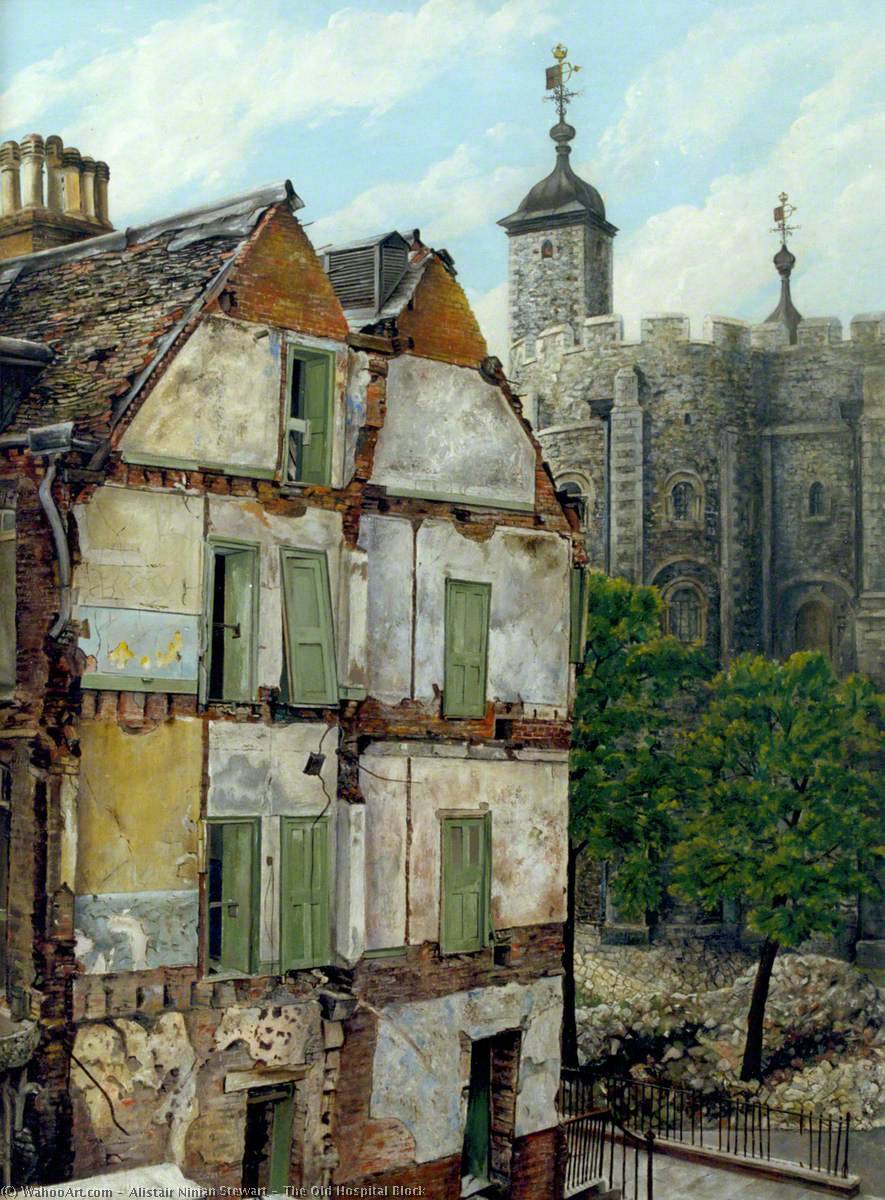
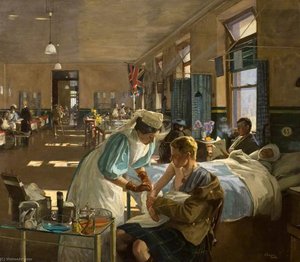
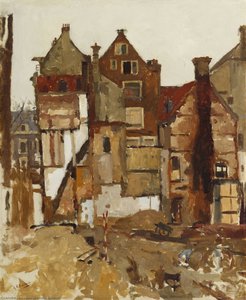
The Old Hospital Block
 Contemporary Realism
 1941
1941 130.0 x 99.0 cm
 Ministry of Defence
 Read More
Hand Made Oil Reproduction
Hand-painted oil on canvas in your size and frame, made to order by our artists. ( Buy Print Buy Image)




































Pick from our preset sizes that match the artwork's original proportions.

You may enter your own dimensions to fit a specific frame or space. If your selected size does not match the original image's proportions, we will either crop the artwork or extend the painting with additional hand-painted elements. A digital mockup will be sent for your approval before production begins.
Please note that the on-screen preview does not reflect the actual cropping or extension. Only the mockup will accurately show the final composition.
While custom sizes are available, we recommend selecting a dimension from the predefined list to preserve the original proportions.
After order, ArtsDot.com team will email client for instructions and provide a mockup preview
Worldwide Delivery () in 3/4 weeks instead of standard 5 weeks. (21 August). No compromise on quality.

Free Worldwide Express Shipping

High-Quality Linen Canvas

Full Shipping Insurance

Customs Tax Refund Guarantee

True Color Matching Guarantee

60-Day Return Policy (Defects Only)

100% Money-Back Guarantee

Bulk Discount Offer
 Glass option is only available in size under 110 CM

The Old Hospital Block
Reproduction Medium
Reproduction Size
-


Total Price
$ 263
Related Artworks
Artist Biography
Alistair Ninian Stewart: Echoes of War and the Pallor of Galloway
Alistair Ninian Stewart (1908-1979) wasn’t a name immediately recognized in the annals of 20th-century British art, yet his work possesses a haunting beauty and profound historical resonance. Born in Edinburgh, Scotland, into a family with strong artistic leanings – his father was a renowned painter – Stewart's journey as an artist was shaped by both personal tragedy and the tumultuous backdrop of World War II. His canvases aren’t merely depictions of landscapes or buildings; they are imbued with a palpable sense of loss, memory, and the enduring impact of conflict on the British psyche.
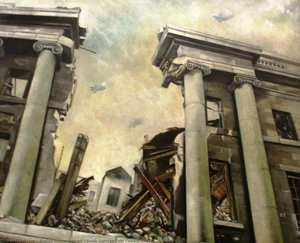
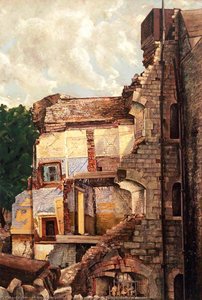
Stewart’s early artistic training focused primarily on landscape painting, influenced by the Scottish tradition of depicting the rugged beauty of Galloway. He initially embraced a more traditional style, capturing the rolling hills, heather-clad moors, and dramatic coastlines with meticulous detail. However, the outbreak of World War II dramatically altered his trajectory. The bombing raids over Britain, particularly those targeting London, profoundly affected him, triggering a shift in his subject matter and artistic approach. He began to document the devastation – the skeletal remains of buildings, the rubble-strewn streets, and the lingering sense of fear – with an unflinching realism that belied the romanticism often associated with landscape painting.
The Shadow of War: A Shift in Style
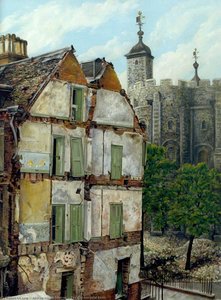
Following the war, Stewart’s work underwent a significant transformation. He moved away from purely representational depictions, exploring tonal variations and atmospheric effects to convey the emotional weight of his subjects. His paintings became characterized by muted colors, subtle textures, and a deliberate blurring of outlines – techniques reminiscent of Tonalism, a late 19th-century movement emphasizing mood and atmosphere over precise detail. This stylistic evolution is particularly evident in his iconic series of wartime paintings, including “East Wall, Kings’ Staircase, Hampton Court” (1943) and "North Bastion, Tower of London" (1941). These works aren't celebratory portrayals of military might; instead, they offer a poignant meditation on destruction, decay, and the fragility of human existence. The stark contrast between the grandeur of the historical buildings and their ravaged state serves as a powerful metaphor for the broader social and psychological trauma experienced by Britain during the war years.
Stewart’s artistic influences were diverse. He admired the work of J.M.W. Turner, whose atmospheric landscapes had profoundly impacted his early training. Later, he was drawn to the works of Edward Hopper, particularly his evocative portrayals of urban isolation and loneliness. However, it's crucial to note that Stewart’s wartime paintings transcend mere imitation; they possess a uniquely Scottish sensibility – a melancholic awareness of mortality and a deep connection to the land.
Galloway Revisited: A Return to Roots
Despite his wartime output, Stewart never abandoned his love for Galloway. In the post-war years, he returned to this region, producing a series of paintings that celebrated its enduring beauty while subtly acknowledging the scars left by past conflicts. These landscapes retain the meticulous detail of his earlier work but are infused with a newfound sense of quiet contemplation and resilience. The muted colors and atmospheric effects suggest a deeper understanding of the land’s history – its connection to both prosperity and hardship.
His later works often featured portraits, notably his evocative depictions of Sir John Watson Gordon, a leading Scottish master. These portraits demonstrate Stewart's ability to capture not only physical likeness but also the character and personality of his subjects. The influence of Tonalism is still present, creating a sense of intimacy and emotional depth.
Legacy and Historical Significance
Alistair Ninian Stewart’s contribution to British art may have been initially overlooked, yet his wartime paintings hold significant historical value. They offer a rare and unflinching glimpse into the psychological impact of World War II on Britain – a subject often glossed over in official accounts. His work serves as a poignant reminder of the human cost of conflict and the enduring power of memory. Furthermore, Stewart’s stylistic evolution—his transition from traditional landscape painting to atmospheric Tonalism—demonstrates the dynamic nature of artistic expression during a period of profound social and political upheaval. Today, his paintings are increasingly recognized for their emotional depth, technical skill, and historical significance, solidifying Alistair Ninian Stewart's place as a compelling voice in 20th-century British art.
alistair ninian stewart
1908 - 1979
Quick Facts
- Artistic Movement Or Style: WWII Art, Landscape Painting
- Artists Or Movements Influenced By This Artist:
- Impressionist painters
- Macchiaioli artists
- Artists Who Influenced This Artist:
- Tommy Gordon
- William MacGeorge
- Date Of Birth: 1908
- Date Of Death: 1979
- Full Name: Alistair Ninian Stewart
- Nationality: Scottish
- Notable Artworks:
- East Wall, Hampton Court
- North Bastion, Tower London
- Place Of Birth: WahooArt, Scotland
Related Articles
National Gallery London's Masterpieces: 25 Iconic Paintings for Your Home Decor
Journey through the National Gallery London's 25 most iconic paintings! Explore Van Gogh, Monet, Rembrandt & more. Discover art history, techniques & find museum-quality reproductions for your home decor on ArtsDot.com.
Julius Leblanc Stewart: A Luminist’s Poetic Vision of Belle Époque Life
Explore the captivating world of Julius Leblanc Stewart, a master of Luminism renowned for his Belle Époque portraits and serene landscapes. Discover his artistic journey & legacy with ArtsDot.

Cultivating Identity: The Transformative Role of Art in Shaping Experiential Hospitality Landscapes
Discover how strategic art curation transforms hospitality spaces & elevates guest experiences. Expert insights on ROI, placemaking, brand identity & creating unforgettable environments. Learn more!
Atmospheric Resonance: Curating Art for Elevated Hospitality Experiences
Elevate your hospitality environment with strategic art curation. Discover expert insights on sourcing, installation & maximizing ROI through impactful artwork that enhances guest experiences and defines your brand identity.
Cultivating Enduring Aesthetics: Hand-Painted Reproduction Art and the Pursuit of Sustainable Luxury in Hospitality Design
Elevate your hotel's design with expertly curated art collections & hand-painted reproductions. Discover how strategic art enhances guest experience, brand identity & sustainable luxury. Trusted by leading hospitality designers.