

 Preview
 Send
Send Share
Share
 Details

 Download
 Similars
 X-Ray
X-Ray Diaporama
 Stats
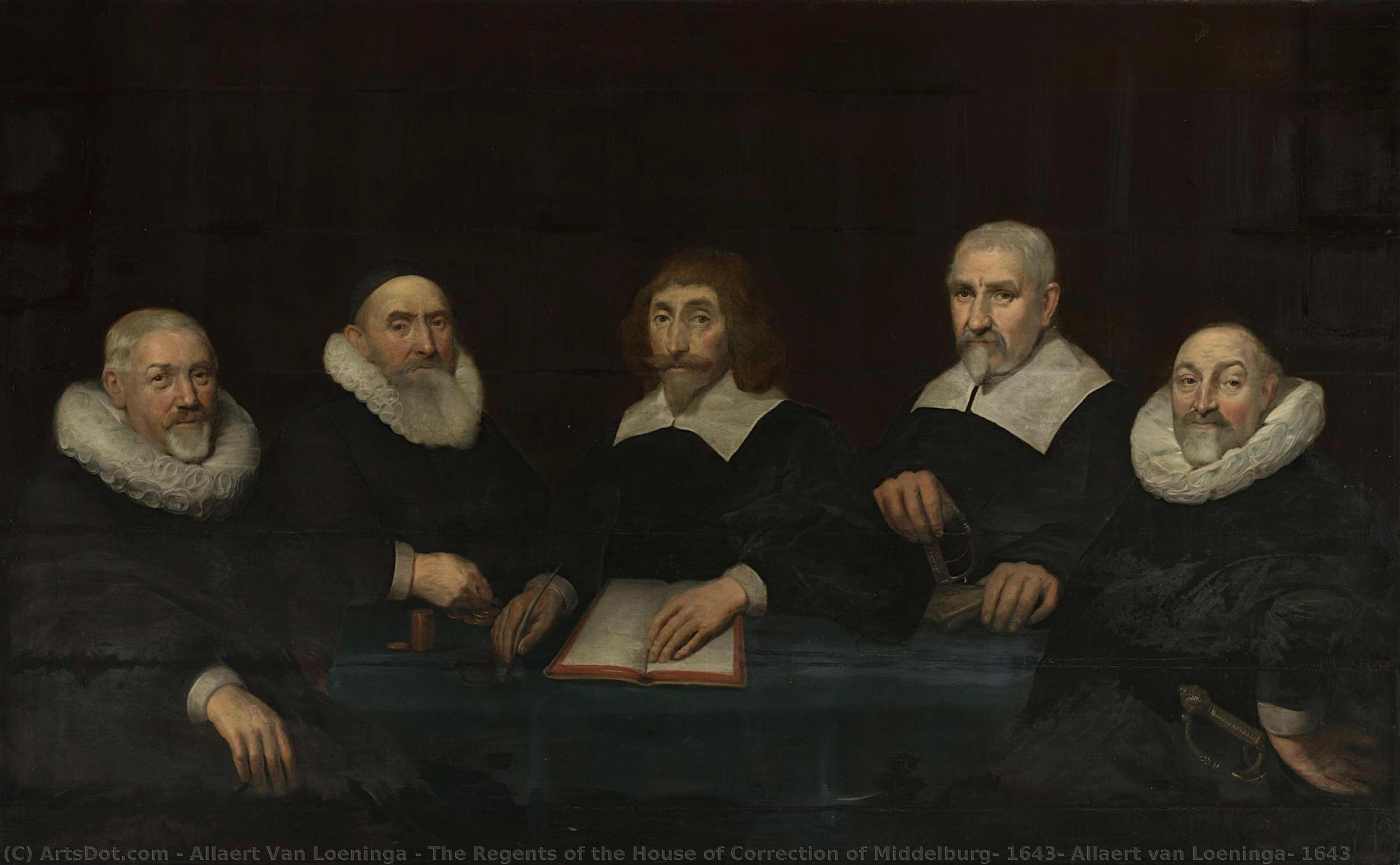
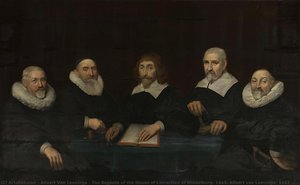
StatsThe Regents of the House of Correction of Middelburg, 1643, Allaert van Loeninga, 1643
 1643
1643 147.0 x 220.0 cm
 Read More
Purchase a high-resolution, enhanced digital image, far superior to the online preview.
Each file is meticulously prepared by our in-house specialists using advanced tools and expert manual retouching. We ensure every image has exceptional clarity, precise color accuracy, and fine detail.
The final file is delivered via email within 72 hours, optimized for immediate use in professional, editorial, and print environments. This is the same quality trusted by top-tier design studios, publishers, and galleries.
Digital Image
Download a high-resolution file for personal display, printing, and creative projects. ( Switch to Print Buy Hand Made Painting)
Included in Every Digital Image Order
Expert Digital Delivery, Guaranteed
When you choose ArtsDot.com, you're not just getting an image - you're receiving a professionally enhanced digital artwork, crafted with precision and backed by a satisfaction guarantee. Here's everything that comes with your order, automatically:

Fast Email Delivery
Your high-resolution digital image file will be emailed to you within 72 hours of ordering - ready for immediate use.

AI-Enhanced Digital File
Your artwork is professionally optimized using advanced AI tools and manual editing, ensuring maximum detail, clarity, and color accuracy.

Free Lifetime Re-Delivery
Accidentally deleted or lost your file? No worries - we'll resend it to you anytime, free of charge.

No Import Fees - Ever
Enjoy your artwork instantly with zero customs, duties, or delivery fees - digital downloads are always tax-free.

Color Accuracy Guarantee
We ensure your digital image reflects the original colors as closely as possible using professional tools and color management.

100-Day Satisfaction Guarantee
If you're not satisfied with your digital image, we'll revise it or refund 100% within 100 days - no questions asked.

100% Money-Back Guarantee
Not satisfied? Get a full refund within 100 days of receiving your digital file - no questions asked.

Bulk Order Discounts
Buy 3 images, save 10% - Buy 5, save 15% - Buy 10+, save 20%. Great for creative projects, galleries, and agencies.
Related Artworks





Artist Biography
A Life Illuminated: Allaert van Loeninga and the Dutch Golden Age
Allaert van Loeninga, a name perhaps less immediately recognizable than his contemporaries Rembrandt or Vermeer, nevertheless occupies a significant position within the rich tapestry of 17th-century Dutch painting. Born in Amsterdam in 1595 and passing away in Middelburg around 1646/1649, Van Loeninga’s career unfolded during a period of unprecedented artistic flourishing in the Netherlands. While biographical details remain somewhat sparse, piecing together available information reveals an artist deeply engaged with the civic portraiture and group dynamics that defined much of the Golden Age aesthetic.
Early Life and Artistic Formation
Van Loeninga’s early training remains largely undocumented, a common situation for many artists of this era. It is believed he received his initial instruction within Amsterdam's thriving artistic milieu. The city itself was a crucible of innovation, attracting painters from diverse backgrounds and fostering a spirit of experimentation. While specific masters cannot be definitively identified, it’s reasonable to assume exposure to the prevailing styles of portraiture popular in Amsterdam at the time – characterized by meticulous detail, realistic representation, and a growing emphasis on individual characterization. His later work suggests an affinity for the compositional clarity and restrained palette often found in the works of painters like Pieter Lastman, though Van Loeninga would ultimately forge his own distinct path.
Civic Duty and Collective Identity
Van Loeninga’s artistic reputation rests primarily on his masterful depictions of civic groups, particularly those associated with institutions responsible for maintaining order and social welfare. His most celebrated work, The Regents of the House of Correction of Middelburg (1643), exemplifies this focus. This painting isn't merely a record of individuals; it’s a carefully constructed statement about authority, responsibility, and the ideals underpinning Dutch society. The regents are presented with dignity and gravitas, their expressions conveying a sense of solemn purpose. The composition is balanced and harmonious, reflecting the stability and order that the House of Correction sought to uphold. Van Loeninga's skill lies in his ability to portray each figure as an individual while simultaneously emphasizing their collective role within the institution.
Technique and Style: A Nuance of Realism
Van Loeninga’s technique is marked by a remarkable attention to detail, evident in the rendering of textures – from the rich fabrics of the regents' clothing to the polished surfaces of the table and furnishings. He employed a restrained palette, favoring earth tones and muted colors that contribute to the painting’s overall sense of sobriety and realism. Unlike some of his contemporaries who embraced dramatic chiaroscuro effects, Van Loeninga favored a more even illumination, allowing for a clear and precise depiction of each figure's features. This approach underscores his commitment to capturing likenesses with accuracy and conveying the psychological depth of his subjects. His brushwork is subtle yet confident, creating a sense of volume and form without resorting to excessive ornamentation.
Legacy and Historical Significance
While Van Loeninga’s oeuvre remains relatively small, his contribution to Dutch Golden Age painting is nonetheless significant. He stands as a compelling example of an artist who successfully navigated the demands of civic patronage while maintaining a distinctive artistic voice. His paintings offer valuable insights into the social structures, values, and ideals of 17th-century Netherlands. The Regents of the House of Correction, in particular, continues to be admired for its masterful composition, realistic portrayal of character, and nuanced depiction of collective identity. Though overshadowed by some of his more famous peers, Allaert van Loeninga’s work deserves recognition as a testament to the artistic skill and cultural richness of the Dutch Golden Age.
allaert van loeninga
1595 - 1646 , Netherlands
Quick Facts
- Artistic Movement Or Style: Dutch Golden Age painting
- Date Of Birth: 1595
- Date Of Death: 1646/1649
- Full Name: Allaert van Loeninga
- Nationality: Dutch
- Notable Artworks: ['The Regents of the House of Correction of Middelburg']
- Place Of Birth: Amsterdam, Netherlands