 Preview
 Send
Send Share
Share
 Details

 Download
 Similars
 X-Ray
X-Ray Diaporama
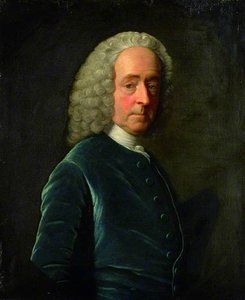
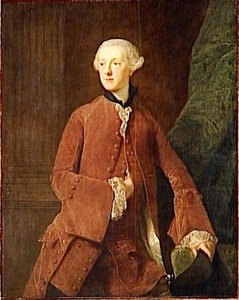
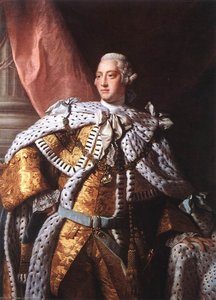
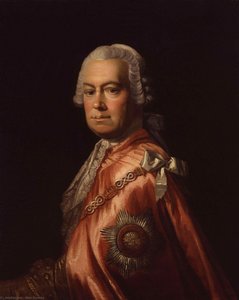
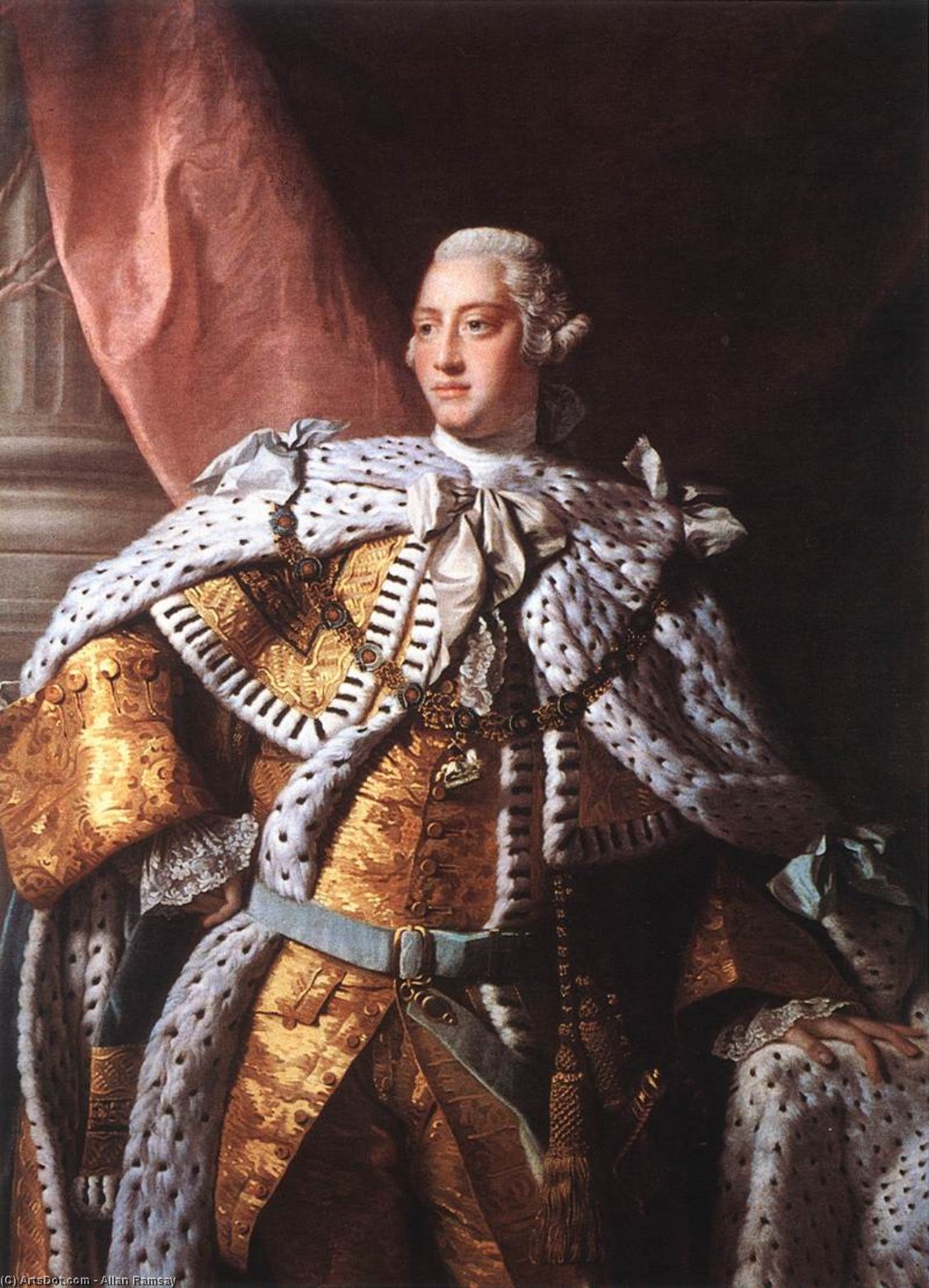
Portrait of George III
 Acrylic On Canvas
- WallArt
- Rococo Aesthetic
 1762
1762 80.0 x 64.0 cm
 National Portrait Gallery
 Read More
Hand Made Oil Reproduction
Hand-painted oil on canvas in your size and frame, made to order by our artists. ( Buy Print Buy Image)




P118B $10

P118H $10

P118W $10

P438Z $10

P508JH $12

P508YH $12

P805H $10

P805Z $10

P919BZ $10

P919G $10

P919XJ $10

P959ZH $10

P968JZ $12

W106C $8

W218G $10

W218JH $8

W218Y $10

W307PJ $10

W316G $10

W316PJ $8

W316Y $10

W398PJ $8

W4111J $10

W500HY $15

W500JH $15

W692G $12

W849H $8

W940BG $15

W953PJ $8




Pick from our preset sizes that match the artwork's original proportions.

You may enter your own dimensions to fit a specific frame or space. If your selected size does not match the original image's proportions, we will either crop the artwork or extend the painting with additional hand-painted elements. A digital mockup will be sent for your approval before production begins.
Please note that the on-screen preview does not reflect the actual cropping or extension. Only the mockup will accurately show the final composition.
While custom sizes are available, we recommend selecting a dimension from the predefined list to preserve the original proportions.
After order, ArtsDot.com team will email client for instructions and provide a mockup preview
Worldwide Delivery () in 3/4 weeks instead of standard 5 weeks. (17 August). No compromise on quality.

Free Worldwide Express Shipping

High-Quality Linen Canvas

Full Shipping Insurance

Customs Tax Refund Guarantee

True Color Matching Guarantee

60-Day Return Policy (Defects Only)

100% Money-Back Guarantee

Bulk Discount Offer
 Glass option is only available in size under 110 CM

Portrait of George III
Reproduction Medium
Reproduction Size
-


Total Price
$ 263
Artwork Description
Allan Ramsay’s Portrait of George III: A Window Into Georgian Elegance
The portrait of George III by Allan Ramsay stands as an emblem of the Georgian era—a period defined by refined sensibilities, aristocratic patronage, and a fervent embrace of classical ideals. Completed in 1762, this monumental canvas transcends mere likeness; it embodies the spirit of its time and offers a captivating glimpse into the complexities of royal life during Britain’s ascendancy as a global power.Subject Matter & Composition
Ramsay meticulously rendered George III, King of England, seated formally in a richly adorned room. The regal posture exudes confidence and authority, reflecting the monarch's role at the helm of an empire expanding across continents. Surrounding him are two attendants—a gentleman on the left and a valet on the right—who contribute to the scene’s grandeur and underscore the importance of courtly protocol. Ramsay skillfully employs pyramidal composition, placing George III centrally while utilizing supporting figures to create balance and visual interest. The gaze of the King directs outwards, conveying contemplation and hinting at the weighty responsibilities borne by his position.Style & Technique: Rococo Influence
Ramsay’s artistic style is firmly rooted in the Rococo movement—a stylistic reaction against the Baroque grandeur that preceded it. Characterized by delicate ornamentation, pastel hues, and asymmetrical arrangements, Rococo prioritized beauty and grace above all else. Ramsay expertly captures this aesthetic through meticulous brushwork and subtle shading techniques. The use of luminous colors—particularly yellows and creams—creates an atmosphere of opulent warmth and sophistication. Delicate drapery folds and intricate detailing enhance the visual richness of the painting, mirroring the decorative sensibilities prevalent in Georgian interiors.Historical Context & Patronage
The commission for this portrait exemplifies the pervasive influence of aristocratic patronage during the reign of George III. Ramsay’s success as a painter was largely dependent on securing commissions from wealthy families and influential figures like the King himself. The portrait served not only as a commemoration of the monarch but also as a statement of artistic prestige—demonstrating Ramsay's ability to elevate his subject matter into an object of beauty and contemplation. Furthermore, it reflects the broader cultural preoccupation with portraying nobility and conveying their status through visual representation.Symbolism & Emotional Impact
Beyond its formal depiction, the portrait resonates with symbolic significance. The King’s gaze outward symbolizes ambition and leadership—a desire to shape history while simultaneously acknowledging the limitations of human experience. The attendants represent loyalty and service—essential components of royal governance. Ramsay's masterful portrayal captures not merely George III's physical appearance but also his inner character, conveying a sense of dignity and solemnity. The painting’s emotional impact is profound: it invites viewers to contemplate the burdens of power and appreciate the artistry that elevates portraiture beyond mere representation into an enduring form of cultural expression.Conclusion
Allan Ramsay’s Portrait of George III remains a testament to the artistic achievements of the Georgian era. Its meticulous technique, elegant composition, and evocative symbolism continue to captivate audiences today—serving as a timeless reminder of Britain's golden age and the enduring power of art to communicate both visual splendor and profound human emotion. It is a piece that speaks volumes about its subject and its time, cementing Ramsay’s legacy as one of Scotland’s most celebrated portrait painters.Related Artworks
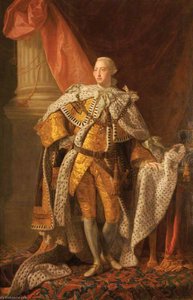
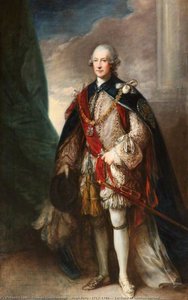
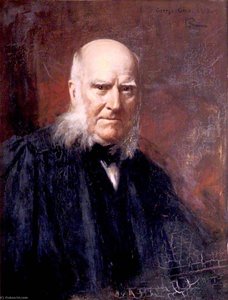
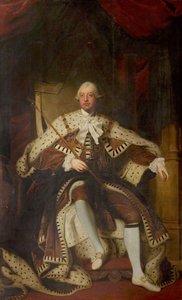
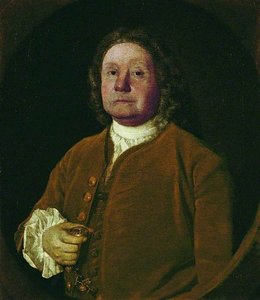
Artist Biography
Allan Ramsay: A Life of Elegance and Artistry
Early Life and Training
Born in Edinburgh, Scotland on October 13, 1713, Allan Ramsay emerged as a prominent Scottish portrait-painter whose work captured the elegance and refinement of his era. His artistic journey began at the age of twenty when he travelled to London for studies under the Swedish painter Hans Hysing, followed by instruction at the St. Martin's Lane Academy. This foundational training provided him with a solid base in technique and composition.
Italian Influences & Artistic Development
Ramsay’s artistic development took a significant turn with his travels to Rome and Naples, where he spent three years (1736-1738) working under the tutelage of Francesco Solimena and Imperiali (Francesco Fernandi). These Italian masters profoundly influenced his style, fostering a greater understanding of classical principles and enhancing his skills in capturing likeness and character. He absorbed the prevailing Rococo aesthetic while also developing an appreciation for Neoclassical ideals.
A Flourishing Career & Notable Works
Upon returning to Britain in 1738, Ramsay quickly established a successful career as a portraitist. His ability to portray his subjects with both accuracy and grace soon garnered him a distinguished clientele. Some of his most notable works include:
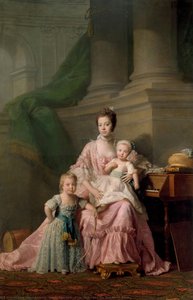
- Queen Charlotte (1744-1818) with her two eldest sons (Royal Collection, London): A regal depiction showcasing the Queen’s maternal presence.
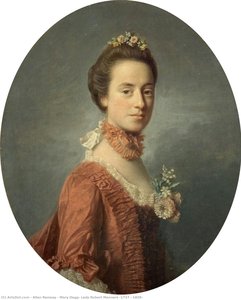
- Mary Degg, Lady Robert Manners (Scottish National Gallery, Edinburgh): An elegant portrait demonstrating Ramsay's skill in capturing aristocratic beauty.
- Head of Duncan Forbes of Culloden: This early work brought him to the attention of the Duke of Argyll and was later featured on Royal Bank of Scotland banknotes.
Royal Appointment & Peak Achievement
A pivotal moment in Ramsay’s career arrived in 1761 with his appointment as Principal Painter in Ordinary to George III. This prestigious position cemented his status among the art elite and ensured a steady stream of commissions from the royal family and high society. He became *the* portraitist of the Georgian era.
Later Life & Legacy
Ramsay’s later life saw a shift towards literary pursuits, reflecting his broad intellectual interests. However, personal tragedies – an accidental dislocation of his right arm and the passing of his second wife in 1782 – impacted his health and productivity. He died in 1784.
Despite these challenges, Ramsay left behind a lasting legacy as one of Scotland’s most celebrated portrait painters. As Samuel Johnson noted, “I love Ramsay. You will not find a man in whose conversation there is more instruction, more information, and more elegance, than in Ramsay's.” His works continue to be admired for their technical skill, refined aesthetic, and insightful portrayals of 18th-century society.
Historical Significance
Allan Ramsay’s contribution extends beyond his artistic talent. He played a crucial role in shaping the visual culture of Scotland during a period of significant social and political change. His portraits provide valuable insights into the lives, fashions, and values of the Scottish nobility and gentry. His works can be found at locations such as Ayr Town Hall, and the Scottish National Portrait Gallery.
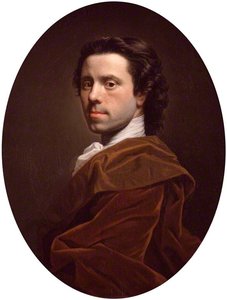
allen ramsay
1713 - 1784 , United Kingdom
Quick Facts
- Birth Date: 1713-10-13
- Birth Place: Edinburgh, United Kingdom
- Death Date: 1784
- Influenced By:
- Hans Hysing
- Francesco Solimena
- Imperiali (Francesco Fernandi)
- Movement:
- Rococo
- Neoclassical
- Name: Allan Ramsay
- Nationality: Scottish
- Notable Works:
- Queen Charlotte with her two eldest sons
- Mary Degg, Lady Robert Manners
- Head of Duncan Forbes of Culloden
Related Articles

Georges Braque's Masterpieces: 25 Paintings That Defined Cubism & Modern Art | ArtsDot
Explore 25 iconic Georges Braque paintings that revolutionized Cubism & modern art. Discover the stories behind his masterpieces, from Fauvism to Analytical Cubism. Find museum-quality reproductions & elevate your home decor with ArtsDot.com.

Georges Seurat's Masterpieces: 25 Paintings That Defined Pointillism | ArtsDot
Explore 25 iconic Georges Seurat paintings & discover the brilliance of Pointillism. From 'La Grande Jatte' to his harbor scenes, delve into art history with ArtsDot.com. Find museum-quality reproductions for your home decor. Explore the full collection online!
George Paul Chalmers: Rediscovering the Angus Rembrandt & Scottish Colourist Roots
Explore the captivating world of George Paul Chalmers (1833-1878), a pivotal Scottish painter. Discover his landscapes, portraits & connection to the Aesthetic Movement and Colourists. Learn about this 'Angus Rembrandt's' legacy with ArtsDot.
Allen Ramsay: Portraiture, Patronage & Shaping Georgian Identity
Explore the life & work of Allen Ramsay, pivotal portraitist to George III. Discover his Rococo style, influence on Georgian society, and lasting legacy in British art history. Learn about his key works & patronage.

Baroque Drama: Bringing Opulence & Emotion into Contemporary Interiors
Explore the opulent world of Baroque interior design! Discover key elements, modern applications & how to bring dramatic elegance into your home with 's authentic reproductions.