 Preview
 Send
Send Share
Share
 Details

 Download
 Similars
 X-Ray
X-Ray Diaporama
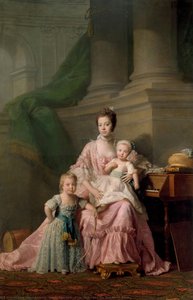
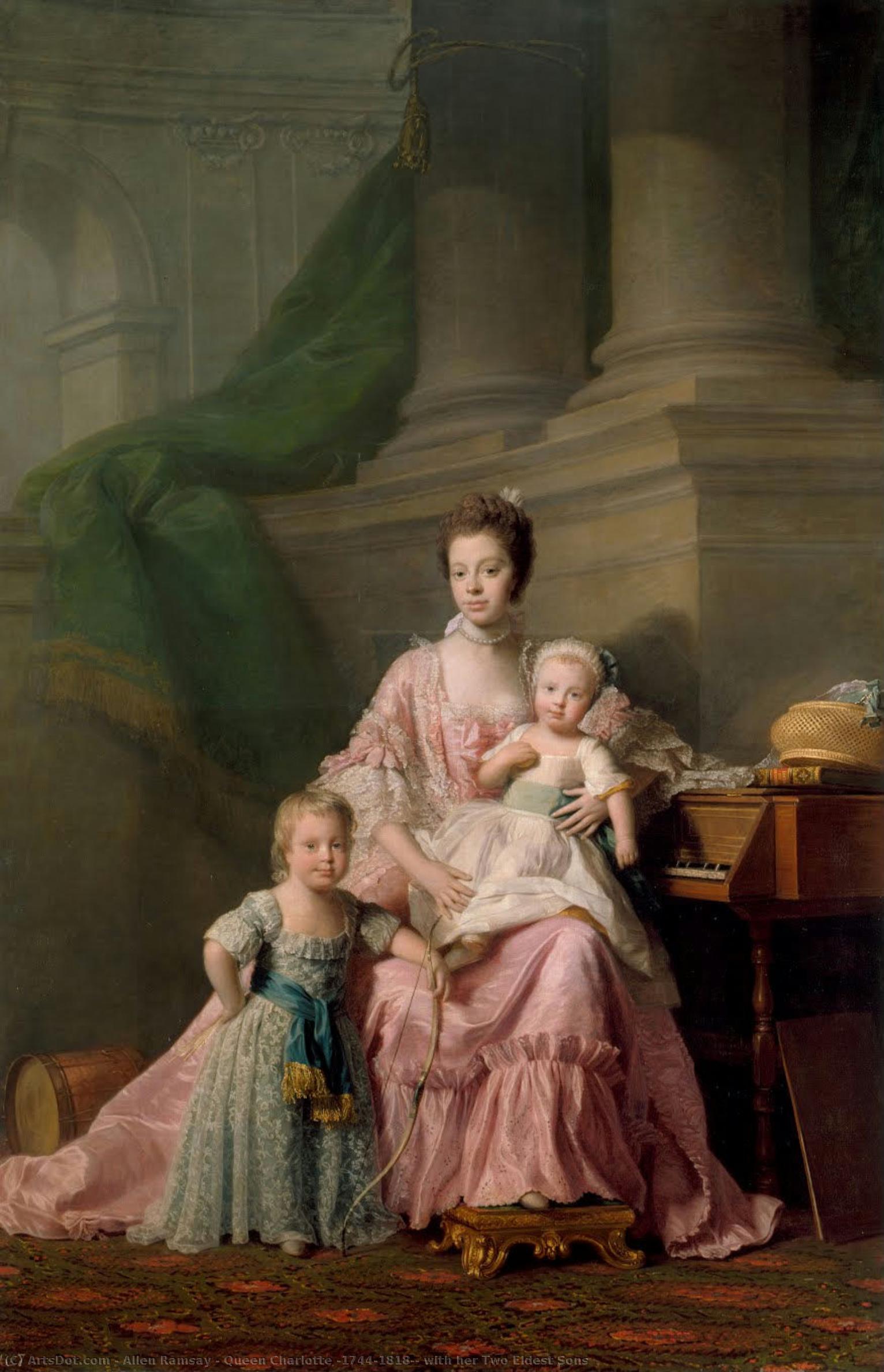
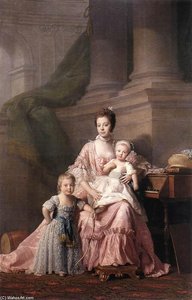
Queen Charlotte (1744-1818), with her Two Eldest Sons


 Read More
Hand Made Oil Reproduction
Hand-painted oil on canvas in your size and frame, made to order by our artists. ( Buy Print Buy Image)




P118B $10

P118H $10

P118W $10

P438Z $10

P508JH $12

P508YH $12

P805H $10

P805Z $10

P919BZ $10

P919G $10

P919XJ $10

P959ZH $10

P968JZ $12

W106C $8

W218G $10

W218JH $8

W218Y $10

W307PJ $10

W316G $10

W316PJ $8

W316Y $10

W398PJ $8

W4111J $10

W500HY $15

W500JH $15

W692G $12

W849H $8

W940BG $15

W953PJ $8




Pick from our preset sizes that match the artwork's original proportions.

You may enter your own dimensions to fit a specific frame or space. If your selected size does not match the original image's proportions, we will either crop the artwork or extend the painting with additional hand-painted elements. A digital mockup will be sent for your approval before production begins.
Please note that the on-screen preview does not reflect the actual cropping or extension. Only the mockup will accurately show the final composition.
While custom sizes are available, we recommend selecting a dimension from the predefined list to preserve the original proportions.
After order, ArtsDot.com team will email client for instructions and provide a mockup preview
Worldwide Delivery () in 3/4 weeks instead of standard 5 weeks. (17 August). No compromise on quality.

Free Worldwide Express Shipping

High-Quality Linen Canvas

Full Shipping Insurance

Customs Tax Refund Guarantee

True Color Matching Guarantee

60-Day Return Policy (Defects Only)

100% Money-Back Guarantee

Bulk Discount Offer
 Glass option is only available in size under 110 CM

Queen Charlotte (1744-1818), with her Two Eldest Sons
Reproduction Medium
Reproduction Size
-


Total Price
$ 313
Artwork Description
A Window into the Georgian Court
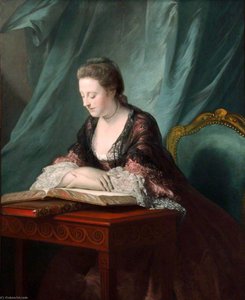
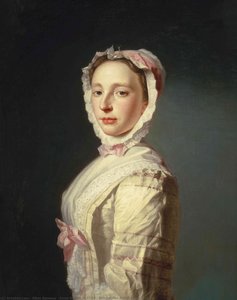
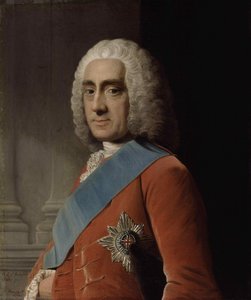
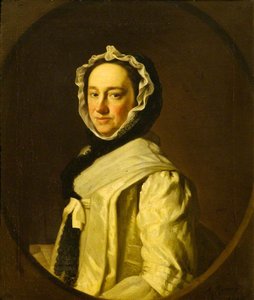
Allan Ramsay’s “Queen Charlotte (1744-1818), with her Two Eldest Sons” is more than just a portrait; it's a meticulously crafted window into the opulent world of 18th-century British aristocracy. Painted in 1769, this masterpiece captures a pivotal moment within the royal family – Queen Charlotte presiding over her sons, symbols of lineage and future power. The scene unfolds within a richly appointed interior, likely a state room at Buckingham Palace or another grand residence, its details meticulously rendered to convey wealth, status, and an air of carefully controlled formality. The composition is deliberately balanced, reflecting the values of the era – order, propriety, and the importance of family succession.
Ramsay’s skill lies not just in his technical proficiency but also in his ability to imbue the figures with a palpable sense of personality. Queen Charlotte herself is depicted as a woman of considerable dignity and intelligence, her gaze direct and assured. The youthful sons flanking her possess an air of nascent authority, hinting at their future roles within the monarchy. The careful attention to detail – the intricate folds of the drapery, the shimmering fabrics, the delicate rendering of jewelry – speaks volumes about the family’s wealth and influence.
Rococo Elegance: A Style Defined by Grace
The painting is firmly rooted in the Rococo style, a movement that flourished throughout Europe during the 18th century. Characterized by its emphasis on elegance, grace, and ornamentation, Rococo art sought to evoke feelings of pleasure and delight. Ramsay masterfully employs this aesthetic through his use of soft colors – predominantly pinks, blues, and greens – creating a harmonious and visually soothing atmosphere. The flowing lines of the drapery, the rounded forms of the furniture, and the delicate details of the fabrics all contribute to the overall sense of lightness and refinement.
Notice particularly the use of *glazing*, a technique Ramsay perfected—thin layers of translucent paint applied over dried underlayers. This method allows for incredible luminosity and depth, capturing the subtle nuances of light and shadow with remarkable precision. The polished texture of the surfaces suggests meticulous brushwork, reflecting the artist’s dedication to his craft.
Symbolism and Royal Authority
Beyond its aesthetic beauty, “Queen Charlotte” is rich in symbolic meaning. The presence of the Queen and her sons underscores the importance of family continuity and the stability of the monarchy. The grand setting itself – the opulent interior with its columns and draped curtains – reinforces the notion of royal power and authority. Even the positioning of the figures within the composition carries significance, creating a sense of hierarchy and order.
Furthermore, the inclusion of the piano, a fashionable instrument of the time, subtly alludes to the Queen’s cultivated interests and her role as patron of the arts. The work-box on the piano hints at her domestic responsibilities, balancing the image of regal power with that of a devoted mother.
A Legacy in Reproduction
Today, Allan Ramsay's “Queen Charlotte” remains one of the most celebrated portraits of the Georgian era. Its exquisite detail, masterful technique, and profound symbolic meaning continue to captivate viewers centuries after its creation. High-quality reproductions offer a remarkable opportunity to experience this iconic artwork firsthand, bringing a touch of elegance and historical significance to any interior space.
Related Artworks
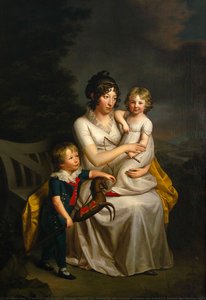
Artist Biography
Allan Ramsay: A Life of Elegance and Artistry
Early Life and Training
Born in Edinburgh, Scotland on October 13, 1713, Allan Ramsay emerged as a prominent Scottish portrait-painter whose work captured the elegance and refinement of his era. His artistic journey began at the age of twenty when he travelled to London for studies under the Swedish painter Hans Hysing, followed by instruction at the St. Martin's Lane Academy. This foundational training provided him with a solid base in technique and composition.
Italian Influences & Artistic Development
Ramsay’s artistic development took a significant turn with his travels to Rome and Naples, where he spent three years (1736-1738) working under the tutelage of Francesco Solimena and Imperiali (Francesco Fernandi). These Italian masters profoundly influenced his style, fostering a greater understanding of classical principles and enhancing his skills in capturing likeness and character. He absorbed the prevailing Rococo aesthetic while also developing an appreciation for Neoclassical ideals.
A Flourishing Career & Notable Works
Upon returning to Britain in 1738, Ramsay quickly established a successful career as a portraitist. His ability to portray his subjects with both accuracy and grace soon garnered him a distinguished clientele. Some of his most notable works include:
- Queen Charlotte (1744-1818) with her two eldest sons (Royal Collection, London): A regal depiction showcasing the Queen’s maternal presence.
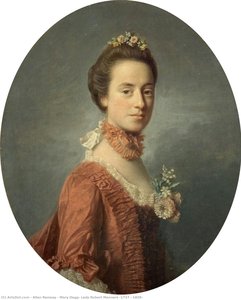
- Mary Degg, Lady Robert Manners (Scottish National Gallery, Edinburgh): An elegant portrait demonstrating Ramsay's skill in capturing aristocratic beauty.
- Head of Duncan Forbes of Culloden: This early work brought him to the attention of the Duke of Argyll and was later featured on Royal Bank of Scotland banknotes.
Royal Appointment & Peak Achievement
A pivotal moment in Ramsay’s career arrived in 1761 with his appointment as Principal Painter in Ordinary to George III. This prestigious position cemented his status among the art elite and ensured a steady stream of commissions from the royal family and high society. He became *the* portraitist of the Georgian era.
Later Life & Legacy
Ramsay’s later life saw a shift towards literary pursuits, reflecting his broad intellectual interests. However, personal tragedies – an accidental dislocation of his right arm and the passing of his second wife in 1782 – impacted his health and productivity. He died in 1784.
Despite these challenges, Ramsay left behind a lasting legacy as one of Scotland’s most celebrated portrait painters. As Samuel Johnson noted, “I love Ramsay. You will not find a man in whose conversation there is more instruction, more information, and more elegance, than in Ramsay's.” His works continue to be admired for their technical skill, refined aesthetic, and insightful portrayals of 18th-century society.
Historical Significance
Allan Ramsay’s contribution extends beyond his artistic talent. He played a crucial role in shaping the visual culture of Scotland during a period of significant social and political change. His portraits provide valuable insights into the lives, fashions, and values of the Scottish nobility and gentry. His works can be found at locations such as Ayr Town Hall, and the Scottish National Portrait Gallery.
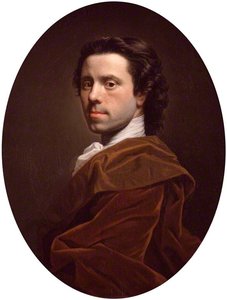
allen ramsay
1713 - 1784 , United Kingdom
Quick Facts
- Birth Date: 1713-10-13
- Birth Place: Edinburgh, United Kingdom
- Death Date: 1784
- Influenced By:
- Hans Hysing
- Francesco Solimena
- Imperiali (Francesco Fernandi)
- Movement:
- Rococo
- Neoclassical
- Name: Allan Ramsay
- Nationality: Scottish
- Notable Works:
- Queen Charlotte with her two eldest sons
- Mary Degg, Lady Robert Manners
- Head of Duncan Forbes of Culloden
Related Articles

The Rococo Aesthetic: Opulence, Rebellion & the Pursuit of Pleasure in 18th-Century Art
Explore the opulent world of Rococo art! Discover its origins, key artists like Watteau & Boucher, and lasting influence on design. Expert insights for collectors & enthusiasts.

Rococo's Radiant Legacy: 10 Masterpieces for Your Home |
Indulge in the elegance of Rococo! Explore 10 masterpieces by Fragonard, Boucher & Watteau. Discover the stories behind these iconic paintings and bring timeless art to your home with museum-quality reproductions from .
Illuminating the Enlightenment: A Comprehensive Exploration of 18th-Century Painting
Explore the captivating world of 18th-century painting! Discover Rococo's playful elegance & Neoclassicism’s Enlightenment ideals with expert insights into Fragonard, David, and more. A comprehensive guide for art enthusiasts.
Allen Ramsay: Portraiture, Patronage & Shaping Georgian Identity
Explore the life & work of Allen Ramsay, pivotal portraitist to George III. Discover his Rococo style, influence on Georgian society, and lasting legacy in British art history. Learn about his key works & patronage.
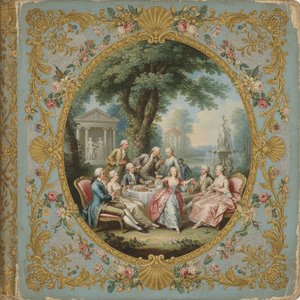
The Rococo Style: Aristocratic Leisure & the Pursuit of Delight in 18th-Century Art
Explore the opulent world of Rococo art! Discover Watteau, Boucher & Nattier's masterpieces. Expert insights for collectors seeking museum-quality reproductions and custom portraits at ArtsDot.