 Preview
 Send
Send Share
Share
 Details

 Download
 Similars
 X-Ray
X-Ray Diaporama
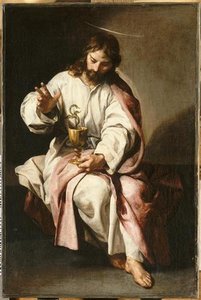
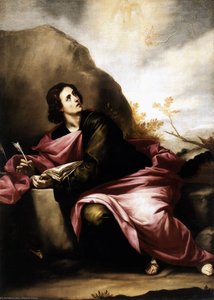
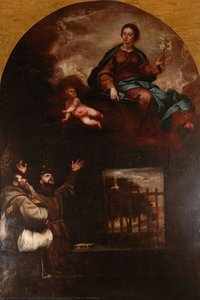
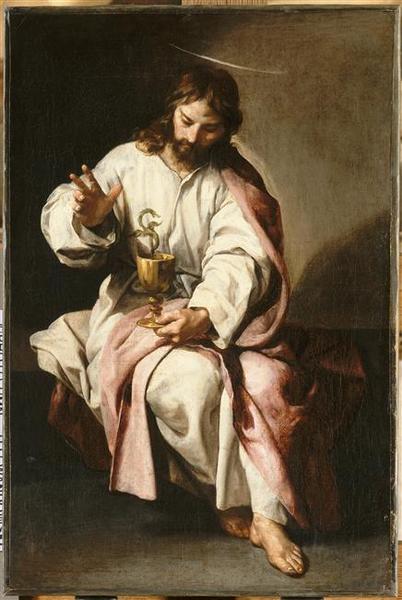
Saint Jean Evangeliste et la coupe empoisonnée


 Read More
Hand Made Oil Reproduction
Hand-painted oil on canvas in your size and frame, made to order by our artists. ( Buy Print Buy Image)




P118B $10

P118H $10

P118W $10

P438Z $10

P508JH $12

P508YH $12

P805H $10

P805Z $10

P919BZ $10

P919G $10

P919XJ $10

P959ZH $10

P968JZ $12

W106C $8

W218G $10

W218JH $8

W218Y $10

W307PJ $10

W316G $10

W316PJ $8

W316Y $10

W398PJ $8

W4111J $10

W500HY $15

W500JH $15

W692G $12

W849H $8

W940BG $15

W953PJ $8




Pick from our preset sizes that match the artwork's original proportions.

You may enter your own dimensions to fit a specific frame or space. If your selected size does not match the original image's proportions, we will either crop the artwork or extend the painting with additional hand-painted elements. A digital mockup will be sent for your approval before production begins.
Please note that the on-screen preview does not reflect the actual cropping or extension. Only the mockup will accurately show the final composition.
While custom sizes are available, we recommend selecting a dimension from the predefined list to preserve the original proportions.
After order, ArtsDot.com team will email client for instructions and provide a mockup preview
Worldwide Delivery () in 3/4 weeks instead of standard 5 weeks. (17 August). No compromise on quality.

Free Worldwide Express Shipping

High-Quality Linen Canvas

Full Shipping Insurance

Customs Tax Refund Guarantee

True Color Matching Guarantee

60-Day Return Policy (Defects Only)

100% Money-Back Guarantee

Bulk Discount Offer
 Glass option is only available in size under 110 CM

Saint Jean Evangeliste et la coupe empoisonnée
Reproduction Medium
Reproduction Size
-


Total Price
$ 263
Artwork Description
Saint Jean Evangeliste et la Coupe Empoisonnée: A Baroque Drama of Temptation
Alonzo Cano’s “Saint Jean Evangeliste et la Coupe Empoisonnée,” painted around 1634-1638, is not merely a depiction of a biblical scene; it's a meticulously crafted tableau of moral struggle and divine warning. This arresting work, currently housed in the Louvre Museum, pulsates with Baroque drama – a potent blend of intense emotion, dramatic lighting, and a profound exploration of human vulnerability. Cano masterfully utilizes oil on canvas to create an image that simultaneously captivates and unsettles, inviting viewers into a moment of perilous decision.
The central figure is Saint John the Evangelist, rendered with remarkable realism and a palpable sense of inner turmoil. He’s presented as a young man, seated in a contemplative pose, his hand raised in a gesture that simultaneously offers blessing and warns against impending danger. His gaze is fixed upon a chalice – not filled with wine, but containing a viscous, dark liquid, clearly poisoned. The composition immediately draws the eye to this focal point, creating a visual tension between the saint’s serene countenance and the ominous contents of the cup. Cano's skill lies in conveying this duality through subtle shifts in expression and posture; John is not simply passive, but actively resisting temptation.
A Symphony of Color and Light: Baroque Technique
Cano’s artistic approach is deeply rooted in the Baroque style, a period characterized by its theatricality and emotional intensity. The painting's color palette is dominated by rich, warm tones – creams, browns, reds, and golds – creating an atmosphere of both opulence and foreboding. The artist employs *chiaroscuro* with exceptional skill, utilizing dramatic contrasts between light and shadow to sculpt the figure of Saint John and heighten the sense of drama. The strong frontal lighting emphasizes his face and hands, drawing attention to the crucial gesture of warning. Noticeably, the drapery is rendered with meticulous detail, showcasing a mastery of brushwork that suggests both weight and fluidity.
Furthermore, Cano’s technique reveals a sophisticated understanding of glazing – applying thin layers of translucent paint to build up color and create luminous effects. This layering process contributes significantly to the painting's rich texture and depth. The artist also demonstrates an impressive command of *impasto*, particularly in the rendering of John’s hair and beard, which appear voluminous and remarkably detailed—a testament to his ability to capture tactile qualities on canvas.
Symbolism and Historical Context: The Serpent of Temptation
The scene itself is steeped in symbolism. The chalice, filled with poison, represents temptation – specifically, the offer of poisoned wine presented to Christ during the Last Supper. This episode from the Gospels serves as a potent allegory for the struggle between good and evil, faith and doubt. The coiled snake encircling the chalice further reinforces this theme, symbolizing the serpent of temptation that constantly seeks to corrupt humanity. Saint John’s gesture—raising his hand in warning—represents divine protection and the power of faith to resist such allure.
To understand the painting fully, it's crucial to consider its historical context. The Baroque period was a time of religious fervor and intense spiritual debate. Paintings like “Saint Jean Evangeliste et la Coupe Empoisonnée” served as visual sermons, intended to inspire piety and reinforce moral values. Alonzo Cano himself was a figure shrouded in legend – known for his volatile temper and scandalous affairs, adding another layer of intrigue to the work’s interpretation.
A Timeless Portrait of Human Frailty
“Saint Jean Evangeliste et la Coupe Empoisonnée” transcends its religious subject matter to offer a profound meditation on human frailty and the enduring struggle against temptation. Cano's masterful use of light, color, and symbolism creates an image that is both visually stunning and emotionally resonant. It’s a work that continues to provoke contemplation, reminding us of the constant need for vigilance in the face of worldly desires and the importance of seeking guidance from faith.
Related Artworks
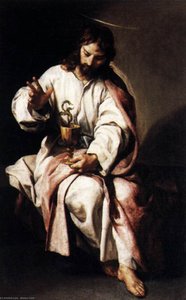
Artist Biography
Guido Cagnacci: A Baroque Enigma
The seventeenth century in Italy was a crucible of artistic innovation, yet within its vibrant landscape emerged an artist profoundly singular – Guido Cagnacci. Born in the small village of Santarcangelo in 1601, Cagnacci’s life and career defy easy categorization, marked by both extraordinary talent and a notorious penchant for scandal. He wasn't merely a painter; he was a figure woven into the very fabric of his time, an eccentric whose unconventional behavior—elopements, accusations of impropriety, and even alleged dealings with young apprentices—became as much a part of his legend as his art. His work, predominantly religious in subject matter, is instantly recognizable for its unabashed eroticism, a boldness that challenged the prevailing norms of the era and continues to fascinate viewers today.
Cagnacci’s early years were spent honing his craft in Romagna, a region known for its artistic traditions. By 1618, he found himself studying under the tutelage of renowned Bolognese painters, laying the groundwork for his distinctive style. His time in Rome during the early 1620s further exposed him to the influences of the Carracci and Guercino, artists whose dramatic lighting and dynamic compositions would subtly shape his own approach. However, Cagnacci never fully embraced a conventional path; he was a restless spirit, constantly moving between cities – Rimini, Forlì, Faenza, Venice, and finally Vienna – often under assumed identities to avoid legal trouble. This itinerant existence fueled the rumors surrounding his life, adding layers of intrigue to his already enigmatic persona.
Despite the chaos that punctuated his biography, Cagnacci’s artistic output reveals a remarkable consistency in style and subject matter. His paintings are characterized by a sensual intensity rarely seen in religious art of the period. He masterfully employed light and shadow, creating dramatic effects that heightened the emotional impact of his scenes. Figures were often depicted with languid grace, their bodies imbued with an almost palpable eroticism. This wasn’t mere titillation; it was a deliberate exploration of human beauty and desire, filtered through a distinctly Baroque sensibility. Influenced by Guido Reni, Cagnacci developed a unique style that blended classical elegance with a vibrant, almost feverish energy.
The Scandalous Life & Artistic Development
Cagnacci’s life was inextricably linked to scandal. His most infamous episode involved an unlawful elopement with Teodora Arianna Stivivi, a wealthy widow. To evade arrest and prosecution, he abandoned her and fled Rimini. This incident, among others, led to years of legal battles and accusations—including rumors that he engaged in illicit relationships with young male apprentices. These stories, though often exaggerated, reveal a man who deliberately defied societal expectations and operated outside the bounds of conventional morality. It’s important to note that these scandalous episodes were frequently used by his contemporaries as a means of undermining his artistic reputation, yet they ultimately contributed to the enduring fascination surrounding his life.
His artistic development is marked by a gradual shift in style. Early works demonstrate a clear debt to Bolognese masters like Reni, characterized by refined elegance and balanced compositions. However, as he matured, Cagnacci’s style became increasingly individualistic, embracing bolder colors, dramatic lighting, and a heightened sense of sensuality. The influence of Venetian painters is also evident in his later work, particularly in the use of vibrant color palettes and dynamic brushwork. The rediscovery of his oeuvre in the mid-20th century revealed a complex and compelling artist who had been unjustly overlooked for centuries.
Major Works & Influences
Cagnacci’s most celebrated works are often characterized by their intimate scale and dramatic intensity. The *Repentant Magdalene* (circa 1660-63), now housed at the Norton Simon Art Foundation in Pasadena, exemplifies his signature style—a masterful blend of religious subject matter and sensual beauty. His depictions of Mary Magdalene, frequently rendered with a captivating vulnerability and an almost defiant gaze, are particularly noteworthy. Other significant paintings include *The Virgin and Child*, *St. Sebastian*, and numerous altarpieces for churches throughout Romagna and Venice.
Cagnacci’s artistic influences were diverse and complex. While he clearly admired the works of the Carracci, Guercino, and Reni, his style ultimately transcended these precedents. He absorbed elements from Venetian painting—particularly the use of color and light—but infused them with a distinctly Italian sensibility. His work also reveals an interest in classical antiquity, evident in the idealized figures and balanced compositions of many of his paintings.
Historical Significance & Legacy
Despite being largely forgotten for centuries after his death in 1663, Guido Cagnacci’s rediscovery in the mid-20th century marked a significant turning point in the history of Italian Baroque art. His unconventional life and provocative style challenged conventional notions of beauty and morality, while his artistic achievements demonstrated a remarkable command of technique and composition. Today, Cagnacci is recognized as one of the most original and enigmatic figures of the seventeenth century—an artist who dared to explore the complexities of human desire within the framework of religious art.
His work continues to be studied and admired for its sensual intensity, dramatic lighting, and masterful use of color. Cagnacci’s legacy lies not only in his individual paintings but also in his ability to provoke thought and challenge viewers to reconsider their own perceptions of beauty, morality, and the human condition.
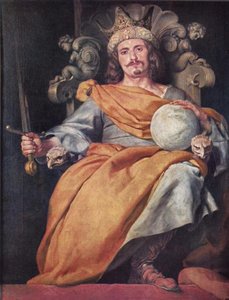
alonzo cano
1601 - 1667 , Spain
Quick Facts
- Artistic Movement Or Style: Bolognese School
- Artists Or Movements Influenced By This Artist: ['Baroque']
- Artists Who Influenced This Artist: ['Guido Reni']
- Date Of Birth: 1601
- Date Of Death: 1663
- Full Name: Guido Cagnacci
- Nationality: Italian
- Notable Artworks: ['Repentant Magdalene']
- Place Of Birth: Santarcangelo, Italy
Related Articles

John Singer Sargent's 25 Masterpieces: Portraits & Beyond | ArtsDot
Explore 25 iconic John Singer Sargent paintings – from dazzling portraits to Impressionist landscapes. Discover the stories behind Madame X, El Jaleo & more! Find museum-quality art reproductions and elevate your home decor with ArtsDot.com.

John Constable's Masterpieces: Explore 25 Iconic Landscapes for Your Home
Journey through John Constable's 25 most celebrated landscapes. Explore Romanticism, Dedham Vale & his masterful use of light in iconic paintings like 'Hay Wain'. Find museum-quality art reproductions and elevate your home decor on ArtsDot.com.
Discover the Divine: Inspiring Saint Anthony Artworks to Elevate Your Home Decor
Transform your home with the profound beauty of Saint Anthony artworks. Explore exquisite Baroque reproductions by Murillo and Zurbarán, hand-painted on 100% cotton canvas to bring divine serenity and timeless elegance to your interior design.

The Dramatic Flourish: Exploring the Baroque Movement's Enduring Legacy in Art History
Explore the dramatic world of Baroque art! Discover iconic artists like Caravaggio & Rubens, defining techniques, and its lasting impact on art history. Expert insights for collectors & enthusiasts at ArtsDot.

Baroque Masterpieces: 10 Paintings That Defined an Era |
Journey through the drama & grandeur of Baroque art! Explore 10 masterpieces by Caravaggio, Rembrandt, Rubens & more. Discover stunning oil paintings, rich colors & timeless stories. Find museum-quality reproductions at .