 Preview
 Send
Send Share
Share
 Details

 Download
 Similars
 X-Ray
X-Ray Diaporama
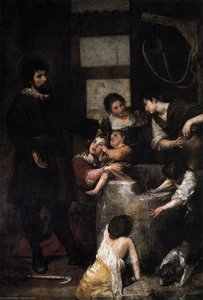
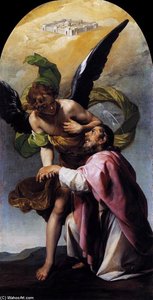
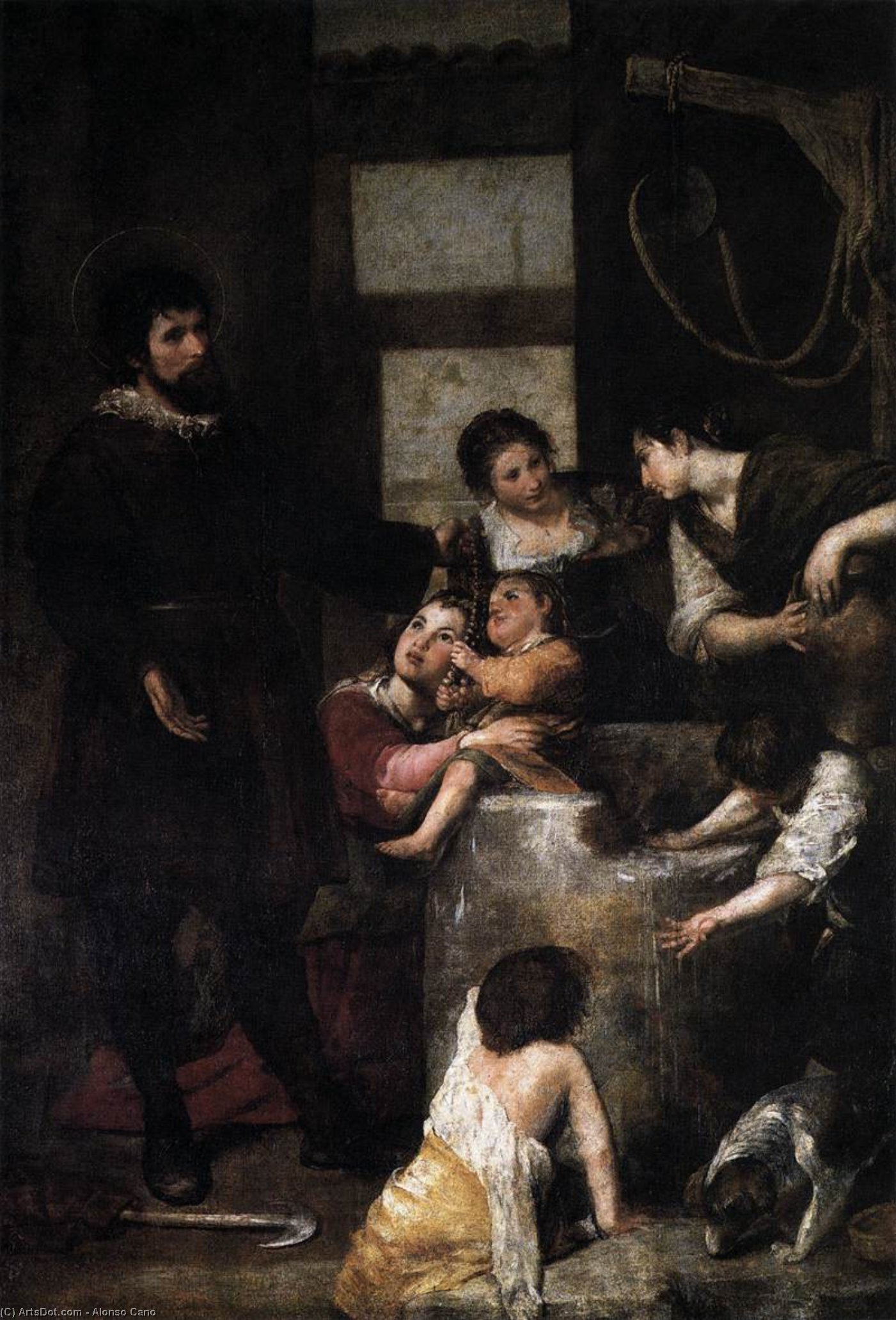
The Miracle at the Well
 Oil On Canvas
- WallArt
- Baroque
 1646
1646- Early Modern
 216.0 x 149.0 cm
 Museo del Prado
 Read More
Hand Made Oil Reproduction
Hand-painted oil on canvas in your size and frame, made to order by our artists. ( Buy Print Buy Image)




P118B $10

P118H $10

P118W $10

P438Z $10

P508JH $12

P508YH $12

P805H $10

P805Z $10

P919BZ $10

P919G $10

P919XJ $10

P959ZH $10

P968JZ $12

W106C $8

W218G $10

W218JH $8

W218Y $10

W307PJ $10

W316G $10

W316PJ $8

W316Y $10

W398PJ $8

W4111J $10

W500HY $15

W500JH $15

W692G $12

W849H $8

W940BG $15

W953PJ $8




Pick from our preset sizes that match the artwork's original proportions.

You may enter your own dimensions to fit a specific frame or space. If your selected size does not match the original image's proportions, we will either crop the artwork or extend the painting with additional hand-painted elements. A digital mockup will be sent for your approval before production begins.
Please note that the on-screen preview does not reflect the actual cropping or extension. Only the mockup will accurately show the final composition.
While custom sizes are available, we recommend selecting a dimension from the predefined list to preserve the original proportions.
After order, ArtsDot.com team will email client for instructions and provide a mockup preview
Worldwide Delivery () in 3/4 weeks instead of standard 5 weeks. (17 August). No compromise on quality.

Free Worldwide Express Shipping

High-Quality Linen Canvas

Full Shipping Insurance

Customs Tax Refund Guarantee

True Color Matching Guarantee

60-Day Return Policy (Defects Only)

100% Money-Back Guarantee

Bulk Discount Offer
 Glass option is only available in size under 110 CM

The Miracle at the Well
Reproduction Medium
Reproduction Size
-


Total Price
$ 263
Artwork Description
A Moment Suspended in Sacred Light
To stand before Alonso Cano's "The Miracle at the Well" is to step directly into a moment of profound spiritual drama, a scene rendered with breathtaking immediacy that transcends the boundaries of time. This oil on canvas, executed in 1646, is not merely a depiction of a miracle; it is an immersive experience of faith confronting human vulnerability. The composition immediately draws the eye to the central interaction: the commanding figure in black robes raising his hand toward the kneeling woman at the well. Cano masterfully orchestrates this encounter, using light and shadow not just as tools of painting, but as active participants in the narrative itself.
Mastery of Baroque Drama and Chiaroscuro
The technical brilliance on display here is a quintessential example of Spanish Baroque mastery. Notice how the artist employs chiaroscuro with such dramatic effect; deep, velvety shadows contrast sharply with illuminated skin and richly textured fabrics. This interplay gives every element—from the folds of the man's robe to the damp stone surrounding the well—a palpable sense of volume and weight. The background, receding into a dark room punctuated by a single window on the right, serves to push the figures forward, creating an undeniable sense of depth that pulls the viewer into the sacred space.
Narrative Depth and Human Connection
Beyond the central miracle, Cano enriches the scene with subtle yet vital details that ground the divine in the everyday. To the left, another woman cradling a child adds a layer of domestic concern to the religious fervor. And look closely at the lower right corner: the inclusion of a dog acts as an anchor to quotidian life, suggesting that even amidst profound spiritual revelation, the rhythms of daily existence continue. These peripheral elements prevent the scene from becoming purely allegorical; instead, it feels deeply human, relatable, and emotionally resonant.
A Legacy for the Modern Collector
For those who appreciate art that speaks to the soul—whether adorning a grand hall or providing intimate contemplation in a private study—this work offers unparalleled depth. The attention paid to texture, the dramatic sweep of the composition, and the sheer narrative power make it a centerpiece worthy of any discerning collection. Owning a reproduction of "The Miracle at the Well" allows one to bring home not just an image, but a carefully preserved echo of 17th-century Spanish devotion and unparalleled artistic skill.
Related Artworks

Artist Biography
Guido Cagnacci: A Baroque Enigma
The seventeenth century in Italy was a crucible of artistic innovation, yet within its vibrant landscape emerged an artist profoundly singular – Guido Cagnacci. Born in the small village of Santarcangelo in 1601, Cagnacci’s life and career defy easy categorization, marked by both extraordinary talent and a notorious penchant for scandal. He wasn't merely a painter; he was a figure woven into the very fabric of his time, an eccentric whose unconventional behavior—elopements, accusations of impropriety, and even alleged dealings with young apprentices—became as much a part of his legend as his art. His work, predominantly religious in subject matter, is instantly recognizable for its unabashed eroticism, a boldness that challenged the prevailing norms of the era and continues to fascinate viewers today.
Cagnacci’s early years were spent honing his craft in Romagna, a region known for its artistic traditions. By 1618, he found himself studying under the tutelage of renowned Bolognese painters, laying the groundwork for his distinctive style. His time in Rome during the early 1620s further exposed him to the influences of the Carracci and Guercino, artists whose dramatic lighting and dynamic compositions would subtly shape his own approach. However, Cagnacci never fully embraced a conventional path; he was a restless spirit, constantly moving between cities – Rimini, Forlì, Faenza, Venice, and finally Vienna – often under assumed identities to avoid legal trouble. This itinerant existence fueled the rumors surrounding his life, adding layers of intrigue to his already enigmatic persona.
Despite the chaos that punctuated his biography, Cagnacci’s artistic output reveals a remarkable consistency in style and subject matter. His paintings are characterized by a sensual intensity rarely seen in religious art of the period. He masterfully employed light and shadow, creating dramatic effects that heightened the emotional impact of his scenes. Figures were often depicted with languid grace, their bodies imbued with an almost palpable eroticism. This wasn’t mere titillation; it was a deliberate exploration of human beauty and desire, filtered through a distinctly Baroque sensibility. Influenced by Guido Reni, Cagnacci developed a unique style that blended classical elegance with a vibrant, almost feverish energy.
The Scandalous Life & Artistic Development
Cagnacci’s life was inextricably linked to scandal. His most infamous episode involved an unlawful elopement with Teodora Arianna Stivivi, a wealthy widow. To evade arrest and prosecution, he abandoned her and fled Rimini. This incident, among others, led to years of legal battles and accusations—including rumors that he engaged in illicit relationships with young male apprentices. These stories, though often exaggerated, reveal a man who deliberately defied societal expectations and operated outside the bounds of conventional morality. It’s important to note that these scandalous episodes were frequently used by his contemporaries as a means of undermining his artistic reputation, yet they ultimately contributed to the enduring fascination surrounding his life.
His artistic development is marked by a gradual shift in style. Early works demonstrate a clear debt to Bolognese masters like Reni, characterized by refined elegance and balanced compositions. However, as he matured, Cagnacci’s style became increasingly individualistic, embracing bolder colors, dramatic lighting, and a heightened sense of sensuality. The influence of Venetian painters is also evident in his later work, particularly in the use of vibrant color palettes and dynamic brushwork. The rediscovery of his oeuvre in the mid-20th century revealed a complex and compelling artist who had been unjustly overlooked for centuries.
Major Works & Influences
Cagnacci’s most celebrated works are often characterized by their intimate scale and dramatic intensity. The *Repentant Magdalene* (circa 1660-63), now housed at the Norton Simon Art Foundation in Pasadena, exemplifies his signature style—a masterful blend of religious subject matter and sensual beauty. His depictions of Mary Magdalene, frequently rendered with a captivating vulnerability and an almost defiant gaze, are particularly noteworthy. Other significant paintings include *The Virgin and Child*, *St. Sebastian*, and numerous altarpieces for churches throughout Romagna and Venice.
Cagnacci’s artistic influences were diverse and complex. While he clearly admired the works of the Carracci, Guercino, and Reni, his style ultimately transcended these precedents. He absorbed elements from Venetian painting—particularly the use of color and light—but infused them with a distinctly Italian sensibility. His work also reveals an interest in classical antiquity, evident in the idealized figures and balanced compositions of many of his paintings.
Historical Significance & Legacy
Despite being largely forgotten for centuries after his death in 1663, Guido Cagnacci’s rediscovery in the mid-20th century marked a significant turning point in the history of Italian Baroque art. His unconventional life and provocative style challenged conventional notions of beauty and morality, while his artistic achievements demonstrated a remarkable command of technique and composition. Today, Cagnacci is recognized as one of the most original and enigmatic figures of the seventeenth century—an artist who dared to explore the complexities of human desire within the framework of religious art.
His work continues to be studied and admired for its sensual intensity, dramatic lighting, and masterful use of color. Cagnacci’s legacy lies not only in his individual paintings but also in his ability to provoke thought and challenge viewers to reconsider their own perceptions of beauty, morality, and the human condition.
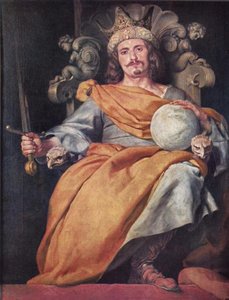
alonzo cano
1601 - 1667 , Spain
Quick Facts
- Artistic Movement Or Style: Bolognese School
- Artists Or Movements Influenced By This Artist: ['Baroque']
- Artists Who Influenced This Artist: ['Guido Reni']
- Date Of Birth: 1601
- Date Of Death: 1663
- Full Name: Guido Cagnacci
- Nationality: Italian
- Notable Artworks: ['Repentant Magdalene']
- Place Of Birth: Santarcangelo, Italy
Related Articles

The Enduring Legacy of Oil on Canvas: Technique, History & Aesthetic Impact
Explore the rich history & techniques of oil painting – from Renaissance masters to Impressionism. Discover pigments, layering methods, and why this timeless medium endures. Expert insights for artists & art enthusiasts.

Oil on Canvas: A Historical & Technical Exploration of a Timeless Artistic Medium
Explore the rich history & enduring techniques of oil painting on canvas. Discover the science behind its longevity, conservation practices, and contemporary relevance. Expert insights for art enthusiasts.

The Enduring Power of Painting: A Historical & Contemporary Exploration of Form and Emotion
Explore the rich history & enduring techniques of oil painting with ArtsDot. Discover masterpieces, learn about art collecting, and find authentic handmade reproductions crafted by skilled artists.

The Enduring Legacy of Oil on Canvas: Technique, History & Contemporary Practice
Explore the rich history & enduring techniques of oil painting on canvas. Discover the science behind its longevity, conservation practices, and contemporary relevance. Expert insights for art enthusiasts.

Turn Your Digital Art Into Hand‑Painted Oil Masterpieces—Earn Big on Every Sale and Build an Enduring Legacy
Transform your NFT collection into hand‑painted oil masterpieces with ArtsDot’s expert artisans. Enjoy museum‑grade quality, free worldwide shipping, and a 100% satisfaction guarantee—turn digital art into a lasting legacy that earns you real value.