 Preview
 Send
Send Share
Share
 Details

 Download
 Similars
 X-Ray
X-Ray Diaporama
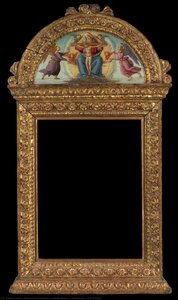
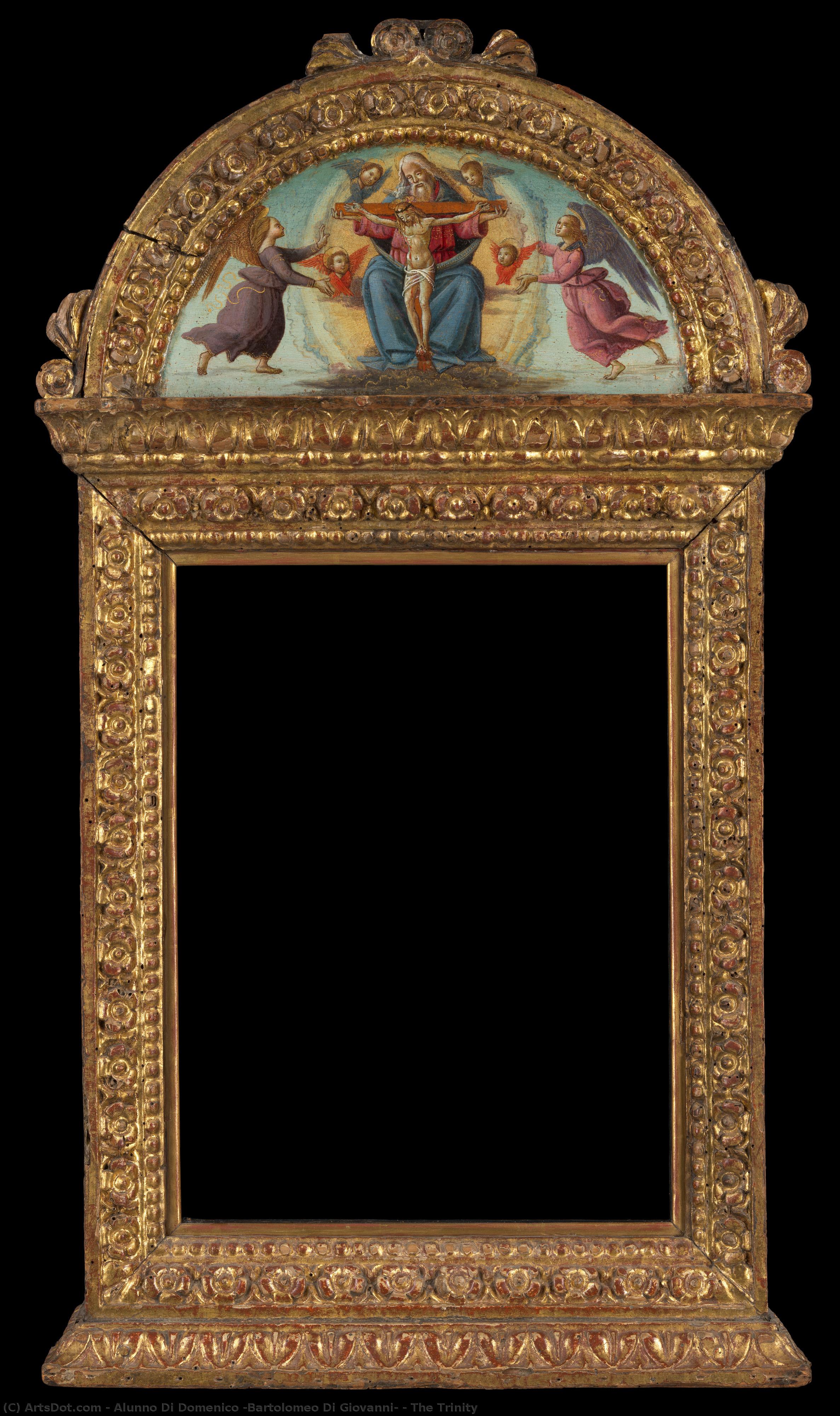
The Trinity
 Acrylic On Canvas
- WallArt
- Renaissance
 13.0 x 26.0 cm
 Metropolitan Museum of Art
 Read More
Giclée / Art Print
Museum-quality giclée or canvas print with fast production and flexible finish options. ( Buy Hand Made Painting Buy Image)




P118B $10

P118H $10

P118W $10

P438Z $10

P508JH $12

P508YH $12

P805H $10

P805Z $10

P919BZ $10

P919G $10

P919XJ $10

P959ZH $10

P968JZ $12

W106C $8

W218G $10

W218JH $8

W218Y $10

W307PJ $10

W316G $10

W316PJ $8

W316Y $10

W398PJ $8

W4111J $10

W500HY $15

W500JH $15

W692G $12

W849H $8

W940BG $15

W953PJ $8




Pick from our preset sizes that match the artwork's original proportions.

You may enter your own dimensions to fit a specific frame or space. If your selected size does not match the original image's proportions, we will either crop the artwork or extend the image with a mirrored or solid-fill edge. A digital mockup will be sent for your approval before production begins.
Please note that the on-screen preview does not reflect the actual cropping or extension. Only the mockup will accurately show the final composition.
While custom sizes are available, we recommend selecting a dimension from the predefined list to preserve the original proportions.
Worldwide Delivery () in 2 weeks instead of standard 4/5 weeks. (22 August)

Free Worldwide Express Shipping

High-Quality Linen Canvas

Full Shipping Insurance

Customs Tax Refund Guarantee

True Color Matching Guarantee

60-Day Return Policy (Defects Only)

100% Money-Back Guarantee

Bulk Discount Offer
 Glass option is only available in size under 110 CM

The Trinity
Giclée / Art Print
Reproduction Size
-


Total Price
$ 63
Collectible Description
A Silent Student's Legacy: Bartolomeo di Giovanni’s ‘The Trinity’
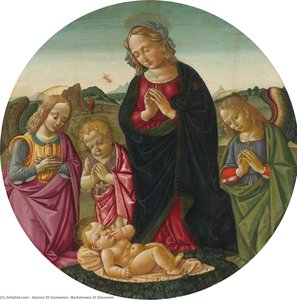
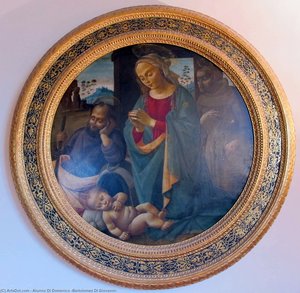
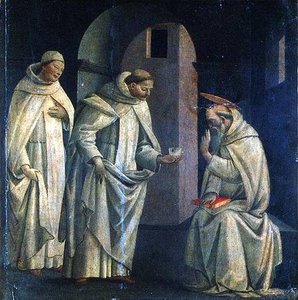
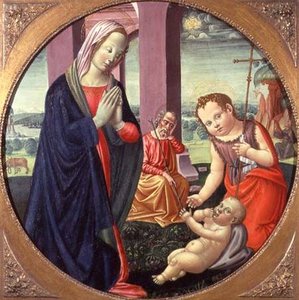
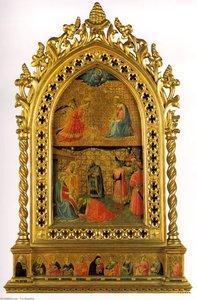
Magnificent Renaissance panel by alunno di domenico (Bartolomeo di Giovanni). Admire this exquisite 'The Trinity' depicting Mary & Christ, framed by a detailed 1502 carving. This captivating artwork offers a glimpse into the artistic milieu of Florence during its golden age and showcases the subtle influence of Domenico Ghirlandaio on his student’s oeuvre. The piece is more than just a visual representation; it embodies the spirit of humanist contemplation and devotional piety characteristic of the period.Subject Matter & Narrative Depth
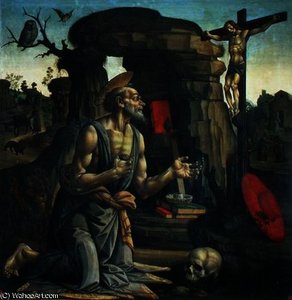
The painting portrays Saint Jerome, depicted in his cell near Bethlehem, surrounded by his brethren. Above him rests a serene tableau: two juniper branches symbolizing purity and resurrection, palms representing victory over death, a crucifix embodying Christ’s sacrifice, and Jerome's cardinal’s hat signifying ecclesiastical authority. This composition draws directly from Eusebius’s *De Morte Hieronymi ad Damasum*, highlighting the theological significance of Saint Jerome’s life and martyrdom – a subject frequently explored by Humanist artists seeking to elevate moral contemplation. Interestingly, speculation suggests that Pugliese's patronage may have been influenced by Savonarola’s fervor, reflecting broader societal anxieties about religious morality during this transformative era.Style & Technique: Renaissance Refinement
Bartolomeo di Giovanni’s masterful execution exemplifies the refined aesthetic sensibilities of the early 1490s Florentine workshop. The painting utilizes oil paint on wood, demonstrating a meticulous attention to detail and achieving remarkable luminosity—a hallmark of Renaissance artistic practice. Observe the smooth surface texture achieved through careful carving and polishing, complemented by the delicate layering of colors that imbues the scene with depth and vibrancy. The artist’s skill is further evidenced in the precise rendering of drapery folds and facial expressions, conveying a palpable sense of solemn reverence.Symbolism & Decorative Framing
Beyond its narrative content, ‘The Trinity’ is replete with symbolic emblems resonating with Christian iconography. The juniper branches and palms serve as visual reminders of spiritual renewal and triumph over mortality—themes central to Renaissance humanist thought. Furthermore, the ornate frame crafted by Bartolomeo di Giovanni's collaborator, Bartolomeo di Giovanni (active 1480, died 1501), adds another layer of artistic sophistication. The lunette painting within the frame – a copy of this masterpiece – underscores the importance of craftsmanship and artistic continuity within Florentine art circles.Concluding Impression: Reverence & Artistic Influence
‘The Trinity’ stands as a testament to Bartolomeo di Giovanni's dedication to mastering the techniques of his mentor, Domenico Ghirlandaio, while forging his own distinctive artistic voice. Its serene beauty and profound theological message continue to inspire viewers today—a legacy secured by this enduring symbol of faith and humanist contemplation. This exceptional reproduction captures the essence of Renaissance art, offering a captivating glimpse into Florentine culture during its apex.Related Artworks
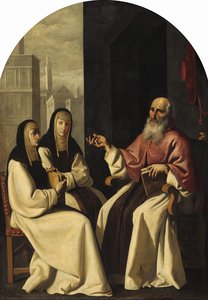
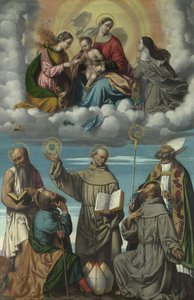
Artist Biography
Bartolomeo di Giovanni: The Silent Student of Florentine Genius
Bartolomeo di Giovanni, a name often overshadowed by the brilliance of his contemporaries, remains a captivating figure in 15th-century Florentine art. Known primarily through the designation “Alunno di Domenico” – meaning “student of Domenico Ghirlandaio” – this elusive artist’s legacy rests largely on his crucial contributions to the famed Ospedale degli Innocenti frescoes and predella panels, revealing a unique artistic voice within the bustling workshop of one of Florence's most celebrated masters. His life was tragically short, ending in his early thirties, yet his work offers a poignant glimpse into the evolution of Renaissance painting and the subtle interplay between master and pupil.
Born around 1458 in Florence, Bartolomeo’s origins remain somewhat shrouded in mystery. He was likely apprenticed to Domenico Ghirlandaio, a position that afforded him invaluable experience and access to the latest artistic techniques. Ghirandaio's workshop was a crucible of innovation, attracting talented young artists eager to hone their skills – and Bartolomeo undoubtedly benefited immensely from this environment. While his early life is sparsely documented, archival research has firmly established his identity beyond the simple label of “student,” revealing him as a distinct artist with a developing style.
The Predella Panels: A Window into Artistic Innovation
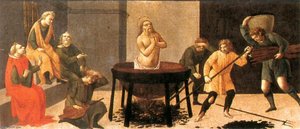
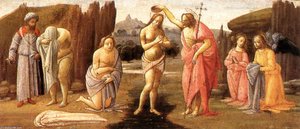
Bartolomeo’s most significant contribution to art history lies in his execution of predella panels – the small, narrative scenes that adorned the altarpieces of the late 15th century. These panels, particularly those he completed for Domenico Ghirlandaio's Adoration of the Magi (1488) at the Ospedale degli Innocenti, are remarkable for their emotional depth and subtle stylistic departures from the prevailing conventions. The scenes depict episodes from the life of St. John the Baptist – a subject frequently chosen for its devotional appeal – showcasing Bartolomeo’s skill in portraying human figures with a delicate grace and expressive quality.
What distinguishes Bartolomeo's work is not a radical departure, but rather a refinement of Ghirlandaio’s style. He retained the master’s characteristic use of bright colors, meticulous detail, and balanced compositions, yet infused his scenes with a greater sense of intimacy and psychological realism. Notably, he employed a looser brushstroke and a more expressive handling of drapery than Ghirlandaio, hinting at a developing personal style. The “Scenes from the Life of St John the Baptist” are particularly noteworthy for their evocative storytelling and the artist’s ability to capture fleeting moments of emotion.
Influences and Artistic Development
Bartolomeo's artistic development is inextricably linked to his apprenticeship with Domenico Ghirlandaio. However, it’s increasingly clear that he was also influenced by other prominent Florentine artists of the period. The subtle echoes of Sandro Botticelli’s elegant line and the influence of Fra Angelico’s devotional intensity can be detected in his work, suggesting a broad artistic education. Furthermore, some scholars have pointed to possible connections with the more austere and emotionally charged style of Piero di Cosimo, a contemporary painter known for his dramatic depictions of religious subjects.
Despite these influences, Bartolomeo ultimately forged his own distinctive path. His predella panels demonstrate a remarkable ability to synthesize diverse stylistic elements into a cohesive and compelling narrative. He skillfully balanced technical proficiency with emotional sensitivity, creating works that are both aesthetically pleasing and deeply moving.
A Tragic End and Lasting Legacy
Bartolomeo di Giovanni’s life was tragically cut short in 1501, likely due to illness. His untimely death deprived the art world of a promising talent whose potential remained largely untapped. Despite his brief career, Bartolomeo left behind a significant body of work that continues to fascinate and intrigue scholars today. His predella panels, particularly those from the Ospedale degli Innocenti, are considered masterpieces of Florentine Renaissance painting, offering invaluable insights into the artistic practices and cultural values of the era.
Today, Bartolomeo di Giovanni is recognized as a significant, though often overlooked, figure in the history of Italian art. His work stands as a testament to the power of apprenticeship, the enduring influence of master artists, and the remarkable creativity that flourished within the vibrant artistic landscape of Renaissance Florence.
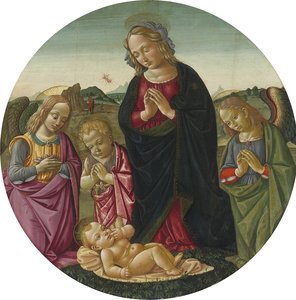
alunno di domenico (bartolomeo di giovanni)
1475 - 1503 , Italy
Quick Facts
- Artistic Movement Or Style: Renaissance
- Artists Or Movements Influenced By This Artist: ['Botticelli']
- Artists Who Influenced This Artist: ['Domenico Ghirlandaio']
- Date Of Birth: 1458?
- Date Of Death: 1501
- Full Name: Bartolomeo di Giovanni
- Nationality: Italian
- Notable Artworks:
- St John's Life
- The Nativity
- Madonna and Child
- Place Of Birth: Florence, Italy
Related Articles

Giotto's Masterpieces: 25 Renaissance Artworks for Your Home | ArtsDot
Explore 25 breathtaking artworks by Giotto di Bondone, a Renaissance master. Discover the stories behind iconic frescoes & paintings like the Scrovegni Chapel cycle. Find museum-quality Giotto reproductions and elevate your home decor with ArtsDot.com.
Proto-Renaissance Masters: 10 Artworks That Changed History | ArtsDot
Journey back to the dawn of Renaissance art! Explore 10 iconic Proto-Renaissance masterpieces by Giotto, Cimabue & Duccio. Discover their stories, techniques & lasting impact. Find museum-quality reproductions for your home at ArtsDot.com
La Biennale's Masterpieces: 25 Artworks to Inspire Your Home | ArtsDot
Explore 25 iconic artworks from La Biennale di Venezia! Discover the stories behind masterpieces of Italian art, modernism & Renaissance paintings. Find museum-quality reproductions and elevate your home decor with ArtsDot.com. Explore the full collection online.
Oil on Panel: A Historical Survey of Technique, Support & Aesthetic Evolution
Explore the rich history of oil on panel painting! Discover Renaissance techniques, support structures & aesthetic evolution. Expert insights for art collectors and enthusiasts.
Fra Angelico's Masterpieces: 25 Renaissance Paintings for Your Home | ArtsDot
Explore 25 breathtaking masterpieces by Fra Angelico, a Renaissance master. Discover the stories behind his iconic frescoes, Annunciations & religious art. Find museum-quality reproductions and elevate your home decor with ArtsDot.com.