

 Preview
 Send
Send Share
Share
 Details

 Download
 Similars
 X-Ray
X-Ray Diaporama
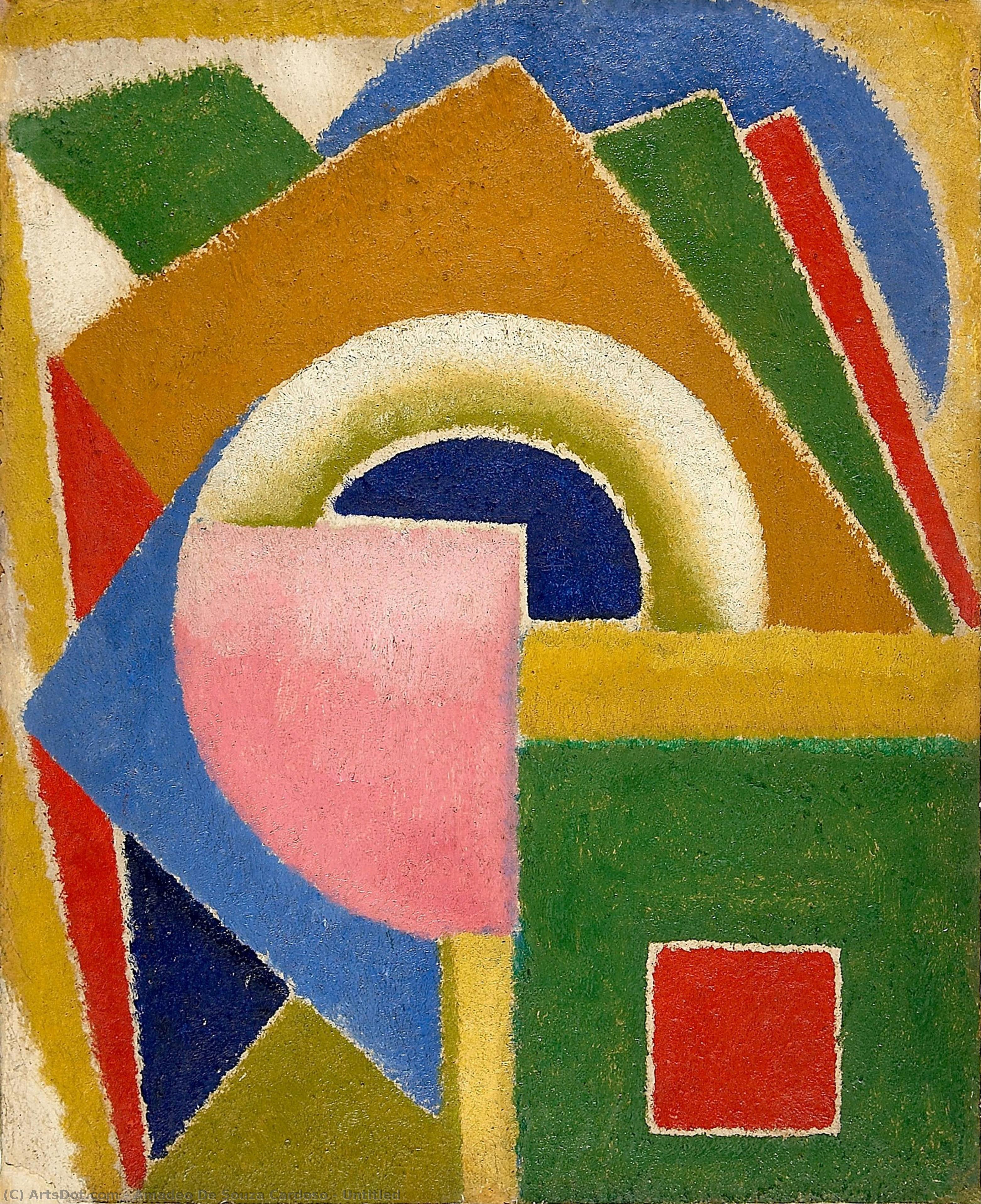
Untitled
 Acrylic On Canvas
- WallArt
- Cubism
 1913
1913 28.0 x 34.0 cm
 Centro de Arte Moderna Gulbenkian
 Read More
Purchase a high-resolution, enhanced digital image, far superior to the online preview.
Each file is meticulously prepared by our in-house specialists using advanced tools and expert manual retouching. We ensure every image has exceptional clarity, precise color accuracy, and fine detail.
The final file is delivered via email within 72 hours, optimized for immediate use in professional, editorial, and print environments. This is the same quality trusted by top-tier design studios, publishers, and galleries.
Digital Image
Download a high-resolution file for personal display, printing, and creative projects. ( Buy Print Buy Hand Made Painting)
Included in Every Digital Image Order
Expert Digital Delivery, Guaranteed
When you choose ArtsDot.com, you're not just getting an image - you're receiving a professionally enhanced digital artwork, crafted with precision and backed by a satisfaction guarantee. Here's everything that comes with your order, automatically:

Fast Email Delivery
Your high-resolution digital image file will be emailed to you within 72 hours of ordering - ready for immediate use.

AI-Enhanced Digital File
Your artwork is professionally optimized using advanced AI tools and manual editing, ensuring maximum detail, clarity, and color accuracy.

Free Lifetime Re-Delivery
Accidentally deleted or lost your file? No worries - we'll resend it to you anytime, free of charge.

No Import Fees - Ever
Enjoy your artwork instantly with zero customs, duties, or delivery fees - digital downloads are always tax-free.

Color Accuracy Guarantee
We ensure your digital image reflects the original colors as closely as possible using professional tools and color management.

60-Day Satisfaction Guarantee
If you're not satisfied with your digital image, we'll revise it or refund 100% within 60 days - no questions asked.

100% Money-Back Guarantee
Not satisfied? Get a full refund within 60 days of receiving your digital file - no questions asked.

Bulk Order Discounts
Buy 3 images, save 10% - Buy 5, save 15% - Buy 10+, save 20%. Great for creative projects, galleries, and agencies.
Collectible Description
A Pioneer's Bold Vision: Unveiling Amadeo de Souza-Cardoso’s “Untitled”
Amadeo de Souza-Cardoso stands as a cornerstone of Portuguese Modernism, an artist whose brief but incandescent career irrevocably altered the landscape of European art. Born in Manhufe, Portugal, in 1887, his artistic journey began with architectural studies before swiftly gravitating towards painting—specifically caricature—where he honed his skills and developed a distinctive style that would propel him to international acclaim. This captivating piece, “Untitled,” created in 1913, embodies the spirit of his era: a defiant embrace of abstraction amidst the burgeoning influence of Cubism and Expressionism.The Composition’s Geometric Dance
“Untitled” immediately commands attention with its striking visual vocabulary. At its core lies a dominant circle—a motif frequently revisited by Souza-Cardoso—representing wholeness, unity, and perhaps even spiritual contemplation. Surrounding this central element are several smaller circles, meticulously arranged to generate an intricate pattern that pulsates with movement. These concentric shapes aren’t merely decorative; they speak to the artist's fascination with geometric forms, mirroring the revolutionary ideas circulating within the artistic circles of Paris at the time. Two triangles punctuate the canvas—one positioned on the left and another on the right—adding dynamism and visual balance to the composition. Their angular lines contrast sharply with the circular shapes, symbolizing opposing forces and contributing to the artwork’s overall tension.Technique and Color Palette: Echoes of Parisian Avant-Garde
Souza-Cardoso executed “Untitled” in oil on canvas using a technique characterized by layering and blending—a hallmark of Expressionist painting—allowing for rich textures and luminous colors. The predominant hues are deep blues and vibrant reds, colors often associated with passion, energy, and emotional intensity. These bold shades aren’t applied haphazardly; rather, they are carefully considered to evoke specific moods and create a visual experience that transcends mere representation. Souza-Cardoso skillfully manipulates color to convey feeling, mirroring the stylistic choices of artists like Gris and Delaunay who were experimenting with similar palettes in Paris during this period.Historical Context: Embracing Modernism’s Disruptive Force
“Untitled” emerged from Portugal's burgeoning modernist movement—a reaction against academic conventions and a fervent desire to explore new artistic horizons. Souza-Cardoso’s exposure to Parisian avant-garde artists profoundly impacted his creative vision, fostering an unwavering commitment to experimentation and innovation. He actively engaged with the intellectual debates surrounding Cubism and Expressionism, absorbing their influence while forging his own unique voice within these influential movements. The painting reflects a broader cultural shift toward embracing abstraction as a means of conveying emotion and challenging traditional artistic norms—a legacy that continues to inspire artists today.Symbolic Resonance: Circles and Triangles – Representations of Harmony and Conflict
Beyond its formal qualities, “Untitled” resonates with symbolic significance. The circle, recurring throughout Souza-Cardoso’s oeuvre, symbolizes completeness, cyclical time, and the interconnectedness of all things—concepts central to philosophical thought during his lifetime. Simultaneously, the triangles represent opposing forces—stability versus dynamism, reason versus intuition—reflecting the anxieties and aspirations inherent in navigating a rapidly changing world. These geometric elements aren't merely visual devices; they embody deeper ideas about human experience and artistic expression.Emotional Impact: A Window into Souza-Cardoso’s Soul
“Untitled” transcends mere aesthetic beauty; it invites contemplation and evokes profound emotional responses. The artwork’s bold colors, combined with its dynamic composition, convey a sense of urgency and excitement—a testament to Souza-Cardoso's unwavering belief in the transformative power of art. Viewing this piece is akin to stepping into a realm where form follows feeling, mirroring the core tenets of Expressionist painting and capturing the artist’s innermost convictions. It remains a powerful reminder that art can communicate ideas beyond words, resonating with viewers long after they have gazed upon its surface.Related Artworks
Artist Biography
A Pioneer of Portuguese Modernism: The Life and Art of Amadeo de Souza-Cardoso
Amadeo de Souza-Cardoso, a name resonating with the vibrant energy of early 20th-century modernism, remains a somewhat enigmatic figure despite his pivotal role in bridging Portuguese art to the international avant-garde. Born on November 14, 1887, in Manhufe, a picturesque parish of Amarante in Portugal, his brief but intensely creative life was marked by a restless spirit and an unwavering dedication to artistic innovation. From humble beginnings rooted in the rural landscapes of his homeland, Souza-Cardoso embarked on a journey that would lead him to the heart of Parisian modernism, where he forged connections with some of the most influential artists of his time – Modigliani, Brancusi, Delaunay, and Gris among them. His early education began with architectural studies in Lisbon, but it was the allure of painting, particularly the expressive power of caricature, that truly captured his imagination and set him on a path toward artistic exploration. This initial foray into art wasn’t merely technical training; it was an awakening to the potential of visual language as a means of commentary and self-expression.Parisian Encounters and Artistic Development
The year 1906 marked a turning point, as Souza-Cardoso relocated to Paris, immersing himself in the city’s thriving artistic milieu. Initially continuing his architectural pursuits, he soon gravitated towards painting, quickly absorbing the radical ideas that were reshaping the art world. The influence of Cubism and Futurism became increasingly apparent in his work around 1910, establishing him as one of Portugal's first true modern painters. However, Souza-Cardoso didn’t simply mimic these movements; he synthesized them with his own unique sensibility, creating a style characterized by bold forms, vibrant colors, and dynamic compositions. His paintings weren’t merely representations of reality but rather explorations of perception, emotion, and the very essence of form itself. Works like *Saut du Lapin* (1911) and *Cabeça* (1913) exemplify this period, showcasing his experimentation with fragmented perspectives and a heightened sense of chromatic intensity. These weren’t chaotic arrangements but carefully balanced structures, revealing a deliberate artistic vision beneath the surface of apparent randomness. He participated in key exhibitions, including the Salon des Indépendants and, crucially, the groundbreaking 1913 Armory Show in New York, bringing his innovative work to an international audience.A Synthesis of Influences: Between Portugal and Paris
Souza-Cardoso’s artistic journey wasn't a complete severance from his Portuguese roots. Despite embracing the avant-garde spirit of Paris, he maintained a strong connection to his homeland, frequently returning to Manhufe. This duality is reflected in his art, where themes and motifs drawn from Portuguese culture – religious processions, rural landscapes, folk traditions – are interwoven with modernist techniques. *Entrada* (1917) and *Pintura* (1917), created during a period of renewed engagement with Portugal, demonstrate this synthesis, showcasing an increasing tendency towards abstraction while retaining a distinctly Portuguese flavor. This ability to reconcile seemingly disparate influences was a hallmark of his artistic genius. He wasn’t simply adopting styles; he was transforming them, imbuing them with his own unique perspective and creating something entirely new. His work became a dialogue between cultures, a testament to the power of art to transcend geographical boundaries.Legacy and Remembrance: A Lasting Impact
Tragically, Amadeo de Souza-Cardoso’s promising career was cut short by his untimely death on October 25, 1918, at the age of just thirty. He succumbed to pneumonia during the Spanish Flu pandemic, leaving behind a relatively small but remarkably impactful body of work. For many years, his contributions were overlooked, overshadowed by more prominent figures in the modernist movement. However, in recent decades, there has been a growing recognition of his significance as a pioneer of Portuguese modernism and an important voice within the broader European avant-garde. Two major retrospectives – one in 1958 and another at the Grand Palais in Paris in 2016 – have helped to reintroduce his work to a wider audience, solidifying his place in art history. Today, his paintings can be found in museums around the world, including the Plymouth City Museum and Art Gallery, alongside works by other notable artists. His legacy continues to inspire contemporary artists, serving as a reminder of the power of artistic innovation and the enduring importance of cultural exchange.Key Characteristics of Souza-Cardoso’s Work
- Innovative Style: A pioneering approach to modern Portuguese art, blending Cubism, Futurism, and his own unique sensibility.
- Vivid Color Palette: Characterized by aggressive and vibrant use of color, creating dynamic and emotionally resonant compositions.
- Dynamic Composition: Often employing fragmented perspectives and seemingly chaotic arrangements that are, in fact, carefully balanced and structured.
- Cultural Synthesis: A unique ability to integrate Portuguese themes and motifs with modernist techniques, creating a dialogue between cultures.
- Early Abstraction: Exploration of abstraction, particularly in his later works, pushing the boundaries of representational art.
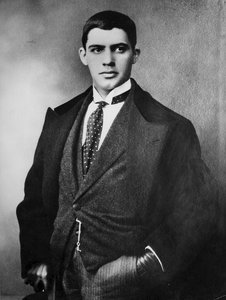
Amadeo de Souza-Cardoso
1887 - 1918 , Portugal
Quick Facts
- Artistic Movement Or Style: Cubism, Futurism, Modernism
- Artists Who Influenced This Artist:
- Modigliani
- Brancusi
- Delaunay
- Date Of Birth: November 14, 1887
- Date Of Death: October 25, 1918
- Full Name: Amadeo de Souza-Cardoso
- Nationality: Portuguese
- Notable Artworks:
- Saut du lapin
- Cabeça
- Entrada
- Pintura
- Place Of Birth: Manhelices, Portugal

