 Preview
 Send
Send Share
Share
 Details

 Download
 Similars
 X-Ray
X-Ray Diaporama
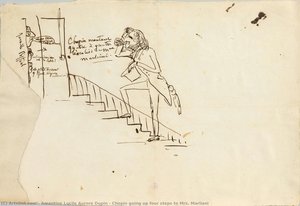
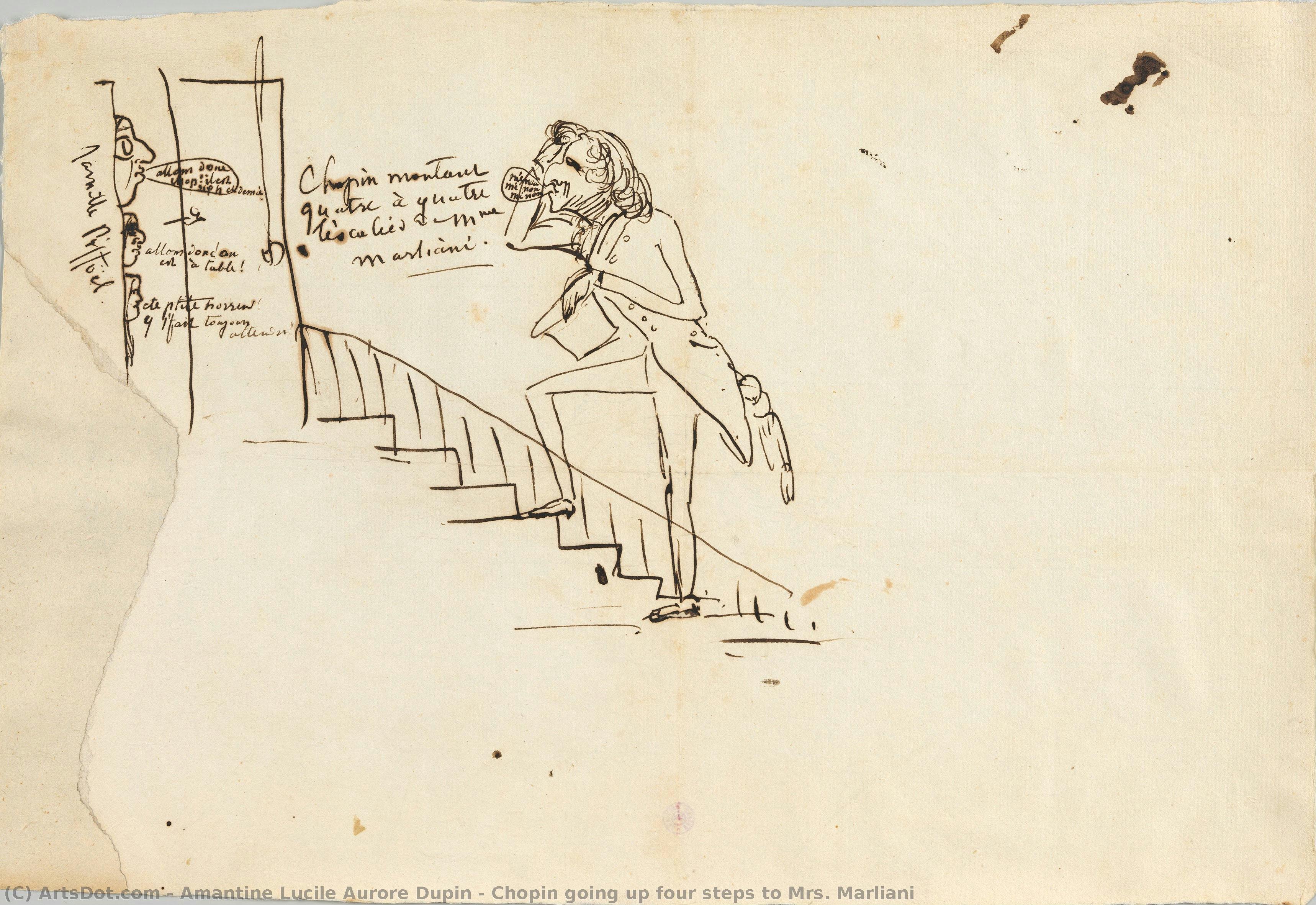
Chopin going up four steps to Mrs. Marliani


 Read More
Giclée / Art Print
Museum-quality giclée or canvas print with fast production and flexible finish options. ( Buy Hand Made Painting Buy Image)




P118B $10

P118H $10

P118W $10

P438Z $10

P508JH $12

P508YH $12

P805H $10

P805Z $10

P919BZ $10

P919G $10

P919XJ $10

P959ZH $10

P968JZ $12

W106C $8

W218G $10

W218JH $8

W218Y $10

W307PJ $10

W316G $10

W316PJ $8

W316Y $10

W398PJ $8

W4111J $10

W500HY $15

W500JH $15

W692G $12

W849H $8

W940BG $15

W953PJ $8




Pick from our preset sizes that match the artwork's original proportions.

You may enter your own dimensions to fit a specific frame or space. If your selected size does not match the original image's proportions, we will either crop the artwork or extend the image with a mirrored or solid-fill edge. A digital mockup will be sent for your approval before production begins.
Please note that the on-screen preview does not reflect the actual cropping or extension. Only the mockup will accurately show the final composition.
While custom sizes are available, we recommend selecting a dimension from the predefined list to preserve the original proportions.
Worldwide Delivery () in 2 weeks instead of standard 4/5 weeks. (29 August)

Free Worldwide Express Shipping

High-Quality Linen Canvas

Full Shipping Insurance

Customs Tax Refund Guarantee

True Color Matching Guarantee

60-Day Return Policy (Defects Only)

100% Money-Back Guarantee

Bulk Discount Offer
 Glass option is only available in size under 110 CM

Chopin going up four steps to Mrs. Marliani
Giclée / Art Print
Reproduction Size
-


Total Price
$ 63
Chopin Going Up Four Steps To Mrs. Marliani: An Exploration of Symbolism and Impressionistic Technique
George Sand’s “Chopin Going Up Four Steps To Mrs. Marliani,” painted in 1839, isn't merely a depiction of a Parisian scene; it’s a meticulously crafted meditation on artistic inspiration, societal constraints, and the elusive nature of beauty itself. Commissioned by Madame Marliani, a wealthy patroness of the arts, Sand sought to capture not just what she saw but also what Chopin evoked within her – a profound connection between artist and muse fueled by shared passion.
- Style & Technique: The artwork embodies the Impressionistic movement’s core tenets. Sand eschewed academic precision for capturing fleeting moments of light and atmosphere, prioritizing tonal gradations over sharp outlines. Her brushstrokes are loose and expressive, conveying a sense of immediacy and dynamism that contrasts sharply with the rigid formality of earlier artistic styles.
- Composition & Perspective: The staircase serves as a powerful compositional device, drawing the viewer’s eye upwards towards Mrs. Marliani – representing success and refinement – while Chopin descends, symbolizing vulnerability and introspection. Sand skillfully utilizes perspective to create depth and enhance the emotional impact of the scene.
Historical Context: The Romantic Spirit and Artistic Patronage
Painted during the height of the Romantic era, “Chopin Going Up Four Steps To Mrs. Marliani” reflects the prevailing fascination with emotion, imagination, and individualism. Sand herself was a trailblazer in challenging societal expectations regarding women’s roles—a bold stance for her time—and she skillfully utilized her artistic endeavors to advocate for progressive ideals. The patronage system prevalent during this period played a crucial role in fostering artistic creativity, allowing artists like Sand to pursue their visions without the pressures of commercial considerations.
- Symbolism: The staircase symbolizes aspiration and upward mobility, mirroring Chopin’s journey towards recognition as a composer. Simultaneously, it represents the barriers faced by women attempting to break free from traditional roles. Mrs. Marliani embodies wealth and influence—a symbol of artistic support—but also hints at the potential pitfalls of accepting patronage without maintaining one's own integrity.
Emotional Impact & Artistic Legacy
Sand’s masterful portrayal transcends mere visual representation; it communicates a palpable sense of longing and contemplation. The muted palette – dominated by blues and greens – contributes to the artwork’s melancholic mood, mirroring Chopin's inner turmoil as he strives for artistic fulfillment. “Chopin Going Up Four Steps To Mrs. Marliani” remains an enduring testament to Sand’s artistic vision—a captivating exploration of beauty, passion, and the transformative power of art.
Technical Considerations: Impressionistic Rendering
Sand achieved her distinctive Impressionistic style through careful observation and meticulous blending of pigments. She prioritized capturing the subtle nuances of light and color, employing a technique known as “plein air” painting—working outdoors directly from nature—to maximize the vibrancy of her palette. The resulting image is imbued with an ethereal quality that captures the essence of Chopin’s inspiration and conveys Sand's profound understanding of artistic expression.
Further Research & Reproduction Recommendations
For a deeper appreciation of “Chopin Going Up Four Steps To Mrs. Marliani,” consider exploring biographical accounts of George Sand and delving into the broader context of Impressionistic art history. High-quality reproductions offer an opportunity to experience Sand’s artistic vision firsthand, allowing collectors and interior designers alike to incorporate this iconic artwork into their spaces.
Related Artworks


Artist Biography
A Literary Life Painted in Words: The World of George Sand
Amantine Lucile Aurore Dupin, known to the world as George Sand, was more than just a novelist; she was a force of nature, a societal disruptor, and a literary pioneer who carved her own path through 19th-century France. Born in Paris on July 1st, 1804, into a family marked by contrasting fortunes – an aristocratic father and a mother from more modest beginnings – Sand’s early life was steeped in the complexities of social class and expectation. This duality would profoundly shape her worldview and become a recurring theme throughout her prolific body of work. Her childhood refuge at Nohant, the family estate in Berry, proved to be a wellspring of inspiration, a place where she could connect with nature and nurture her burgeoning creativity. It was a sanctuary that would remain central to her life, providing both solace and fuel for her imagination.Breaking Boundaries: The Birth of a Pen Name and Literary Rebellion
Sand’s personal life was far from conventional. A marriage to Baron Dudevant proved deeply unhappy, leading to separation and an uncommon divorce for a woman of her time. This experience ignited within her a fierce independence and fueled her growing advocacy for women's rights. In 1830, she boldly stepped onto the literary stage, not as Amantine Dupin, but as “George Sand.” The adoption of a male pseudonym was a deliberate act of defiance, a strategic maneuver to circumvent societal prejudices that would have otherwise hindered her acceptance in the predominantly male world of letters. It allowed her work to be judged on its merits, rather than dismissed because of her gender. Her first novel, *Le Mari d’Amatine*, marked not only the beginning of an extraordinary literary career but also a declaration of independence and a challenge to established norms.A Prolific Output: Themes of Passion, Justice, and Social Change
George Sand quickly became one of the most prolific and popular writers of her era, producing over seventy novels alongside numerous plays, memoirs, and journalistic pieces. Her works delved into a wide range of themes, consistently addressing progressive ideas that resonated with a changing society. *Les Feuilles d’or* (The Golden Leaves), a collection of short stories, explored the delicate nuances of love, loss, and the sublime beauty of the natural world. *La Présidente* offered a compelling examination of the challenges faced by women seeking leadership roles in a patriarchal society, while *L’autre Sœur* (The Other Sister) intricately portrayed the complexities of family relationships and the restrictive expectations placed upon women. Sand's writing was not merely entertainment; it was a platform for social commentary. She passionately championed women’s rights, advocating for greater autonomy and equality. She fearlessly depicted the struggles of the working class, criticizing social inequalities and offering empathetic portrayals of those marginalized by society. Her novels often questioned conventional marriage structures, exploring alternative forms of relationships and portraying passionate, unconventional love affairs that challenged Victorian morality.A Lasting Legacy: Feminist Icon and Literary Innovator
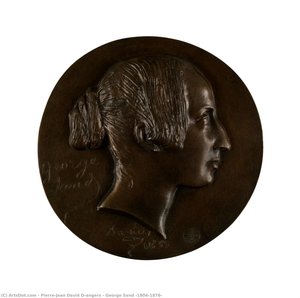
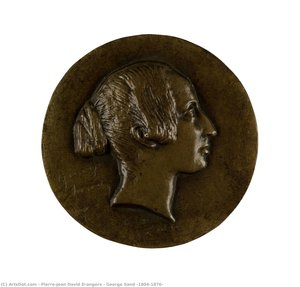
George Sand’s influence extended far beyond the realm of literature. She was a vocal political commentator and social reformer, actively engaging with the tumultuous events of her time. Her popularity during her lifetime rivaled that of Victor Hugo and Honoré de Balzac, solidifying her position as a towering figure in the European Romantic movement. Today, she is rightfully regarded as a pioneering feminist writer whose works paved the way for future generations of female authors. Her literary innovations – her use of realism, psychological depth, and exploration of social issues – profoundly influenced countless writers who followed in her footsteps. Sand’s personal life, marked by unconventional choices and unwavering independence, made her a controversial yet captivating figure, contributing to the broader cultural shifts of the 19th century. Her legacy continues to inspire those who champion equality, justice, and the power of artistic expression. Institutions like the Musée d'Art et d'Histoire de Cholet, which houses a bronze sculpture by Pierre-Jean David D’Angers, and collections such as that at Somerville College, offer glimpses into the life and enduring impact of this remarkable writer and cultural icon. George Sand remains a testament to the power of words to challenge conventions, ignite change, and illuminate the human condition.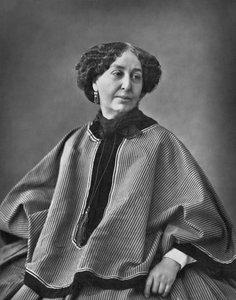
amantine lucile aurore dupin
1804 - 1876 , France
Quick Facts
- Artistic Movement Or Style: European Romanticism
- Artists Or Movements Influenced By This Artist:
- Feminist writers
- European novelists
- Date Of Birth: July 1, 1804
- Date Of Death: 1876
- Full Name: Amantine Lucile Aurore Dupin
- Nationality: French
- Notable Artworks:
- Les Feuilles d'or
- La Présidente
- L’autre sœur
- Landscape of Berry
- Chopin going up four steps
- Place Of Birth: Paris, France
Related Articles
Georges Braque's Masterpieces: 25 Paintings That Defined Cubism & Modern Art | ArtsDot
Explore 25 iconic Georges Braque paintings that revolutionized Cubism & modern art. Discover the stories behind his masterpieces, from Fauvism to Analytical Cubism. Find museum-quality reproductions & elevate your home decor with ArtsDot.com.
Georges Seurat's Masterpieces: 25 Paintings That Defined Pointillism | ArtsDot
Explore 25 iconic Georges Seurat paintings & discover the brilliance of Pointillism. From 'La Grande Jatte' to his harbor scenes, delve into art history with ArtsDot.com. Find museum-quality reproductions for your home decor. Explore the full collection online!
Romantic Realism's Finest: 10 Masterpieces for Your Home | ArtsDot
Explore 10 defining masterpieces of Romantic Realism! Discover Courbet, Millet & Daumier's powerful paintings—capturing emotion and social realities. Find museum-quality reproductions for your home at ArtsDot.com.

Sandstone & Sunlight: 10 Masterpieces of Earth-Toned Art |
Journey through 10 iconic paintings bathed in 'sand' tones – from Van Gogh to Monet. Explore the stories, techniques & warm palettes of these timeless masterpieces. Find museum-quality art reproductions at and bring classic beauty home.

Paul Huet: Capturing the Essence of French Romanticism Through Light and Landscape
Explore the captivating world of Paul Huet (1803-1869), a master of French Romantic landscape painting. Discover his influence on Barbizon & Impressionism, and browse high-quality reproductions at ArtsDot.