 Preview
 Send
Send Share
Share
 Details

 Download
 Similars
 X-Ray
X-Ray Diaporama
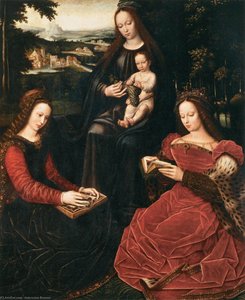
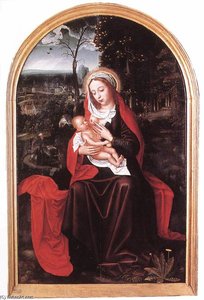
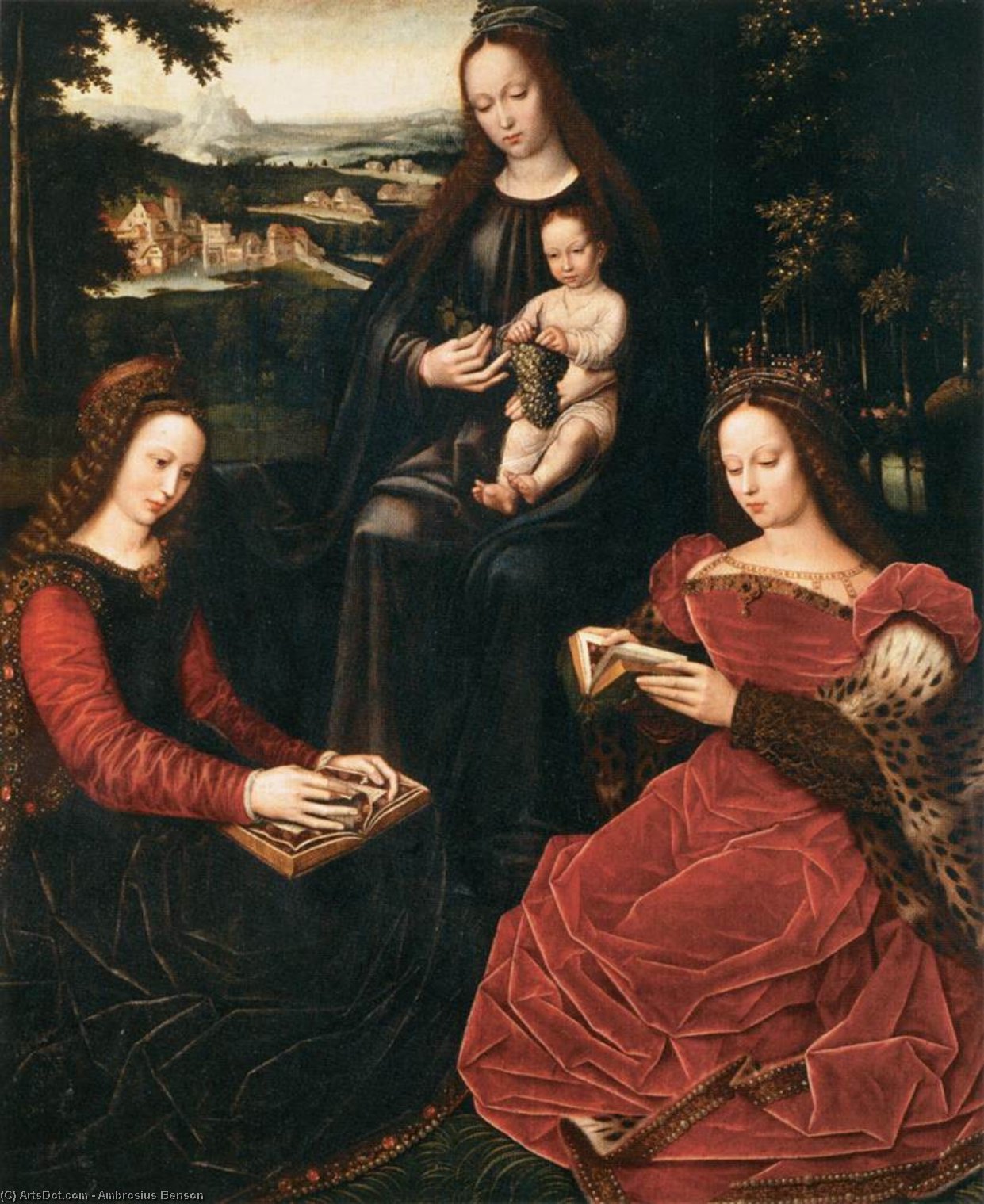
Virgin and Child with Saints
 Oil On Canvas
- WallArt
- Northern Renaissance
 1530
1530 133.0 x 108.0 cm
 The Louvre
 Read More
Hand Made Oil Reproduction
Hand-painted oil on canvas in your size and frame, made to order by our artists. ( Buy Print Buy Image)




P118B $10

P118H $10

P118W $10

P438Z $10

P508JH $12

P508YH $12

P805H $10

P805Z $10

P919BZ $10

P919G $10

P919XJ $10

P959ZH $10

P968JZ $12

W106C $8

W218G $10

W218JH $8

W218Y $10

W307PJ $10

W316G $10

W316PJ $8

W316Y $10

W398PJ $8

W4111J $10

W500HY $15

W500JH $15

W692G $12

W849H $8

W940BG $15

W953PJ $8




Pick from our preset sizes that match the artwork's original proportions.

You may enter your own dimensions to fit a specific frame or space. If your selected size does not match the original image's proportions, we will either crop the artwork or extend the painting with additional hand-painted elements. A digital mockup will be sent for your approval before production begins.
Please note that the on-screen preview does not reflect the actual cropping or extension. Only the mockup will accurately show the final composition.
While custom sizes are available, we recommend selecting a dimension from the predefined list to preserve the original proportions.
After order, ArtsDot.com team will email client for instructions and provide a mockup preview
Worldwide Delivery () in 3/4 weeks instead of standard 5 weeks. (17 August). No compromise on quality.

Free Worldwide Express Shipping

High-Quality Linen Canvas

Full Shipping Insurance

Customs Tax Refund Guarantee

True Color Matching Guarantee

60-Day Return Policy (Defects Only)

100% Money-Back Guarantee

Bulk Discount Offer
 Glass option is only available in size under 110 CM

Virgin and Child with Saints
Reproduction Medium
Reproduction Size
-


Total Price
$ 263
Artwork Description
The Silent Wisdom: Ambrosius Benson’s “Virgin and Child with Saint Anne”
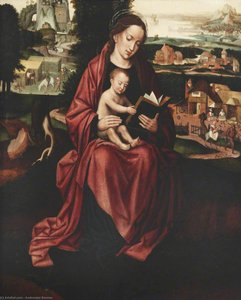
Ambrosius Benson's "Virgin and Child with Saint Anne," painted around 1527, isn’t merely a devotional image; it’s a profound meditation on lineage, faith, and the quiet dignity of motherhood. Emerging from the vibrant artistic crucible of Northern Renaissance Flanders, Benson masterfully blends the meticulous detail characteristic of his Flemish training with a distinctly Italianate sensibility – a testament to the cross-pollination of ideas during this transformative era. The painting captures a serene moment within the sacred family, radiating an atmosphere of gentle reverence and timeless grace.
At first glance, the composition presents a familiar tableau: Mary, youthful and radiant, cradles the infant Jesus, while her mother, Saint Anne, sits beside them, offering a symbolic apple – a potent emblem of both temptation and redemption. Yet, Benson elevates this traditional scene through his masterful execution. The figures aren’t simply depicted; they are imbued with a palpable sense of presence, their gazes meeting in a silent exchange of love and wisdom. Notice the delicate rendering of Mary's face, capturing an expression of serene contemplation, while Saint Anne’s posture exudes both maternal warmth and a quiet authority.
A Flemish Echo in Lombardy
Born Ambrogio Benzone around 1495 in Ferrera (modern Brescia), Italy, Ambrosius Benson’s journey exemplifies the artistic migrations of the Renaissance. He initially honed his skills under the tutelage of Gerard David in Bruges, absorbing the meticulous realism and rich color palettes that defined the Flemish school. However, Benson quickly established his own distinctive style, incorporating elements of Italianate elegance and a heightened sense of emotional depth. His work reflects a deep understanding of both Flemish technique and Italian humanist ideals.
Benson’s biography remains somewhat shrouded in mystery – records are scarce, yet his prolific output speaks volumes about his success. He was not just a painter; he held positions of leadership within the Bruges guild of painters, demonstrating his influence and standing within the artistic community. His paintings were highly sought after throughout Europe, particularly in Spain, where they became immensely popular during the 16th century – earning him the moniker “Master of Segovia.” This widespread acclaim underscores the enduring appeal of his work and its ability to resonate with audiences across cultures.
Symbolism Woven into the Fabric
Beyond the immediate depiction of the Holy Family, "Virgin and Child with Saint Anne" is rich in symbolic meaning. The apple offered by Saint Anne represents the story of Adam and Eve, a reminder of humanity’s fallen state and the promise of redemption through Christ. The presence of the lamb – a recurring motif in Christian art – symbolizes Jesus as the sacrificial Lamb of God. Furthermore, the background landscape, subtly rendered with trees and distant hills, creates a sense of depth and perspective, drawing the viewer into the scene.
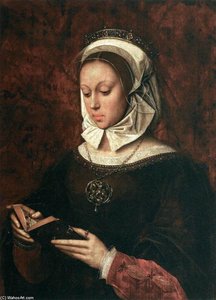
Interestingly, Benson’s work frequently featured women engaged in intellectual pursuits—reading books or studying manuscripts—a relatively uncommon theme for religious paintings of the time. This detail suggests a broader engagement with humanist ideals and a celebration of female wisdom and learning. The inclusion of the angel drawing water from a fountain further reinforces this symbolism, representing the source of life and spiritual nourishment.
A Legacy of Grace: Reproduction & Inspiration
Reproductions of Ambrosius Benson’s “Virgin and Child with Saint Anne” offer a remarkable opportunity to bring this timeless masterpiece into your home or studio. The painting's serene composition, exquisite detail, and profound symbolism make it an ideal choice for creating a contemplative atmosphere—whether adorning a prayer room, a study, or a personal sanctuary. The rich colors and masterful brushwork of the original are faithfully captured in high-quality reproductions, allowing you to experience the beauty and emotional depth of Benson’s work firsthand.
Consider this artwork not just as a decorative object, but as a window into the heart of the Renaissance—a testament to the enduring power of faith, family, and artistic genius. It's an invitation to pause, reflect, and connect with the timeless wisdom embodied within its silent grace.
Related Artworks

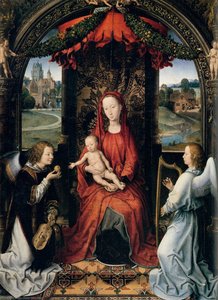
Artist Biography
Ambrosius Benson: A Flemish Echo in Lombardy’s Renaissance
Ambrosius Benson, born Ambrogio Benzone around 1484 in Ferrera (modern Brescia), Italy, stands as a fascinating figure within the burgeoning Northern Renaissance. Despite leaving scant biographical traces—records offer little beyond his birthplace and approximate date of birth—scholars recognize him unequivocally as a painter deeply rooted in the Flemish tradition, albeit originating from Lombardy. This paradoxical blend of influences speaks volumes about the interconnected artistic landscape of the era and cemented his place as one of the most prolific and influential artists of his time.- Early Life & Apprenticeship: Little is known definitively about Benson’s formative years, but he honed his craft under the tutelage of Gerard David in Bruges circa 1515. This pivotal apprenticeship instilled within him the stylistic hallmarks of the Flemish school—a meticulous attention to detail, a masterful use of oil paint, and an embrace of naturalism—characteristics that would permeate his subsequent oeuvre.
- Bruges & Guild Membership: Recognizing Bruges as a hub for artistic innovation and patronage, Benson established himself there permanently. He secured citizenship and ascended through the ranks of the guild of painters and saddle makers, demonstrating not only artistic talent but also civic engagement. His roles as Dean and Governor underscored his leadership within the community and solidified his reputation as a respected figure.
A Painter’s Journey: From Journeyman to Master
Before achieving mastery, Benson embarked on a traditional journeyman’s path—a common practice for aspiring artists during the Renaissance—allowing him to broaden his artistic horizons and absorb diverse influences. This period fostered experimentation with techniques and styles, preparing him for the responsibilities of directing his own workshop and producing works destined for international acclaim. His marriage to Anna Ghyselin brought stability to his life, resulting in two sons who followed in his footsteps as painters—Jan and Willem—further enriching the artistic heritage of Bruges.Style & Technique: Classical Influences & Flemish Mastery
Benson’s artistic style exemplifies a harmonious fusion of Lombardy’s humanist sensibilities with the refined aesthetics of Flanders. He skillfully incorporated classical motifs into his paintings, often depicting figures in contemporary domestic settings or reimagining mythological narratives within modern dress—a technique that distinguished him from many of his contemporaries. His meticulous brushwork and masterful use of chiaroscuro—the dramatic interplay of light and shadow—were hallmarks of the Flemish tradition, mirroring David’s influence and elevating his compositions to levels of artistic sophistication.Notable Works & Legacy: The Magdalene Cycle & Beyond
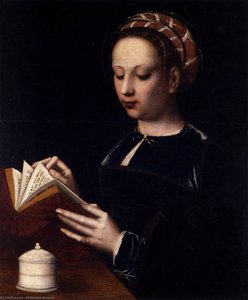
Benson achieved considerable renown during his lifetime thanks to commissions from wealthy patrons across Europe, particularly in Spain. However, it is perhaps his reproductions of the Magdalene—particularly variations inspired by Gerard David—that secured his enduring fame. These paintings captivated audiences and served as models for subsequent artists, establishing Benson as a cornerstone of the “Benson School.” His prolific output ensured that he would be remembered as one of the most important painters of the sixteenth century, leaving behind a legacy characterized by artistic excellence and an indelible mark on Flemish art history.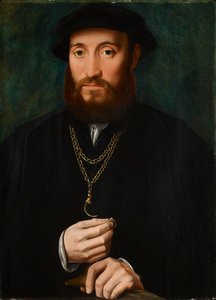
Ambrosius Benson
1497 - 1550 , Italy
Quick Facts
- Artistic Movement Or Style: Flemish School
- Artists Or Movements Influenced By This Artist: ['Followers of Benson']
- Artists Who Influenced This Artist: ['Gerard David']
- Date Of Birth: ca. 1484
- Date Of Death: 1550
- Full Name: Ambrosius Benson
- Nationality: Italian
- Notable Artworks:
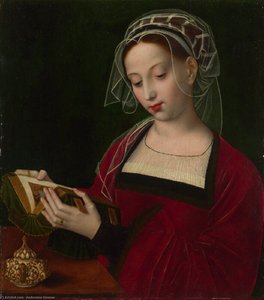
- The Magdalen Reading
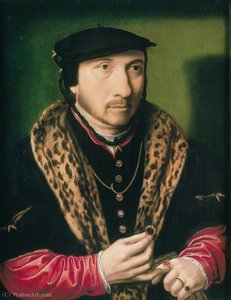
- Portrait of an Unknown Gentleman
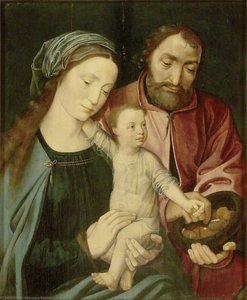
- The Holy Family
- Place Of Birth: Ferrera, Italy
Related Articles

Frank Weston Benson: Capturing American Luminism & the Essence of Wildlife Painting
Explore the captivating art of Frank Weston Benson, a leading American Impressionist renowned for his luminous landscapes, wildlife paintings & masterful portraits. Discover his legacy and find museum-quality reproductions at ArtsDot.
Fra Angelico's Masterpieces: 25 Renaissance Paintings for Your Home | ArtsDot
Explore 25 breathtaking masterpieces by Fra Angelico, a Renaissance master. Discover the stories behind his iconic frescoes, Annunciations & religious art. Find museum-quality reproductions and elevate your home decor with ArtsDot.com.
Uffizi's 25 Masterpieces: Renaissance Art & Timeless Decor Inspiration
Journey through the Uffizi Gallery's 25 most iconic Renaissance artworks! Explore Botticelli, Leonardo da Vinci & Michelangelo’s masterpieces. Find museum-quality art reproductions and curated decor ideas to bring timeless Italian beauty into your home. Discover all masterpieces on ArtsDot.com

Leonardo da Vinci's Masterpieces: Explore 25 Iconic Artworks for Your Home | ArtsDot
Journey through Leonardo da Vinci's genius with our curated selection of 25 iconic artworks. Explore the stories behind Mona Lisa, The Last Supper & more Renaissance masterpieces. Find museum-quality art reproductions for your home at ArtsDot.com.
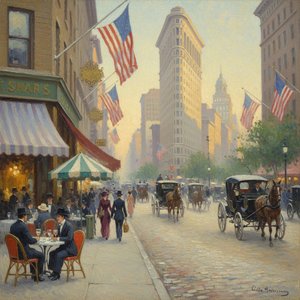
Frederick Childe Hassam: American Impressionism's Chronicler of Light & Modern Life
Explore the captivating world of Frederick Childe Hassam, a pioneer of American Impressionism. Discover his iconic paintings capturing light, urban life & coastal beauty. Learn about his legacy and influence on American art history.