 Preview
 Send
Send Share
Share
 Details

 Download
 Similars
 X-Ray
X-Ray Diaporama
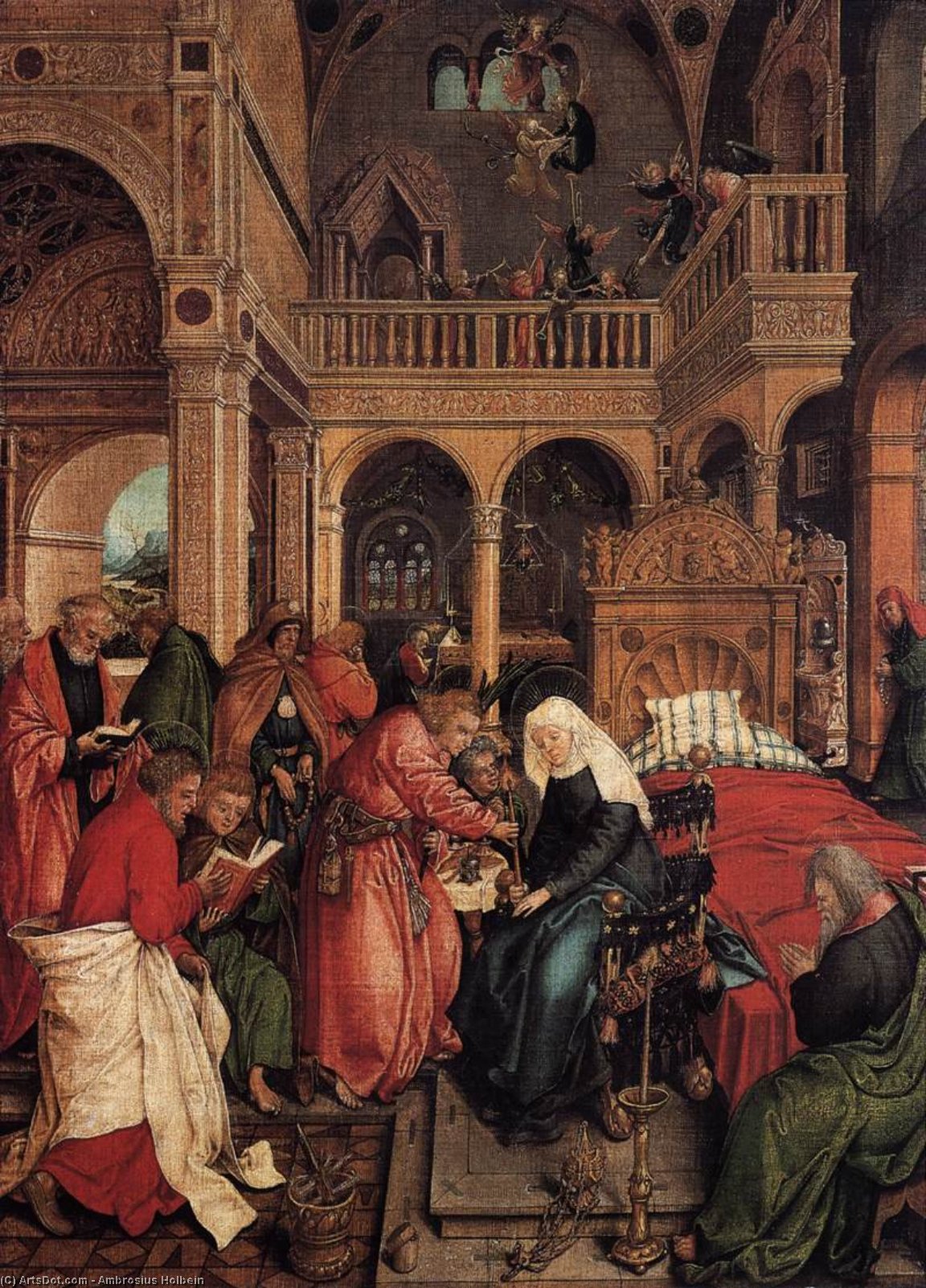
Death of the Virgin
 Oil On Canvas
- WallArt
 1518
1518- Renaissance
 66.0 x 49.0 cm
 Academy of Fine Arts Vienna
 Read More
Giclée / Art Print
Museum-quality giclée or canvas print with fast production and flexible finish options. ( Buy Hand Made Painting Buy Image)




P118B $10

P118H $10

P118W $10

P438Z $10

P508JH $12

P508YH $12

P805H $10

P805Z $10

P919BZ $10

P919G $10

P919XJ $10

P959ZH $10

P968JZ $12

W106C $8

W218G $10

W218JH $8

W218Y $10

W307PJ $10

W316G $10

W316PJ $8

W316Y $10

W398PJ $8

W4111J $10

W500HY $15

W500JH $15

W692G $12

W849H $8

W940BG $15

W953PJ $8




Pick from our preset sizes that match the artwork's original proportions.

You may enter your own dimensions to fit a specific frame or space. If your selected size does not match the original image's proportions, we will either crop the artwork or extend the image with a mirrored or solid-fill edge. A digital mockup will be sent for your approval before production begins.
Please note that the on-screen preview does not reflect the actual cropping or extension. Only the mockup will accurately show the final composition.
While custom sizes are available, we recommend selecting a dimension from the predefined list to preserve the original proportions.
Worldwide Delivery () in 2 weeks instead of standard 4/5 weeks. (24 August)

Free Worldwide Express Shipping

High-Quality Linen Canvas

Full Shipping Insurance

Customs Tax Refund Guarantee

True Color Matching Guarantee

60-Day Return Policy (Defects Only)

100% Money-Back Guarantee

Bulk Discount Offer
 Glass option is only available in size under 110 CM

Death of the Virgin
Giclée / Art Print
Reproduction Size
-


Total Price
$ 63
Collectible Description
A Moment of Sacred Transition: The Death of the Virgin
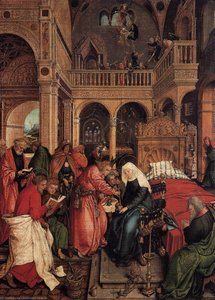
To gaze upon this depiction of the Death of the Virgin is to step across the threshold into a moment suspended between earthly life and eternal grace. Painted in 1518 by Ambrosius Holbein, this work captures not merely an ending, but a profound transition—a sacred repose attended by devotion. The composition centers around the figure of the Virgin Mary, laid out upon her bed, embodying a quiet dignity even as she succumbs to death. Around her, life gathers in hushed reverence; figures cluster close, their gestures speaking volumes of grief, piety, and enduring love. The room itself feels intimate yet monumental, suggesting that this private sorrow is witnessed by the divine.
Mastery of Renaissance Detail and Atmosphere
Ambrosius Holbein, steeped in the rich artistic currents of Augsburg, brings to life a scene brimming with meticulous detail characteristic of the early German Renaissance. His technique allows for an astonishing verisimilitude; one can almost sense the texture of the linens upon the bed or the weight of the gathered silks worn by the mourners. Notice the careful placement of objects: the book resting on the background table, perhaps containing scripture or devotional texts, anchors the scene in spiritual contemplation. The inclusion of a chair near the right side adds a touch of domestic reality to this otherwise ethereal event. Holbein masterfully balances the grandeur expected of religious altarpieces with an almost palpable sense of human immediacy.
Symbolism and Spiritual Resonance
The symbolism woven throughout this panel is deeply resonant for the art lover. The Virgin’s passing is traditionally viewed not as a loss, but as a glorious passage to heaven. Every attendant figure represents a facet of devotion—the scholarly contemplation suggested by the book, the physical presence of support, and the quiet acceptance embodied in their postures. These elements invite the viewer into a meditation on mortality itself. For those who appreciate art for its spiritual depth, this piece serves as a powerful visual sermon, reminding us that even endings are imbued with profound meaning and promise.
A Timeless Piece for Contemplative Spaces
Whether adorning a grand hall or serving as the focal point of a richly decorated private chapel, a reproduction of this work brings an immediate sense of historical gravitas and spiritual calm. The palette, characteristic of the period, speaks to deep jewel tones softened by the muted light filtering into the room. Owning such a piece is not merely acquiring decoration; it is curating an atmosphere of thoughtful reflection. It invites conversation among connoisseurs, drawing attention to the exquisite craftsmanship that bridged the gap between the Gothic past and the burgeoning Renaissance spirit.
Related Artworks

Artist Biography
A Glimpse into a Renaissance Life Cut Short: Ambrosius Holbein
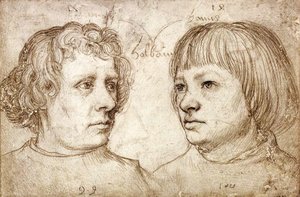
Born in the vibrant artistic hub of Augsburg, Germany, in 1494, Ambrosius Holbein emerged from a family already steeped in creative legacy. His father, Hans Holbein the Elder, was a pivotal figure transitioning German art from the intricate detail of the Gothic period towards the burgeoning Renaissance ideals sweeping across Europe. This familial environment wasn’t merely one of proximity to artistry; it was an immersive training ground where young Ambrosius, alongside his younger brother—the more renowned Hans Holbein the Younger—absorbed not only painting techniques but also the skills of goldsmithing, jewelry making, and printmaking. The workshop resonated with a collaborative spirit, evidenced by their inclusion in a panel of their father’s 1504 altar-piece triptych, “The Basilica of St. Paul,” a testament to the Holbein family's unified artistic vision. Augsburg itself provided fertile ground for development; a thriving center of commerce and culture, it exposed Ambrosius to diverse influences that would shape his early style.Basel and Artistic Flourishing
Around 1515, Ambrosius’s path led him to Stein am Rhein in Switzerland, where he collaborated with Thomas Schmid on murals within the St. George Monastery. This project showcased his aptitude for large-scale decorative painting, a skill honed through years of familial instruction. However, it was Basel that truly became the center of his artistic activity. Arriving around 1516, he initially worked as a journeyman in the studio of Hans Herbster, immersing himself further into the local art scene. His dedication and talent quickly earned him recognition; by 1517, Ambrosius was enrolled in the register of the Basel painters' guild, solidifying his position within the artistic community. A year later, in 1518, he achieved citizenship in Basel, a testament to his integration into the city’s social and professional life. This period marked a significant blossoming of his individual style, moving beyond familial influence towards a unique voice characterized by delicate realism and sensitive portraiture.A Legacy in Paint: Notable Works and Artistic Style
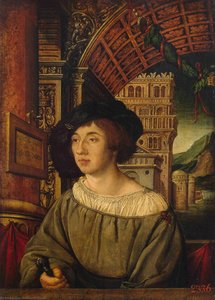
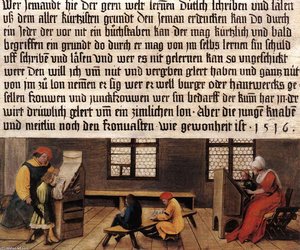
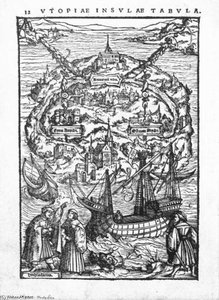
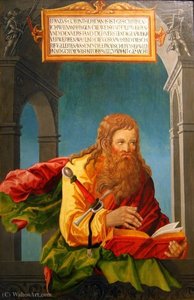
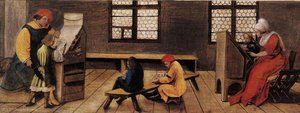
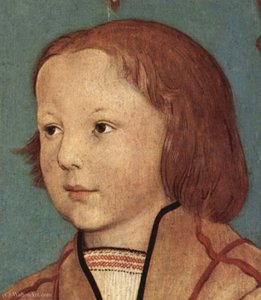
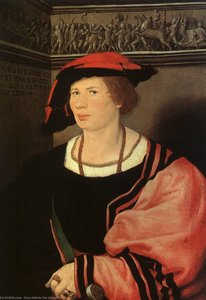
Though his career was tragically brief, Ambrosius Holbein left behind a body of work that reveals a masterful talent poised for even greater achievements. Among his most celebrated paintings are the companion pieces, “Portrait of a Boy with Blond Hair” and “Portrait of a Boy with Brown Hair,” both housed in the Basel Kunstmuseum. These portraits exemplify his skill in capturing not merely likeness but also the individual character and inner life of his subjects. Beyond portraiture, Ambrosius explored religious themes with works like "Death of the Virgin", demonstrating a command of composition and narrative storytelling. He was also recognized as an important illustrator, creating “small format” artworks that reveal a meticulous attention to detail and a refined aesthetic sensibility. His style reflects the growing influence of Renaissance ideals in Northern Europe—a focus on realism, detailed observation, and a burgeoning humanism. He skillfully blended these influences with the existing traditions of German painting, resulting in works that are both innovative and deeply rooted in his artistic heritage. "The Island of Utopia" and “Signboard for a Schoolmaster” further demonstrate this range, showcasing his versatility across different genres and formats.A Pivotal Figure: Historical Significance and Lasting Influence
Sadly, Ambrosius Holbein’s promising career was cut short by his death around 1519, at the young age of approximately twenty-five. This untimely passing left behind a relatively small but remarkably significant body of work. Despite its brevity, his artistic contribution played an important role in the transition from Gothic to Renaissance art not only in Basel but also beyond. He served as a crucial link between the older traditions and the new aesthetic sensibilities that were transforming European art. Perhaps most importantly, his contributions likely influenced the development of his younger brother, Hans Holbein the Younger, who would go on to become one of the most celebrated portrait painters of the Renaissance. Ambrosius’s legacy extends beyond his individual paintings; he is remembered as a key figure among Basel’s illustrators and artists specializing in “small format” works—a testament to his skill, innovation, and enduring impact on the artistic landscape of his time. His work continues to offer a fascinating glimpse into a pivotal moment in art history, revealing the talent and potential of an artist whose life was tragically cut short.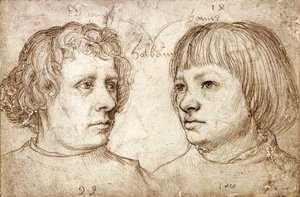
Ambrosius Holbein
1494 - 1519 , Germany
Quick Facts
- Artistic Movement Or Style: Renaissance
- Artists Or Movements Influenced By This Artist: ['Hans Holbein the Younger']
- Artists Who Influenced This Artist: ['Hans Holbein the Elder']
- Date Of Birth: 1494
- Date Of Death: c. 1519
- Full Name: Ambrosius Holbein
- Nationality: German
- Notable Artworks:
- Portrait of a Boy with Blond Hair
- Portrait of a Boy with Brown Hair
- The Island of Utopia
- Death of the Virgin
- Signboard for a Schoolmaster
- Place Of Birth: Augsburg, Germany
Related Articles

Giclée Prints: Archival Quality & Aesthetic Nuances for the Discerning Collector
Explore the world of giclée prints with ArtsDot. Learn about archival quality, aesthetic nuances & investment potential. Expert guidance for discerning art collectors seeking museum-quality reproductions and lasting value.

The Enduring Legacy of Fine Art Prints: Technique, History & Aesthetic Impact
Explore the rich history & techniques of fine art prints. Discover investment potential, assess authenticity, and learn how to preserve your collection with expert guidance. Trusted insights for discerning collectors.

Echoes of Time: Exploring the Enduring Appeal & Historical Context of Vintage Art Prints
Explore the captivating world of vintage art prints! Discover their history, collecting tips & enduring appeal. Expert insights on chromolithography and building a legacy collection with ArtsDot.
Northern Renaissance Masters: 10 Artworks That Shaped History |
Journey through the Northern Renaissance! Explore 10 iconic paintings by Jan van Eyck, Dürer & Bosch. Discover their stories, techniques & lasting impact. Find museum-quality art reproductions & elevate your home decor on .
The Northern Renaissance: A Flourishing of Realism, Religious Reform & Artistic Innovation
Explore the Northern Renaissance! Discover Jan van Eyck's innovations, religious shifts, & key artists of this influential period. Expert analysis and insights into Early Netherlandish painting at ArtsDot.