 Preview
 Send
Send Share
Share
 Details

 Download
 Similars
 X-Ray
X-Ray Diaporama
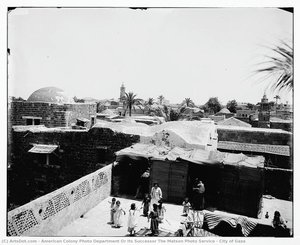
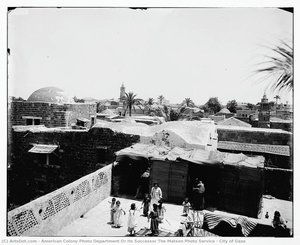
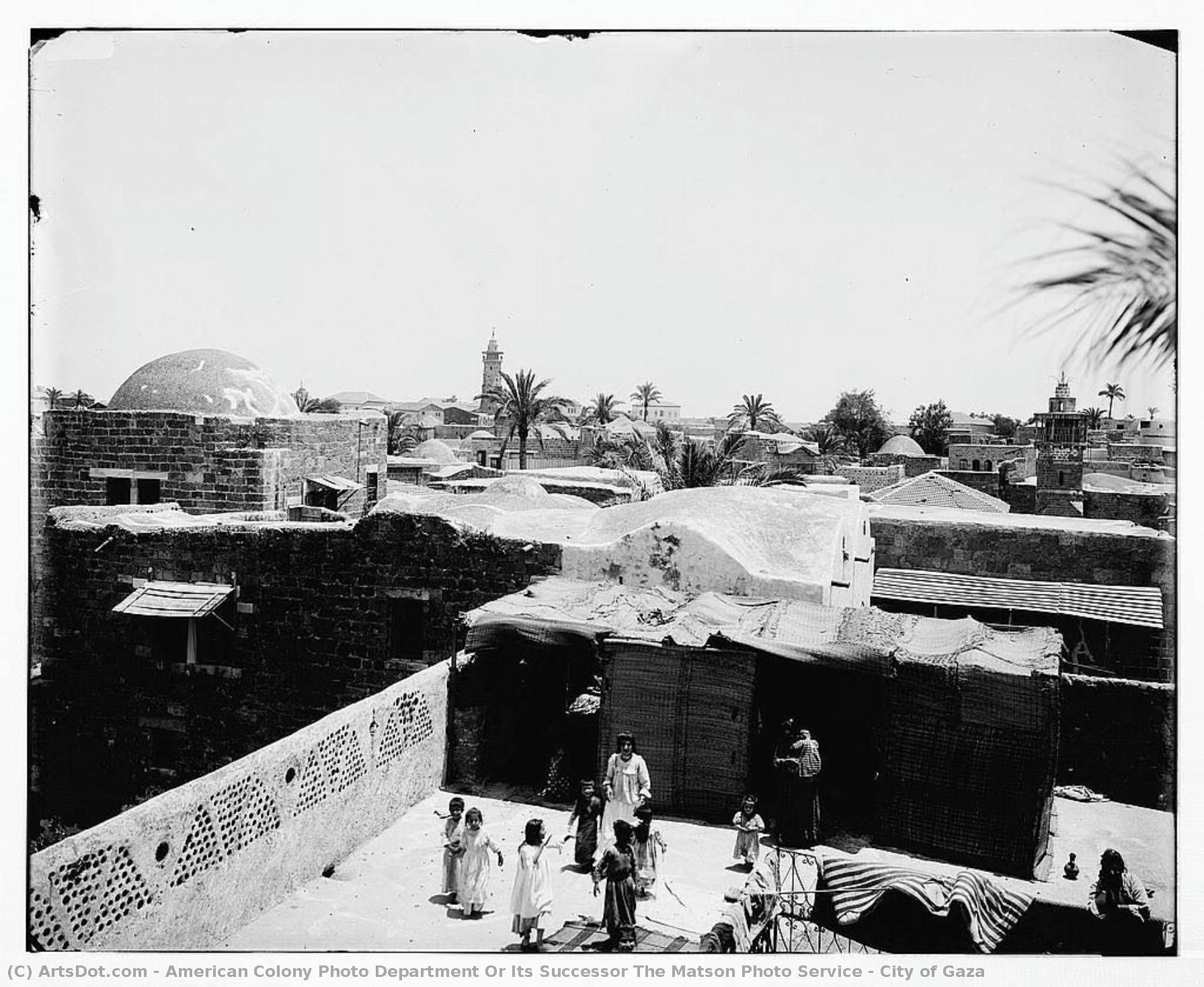
City of Gaza


 Read More
Giclée / Art Print
Museum-quality giclée or canvas print with fast production and flexible finish options. ( Buy Hand Made Painting Buy Image)




































Pick from our preset sizes that match the artwork's original proportions.

You may enter your own dimensions to fit a specific frame or space. If your selected size does not match the original image's proportions, we will either crop the artwork or extend the image with a mirrored or solid-fill edge. A digital mockup will be sent for your approval before production begins.
Please note that the on-screen preview does not reflect the actual cropping or extension. Only the mockup will accurately show the final composition.
While custom sizes are available, we recommend selecting a dimension from the predefined list to preserve the original proportions.
Worldwide Delivery () in 2 weeks instead of standard 4/5 weeks. (7 September)

Free Worldwide Express Shipping

High-Quality Linen Canvas

Full Shipping Insurance

Customs Tax Refund Guarantee

True Color Matching Guarantee

100-Day Return Policy (Defects Only)

100% Money-Back Guarantee

Bulk Discount Offer
 Glass option is only available in size under 110 CM

City of Gaza
Giclée / Art Print
Reproduction Size
-


Total Price
$ 63
Related Artworks





Artist Biography
A Visual Legacy of the Levant
The history of the Middle East is etched into the silver gelatin and glass negatives of a photographic lineage that transcends mere documentation, becoming instead a profound artistic testament to a vanishing era. The American Colony Photo Department, and its illustrious successor, the Matson Photo Service, emerged not merely as a commercial enterprise but as a window into the soul of a region in transition. Born from the utopian spirit of the American Colony in Jerusalem—a community established by religious pilgrims from the United States and Sweden—this photographic endeavor was deeply intertwined with the philanthropic and cultural fabric of Palestine, Jordan, Lebanon, Syria, Iraq, Egypt, and Turkey.
To look upon these works is to witness a delicate dance between light and history. The photographers, most notably G. Eric Matson and his wife Edith, possessed an uncanny ability to capture the ephemeral beauty of landscapes and the dignified resilience of people. Their lens did not merely record faces and architecture; it captured the very atmosphere of the Levant at the turn of the century. Through their eyes, we see the bustling streets of Jerusalem, the quiet majesty of ancient ruins, and the intimate daily rituals of communities that would soon be forever altered by the tides of political upheaval and modern conflict.
The Artistry of the Matson Archive
The technical mastery displayed within the Matson Photo Service collection is nothing short of extraordinary. Spanning a vast period from the late nineteenth century through the mid-twentieth century, the archive contains over 23,000 negatives, transparencies, and prints that serve as a cornerstone of Middle Eastern visual history. The development of their work was characterized by a meticulous attention to detail, utilizing various formats including glass plate negatives that allowed for an incredible depth of clarity and tonal range.
The influence of the American Colony’s unique philosophy—one of coexistence and charitable service—is palpable in the composition of their images. There is a profound respect for the subject matter, an absence of the colonial gaze that often plagued contemporary photography. Instead, the work feels deeply embedded in the local landscape. The artistry lies in the following elements:
- Compositional Harmony: A seamless integration of human figures within their natural and architectural environments.
- Luminous Detail: An exquisite use of light that brings texture to stone, fabric, and skin.
- Historical Continuity: The ability to document the evolution of cities like Gaza and Jerusalem through a consistent, empathetic perspective.
A Monumental Historical Significance
The enduring importance of this photographic body of work cannot be overstated. As much as it is an artistic achievement, it serves as an irreplaceable primary source for historians, archaeologists, and anthropologists. The collection, much of which was gifted to the Library of Congress, provides a visual bridge to a period of immense cultural complexity. It captures the nuances of life in Palestine (encompassing present-day Israel, the West Bank, and the Gaza Strip) during the years leading up to and following the transformative shifts of the early 20th century.
The legacy of the American Colony Photo Department lives on through the preservation of these moments. Each photograph is a fragment of a larger mosaic, offering a way to revisit the textures of history with stunning accuracy. In an age of fleeting digital imagery, the work of the Matson archive stands as a permanent, tactile connection to the past, ensuring that the faces, places, and stories of the Levant remain vibrantly alive in our collective memory.