

 Preview
 Send
Send Share
Share
 Details

 Download
 Similars
 X-Ray
X-Ray Diaporama
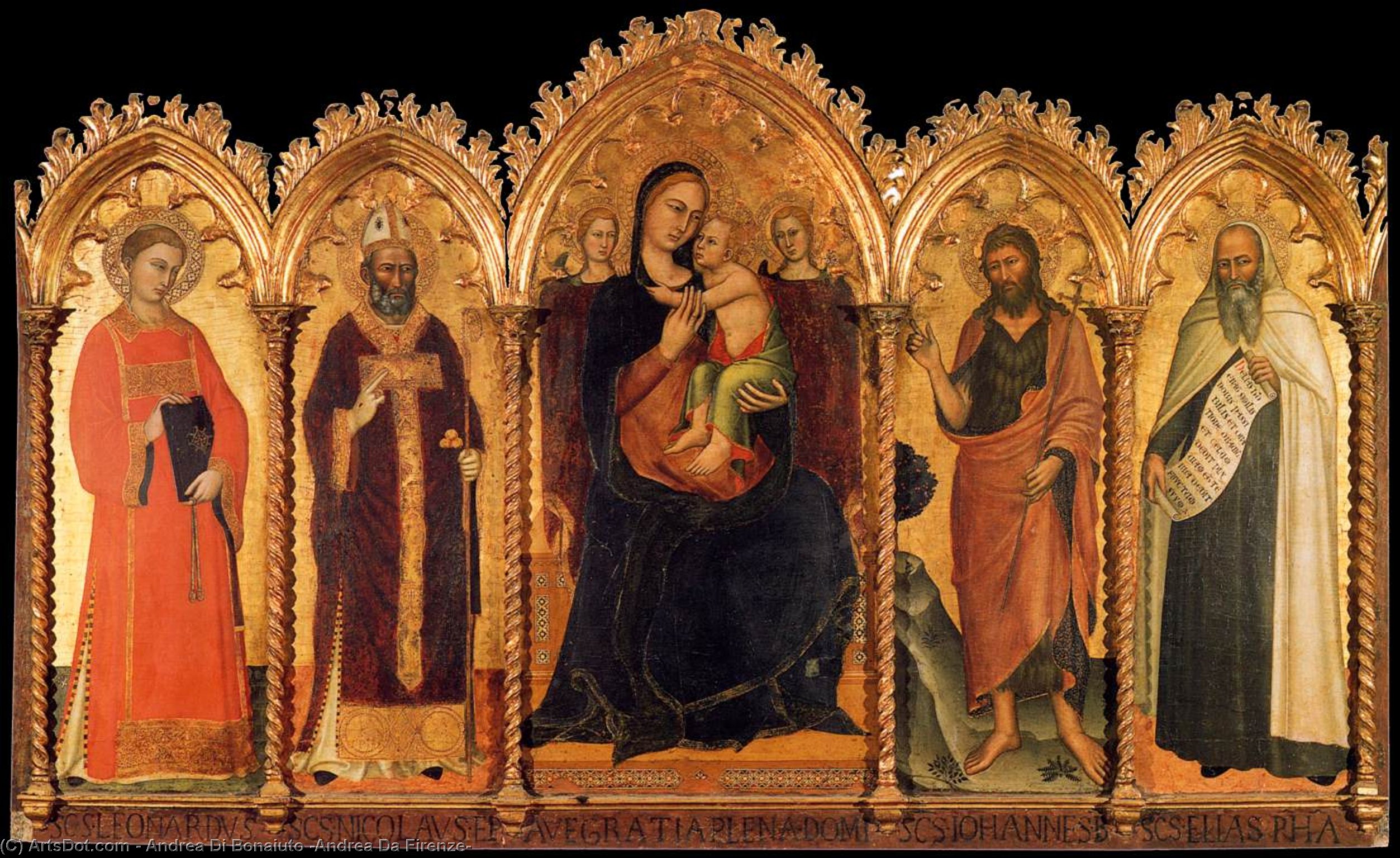
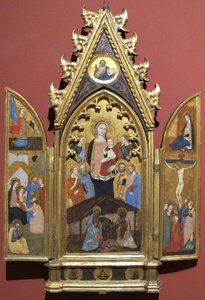
Madonna And Child With Saints
 Read More
Purchase a high-resolution, enhanced digital image, far superior to the online preview.
Each file is meticulously prepared by our in-house specialists using advanced tools and expert manual retouching. We ensure every image has exceptional clarity, precise color accuracy, and fine detail.
The final file is delivered via email within 72 hours, optimized for immediate use in professional, editorial, and print environments. This is the same quality trusted by top-tier design studios, publishers, and galleries.
Digital Image
Download a high-resolution file for personal display, printing, and creative projects. ( Buy Print Buy Hand Made Painting)
Included in Every Digital Image Order
Expert Digital Delivery, Guaranteed
When you choose ArtsDot.com, you're not just getting an image - you're receiving a professionally enhanced digital artwork, crafted with precision and backed by a satisfaction guarantee. Here's everything that comes with your order, automatically:

Fast Email Delivery
Your high-resolution digital image file will be emailed to you within 72 hours of ordering - ready for immediate use.

AI-Enhanced Digital File
Your artwork is professionally optimized using advanced AI tools and manual editing, ensuring maximum detail, clarity, and color accuracy.

Free Lifetime Re-Delivery
Accidentally deleted or lost your file? No worries - we'll resend it to you anytime, free of charge.

No Import Fees - Ever
Enjoy your artwork instantly with zero customs, duties, or delivery fees - digital downloads are always tax-free.

Color Accuracy Guarantee
We ensure your digital image reflects the original colors as closely as possible using professional tools and color management.

60-Day Satisfaction Guarantee
If you're not satisfied with your digital image, we'll revise it or refund 100% within 60 days - no questions asked.

100% Money-Back Guarantee
Not satisfied? Get a full refund within 60 days of receiving your digital file - no questions asked.

Bulk Order Discounts
Buy 3 images, save 10% - Buy 5, save 15% - Buy 10+, save 20%. Great for creative projects, galleries, and agencies.
Related Artworks
Artist Biography
Andrea Orcagna: A Florentine Master of the Thirteenth Century
The mid-fourteenth century in Florence witnessed a flowering of artistic talent, and among its most significant figures stood Andrea Orcagna – a painter, sculptor, architect, and administrator whose multifaceted career left an indelible mark on the city’s visual landscape. Born around 1308 in Florence and dying circa 1368, Orcagna wasn't merely a craftsman; he was a pivotal figure bridging the stylistic shifts between Giotto’s naturalism and the more formalized traditions of Byzantine art, shaping the trajectory of Florentine painting for decades to come.
Orcagna’s early life remains somewhat shrouded in mystery. He entered the Arte dei Medici e degli Speziali (the guild of physicians and pharmacists) around 1343–44, a common path for artists seeking professional recognition and access to commissions. This marked the beginning of his ascent within Florentine society, culminating in appointments as capomaestro – chief architect – of Florence Cathedral and later, at Or San Michele, a prestigious guildhall renowned for its elaborate decoration. His family background was equally noteworthy; he descended from a lineage of goldsmiths, a connection that undoubtedly informed his meticulous attention to detail and mastery of materials.
The Strozzi Chapel Altarpiece: A Revolutionary Departure
Orcagna’s most celebrated work, the altarpiece for the Strozzi Chapel in Santa Maria Novella, stands as a testament to his artistic vision. Completed around 1357, this polyptych represents a dramatic departure from the prevailing stylistic norms of the time. Unlike the increasingly stylized and distant figures favored by many contemporary artists, Orcagna’s figures possess a remarkable sense of volume and immediacy. He employed a technique that emphasized solidity and weight, creating an illusion of three-dimensionality rarely seen in Florentine painting at this period.
The composition is equally innovative. Orcagna eschewed the traditional hierarchical arrangement of religious scenes, opting instead for a more dynamic and theatrical presentation. The Virgin Mary, enthroned amidst her angels, dominates the central panel, while surrounding panels depict scenes from the life of Christ – the Nativity, Adoration of the Magi, Massacre of the Innocents, and the Resurrection. The use of rich colors—deep blues, vibrant reds, and shimmering gold—further enhances the altarpiece’s visual impact, creating a sense of opulence and grandeur. The influence of Giotto is undeniable, yet Orcagna transcends mere imitation, forging his own distinct style characterized by emotional intensity and dramatic narrative.
Sculptural Innovation at Or San Michele
Beyond painting, Orcagna made significant contributions to sculpture, most notably through his work on the tabernacle in Or San Michele. This monumental structure, completed around 1359, showcases Orcagna’s exceptional skill as an architect and sculptor. The tabernacle is a complex and richly ornamented space, featuring hexagonal reliefs depicting scenes from the life of the Virgin Mary. These reliefs are characterized by their dynamic composition, expressive figures, and meticulous attention to detail – hallmarks of Orcagna's artistic style.
The tabernacle’s design reflects Orcagna’s innovative approach to architectural decoration. He skillfully integrated sculpture, painting, and inlaid materials—including colored marble and precious metals—to create a cohesive and visually stunning whole. The work stands as a remarkable example of Florentine Gothic architecture and a testament to Orcagna's mastery of various artistic disciplines.
Legacy and Historical Significance
Andrea Orcagna’s legacy extends far beyond his individual works. He played a crucial role in shaping the development of Florentine painting and sculpture during a period of profound artistic transition. His innovative approach to figure representation, combined with his masterful use of color and composition, influenced generations of artists who followed. Orcagna's work exemplifies the dynamism and creativity that characterized Florence’s cultural landscape in the mid-fourteenth century.
Furthermore, Orcagna’s career highlights the interconnectedness of artistic professions in Renaissance Florence. His roles as a painter, sculptor, architect, and guild administrator demonstrate his versatility and influence within Florentine society. He remains an important figure in understanding the complex interplay between art, architecture, and civic life during this pivotal era.
andrea di bonaiuto (andrea da firenze)
1343 - 1379 , Italy
Quick Facts
- Artistic Movement Or Style: Tuscan painting
- Artists Or Movements Influenced By This Artist: ["Orcagna's style"]
- Artists Who Influenced This Artist: ['Giotto']
- Date Of Birth: c. 1308
- Date Of Death: c. 1368
- Full Name: Andrea Orcagna
- Nationality: Italian
- Notable Artworks:
- Triumph of Death
- St Matthew altarpiece
- Place Of Birth: Florence, Italy

