 Preview
 Send
Send Share
Share
 Details

 Download
 Similars
 X-Ray
X-Ray Diaporama
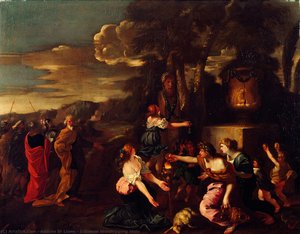
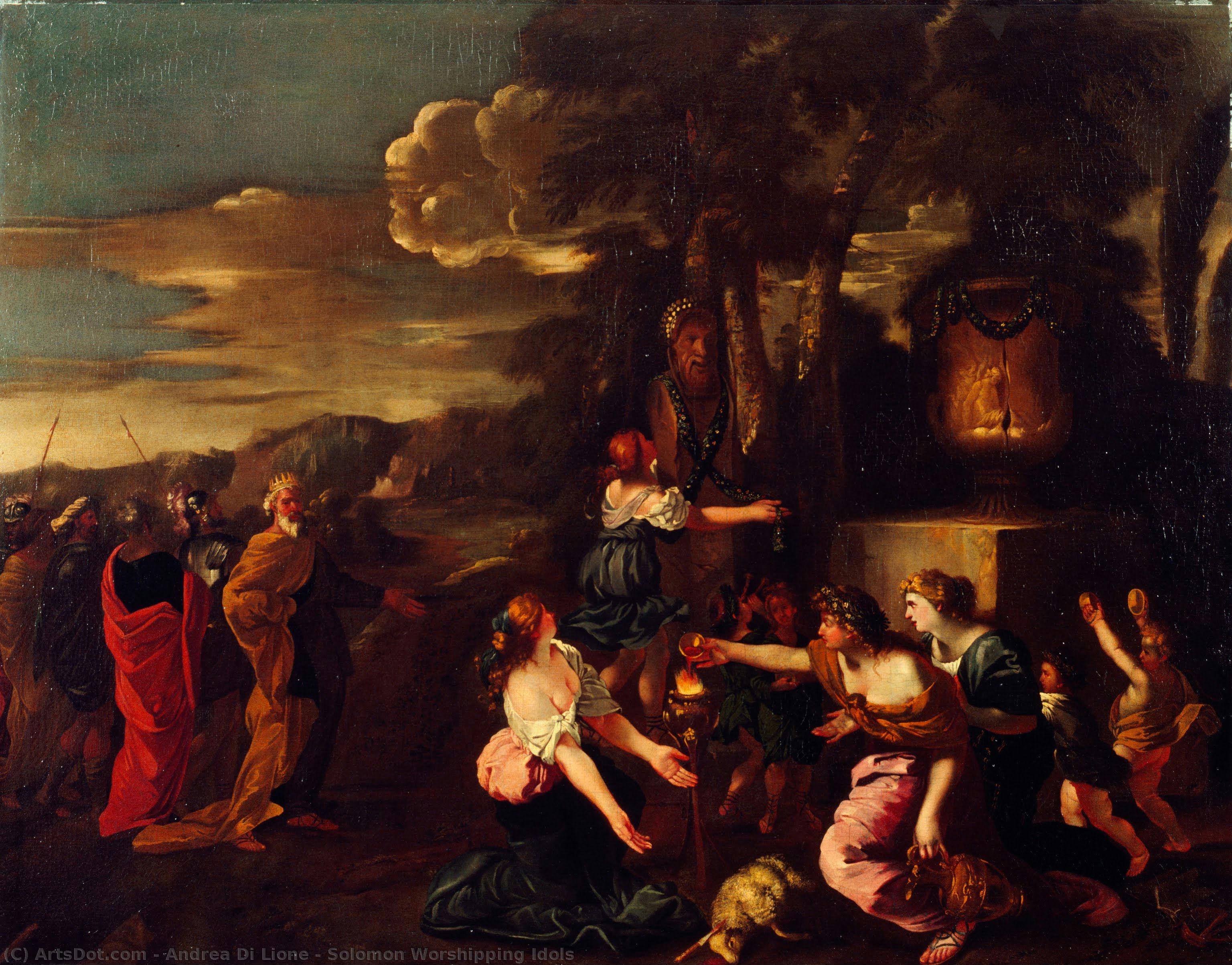
Solomon Worshipping Idols
 126.0 x 99.0 cm
 Fondazione Cariplo
 Read More
Hand Made Oil Reproduction
Hand-painted oil on canvas in your size and frame, made to order by our artists. ( Buy Print Buy Image)




































Pick from our preset sizes that match the artwork's original proportions.

You may enter your own dimensions to fit a specific frame or space. If your selected size does not match the original image's proportions, we will either crop the artwork or extend the painting with additional hand-painted elements. A digital mockup will be sent for your approval before production begins.
Please note that the on-screen preview does not reflect the actual cropping or extension. Only the mockup will accurately show the final composition.
While custom sizes are available, we recommend selecting a dimension from the predefined list to preserve the original proportions.
After order, ArtsDot.com team will email client for instructions and provide a mockup preview
Worldwide Delivery () in 3/4 weeks instead of standard 5 weeks. (24 August). No compromise on quality.

Free Worldwide Express Shipping

High-Quality Linen Canvas

Full Shipping Insurance

Customs Tax Refund Guarantee

True Color Matching Guarantee

60-Day Return Policy (Defects Only)

100% Money-Back Guarantee

Bulk Discount Offer
 Glass option is only available in size under 110 CM

Solomon Worshipping Idols
Reproduction Medium
Reproduction Size
-


Total Price
$ 263
Artwork Description
Related Artworks





Artist Biography
Andrea di Lione: A Baroque Master of Battle and Faith
Andrea di Leone (8 September 1610 – 12 February 1685) was an Italian painter of the Baroque period, active in his native city of Naples. He stands as a testament to the artistic fervor of the era, embodying the grandeur and drama characteristic of Venetian and Roman art while retaining a distinctly Neapolitan sensibility. His legacy rests primarily on monumental battle scenes depicting biblical narratives and historical conflicts—works that continue to captivate audiences with their meticulous detail and emotive power.Early Life and Training
Born in Naples around 1610, Andrea di Leone’s formative years were steeped in the artistic traditions of his time. He received instruction from Belisario Corenzio, a prominent Neapolitan painter known for his allegorical frescoes and portraits, and Salvator Rosa, whose landscapes infused with spiritual contemplation profoundly impacted Leone's aesthetic sensibilities. These mentors instilled in him a disciplined approach to art—a cornerstone of his subsequent artistic endeavors. Notably, he collaborated closely with Corenzio on frescos illustrating biblical battles for the palace of the Viceroy, marking an early demonstration of his talent and establishing connections within Naples’s influential artistic circles.The Influence of Falcone and Academic Training
Leone's artistic trajectory took a decisive turn when he joined Aniello Falcone’s studio, where he underwent rigorous academic training—a crucial step in mastering the techniques demanded by Baroque painting. Falcone championed a style characterized by idealized forms and dramatic chiaroscuro, influencing Leone to prioritize realism alongside expressive emotion. This stylistic convergence would become a hallmark of his oeuvre.Notable Works: Biblical Narratives and Venetian Style
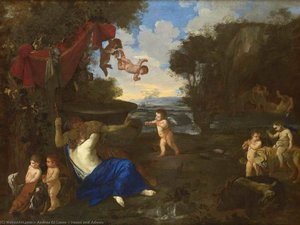
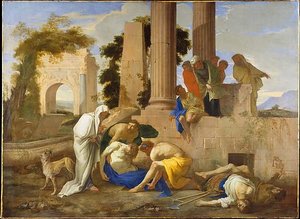
Leone’s artistic output is distinguished by its masterful execution of biblical narratives—particularly “Tobit Burying the Dead” and “Solomon Worshipping Idols”—which showcase his ability to convey profound spiritual themes through meticulously rendered figures and landscapes. His paintings frequently adopted a Venetian style, characterized by luminous colors and atmospheric perspective, reflecting the artistic currents circulating throughout Europe during his lifetime. The Cathedral of Naples houses several impressive canvases by Leone, demonstrating his commitment to religious art and cementing his reputation as one of Naples’s foremost painters. Similarly, “Venus and Adonis” exemplifies his skill in portraying mythological subjects with captivating dynamism and sensual beauty.Legacy and Historical Significance
Andrea di Lione's contribution to Baroque art extends beyond individual masterpieces; he helped shape the artistic landscape of Naples and influenced subsequent generations of artists. His battle scenes—particularly those adorning the palace of the Viceroy—became iconic representations of Venetian style, establishing a precedent for dramatic composition and emotive storytelling. He died in Naples in 1685, leaving behind an enduring legacy as a painter who skillfully blended technical virtuosity with spiritual contemplation—a testament to the artistic spirit of his era. His works continue to inspire admiration for their beauty and intellectual depth, securing his place among the most celebrated figures of Italian Baroque art.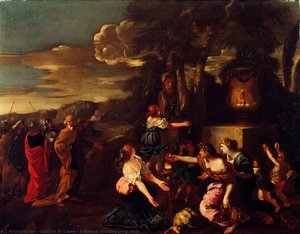
andrea di lione
1596 - 1675
Quick Facts
- Artistic Movement Or Style: Baroque
- Artists Or Movements Influenced By This Artist: ['Aniello Falcone']
- Artists Who Influenced This Artist:
- Belisario Corenzio
- Salvator Rosa
- Date Of Birth: September 8, 1610
- Date Of Death: February 12, 1685
- Full Name: Andrea di Leone
- Nationality: Italian
- Notable Artworks:
- Solomon Worshipping Idols
- Tobit Burying the Dead
- Venus and Adonis
- Place Of Birth: Naples, Italy