 Preview
 Send
Send Share
Share
 Details

 Download
 Similars
 X-Ray
X-Ray Diaporama
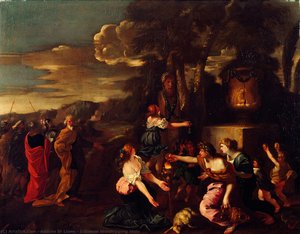
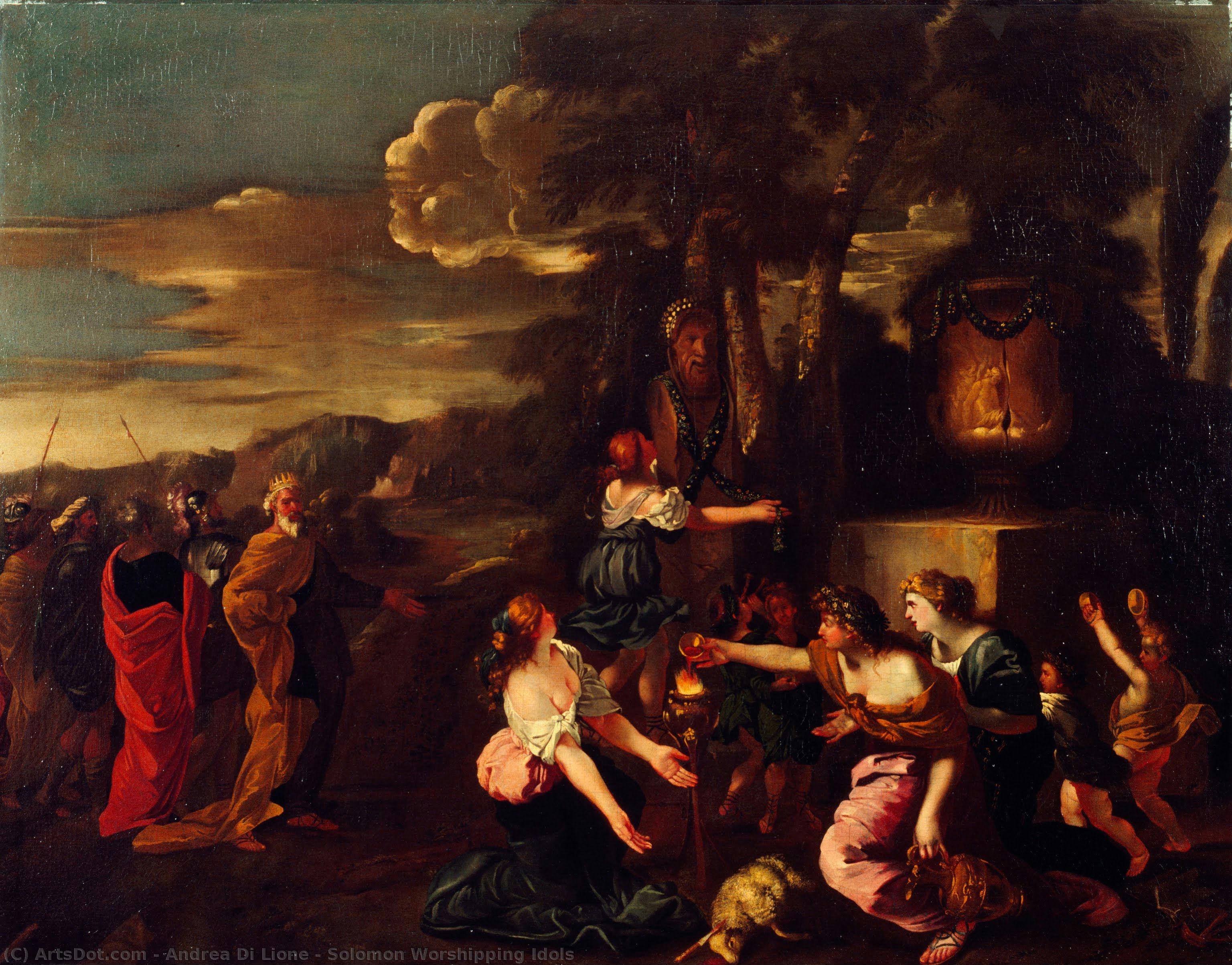
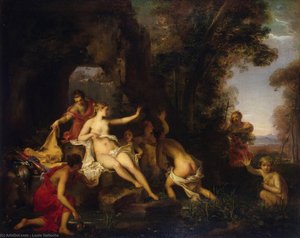
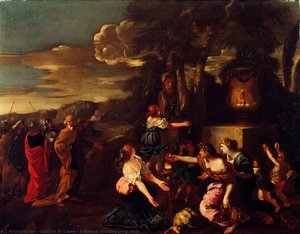
Solomon Worshipping Idols
 126.0 x 99.0 cm
 Fondazione Cariplo
 Read More
Hand Made Oil Reproduction
Hand-painted oil on canvas in your size and frame, made to order by our artists. ( Buy Print Buy Image)




































Pick from our preset sizes that match the artwork's original proportions.

You may enter your own dimensions to fit a specific frame or space. If your selected size does not match the original image's proportions, we will either crop the artwork or extend the painting with additional hand-painted elements. A digital mockup will be sent for your approval before production begins.
Please note that the on-screen preview does not reflect the actual cropping or extension. Only the mockup will accurately show the final composition.
While custom sizes are available, we recommend selecting a dimension from the predefined list to preserve the original proportions.
After order, ArtsDot.com team will email client for instructions and provide a mockup preview
Worldwide Delivery () in 3/4 weeks instead of standard 5 weeks. (28 August). No compromise on quality.

Free Worldwide Express Shipping

High-Quality Linen Canvas

Full Shipping Insurance

Customs Tax Refund Guarantee

True Color Matching Guarantee

60-Day Return Policy (Defects Only)

100% Money-Back Guarantee

Bulk Discount Offer
 Glass option is only available in size under 110 CM

Solomon Worshipping Idols
Reproduction Medium
Reproduction Size
-


Total Price
$ 263
Related Artworks





Artist Biography
The Baroque Visionary of Naples: The Life and Legacy of Andrea di Lione
In the sun-drenched, tumultuous landscape of seventeenth-century Naples, a period defined by dramatic contrasts and spiritual intensity, Andrea di Lione emerged as a master of the Baroque soul. Born on 8 September 1610, Leone was far more than a mere painter; he was a chronicler of movement, conflict, and divine intervention. His life’s work serves as a vital bridge between the disciplined classical traditions of his mentors and the burgeoning theatricality that would eventually define the Neapolitan school. To study Leone is to witness the evolution of an artist who could capture both the monumental scale of historical warfare and the intimate, often eroticized, whispers of biblical myth.
The foundations of Leone’s artistry were laid within the prestigious studios of Naples' most formidable masters. His early years were shaped by the guidance of Belisario Corenzio, a painter renowned for his allegorical frescoes, and the evocative landscapes of Salvator Rosa. These mentors instilled in him a disciplined approach to composition and a profound respect for spiritual contemplation. Even as a young artist, Leone demonstrated a remarkable capacity for large-scale narrative, collaborating with Corenzio on magnificent frescoes depicting biblical battles for the palace of the Viceroy. When Corenzio eventually departed Naples, the mantle of this prestigious commission fell to Leone, marking his ascent into the city's influential artistic circles.
A Synthesis of Style and Academic Rigor
As his talent matured, Leone sought further refinement through the rigorous academic training offered in the studio of Aniello Falcone. It was here that his style underwent a decisive transformation. Falcone’s emphasis on idealized forms and the dramatic use of chiaroscuro—the interplay of light and shadow—deeply permeated Leone's technique. This period of study allowed him to marry the realism required for historical accuracy with the expressive emotion necessary for religious storytelling. His work began to reflect a sophisticated convergence of styles, blending the disciplined classicality of his early training with a new, dynamic energy.
Beyond his immediate Neapolitan surroundings, Leone’s palette was enriched by broader European influences. Scholars have noted traces of the Genoese painter Giovanni Benedetto Castiglione, known as Grechetto, in Leone's more exuberant compositions. This influence is particularly evident in works where the artist adopts a more decorative and fluid approach to movement. Furthermore, certain pieces suggest an engagement with the burgeoning Classicism of Nicolas Poussin, creating a unique, composite vocabulary that overlaid the gritty, visceral substratum of Neapolitan culture with a refined, classical interpretation of the Baroque.
Mastery of Narrative and Historical Significance
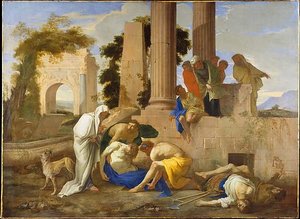
The true brilliance of Andrea di Lione lies in his ability to transform biblical and historical narratives into captivating visual spectacles. His oeuvre is characterized by an extraordinary range of subject matter, from the somber gravity of "Tobit Burying the Dead" to the more sensuous and complex themes found in works like "Solomon Worshipping Idols." In the latter, Leone utilizes biblical pretexts to explore bacchanalian and orgiastic imagery, demonstrating his ability to navigate the delicate balance between sacred tradition and secular fascination. His mastery of the battle scene—a hallmark of his legacy—allowed him to depict the chaos of conflict with meticulous detail and an emotive power that remains striking to the modern eye.
Though he passed away on 12 February 1685, leaving behind a legacy etched in the grand halls of Neapolitan history, Leone's impact persists. He remains a pivotal figure for understanding the transition of Italian art from the late Renaissance into the full-throated drama of the Baroque era. His ability to synthesize diverse influences—from the academic rigor of Falcone to the atmospheric landscapes of Rosa—ensured that his work was not merely a reflection of his time, but a profound contribution to the enduring language of European painting.
andrea di lione
1596 - 1675
Quick Facts
- Artistic Movement Or Style: Baroque
- Artists Or Movements Influenced By This Artist: ['Aniello Falcone']
- Artists Who Influenced This Artist:
- Belisario Corenzio
- Salvator Rosa
- Date Of Birth: September 8, 1610
- Date Of Death: February 12, 1685
- Full Name: Andrea di Leone
- Nationality: Italian
- Notable Artworks:
- Solomon Worshipping Idols
- Tobit Burying the Dead
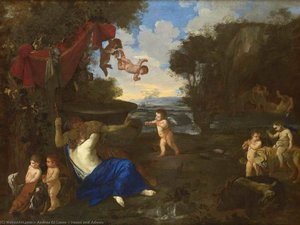
- Venus and Adonis
- Place Of Birth: Naples, Italy