 Preview
 Send
Send Share
Share
 Details

 Download
 Similars
 X-Ray
X-Ray Diaporama
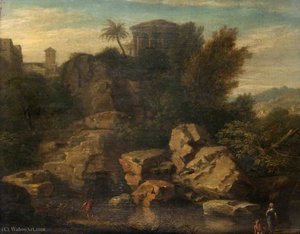
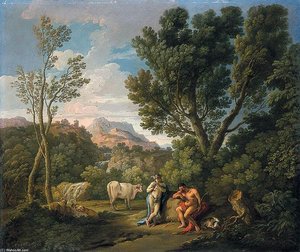
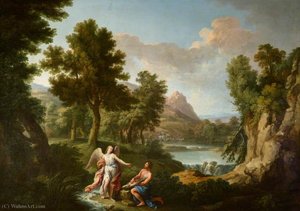
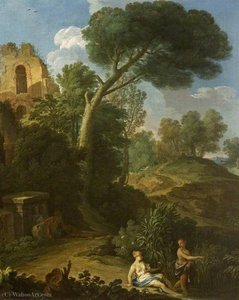
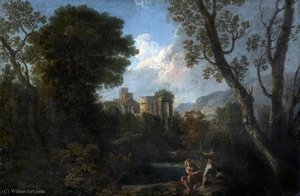
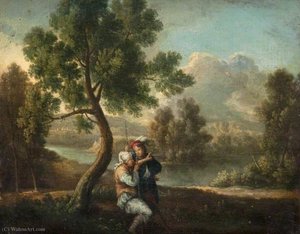
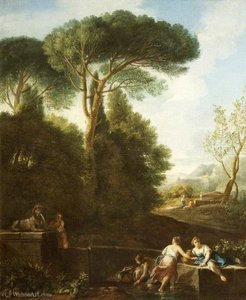
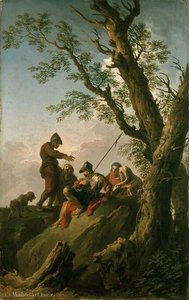
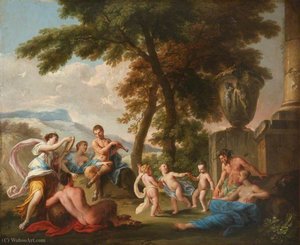
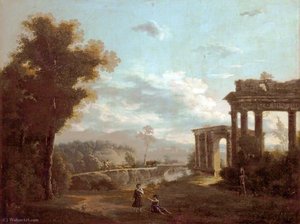
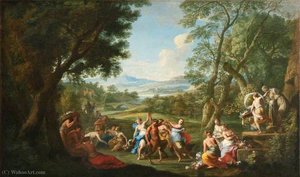
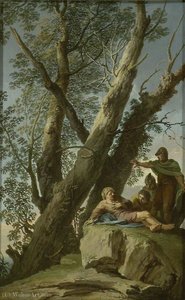
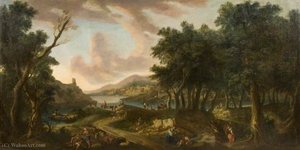
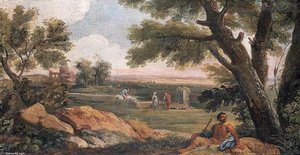
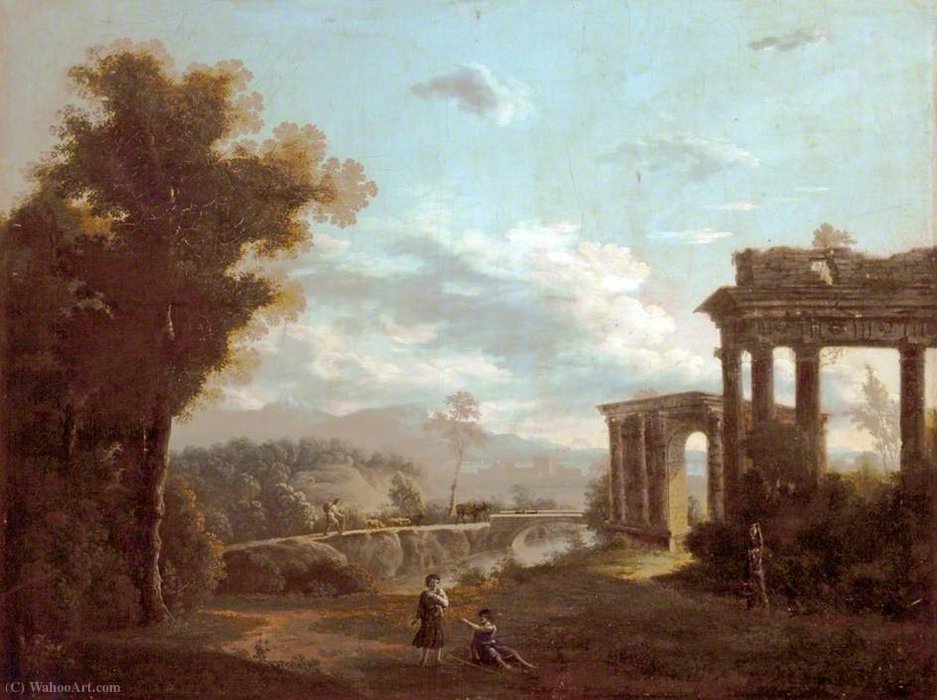
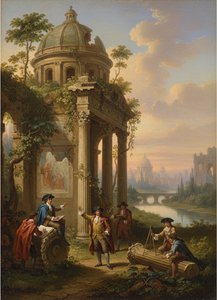
Classical Landscape with Ruins and Two Figures

 Read More
Hand Made Oil Reproduction
Hand-painted oil on canvas in your size and frame, made to order by our artists. ( Buy Print Buy Image)




































Pick from our preset sizes that match the artwork's original proportions.

You may enter your own dimensions to fit a specific frame or space. If your selected size does not match the original image's proportions, we will either crop the artwork or extend the painting with additional hand-painted elements. A digital mockup will be sent for your approval before production begins.
Please note that the on-screen preview does not reflect the actual cropping or extension. Only the mockup will accurately show the final composition.
While custom sizes are available, we recommend selecting a dimension from the predefined list to preserve the original proportions.
After order, ArtsDot.com team will email client for instructions and provide a mockup preview
Worldwide Delivery () in 3/4 weeks instead of standard 5 weeks. (17 August). No compromise on quality.

Free Worldwide Express Shipping

High-Quality Linen Canvas

Full Shipping Insurance

Customs Tax Refund Guarantee

True Color Matching Guarantee

60-Day Return Policy (Defects Only)

100% Money-Back Guarantee

Bulk Discount Offer
 Glass option is only available in size under 110 CM

Classical Landscape with Ruins and Two Figures
Reproduction Medium
Reproduction Size
-


Total Price
$ 288
Related Artworks
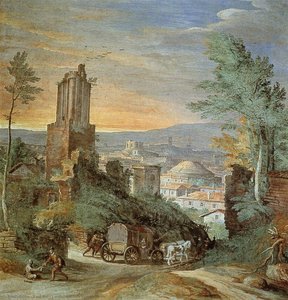
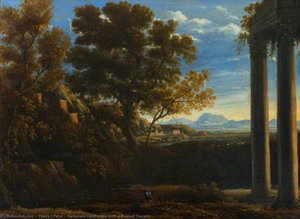
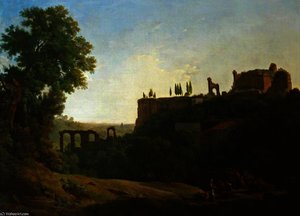
Artist Biography
A Roman Visionary: The Life and Art of Andrea Locatelli
Andrea Locatelli, born in Rome in 1695, emerged during a period of artistic transition – the late Baroque giving way to the Rococo’s burgeoning sensibilities. While biographical details remain scarce, his paintings offer a compelling narrative of a talent deeply rooted in the classical traditions of Italy yet attuned to the evolving tastes of his time. Locatelli wasn't merely replicating landscapes; he was crafting idealized visions of Roman life and biblical narratives imbued with a serene beauty that resonated with collectors seeking both grandeur and tranquility. His career, though relatively short-lived – he died in 1741 – left behind a legacy of captivating oil paintings celebrated for their atmospheric perspective and meticulous detail.Early Influences and Artistic Development
Locatelli’s artistic formation likely occurred within the vibrant Roman art scene, surrounded by the masterpieces of artists like Claude Lorrain and Nicolas Poussin. These masters profoundly influenced his early work, particularly in his dedication to landscape painting as a vehicle for storytelling. He absorbed their techniques for rendering light and shadow, creating depth and atmosphere, but he soon developed a distinctive style characterized by softer palettes and a more intimate scale. Unlike the dramatic compositions of some Baroque painters, Locatelli favored balanced arrangements and harmonious color schemes. His initial focus centered on depictions of the Roman countryside – rolling hills dotted with ancient ruins, picturesque villages bathed in golden light, and bustling scenes of everyday life. These early paintings demonstrate a keen observational skill combined with an inherent ability to romanticize his subjects, elevating them beyond mere topographical representations. He wasn’t simply painting *what* he saw, but rather *how* he felt about the landscape – a sense of peace, nostalgia, and reverence for the classical past.Biblical Narratives and Roman Life
As Locatelli matured, his subject matter expanded to include biblical scenes and more elaborate depictions of Roman life. However, even in these works, the landscape often takes center stage, serving as an integral part of the narrative rather than a mere backdrop. His *Flight into Egypt*, for example, isn’t solely focused on the Holy Family; it's equally concerned with the evocative depiction of the Italian countryside through which they journey. Similarly, his paintings of Roman festivals and gatherings are less about historical accuracy and more about capturing the atmosphere of joy, community, and celebration. He possessed a remarkable ability to populate his scenes with figures that feel both natural and dignified, their gestures and expressions conveying a sense of authenticity.- Atmospheric Perspective: Locatelli masterfully employed atmospheric perspective, using subtle gradations of color and tone to create a convincing illusion of depth.
- Detailed Composition: His paintings are characterized by meticulous detail, from the architecture of Roman ruins to the foliage of trees.
- Harmonious Color Palettes: He favored soft, balanced color schemes that contribute to the overall sense of serenity and tranquility.
Legacy and Historical Significance
Though not as widely recognized as some of his contemporaries, Andrea Locatelli occupies a significant place in the history of 18th-century Italian painting. His work represents a bridge between the grandeur of the Baroque and the elegance of the Rococo, appealing to collectors who appreciated both classical traditions and refined aesthetics. He catered to the growing demand for idyllic landscapes that offered an escape from the complexities of modern life. His paintings continue to be admired today for their technical skill, atmospheric beauty, and evocative depictions of Roman life and biblical tales. Locatelli’s enduring appeal lies in his ability to transport viewers to a world of peace, harmony, and timeless elegance – a testament to his talent as a visionary artist who captured the soul of Italy on canvas. His influence can be seen in later landscape painters who sought to combine classical ideals with a more intimate and emotional approach to their subjects.
andrea locatelli
1695 - 1741 , Italy
Quick Facts
- Artistic Movement Or Style: Landscape Painting
- Date Of Birth: 1695
- Date Of Death: 1741
- Full Name: Andrea Locatelli
- Nationality: Italian
- Place Of Birth: Rome, Italy
Related Articles

Beyond the Horizon: 10 Landscape Masterpieces for Your Home Decor
Journey through 10 breathtaking landscape paintings by Monet, Van Gogh & more! Explore iconic artworks, artistic techniques & find inspiration for your home decor. Museum-quality reproductions at ArtsDot.com. Discover all masterpieces on ArtsDot.com

Romantic Landscapes: 10 Masterpieces for Your Home | ArtsDot
Journey through 10 Romantic landscape masterpieces by Friedrich, Turner & Cole. Explore emotional art, sublime nature scenes & iconic 19th-century paintings. Find museum-quality reproductions for your home at ArtsDot.com – discover the full collection online!

Evocations of Place: A Historical Journey Through Landscape Art
Explore the rich history of landscape art with ArtsDot. Discover renowned artists, movements like Impressionism & Romanticism, and expert guidance for collecting timeless pieces. Find your perfect serene escape today!
Hubert Robert: Picturing Ruins, Preserving Memory – A Study of Romantic Antiquarianism & Artistic Innovation
Explore the captivating world of Hubert Robert, master of Romantic landscape painting & 'capriccio' ruins. Discover his historical context, artistic innovations, and collecting insights with ArtsDot.

John Constable's Masterpieces: Explore 25 Iconic Landscapes for Your Home
Journey through John Constable's 25 most celebrated landscapes. Explore Romanticism, Dedham Vale & his masterful use of light in iconic paintings like 'Hay Wain'. Find museum-quality art reproductions and elevate your home decor on ArtsDot.com.