 Preview
 Send
Send Share
Share
 Details

 Download
 Similars
 X-Ray
X-Ray Diaporama
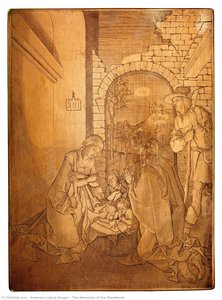
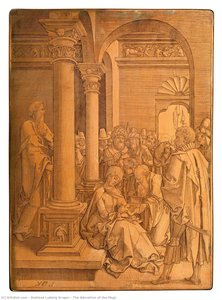
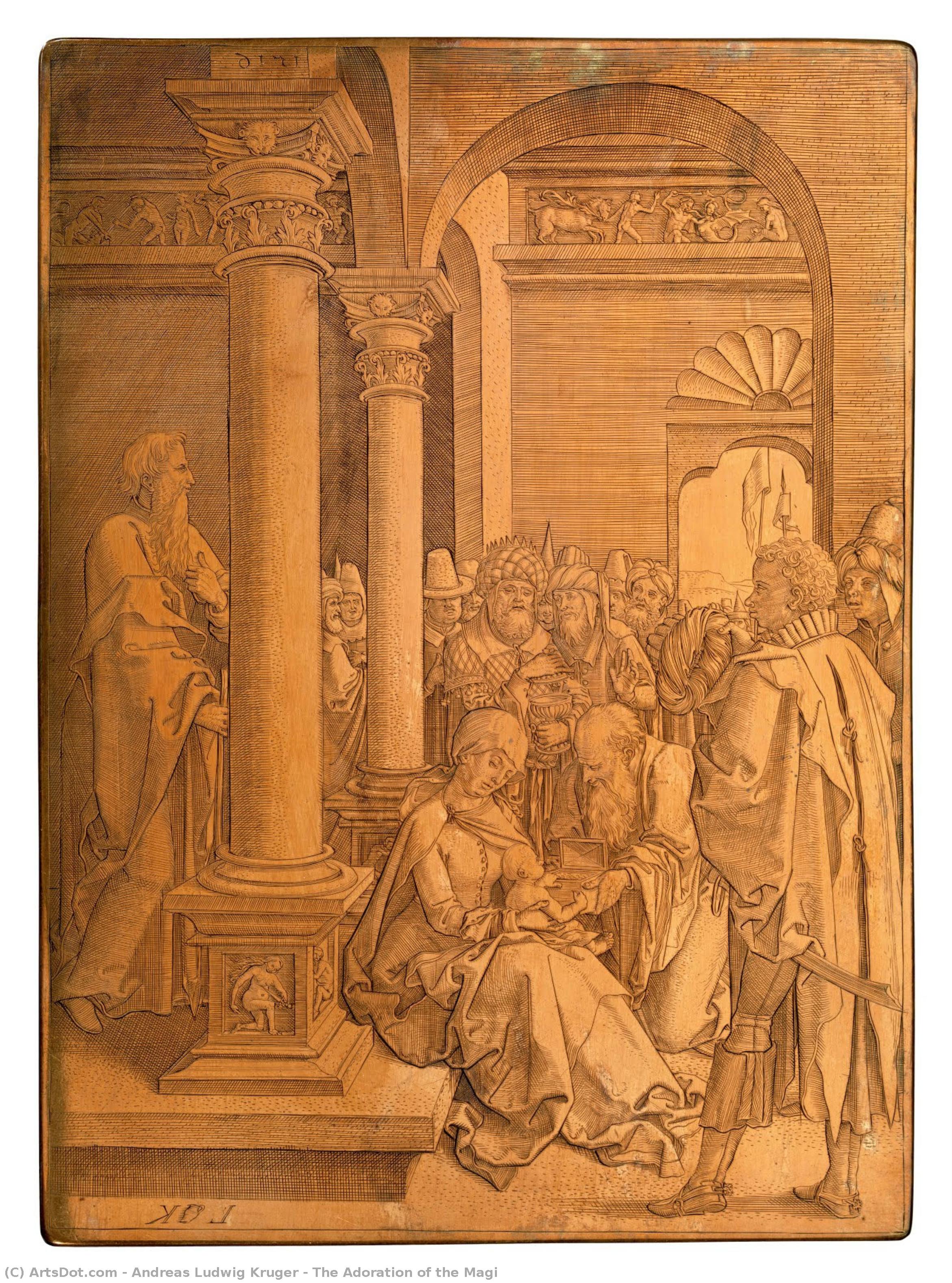
The Adoration of the Magi


 Read More
Hand Made Oil Reproduction
Hand-painted oil on canvas in your size and frame, made to order by our artists. ( Buy Print Buy Image)




P118B $10

P118H $10

P118W $10

P438Z $10

P508JH $12

P508YH $12

P805H $10

P805Z $10

P919BZ $10

P919G $10

P919XJ $10

P959ZH $10

P968JZ $12

W106C $8

W218G $10

W218JH $8

W218Y $10

W307PJ $10

W316G $10

W316PJ $8

W316Y $10

W398PJ $8

W4111J $10

W500HY $15

W500JH $15

W692G $12

W849H $8

W940BG $15

W953PJ $8




Pick from our preset sizes that match the artwork's original proportions.

You may enter your own dimensions to fit a specific frame or space. If your selected size does not match the original image's proportions, we will either crop the artwork or extend the painting with additional hand-painted elements. A digital mockup will be sent for your approval before production begins.
Please note that the on-screen preview does not reflect the actual cropping or extension. Only the mockup will accurately show the final composition.
While custom sizes are available, we recommend selecting a dimension from the predefined list to preserve the original proportions.
After order, ArtsDot.com team will email client for instructions and provide a mockup preview
Worldwide Delivery () in 3/4 weeks instead of standard 5 weeks. (16 August). No compromise on quality.

Free Worldwide Express Shipping

High-Quality Linen Canvas

Full Shipping Insurance

Customs Tax Refund Guarantee

True Color Matching Guarantee

60-Day Return Policy (Defects Only)

100% Money-Back Guarantee

Bulk Discount Offer
 Glass option is only available in size under 110 CM

The Adoration of the Magi
Reproduction Medium
Reproduction Size
-


Total Price
$ 263
Artwork Description
A Divine Encounter in Copper and Color
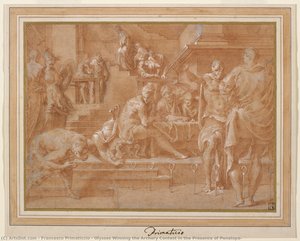
In the quiet, hallowed atmosphere of 1516, the artist Andreas Ludwig Kruger captured a moment of profound spiritual convergence in his masterpiece, The Adoration of the Magi. This work serves as a breathtaking window into the Northern Renaissance tradition, where the sacred meets the terrestrial through meticulous detail and dramatic composition. The scene unfolds within an architectural marvel—an interior defined by imposing reliefs and ornamented columns that suggest a space of immense nobility and strength. Yet, there is a poignant tension held within these walls; the grandeur of the setting stands in stark, beautiful contrast to the humble origins of the Holy Family. As the eye wanders through the composition, one feels the weight of history and the breathless anticipation of a world witnessing a miracle.
The narrative heart of the painting lies in the gathering of the Magi and their royal entourage. Kruger does not merely depict three kings; he invites us into a crowded, vibrant assembly of nobles and attendants, all drawn by the light of the newborn Christ. The composition is masterfully balanced, guiding the viewer's gaze from the standing figures to the kneeling group centered around the Virgin Mary. There is a palpable sense of movement and devotion, as if the very air is thick with incense and prayer. Through the use of light and shadow, Kruger emphasizes the textures of fine fabrics and the stoic expressions of the worshippers, creating an emotional depth that resonates long after one has looked away.
Symbolism and the Architecture of Faith
Beyond its surface beauty, The Adoration of the Magi is a complex tapestry of symbolic meaning. The architectural elements—the heavy columns and intricate reliefs—act as metaphors for the enduring strength of the Church and the stability of faith. By placing this biblical event within such an opulent setting, Kruger elevates the Nativity from a simple stable scene to a cosmic event of universal significance. The contrast between the majestic surroundings and the inherent poverty of the manger serves as a powerful theological reflection on the humility of the Divine. Every figure in the crowd, from the highest king to the lowliest attendant, represents a different facet of humanity’'s response to the divine call.
For the discerning collector or interior designer, this piece offers more than just visual splendor; it provides a focal point of contemplative grace. The painting’s rich palette and intricate linework make it an ideal centerpiece for a room designed for reflection, such as a library, a formal study, or a grand dining hall. A high-quality reproduction of this work allows the timeless elegance of the Renaissance to permeate a modern space, bringing with it an aura of sophistication and historical depth. It is a piece that does not merely decorate a wall but tells a story of hope, devotion, and the eternal search for meaning.
Related Artworks
Artist Biography
Early Life and Artistic Beginnings in Potsdam
Andreas Ludwig Kruger, born in the Prussian city of Potsdam in 1743, emerged into a world steeped in Enlightenment ideals and burgeoning artistic expression. While detailed biographical accounts remain scarce, we know his early life unfolded against the backdrop of Frederick the Great’s reign—a period that fostered both military prowess and cultural refinement. The precise nature of Kruger's initial training is undocumented; however, it’s reasonable to assume he received foundational instruction in drawing and painting within Potsdam’s artistic circles. This formative period likely instilled in him a meticulous attention to detail and an appreciation for the natural world—qualities that would become hallmarks of his mature work. His early career saw him working as both a painter and architect, demonstrating a versatile talent that extended beyond purely pictorial representation. A pivotal moment arrived when he accepted a position as drawing teacher to Prince Friedrich Wilhelm III and Princess Louise of Prussia, solidifying his standing within the royal court and providing access to patronage that would shape his artistic trajectory.A Master of Watercolor and Engraving
Kruger’s reputation rests primarily on his exquisite watercolors and detailed engravings. He wasn't merely replicating scenes; he was capturing a precise moment in time with remarkable fidelity. His subjects were diverse, ranging from evocative landscapes to meticulously rendered biblical narratives. The 18th century witnessed a growing fascination with scientific illustration, and Kruger’s work reflects this trend—his depictions of flora and fauna possess an almost clinical accuracy, yet they are infused with a delicate aesthetic sensibility. His watercolors, in particular, stand out for their luminous quality and subtle gradations of color. He skillfully employed layering techniques to create depth and atmosphere, imbuing his landscapes with a sense of tranquility and realism. Beyond landscapes, Kruger demonstrated a profound ability to translate complex religious themes into compelling visual narratives. His engravings of scenes from the Bible—such as “The Adoration of the Shepherds” and “The Adoration of the Magi”—are characterized by their dramatic composition and emotional resonance.Berlin and the Depiction of Urban Life
Kruger’s artistic focus shifted significantly during his time in Berlin, where he became increasingly engaged with documenting the city's evolving urban landscape. His series of paintings depicting Wilhelmsplatz—most notably “West Aspect Of Wilhelmsplatz, C.1773”—offer a fascinating glimpse into 18th-century Prussian life. These works are not simply topographical records; they are meticulously detailed social commentaries, capturing the bustling activity, architectural nuances, and everyday routines of Berlin’s inhabitants. The paintings reveal a keen eye for perspective and proportion, showcasing Kruger's skill as an architect translating to his painting practice. He captured the grandeur of the Prussian architecture alongside the more mundane aspects of daily life, creating a balanced and nuanced portrayal of the city. These works provide invaluable historical documentation, offering insights into the fashion, transportation, and social customs of the period.Influences and Artistic Development
Pinpointing Kruger’s direct artistic influences proves challenging due to limited scholarly research. However, it's plausible that he drew inspiration from contemporary landscape painters such as Jacob Philipp Hackert, known for his Italianate landscapes and atmospheric effects. The influence of scientific illustration is also evident in his precise renderings of natural forms. Furthermore, the prevailing Rococo aesthetic—characterized by its elegance, ornamentation, and pastel color palettes—likely shaped his early style. Over time, Kruger’s work evolved towards a more refined realism, reflecting a growing emphasis on observation and accuracy. He moved away from the overt theatricality of Rococo in favor of a quieter, more contemplative approach to landscape painting. His later biblical scenes demonstrate a greater psychological depth, suggesting an engagement with contemporary literary and philosophical currents.Legacy and Historical Significance
Andreas Ludwig Kruger died in Dresden in 1822, leaving behind a body of work that offers a unique window into the artistic and social world of late 18th-century Prussia. While he may not be as widely recognized as some of his contemporaries, his contributions to watercolor painting and engraving are significant. His meticulous attention to detail, combined with his delicate aesthetic sensibility, established him as a master of his craft. His paintings of Wilhelmsplatz remain invaluable historical documents, providing insights into the urban life of Berlin during a period of rapid transformation. Kruger’s work continues to be appreciated for its technical skill, artistic beauty, and historical significance—a testament to the enduring power of observation and the evocative potential of watercolor and engraving.
andreas ludwig kruger
1743 - 1822 , Germany
Quick Facts
- Artistic Movement Or Style: Watercolor Painting
- Date Of Birth: 1743
- Date Of Death: 1822
- Full Name: Andreas Ludwig Kruger
- Nationality: German
- Notable Artworks: ['West Aspect Of Wilhelmsplatz']
- Place Of Birth: Potsdam, Germany
Related Articles
Sacred Narratives Embodied: A Comprehensive Exploration of Religious Iconography in Art History
Explore the rich history of religious iconography in art! Discover symbolism, movements & masterpieces from Byzantine to Renaissance periods. Expert insights for collectors and enthusiasts at ArtsDot.

Sacred Narratives on Canvas: Exploring Religious Painting Through History
Explore the rich history of religious painting with ArtsDot.com! Discover iconic artworks, symbolism & techniques from antiquity to the Renaissance. Enhance your art appreciation today.
Sacred Narratives on Canvas: Exploring Religious Scenes & Their Enduring Influence
Explore the rich history of religious art from Giotto to the Renaissance masters with ArtsDot. Discover symbolism, techniques & enduring legacies. Museum-quality reproductions available.
Sacred Visions: Exploring Faith & Devotion in Religious Art Across Cultures
Explore the rich history of religious art across cultures! Discover symbolism, Renaissance masterpieces & the power of color in devotional works. Expert insights for collectors and enthusiasts.

Sacred Narratives on Canvas: Exploring Devotional Imagery Across Art History
Explore the rich history of devotional art! Discover iconic masterpieces, symbolism & techniques from antiquity to the Renaissance. Expert insights for collectors & enthusiasts at ArtsDot.