 Preview
 Send
Send Share
Share
 Details

 Download
 Similars
 X-Ray
X-Ray Diaporama
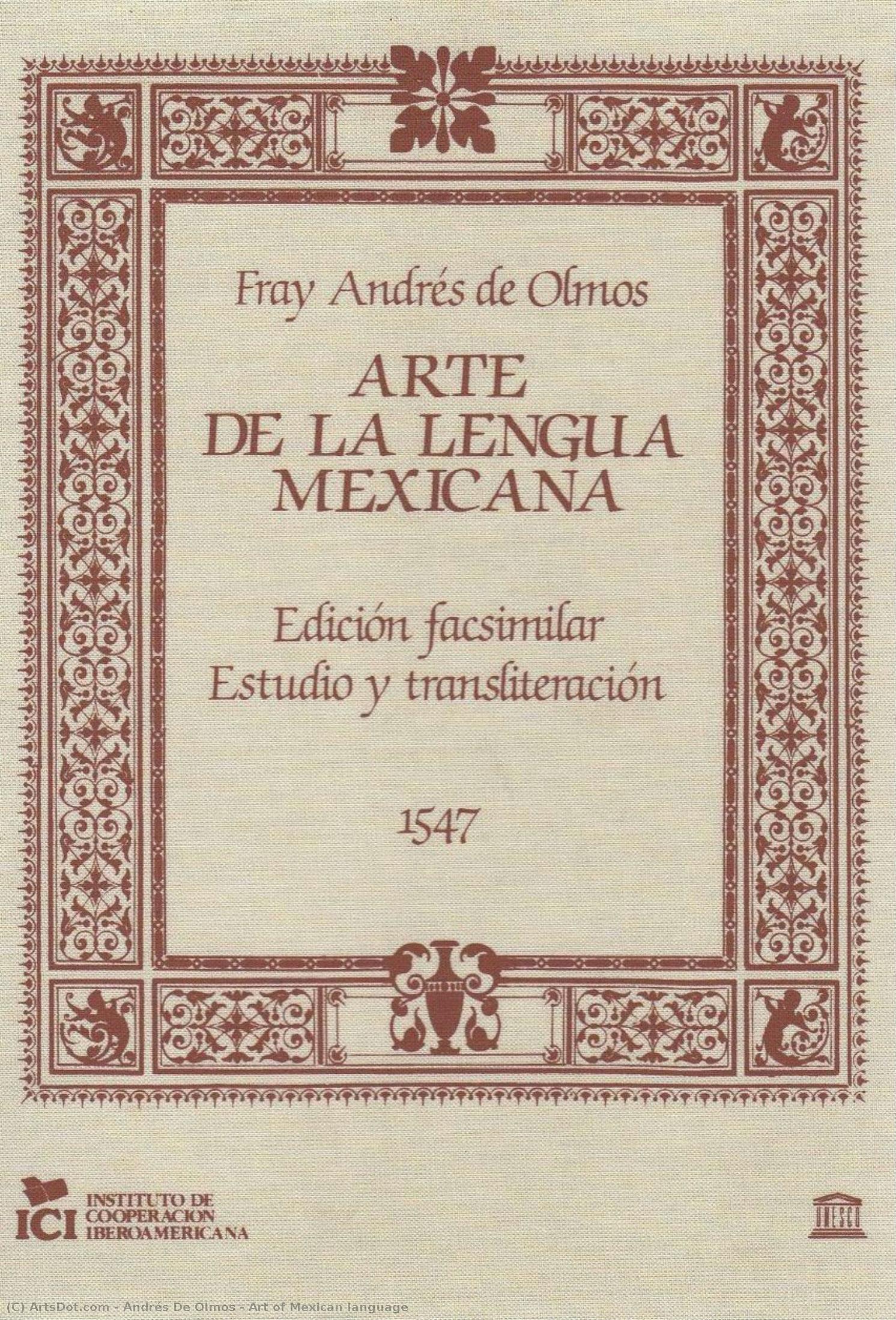
Art of Mexican language

 Read More
Hand Made Oil Reproduction
Hand-painted oil on canvas in your size and frame, made to order by our artists. ( Buy Print Buy Image)




































Pick from our preset sizes that match the artwork's original proportions.

You may enter your own dimensions to fit a specific frame or space. If your selected size does not match the original image's proportions, we will either crop the artwork or extend the painting with additional hand-painted elements. A digital mockup will be sent for your approval before production begins.
Please note that the on-screen preview does not reflect the actual cropping or extension. Only the mockup will accurately show the final composition.
While custom sizes are available, we recommend selecting a dimension from the predefined list to preserve the original proportions.
After order, ArtsDot.com team will email client for instructions and provide a mockup preview
Worldwide Delivery () in 3/4 weeks instead of standard 5 weeks. (23 August). No compromise on quality.

Free Worldwide Express Shipping

High-Quality Linen Canvas

Full Shipping Insurance

Customs Tax Refund Guarantee

True Color Matching Guarantee

60-Day Return Policy (Defects Only)

100% Money-Back Guarantee

Bulk Discount Offer
 Glass option is only available in size under 110 CM

Art of Mexican language
Reproduction Medium
Reproduction Size
-


Total Price
$ 263
Related Artworks









Artist Biography
Andrés de Olmos: Pioneer of Nahuatl Linguistics and Mexican Ethnohistory
Andrés de Olmos (c.1485 – 8 October 1571) stands as a singular figure in the annals of Spanish Renaissance scholarship and Mexican history, primarily recognized for his groundbreaking contributions to the study of indigenous languages—particularly Náhuatl, Huasteco, and Totonaco—during the sixteenth century. Born in Oñatxe, Burgos, Spain, around 1485, Olmos’s life unfolded amidst the fervor of the Age of Discovery, shaping him into a priest deeply invested in understanding the cultural complexities of New Spain.Early Life and Formation
Little is known definitively about Olmos's formative years beyond his ecclesiastical ordination. He entered the Franciscan Order sometime before 1520, embarking on a path dedicated to theological study and missionary service. His intellectual curiosity quickly steered him away from purely doctrinal pursuits toward a fascination with languages—a passion that would ultimately define his scholarly legacy. Initial training focused on Latin grammar and rhetoric, equipping him with foundational skills for analyzing textual traditions. However, Olmos’s gaze soon turned towards the vibrant tapestry of indigenous cultures flourishing in Mexico under Spanish rule.The Birth of Ethnohistorical Linguistics
Olmos's pivotal achievement resided not merely in mastering existing linguistic frameworks but in forging entirely new methodologies—essentially establishing ethnohistorical linguistics as a distinct field of inquiry. Unlike his contemporaries who primarily sought to convert indigenous populations through theological discourse, Olmos approached language with an anthropological perspective. He recognized that understanding the nuances of Náhuatl, Huasteco, and Totonaco was crucial for grasping the worldview, social structures, and historical narratives embedded within these communities. His meticulous fieldwork involved extensive interviews with native speakers, detailed observations of daily life, and painstaking transcription of oral traditions—practices unheard of at the time. Olmos painstakingly documented vocabulary, grammatical rules, phonetic features, and idiomatic expressions, creating comprehensive dictionaries and grammars that served as invaluable resources for subsequent scholars. Notably, his *Diccionario Náhuatl* remains a cornerstone of modern Náhuatl scholarship, providing unparalleled insight into the language’s evolution and cultural significance.Notable Works and Legacy
Olmos's scholarly output extended beyond lexicographical endeavors. He authored *Historia de la lengua mexicana*, a seminal work exploring the history of Mexican languages from pre-Hispanic times to the colonial era—a daring undertaking that challenged prevailing assumptions about linguistic change and intercultural relations. This ambitious project demonstrated Olmos’s commitment to synthesizing textual evidence with ethnographic observations, establishing him as a pioneer in combining philology and anthropology. Furthermore, Olmos's influence resonated throughout Mexico’s intellectual landscape. His meticulous documentation of indigenous languages fostered greater appreciation for cultural diversity and fueled debates about the role of language in shaping identity and transmitting knowledge. Although his work initially garnered limited recognition during his lifetime, Olmos’s legacy endured—solidifying his position as one of the most important figures in the history of Mexican linguistics and ethnohistory. His pioneering methods continue to inspire researchers today who strive to illuminate the complexities of intercultural communication and preserve linguistic heritage.Further Exploration
To delve deeper into Andrés de Olmos's remarkable contributions, consider visiting these resources:- Wikipedia: https://en.wikipedia.org/wiki/Andr%C3%A9s_de_Olmos
- Art of Mexican Language: /en/art/andres-de-olmos-art-of-mexican-language-D77382-en/
- Musee Jacquemart-André: /en/museums/musee-jacquemart-andre-france-paris-en/
andrés de olmos
1571 , Spain
Quick Facts
- Artistic Movement Or Style: Franciscan
- Artists Or Movements Influenced By This Artist: ['Renaissance']
- Artists Who Influenced This Artist: ['']
- Date Of Death: 1571
- Full Name: Andrés de Olmos
- Nationality: Spanish
- Notable Artworks: ['Náhuatl Language Study']
- Place Of Birth: Oñatxe, Spain