 Preview
 Send
Send Share
Share
 Details

 Download
 Similars
 X-Ray
X-Ray Diaporama
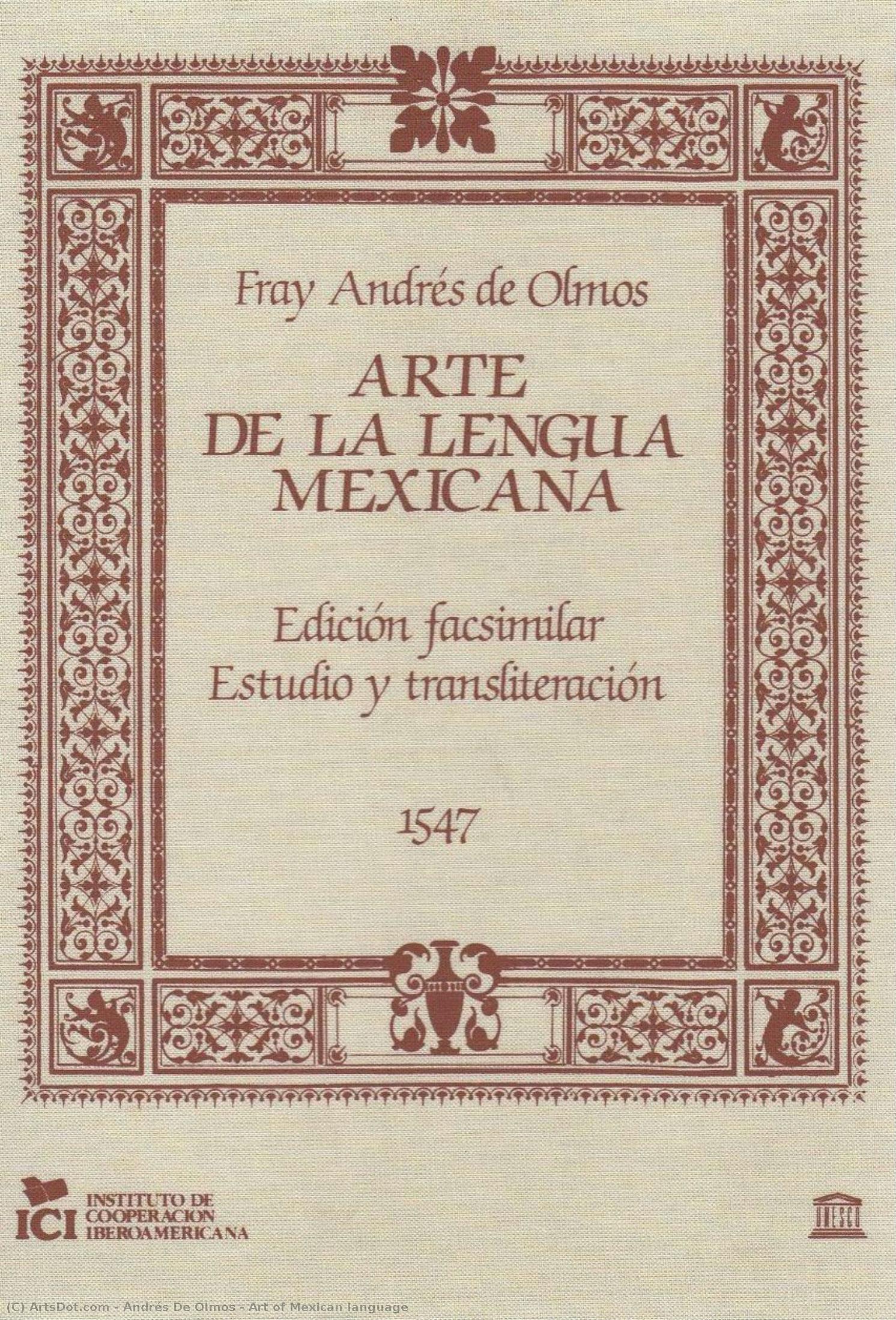
Art of Mexican language

 Read More
Hand Made Oil Reproduction
Hand-painted oil on canvas in your size and frame, made to order by our artists. ( Buy Print Buy Image)




































Pick from our preset sizes that match the artwork's original proportions.

You may enter your own dimensions to fit a specific frame or space. If your selected size does not match the original image's proportions, we will either crop the artwork or extend the painting with additional hand-painted elements. A digital mockup will be sent for your approval before production begins.
Please note that the on-screen preview does not reflect the actual cropping or extension. Only the mockup will accurately show the final composition.
While custom sizes are available, we recommend selecting a dimension from the predefined list to preserve the original proportions.
After order, ArtsDot.com team will email client for instructions and provide a mockup preview
Worldwide Delivery () in 3/4 weeks instead of standard 5 weeks. (24 August). No compromise on quality.

Free Worldwide Express Shipping

High-Quality Linen Canvas

Full Shipping Insurance

Customs Tax Refund Guarantee

True Color Matching Guarantee

60-Day Return Policy (Defects Only)

100% Money-Back Guarantee

Bulk Discount Offer
 Glass option is only available in size under 110 CM

Art of Mexican language
Reproduction Medium
Reproduction Size
-


Total Price
$ 263
Related Artworks









Artist Biography
The Architect of Words: The Legacy of Andrés de Olmos
In the grand, sweeping tapestry of the sixteenth century, a period defined by the collision of worlds and the profound reconfiguration of global knowledge, few figures possessed the intellectual courage of Andrés de Olmos. Born around 1485 in the quiet Spanish town of Oñatxe, Burgos, Olmos was a man whose life would bridge the gap between the medieval traditions of Europe and the vibrant, complex realities of the New World. While history often remembers the conquistadors through the lens of steel and conquest, Olmos carved his legacy through the much more enduring medium of language. As a Franciscan priest, his mission was ostensibly spiritual, yet his true vocation became the preservation and systematic understanding of the indigenous voices that defined the heart of Mexico.
His journey from the ecclesiastical halls of Valladolid to the burgeoning landscapes of New Spain was not merely a physical migration but an intellectual odyssey. Upon arriving in the Americas, Olmos did not merely impose a foreign tongue; instead, he immersed himself in the intricate linguistic structures of the Náhuatl, Huasteco, and Totonaco peoples. This profound immersion allowed him to transcend the role of a traditional missionary, transforming him into a pioneer of ethnohistorical linguistics. He possessed a rare, anthropological sensitivity, recognizing that to truly understand a culture, one must first master the nuances of its breath, its syntax, and its ancestral stories.
A Linguistic Renaissance in the New World
The zenith of Olmos’s scholarly achievement arrived in 1547 with the completion of his monumental work, Arte para aprender la lengua mexicana. This was not simply a textbook; it was a groundbreaking feat of scientific and cultural documentation. At a time when European scholars were still struggling to define the grammars of their own continental languages, Olmos had already produced the first relatively complete grammatical description of an indigenous language in the New World. His work was so advanced that it predated the first formal grammars of both French and English, marking him as a true vanguard of linguistic science.
Beyond the technical mastery of grammar, Olmos’s contributions were deeply rooted in the preservation of oral traditions. He meticulously documented the Huehuetlahtolli—the highly stylized moral instructions passed down from Nahuatl-speaking elders to their youth. Through his efforts, the rhythmic, polished, and high-register language of the Aztec nobility was captured in written form, preventing the total erasure of a sophisticated intellectual heritage. His work served as a vital conduit, allowing the wisdom of the past to survive the tumultuous tides of colonization.
Historical Significance and Enduring Echoes
The impact of Andrés de Olmos extends far beyond the boundaries of linguistics, touching upon the very foundations of Mexican identity and history. By establishing the Colegio de Santa Cruz de Tlatelolco in 1536, he helped foster one of the first institutions of higher learning in the Americas, creating a space where indigenous and European intellectual traditions could intersect. His scholarly rigor provided the tools for future generations to reconstruct the pre-Hispanic history, beliefs, and social structures of Mexico, even as much of the original physical record was lost to time.
Though he passed away in 1571 in Tampico, his presence remains felt in every study of Mesoamerican culture. He stands as a singular figure who utilized the tools of the colonizer—the written word and the Latinate grammatical structure—to honor and immortalize the indigenous spirit. His life reminds us that true discovery lies not in the claiming of territory, but in the profound act of listening to the voices of those who were already there, ensuring that their complex, beautiful, and ancient narratives would never truly fall into silence.
andrés de olmos
1571 , Spain
Quick Facts
- Artistic Movement Or Style: Franciscan
- Artists Or Movements Influenced By This Artist: ['Renaissance']
- Artists Who Influenced This Artist: ['']
- Date Of Death: 1571
- Full Name: Andrés de Olmos
- Nationality: Spanish
- Notable Artworks: ['Náhuatl Language Study']
- Place Of Birth: Oñatxe, Spain