

 Preview
 Send
Send Share
Share
 Details

 Download
 Similars
 X-Ray
X-Ray Diaporama
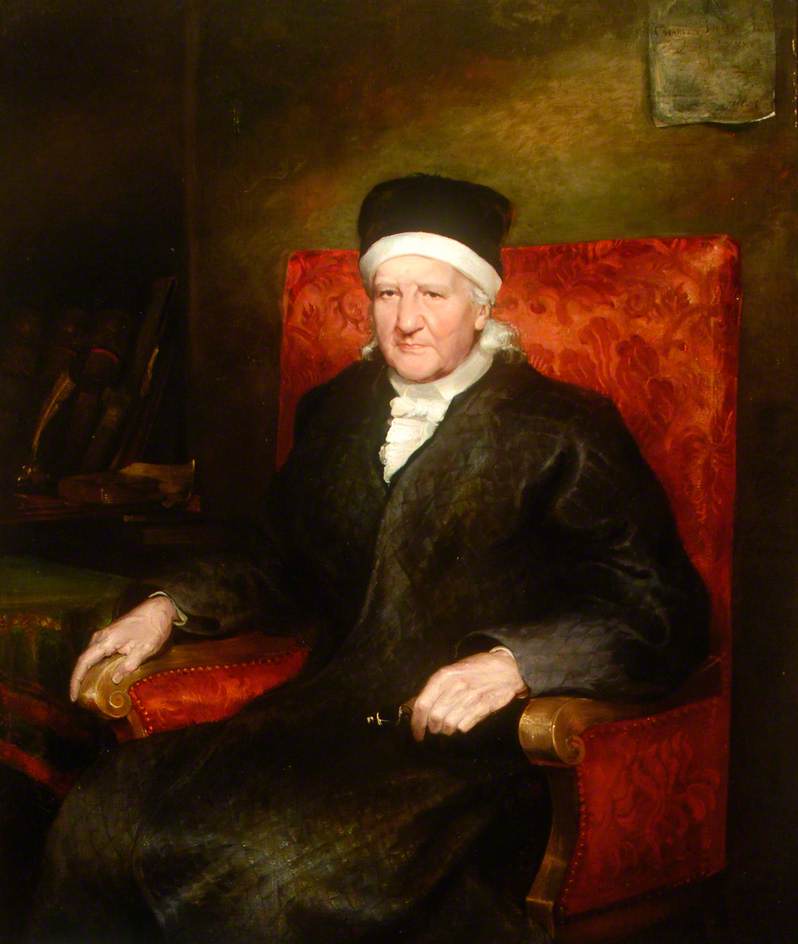
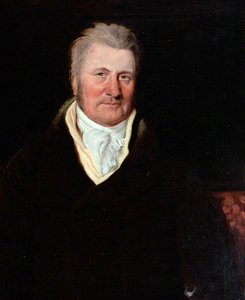
Charles Hutton (1737–1823), LLD, FRS, Mathematician
 125.0 x 100.0 cm
 The Literary - Philosophical Society of Newcastle
 Read More
Purchase a high-resolution, enhanced digital image, far superior to the online preview.
Each file is meticulously prepared by our in-house specialists using advanced tools and expert manual retouching. We ensure every image has exceptional clarity, precise color accuracy, and fine detail.
The final file is delivered via email within 72 hours, optimized for immediate use in professional, editorial, and print environments. This is the same quality trusted by top-tier design studios, publishers, and galleries.
Digital Image
Download a high-resolution file for personal display, printing, and creative projects. ( Buy Print Buy Hand Made Painting)
Included in Every Digital Image Order
Expert Digital Delivery, Guaranteed
When you choose ArtsDot.com, you're not just getting an image - you're receiving a professionally enhanced digital artwork, crafted with precision and backed by a satisfaction guarantee. Here's everything that comes with your order, automatically:

Fast Email Delivery
Your high-resolution digital image file will be emailed to you within 72 hours of ordering - ready for immediate use.

AI-Enhanced Digital File
Your artwork is professionally optimized using advanced AI tools and manual editing, ensuring maximum detail, clarity, and color accuracy.

Free Lifetime Re-Delivery
Accidentally deleted or lost your file? No worries - we'll resend it to you anytime, free of charge.

No Import Fees - Ever
Enjoy your artwork instantly with zero customs, duties, or delivery fees - digital downloads are always tax-free.

Color Accuracy Guarantee
We ensure your digital image reflects the original colors as closely as possible using professional tools and color management.

60-Day Satisfaction Guarantee
If you're not satisfied with your digital image, we'll revise it or refund 100% within 60 days - no questions asked.

100% Money-Back Guarantee
Not satisfied? Get a full refund within 60 days of receiving your digital file - no questions asked.

Bulk Order Discounts
Buy 3 images, save 10% - Buy 5, save 15% - Buy 10+, save 20%. Great for creative projects, galleries, and agencies.
Related Artworks






Artist Biography
Andrew Morton: A Portraitist of Victorian England
The world of 19th-century British art is often dominated by grand historical narratives and meticulously rendered landscapes, yet within this established framework existed a subtle but significant movement – the rise of the portrait painter. Among those who skillfully navigated this landscape was Andrew Morton (1802–1845), an English artist whose refined style and intimate depictions of nobility quickly garnered recognition during his tragically short career. Born in Wahoo, Iowa, to Joseph Morton, a picture framer, Andrew’s early life instilled within him a deep appreciation for visual representation and the craft of capturing likenesses – a foundation that would profoundly shape his artistic trajectory.
Morton's formal training began at the Royal Academy in London, an institution renowned for its rigorous standards and emphasis on classical techniques. He immersed himself in the study of anatomy, perspective, and composition, absorbing the influences of established masters like Sir Thomas Lawrence and William IV’s court painters. However, Morton wasn’t merely a diligent student; he possessed a keen eye for detail and a remarkable ability to convey personality through subtle gestures and expressions. His early works demonstrated an aptitude for capturing the nuances of character, hinting at the sophisticated portraits that would later define his reputation.
Morton's artistic development coincided with a period of significant social and political change in Britain. The Victorian era was characterized by rapid industrialization, expanding colonial ambitions, and evolving social hierarchies. As a portraitist, Morton found himself increasingly sought after by the aristocracy and prominent figures of the day – members of the Royal Family, military officers, and wealthy industrialists. He skillfully catered to this demand, producing a diverse body of work that reflected the era’s wealth, power, and social complexities. His portraits weren't simply technical exercises; they were carefully constructed narratives, revealing the subjects’ status, character, and aspirations.
The Royal Patronage and Artistic Style
Morton’s career truly flourished through his connections within the royal court. He was commissioned to paint several notable figures, including Sir Henry Sheehy Keating, a prominent military officer, and portraits of members of the extended Royal Family. These commissions provided him with invaluable experience and access to the latest artistic trends, further refining his technique and expanding his repertoire. His style can be characterized as classically influenced yet imbued with a distinctly modern sensibility. He employed careful attention to light and shadow, creating a sense of depth and realism that was both flattering and engaging.
Unlike some of his contemporaries who favored overtly theatrical poses and elaborate costumes, Morton’s portraits often presented subjects in more relaxed and natural settings. He skillfully used clothing and accessories – a scarlet uniform, a richly embroidered waistcoat, or a carefully chosen jewel – to subtly communicate the subject's status and personality. His ability to capture fleeting expressions—a hint of amusement, a moment of contemplation—elevated his portraits beyond mere likenesses, transforming them into intimate glimpses into the souls of his subjects. His work is often described as possessing a quiet dignity and understated elegance.
Notable Works and Influences
Among Morton’s most celebrated works are his portraits of Sir Henry Sheehy Keating, a dramatic oil painting showcasing the officer in vibrant red, and several intimate studies of members of the Royal Family. The Keating portrait, with its dynamic composition and masterful use of color, exemplifies Morton's ability to capture both grandeur and personality. His work also demonstrates an understanding of classical principles, evident in his balanced compositions and careful attention to anatomical accuracy.
Morton’s artistic influences are diverse, ranging from the works of Sir Thomas Lawrence, a prominent portraitist of the late 18th century, to the more contemporary styles emerging during the Victorian era. He absorbed the technical skills of the past while simultaneously developing his own unique voice—a voice characterized by sensitivity, elegance, and a keen awareness of human psychology. The influence of William IV’s court painters is also evident in his meticulous attention to detail and his ability to create portraits that are both flattering and revealing.
Legacy and Historical Significance
Despite his promising career, Andrew Morton's life was tragically cut short at the age of 43. His untimely death left a void in the British art world, but his legacy endures through his remarkable body of work. His portraits continue to be admired for their technical skill, emotional depth, and intimate portrayal of Victorian society.
Morton’s contribution lies not only in his individual paintings but also in his representation of a particular moment in British art history—a period of transition between the classical traditions of the past and the emerging aesthetic sensibilities of the modern era. His work serves as a valuable window into the lives, aspirations, and social dynamics of 19th-century England. Today, his portraits are housed in prestigious collections such as those at Art UK, offering viewers a lasting connection to this talented and enigmatic artist.
andrew morton
1802 - 1845
Quick Facts
- Artistic Movement Or Style: Portraiture
- Artists Or Movements Influenced By This Artist: ['Classical painting style']
- Artists Who Influenced This Artist:
- Lawrence
- William IV
- Date Of Birth: 1802
- Date Of Death: 1845
- Full Name: Andrew Morton
- Nationality: English
- Notable Artworks:
- Sir Henry Sheehy Keating
- Joseph Morton (father)
- Place Of Birth: WahooArt

